
- Acasă

- Imagine digitală
- Simone Martini
- Blessed Agostino Novello Altarpiece
 Comandă tipăritul Comandă reproducere pictată
 Trimite
 Distribuie
 Detalii
 Adaugă la favorite

 Descarcă
 Similare
 Raze X
 Diaporama
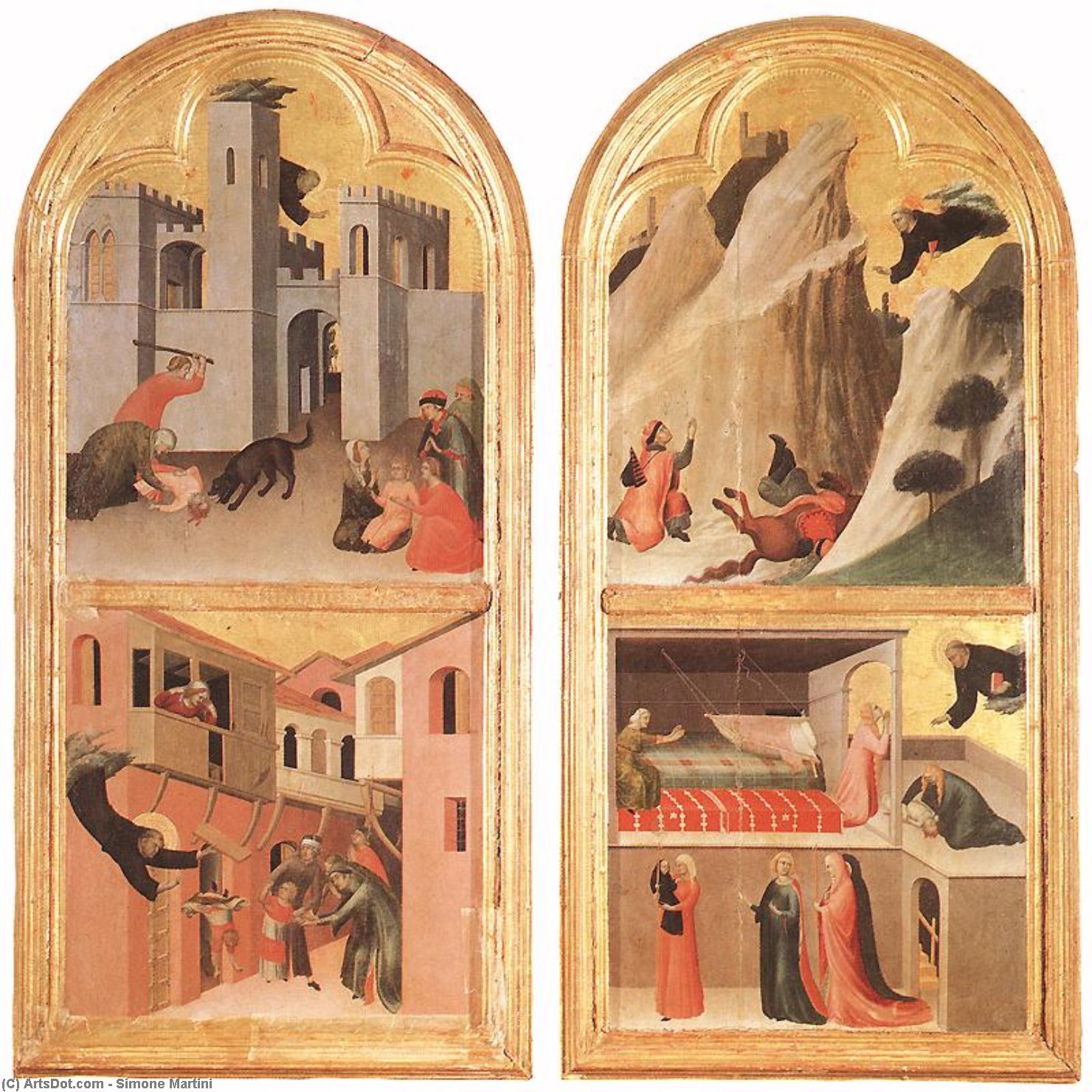
Blessed Agostino Novello Altarpiece
 Acrilic pe pânză
- Artă de perete
- International Gothic Style
 1324
1324- Evul Mediu Târziu
 Pinacoteca Nazionale
 Vezi mai mult
Achiziționați o imagine digitală îmbunătățită și de înaltă rezoluție, mult superioară previzualizării online.
Fiecare fișier este pregătit cu meticulozitate de specialiștii noștri interni, utilizând instrumente avansate și retușare manuală expertă. Ne asigurăm că fiecare imagine beneficiază de o claritate excepțională, o acuratețe precisă a culorilor și detalii fine.
Fișierul final este livrat prin e-mail în termen de 72 de ore, optimizat pentru utilizare imediată în medii profesionale, editoriale și de imprimare. Aceasta este aceeași calitate în care au încredere studiouri de design, edituri și galerii de top.
Imagine Digitală
Descărcați un fișier la rezoluție înaltă pentru afișare personală, imprimare și proiecte creative.
Inclus în fiecare comandă de imagini digitale
Livrare digitală de expertiză, garantată
Când alegeți ArtsDot.com, nu primiți doar o simplă imagine – primiți o operă de artă digitală îmbunătățită profesional, creată cu precizie și susținută de o garanție de satisfacție. Iată tot ceea ce primești odată cu comanda ta, în mod automat:

Livrare rapidă prin e-mail
Fișierul imaginii digitale la rezoluție înaltă vă va fi trimis prin e-mail în termen de 72 de ore de la finalizarea comenzii – gata pentru utilizare imediată.

Fișier digital optimizat prin IA
Opera ta de artă este optimizată profesional prin intermediul unor instrumente AI avansate și al editării manuale, asigurând un nivel maxim de detalii, claritate și acuratețe a culorilor.

Retransmitere gratuită pe viață
Ai șters sau ai pierdut din greșeală fișierul? Nu îți face griji – ți-l vom retrimite oricând, gratuit.

Fără taxe de import – Întotdeauna
Bucură-te instant de opera ta de artă, fără taxe vamale, taxe de import sau costuri de livrare – descărcările digitale sunt întotdeauna fără taxe.

Garanția acurateței culorilor
Asigurăm că imaginea ta digitală reflectă culorile originale cât mai fidel posibil, utilizând instrumente profesionale și procese de gestionare a culorii.

Garanție de satisfacție de 60 de zile
Dacă nu sunteți mulțumit de imaginea digitală achiziționată, o vom revizui sau vă vom returna 100% în termen de 60 de zile – fără nicio explicație necesară.

Garanție de returnare 100% a banilor
Nu ești mulțumit? Obține o rambursare completă în termen de 60 de zile de la primirea fișierului tău digital – fără întrebări.

Reduceri pentru comenzi multiple
Cumpără 3 imagini, economisește 10% - Cumpără 5, economisește 15% - Cumpără 10+, economisește 20%. Ideal pentru proiecte creative, galerii și agenții.
Descrierea obiectului de colecție
A Vision of Sanctity and Civic Life: Simone Martini’s Blessed Agostino Novello Altarpiece
Simone Martini's *Blessed Agostino Novello Altarpiece*, created in 1324, transcends the boundaries of mere religious painting; it embodies a profound reflection on Sienese identity and its spiritual core. Commissioned for the church of Sant’Agostino in Siena – a city renowned for its artistic patronage and burgeoning civic pride – this tempera on wood panel represents a cornerstone of Italian Gothic art and stands as an enduring testament to Martini's unparalleled skill. More than just depicting saints and miracles, the altarpiece meticulously portrays the interwoven tapestry of faith and earthly life that defined Sienese society during the 14th century.Decoding the Narrative: Miracles and Civic Identity
The central panel immediately captivates the viewer with its portrayal of Blessed Agostino Novello himself – a revered figure within Siena’s ecclesiastical hierarchy. Martini eschewed the austere conventions of earlier artistic traditions, presenting Agostino not as an ethereal being but as a man imbued with intellect and authority; he holds a book—likely referencing the Constitutions of his Augustinian Order—symbolizing both scholarly pursuits and administrative responsibility. This deliberate depiction underscores the saint’s significance within Sienese civic life, demonstrating that faith wasn't merely abstract contemplation but actively shaped the values and aspirations of the community. Surrounding Agostino are scenes illustrating miraculous interventions attributed to him – events rendered with painstaking detail against backgrounds depicting Siena itself. These aren’t dramatic spectacles designed for awe; rather, they depict intimate acts of compassion—a child rescued from peril, protection from harm—reflecting a deeply personal connection between Saint Agostino and the citizens he served. The careful juxtaposition of divine grace and everyday life speaks to the altarpiece's core mission: to affirm Sienese identity as rooted in piety and moral virtue.Martini’s Technique: Graceful Lines and Luminous Color
Simone Martini distinguished himself from his contemporaries through a distinctive artistic approach characterized by an unwavering commitment to elegance and refined detail. His technique—tempera on wood—allowed him to achieve remarkable luminosity, creating surfaces that seem to radiate inner radiance. Martini's mastery of line is evident in the flowing drapery of the figures and the intricate architectural elements of the altarpiece’s setting – a deliberate stylistic choice designed to convey beauty and sophistication. Furthermore, he skillfully employed subtle gradations of light and shadow, imbuing the scene with depth and realism—a departure from the flattened perspectives favored by Giotto di Bondone. The judicious use of gold leaf accents adds an opulent dimension to the composition, reinforcing its sacred character and elevating it beyond mere visual representation.A Legacy of Elegance: Martini’s Influence on Italian Art
The *Blessed Agostino Novello Altarpiece* solidified Simone Martini's reputation as a visionary artist and cemented his indelible mark upon the trajectory of Italian painting. His stylistic innovations—particularly his emphasis on graceful lines, luminous color, and meticulous detail—became hallmarks of the International Gothic style, influencing artists across Europe during the late 14th and early 15th centuries. Today, reproductions of this masterpiece offer art enthusiasts and interior designers alike a chance to experience Martini’s artistic brilliance firsthand – bringing a touch of Sienese grace and spiritual contemplation into their homes or collections. It remains an unparalleled exemplar of medieval artistry, demonstrating the profound capacity for beauty and symbolism within religious expression.Opere de artă similare


Biografie Artist
A Sienese Master of Elegance and Grace
Simone Martini, born around 1284 in the heart of Siena, Italy, stands as a pivotal figure in the transition from medieval to Renaissance art. He wasn’t merely a painter; he was an architect of elegance, a master of line and color who infused his works with a courtly refinement that distinguished him from contemporaries like Giotto. While historical accounts vary regarding his early training—some suggest apprenticeship under Duccio di Buoninsegna, the leading Sienese artist of the time, while others point to Florence and the influence of Giotto—Martini undeniably forged a unique artistic path. His brother-in-law, Lippo Memmi, was also an artist with whom he frequently collaborated, further enriching the vibrant artistic landscape of Siena. The city itself played a crucial role in shaping Martini’s aesthetic; Siena, a thriving center of commerce and culture, fostered an environment where art flourished, blending religious devotion with worldly sophistication.
The Flourishing of International Gothic
Martini's style is immediately recognizable for its departure from the more monumental forms favored in Florence. He embraced a delicate sensibility, characterized by flowing lines, soft decorative details, and an overall sense of grace. This aesthetic wasn’t born in isolation; it was profoundly influenced by external forces. The Via Francigena, a major pilgrimage route traversing Europe, brought with it artistic currents from France—particularly the refined elegance of French manuscript illumination and ivory carving. These influences are readily apparent in Martini's work, manifesting as intricate patterns, elongated figures, and a heightened attention to surface ornamentation. He didn’t simply copy these styles; he synthesized them with existing Sienese traditions, creating something entirely new. His paintings weren’t merely representations of religious scenes but rather elegant narratives imbued with emotional depth and visual poetry.
Early Life and Training
Little is known about Simone Martini's early life, a common situation for many artists of the period. While some accounts suggest he began his artistic training under Duccio di Buoninsegna, the most celebrated Sienese painter of his time, definitive proof remains elusive. Others propose that he spent formative years in Florence, absorbing the influences of Giotto, whose naturalistic style represented a significant departure from the more stylized conventions of the Gothic era. Regardless of the precise details of his early education, it’s clear that Martini quickly developed a distinctive artistic voice—one characterized by an unparalleled sensitivity to line, color, and composition. His collaboration with Lippo Memmi, his brother-in-law, further enriched his creative environment, fostering a dynamic exchange of ideas and techniques.
Major Works and Artistic Development
Martini’s most celebrated works exemplify the pinnacle of his artistic development. The *Maestà* fresco, commissioned for the Palazzo Pubblico in Siena around 1315, stands as a testament to his mastery—a monumental depiction of the Virgin Mary enthroned with angels and saints that seamlessly blends Gothic elegance with emerging Renaissance principles. The *Annunciation*, painted circa 1330, showcases Martini’s ability to capture delicate emotion and intricate detail, while the *Saint Louis of Toulouse Crowning His Brother Robert of Anjou* (1317), created during his time in Naples, demonstrates his skill in portraying complex narratives with a refined sense of courtly splendor. His *Saint Catherine of Alexandria Polyptych*, completed around 1320, further highlights his command of color and form, solidifying his reputation as one of the most influential artists of his generation.
Legacy and Historical Significance
Simone Martini’s impact on the development of European art cannot be overstated. He played a crucial role in disseminating the International Gothic style—a movement characterized by its elegance, refinement, and emphasis on decorative detail—across the continent. His influence extended to generations of artists who followed, shaping the course of late medieval and early Renaissance painting. Martini’s work wasn't simply about technical skill; it was about creating a visual language that resonated with the sensibilities of his time—a language of beauty, grace, and spiritual devotion. Even today, his paintings continue to captivate viewers with their exquisite detail, harmonious compositions, and enduring sense of elegance. His frescoes in San Francesco d’Assisi demonstrate his mastery of large-scale decorative painting, while works like the *Saint Catherine of Alexandria Polyptych* showcase his unparalleled command of color and form. Simone Martini died in Avignon in 1344, leaving behind a legacy that continues to inspire awe and admiration centuries later—a testament to the enduring power of art to transcend time and touch the human spirit.

Simone Martini
1284 - 1344 , Italia
Detalii rapide
- Artistic Movement Or Style: Gotic Internațional
- Artists Or Movements Influenced By This Artist: ['Duccio di Buoninsegna']
- Artists Who Influenced This Artist:
- Duccio di Buoninsegna
- Giotto
- Date Of Birth: c. 1284
- Date Of Death: 1344
- Full Name: Simone Martini
- Nationality: Italian
- Notable Artworks:
- Maestà
- Annunțarea
- Saint Louis
- Place Of Birth: Siena, Italia

