


 Comandă tipăritul Cumpără imaginea
 Trimite
 Distribuie
 Details
 Adaugă la favorite

 Descarcă
 Similare
 X-Ray
X-Ray
 Diaporama
Ophelia

 Vezi mai mult
Reproducere manuală în ulei
Pictură în ulei pe pânză, pictată manual, la dimensiunea și ramele dorite de dumneavoastră, realizată la comandă de artiștii noștri.




































Alegeți dintre dimensiunile noastre prestabilite, care respectă proporțiile originale ale operei de artă.

Puteți introduce propriile dimensiuni pentru a se potrivi unui anumit cadru sau spațiu. Dacă dimensiunea selectată nu corespunde proporțiilor imaginii originale, vom decupa opera de artă sau vom extinde pictura cu elemente suplimentare pictate manual. O simulare digitală vă va fi trimisă pentru aprobare înainte de începerea producției.
Vă rugăm să rețineți că previzualizarea de pe ecran nu reflectă decuparea sau extinderea reală. Doar macheta va arăta cu exactitate compoziția finală.
Deși sunt disponibile dimensiuni personalizate, vă recomandăm să selectați o dimensiune din lista predefinită pentru a păstra proporțiile originale.
După plasarea comenzii, echipa ArtsDot.com va trimite clientului instrucțiuni prin e-mail și îi va furniza o previzualizare a machetei
Livrare în întreaga lume () în 3/4 săptămâni, în loc de cele 5 săptămâni standard. (1 Iulie). Fără compromisuri în ceea ce privește calitatea.

Livrare expres gratuită la nivel mondial

Pânză de in de înaltă calitate

Asigurare completă pentru transport

Garanție de rambursare a taxelor vamale

Garanția fidelității culorilor

Politica de retur de 60 de zile (doar pentru defecte)

Garanție 100% de rambursare

Reducere la comenzi multiple
 Opțiunea cu sticlă este disponibilă doar pentru dimensiuni de sub 110 cm

Ophelia
Tehnică de reproducere
Dimensiune reproducere
-


Preț total calculat
-
Opere de artă similare


Biografie artist
A Life Immersed in Narrative and Hue
Paul Falconer Poole, a name perhaps less immediately recognized than some of his Victorian contemporaries, nevertheless occupies a significant place within the tapestry of 19th-century British art. Born in Bristol in 1806 – though some records indicate 1807 – Poole’s artistic journey was one largely forged through self-direction and an innate sensitivity to color and dramatic storytelling. Unlike many artists of his era, he lacked extensive formal training, a circumstance that arguably fostered the unique emotional depth and expressive quality that characterize his oeuvre. His beginnings were humble, rooted in the bustling port city of Bristol where his father worked as a coal merchant. This early life, while not steeped in artistic privilege, provided fertile ground for an observant mind to develop a keen eye for the human condition and the nuances of everyday existence – themes that would later permeate his work. Poole’s initial foray into the art world came with “The Well, A Scene in Naples,” exhibited at the Royal Academy in 1831 when he was just twenty-five years old. This early piece signaled a burgeoning talent for narrative composition and atmospheric rendering, hinting at the poetic sensibility that would become his hallmark.Early Influences and Artistic Beginnings
Poole’s artistic inclinations were nurtured by a family environment that valued intellectual curiosity and appreciation for beauty – qualities evident in his lifelong pursuit of artistic excellence. While biographical details regarding his formative years remain somewhat sparse, anecdotal evidence suggests he possessed an exceptional aptitude for drawing from a young age, demonstrating a natural inclination towards capturing visual impressions with precision and sensitivity. His father’s profession as a coal merchant afforded him modest financial resources, allowing him to pursue his artistic endeavors without the constraints of aristocratic patronage – a circumstance that undoubtedly contributed to his distinctive style and unwavering commitment to his craft. The Royal Academy's acceptance of “The Well” marked a pivotal moment in Poole’s career, establishing him as a rising talent within the British art scene and providing invaluable exposure to critical acclaim. This initial success fueled his ambition and solidified his resolve to dedicate himself wholly to artistic creation.Genre Painting and Historical Narrative: Defining His Style
Poole's artistic style can be broadly categorized into two interconnected approaches – genre painting and historical narrative – each reflecting a profound understanding of human psychology and an unwavering dedication to conveying emotion through visual imagery. He excelled in depicting scenes from everyday life, capturing the essence of rural landscapes and domestic interiors with remarkable detail and evocative color palettes. Works like “May Day” (1852) exemplify his ability to evoke nostalgia and celebrate the simple pleasures of pastoral existence, employing a masterful blend of realism and romantic idealism. Simultaneously, Poole possessed an unparalleled talent for portraying dramatic historical events – moments fraught with tension, pathos, and moral significance. Paintings such as “Robert, Duke of Normandy and Arletta” (1848) demonstrate his meticulous attention to historical accuracy alongside his artistic flair, creating narratives that resonate with audiences across generations.The Triumph of Color: Poole’s Signature Technique
What truly distinguishes Poole's oeuvre is his extraordinary command of color – a technique he honed throughout his career and elevated to an art form in itself. He possessed an intuitive grasp of pigment mixing and tonal modulation, achieving breathtaking depth and vibrancy through a sophisticated understanding of light and shadow. This mastery wasn’t merely technical; it was integral to his storytelling, serving as a conduit for conveying emotion and immersing the viewer within the scene's atmosphere. Consider “Solomon Eagle Exhorting the People to Repentance During the Plague of 1665” (1843). The artist utilizes a rich tapestry of hues – reds, yellows, blues – to depict the fervor of religious conviction and the palpable terror of epidemic disease. Each brushstroke contributes to an overall impression of dramatic intensity, mirroring the psychological complexities of the depicted subject matter. This distinctive approach to color distinguishes Poole from many of his contemporaries and underscores his enduring legacy as a visionary artist.Recognition and Legacy: A Lasting Impression
Poole’s artistic achievements garnered considerable acclaim during his lifetime, culminating in his election as an Associate of the Royal Academy in 1846 – a testament to his talent and reputation within the British art world. Furthermore, he achieved Full Academician status in 1861, cementing his position among Britain's most respected artists. His friendship with fellow landscape painter Thomas Danby fostered a collaborative spirit and undoubtedly influenced Poole’s artistic sensibilities. He continued to explore both pastoral and dramatic themes until his death in 1879, producing works that solidified his reputation as a master of narrative art and expressive color – paintings that continue to captivate audiences today and serve as enduring reminders of Victorian Britain's artistic brilliance. His legacy resides not merely in the beauty of his canvases but also in the profound emotional resonance they evoke—a testament to Poole’s unwavering dedication to capturing the human spirit on canvas.
Paul Falconer Poole
1806 - 1879 , Regatul Unit
Detalii rapide
- Artistic Movement Or Style: Victorian Genre/Historical
- Artists Who Influenced This Artist:
- John Constable
- Thomas Danby
- Date Of Birth: December 28, 1807
- Date Of Death: September 22, 1879
- Full Name: Paul Falconer Poole
- Nationality: British
- Notable Artworks:
- The Well
- Farewell, Farewell
- Solomon Eagle
- May Day
- Place Of Birth: Bristol, UK
Articole conexe

Top 10 Capodopere Post-Impresioniste care au Definit Arta Modernă | ArtsDot.ro
Descoperă Top 10 capodopere post-impresioniste de la Van Gogh, Monet, Cézanne și alții! Explorează istoria artei moderne, tehnicile unice și culorile vibrante. Reproduceri tablouri de calitate muzeală pe ArtsDot.com

Capodopere în ulei pe pânză: 10 opere care au revoluționat arta | ArtsDot.ro
Descoperă cele mai importante 10 capodopere în ulei pe pânză care au schimbat istoria artei! Explorează poveștile lui Van Gogh, Da Vinci și alți pictori renumiți. Reproduceri de artă de calitate muzeală pentru decorul perfect. Explorează colecția completă online pe ArtsDot.com!
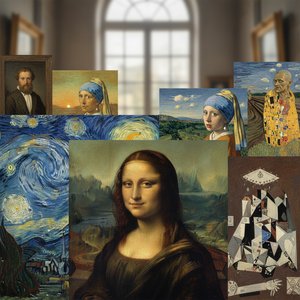
Top 10 Capodopere în Ulei care au Schimbat Arta pentru Totdeauna | ArtsDot.ro
Descoperă Top 10 capodopere în ulei care au revoluționat arta! Explorează poveștile lui Leonardo da Vinci, Van Gogh, Monet și alți artiști legendari. Reproduceri de tablouri de calitate muzeală pentru decorul perfect. Descoperă toate operele pe ArtsDot.com

Paul Gabriël: A Study in Belle Époque Academic Painting & Parisian Salon Ambitions
Explore the life & work of Paul Gabriël, a key figure of the Hague School and Belle Époque painting. Discover his journey to Parisian Salon recognition and lasting influence on Dutch landscape art.

Paul Jenkins: Abstraction, Color Field Painting & the Pursuit of Lyrical Expression
Explore the captivating world of Paul Jenkins, a pioneer of abstract expressionism & color field painting. Discover his unique ‘Phenomena’ series and investment potential for art collectors. Expert insights at ArtsDot.

