
- Acasă

- Reproducere Tablou în Ulei
- Joan Miró
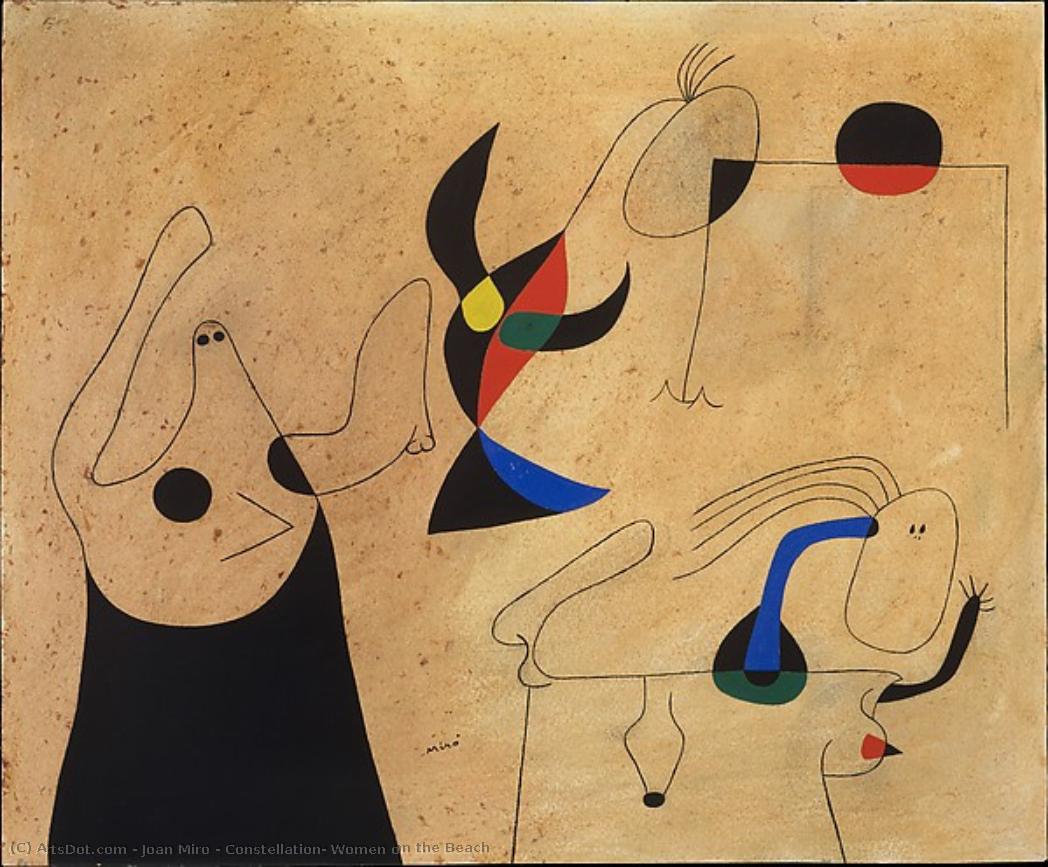
- Constellation: Women on the Beach
 Comandă tipăritul Cumpără imaginea
 Trimite
 Distribuie
 Details
 Adaugă la favorite

 Descarcă
 Similare
 X-Ray
X-Ray
 Diaporama
Constellation: Women on the Beach
 Acrylic
- WallArt
- Surrealist Expression
 1940
1940 38.0 x 46.0 cm
Reproducere manuală în ulei
Pictură în ulei pe pânză, pictată manual, la dimensiunea și ramele dorite de dumneavoastră, realizată la comandă de artiștii noștri.




P118B $10

P118H $10

P118W $10

P438Z $10

P508JH $12

P508YH $12

P805H $10

P805Z $10

P919BZ $10

P919G $10

P919XJ $10

P959ZH $10

P968JZ $12

W106C $8

W218G $10

W218JH $8

W218Y $10

W307PJ $10

W316G $10

W316PJ $8

W316Y $10

W398PJ $8

W4111J $10

W500HY $15

W500JH $15

W692G $12

W849H $8

W940BG $15

W953PJ $8




 Citește mai mult
Alegeți dintre dimensiunile noastre prestabilite, care respectă proporțiile originale ale operei de artă.

Puteți introduce propriile dimensiuni pentru a se potrivi unui anumit cadru sau spațiu. Dacă dimensiunea selectată nu corespunde proporțiilor imaginii originale, vom decupa opera de artă sau vom extinde pictura cu elemente suplimentare pictate manual. O simulare digitală vă va fi trimisă pentru aprobare înainte de începerea producției.
Vă rugăm să rețineți că previzualizarea de pe ecran nu reflectă decuparea sau extinderea reală. Doar macheta va arăta cu exactitate compoziția finală.
Deși sunt disponibile dimensiuni personalizate, vă recomandăm să selectați o dimensiune din lista predefinită pentru a păstra proporțiile originale.
După plasarea comenzii, echipa ArtsDot.com va trimite clientului instrucțiuni prin e-mail și îi va furniza o previzualizare a machetei
Livrare în întreaga lume () în 3/4 săptămâni, în loc de cele 5 săptămâni standard. (1 Iulie). Fără compromisuri în ceea ce privește calitatea.

Livrare expres gratuită la nivel mondial

Pânză de in de înaltă calitate

Asigurare completă pentru transport

Garanție de rambursare a taxelor vamale

Garanția fidelității culorilor

Politica de retur de 60 de zile (doar pentru defecte)

Garanție 100% de rambursare

Reducere la comenzi multiple
 Opțiunea cu sticlă este disponibilă doar pentru dimensiuni de sub 110 cm

Constellation: Women on the Beach
Tehnică de reproducere
Dimensiune reproducere
-


Preț total calculat
-
Descriere operă de artă
Constellation: Women on the Beach – A Catalan Dreamscape
The painting “Constellation: Women on the Beach” by Joan Miró, created in 1940, transcends mere representation; it’s an invitation into a realm of subconscious exploration and poetic visual storytelling. Executed in oil on paper, this artwork embodies Miró's signature style—a blend of Surrealist influences tempered with Catalan folklore and personal vision—resulting in a captivating composition that speaks volumes about the artist’s inner landscape.Subject Matter & Composition
At its core lies an evocative depiction of women lounging on a beach, their legs extended upwards as if embracing the expansive sky. These figures aren't merely passive subjects; they are active participants in a dynamic tableau populated by additional women positioned strategically around them. The inclusion of two birds—one perched delicately near the upper left corner and another soaring towards the center-right—adds layers of symbolism, representing freedom, aspiration, and perhaps even the cyclical nature of life itself. Miró’s masterful use of perspective creates depth and movement, drawing the viewer into this serene yet subtly unsettling scene.Style & Technique – The Language of Abstraction
Miró's artistic approach firmly resides within Surrealism, though he deliberately eschewed rigid categorization. He prioritized conveying emotion and intuition over literal accuracy, employing a technique characterized by spontaneous marks and gestural brushstrokes that imbue the paper surface with palpable texture. Bold colors—primarily yellows, blues, and reds—are juxtaposed to create visual harmony and heighten emotional resonance. The artist’s meticulous attention to detail is evident in the intricate patterns and organic forms that dominate the canvas, mirroring the Catalan landscape and reflecting Miró's fascination with natural motifs.Historical Context & Influences
The painting emerged during a period of significant artistic upheaval—the Second World War—and reflects the anxieties and uncertainties of the time while simultaneously celebrating beauty and imagination. Miró’s formative years were deeply rooted in Barcelona, where he encountered the groundbreaking architectural innovations of Antoni Gaudí, whose organic forms profoundly impacted his aesthetic sensibilities. Gaudí's embrace of nature as inspiration served as a catalyst for Miró's own exploration of Catalan identity and folklore—themes that permeate throughout his oeuvre.Symbolism & Emotional Impact
“Constellation: Women on the Beach” is rich in symbolic resonance. The beach itself represents tranquility, renewal, and connection to the natural world – elements central to Catalan culture. The women embody femininity, resilience, and contemplation, while the birds symbolize hope and transcendence. More broadly, Miró’s artwork invites viewers to contemplate the mysteries of the subconscious mind and to appreciate the transformative power of art—a testament to his enduring legacy as a visionary artist who dared to express the intangible beauty of dreams and memories.Opere de artă similare


Biografie artist
A Catalan Visionary: The Life and Art of Joan Miró
Joan Miró i Ferrà, born in Barcelona in 1893, stands as one of the most significant figures in 20th-century art. His journey was not merely a progression through styles but an exploration of inner worlds, translating dreams, memories, and Catalan identity onto canvas with a uniquely poetic visual language. From humble beginnings marked by illness and initial parental reservations about his artistic pursuits, Miró persevered, driven by an innate need to express the intangible—the emotions, sensations, and subconscious currents that lie beneath the surface of reality. His early life was steeped in the traditions of Barcelona, a city brimming with architectural marvels thanks to Antoni Gaudí, whose organic forms would subtly influence Miró’s later abstractions. The goldsmithing profession of his father instilled an appreciation for meticulous craftsmanship, while the rugged Catalan landscape became a recurring motif and source of inspiration throughout his career.Early Influences and the Path to Surrealism
Miró's formal artistic training began at La Llotja in Barcelona, where he honed his skills in traditional techniques. However, it was exposure to the avant-garde movements sweeping through Paris that truly ignited his creative evolution. The vibrant colors of Fauvism and the fragmented forms of Cubism resonated deeply, prompting him to move to Paris in 1920. This period proved pivotal as he encountered artists like Pablo Picasso and began experimenting with increasingly abstract compositions. Yet, Miró didn’t simply adopt these styles; he synthesized them, forging a path toward his own distinctive aesthetic. He sought to distill forms to their essence, stripping away representational details in favor of symbolic shapes and evocative colors. This exploration led him to the Surrealist group in 1924, aligning him with artists such as Max Ernst and Salvador Dalí. While embracing the Surrealist interest in the subconscious—influenced by Sigmund Freud’s theories—Miró maintained a unique sensibility—his work was less about shocking imagery or Freudian symbolism than it was about creating a world of playful forms and poetic suggestion. He famously declared an “assassination of painting” in favour of upsetting the visual elements of established painting, rejecting academic conventions and embracing spontaneity.The Catalan Landscape and Artistic Roots
Miró’s formative years were profoundly shaped by his surroundings. Growing up in Barcelona's Gothic Quarter instilled a deep connection to Catalan culture and folklore—themes that would permeate his artistic output throughout his life. The influence of Gaudí’s organic architecture, characterized by undulating curves and natural materials, is palpable in Miró’s compositions, reflecting a desire to capture the beauty and dynamism of the natural world. His father's profession as a goldsmith instilled an appreciation for precision and craftsmanship—skills that would translate into meticulous attention to detail in his paintings and sculptures. The Catalan landscape—particularly the Serra de Tramuntana mountains—served as a constant source of inspiration, appearing repeatedly in his artworks as stylized representations of rock formations and vegetation.Major Artistic Achievements: From Surrealist Pioneer to International Icon
Miró’s artistic career spanned several decades, marked by prolific experimentation across diverse mediums. He achieved international acclaim for his paintings, prints, sculptures, ceramics, and murals—establishing himself as one of the foremost artists of his generation. His collaboration with Max Ernst on *grattage* techniques revolutionized printmaking, demonstrating a willingness to challenge established artistic practices. The monumental ceramic murals commissioned for UNESCO’s headquarters in Paris showcased his mastery of large-scale art projects and solidified his reputation as a visionary artist. He was awarded the Grand Prix for Graphic Work at the Venice Biennale in 1958—a testament to his enduring influence on European art. Furthermore, he received the Guggenheim International Award in 1980—recognizing his contribution to modern art history.Legacy and Enduring Influence
Joan Miró’s legacy extends far beyond his artistic creations. He championed freedom of expression and encouraged artists to embrace imagination and intuition—values that continue to resonate with contemporary creatives. His distinctive visual language—characterized by biomorphic shapes, vibrant colors, and symbolic imagery—influenced generations of artists and designers. The Fundació Joan Miró in Barcelona and the Fundació Pilar i Joan Miró in Palma de Mallorca serve as repositories of his artistic heritage, ensuring that his vision persists for future audiences. Miró’s art remains a powerful reminder of the transformative potential of creativity—a celebration of Catalan identity and an enduring testament to the beauty of abstraction.
Joan Miró
1893 - 1983 , Spania
Detalii rapide
- Artistic Movement Or Style: Surrealism, Abstract Art
- Artists Or Movements Influenced By This Artist: ['Fauvism']
- Artists Who Influenced This Artist: ['Pablo Picasso']
- Date Of Birth: 1893
- Date Of Death: 1983
- Full Name: Joan Miró i Ferrà
- Nationality: Spaniol
- Notable Artworks:
- The Farm
- Dutch Interiors
- Painting
- Place Of Birth: Barcelona, Spania
Articole conexe

Joan Miró: Cele Mai Iconice 25 De Opere – Artă Modernă pentru Decorul Tău
Descoperă cele mai iconice 25 de opere Joan Miró! Explorează biografiile, tehnicile și simbolismul din spatele picturilor abstracte, suprarealiste și catalane. Găsește inspirație pentru decorul tău cu reproduceri artă de calitate superioară pe ArtsDot.com.


Alice Pike Barney: A Life Painted in Impressionism & Washington Society
Explore the life & art of Alice Pike Barney, a pioneering American Impressionist painter who defied convention and fostered Washington D.C.'s vibrant arts scene. Discover her unique style, portraits, and lasting legacy.

Peter Graham Li: Capturing Light & Narrative in Contemporary Oil Painting
Discover the captivating oil paintings of Peter Graham Li – a contemporary artist celebrated for his masterful use of light, color, and impasto technique. Explore investment potential & curated selections at ArtsDot.

The Enduring Muse: Women as Subject & Symbol in Art History
Explore the rich history of women in art – from iconic muses to groundbreaking artists. Discover feminist movements, global perspectives & reclaim female narratives with ArtsDot.

The Enduring Muse: Women as Subject & Symbol in Art History
Explore the rich history of women in art – from archetypal representations to contemporary voices challenging norms. Discover iconic artists & movements, and learn about reclaiming female narratives through painting and beyond.



