


 Vezi în context
 Trimite
 Distribuie
 Detalii
 Ghidul

 Descarcă
 Produse similare
 Radiografie
 Diaporama
 Statistici
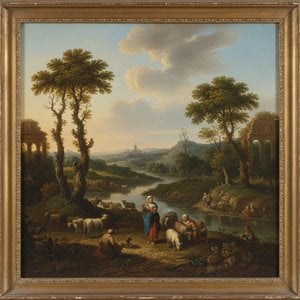
Forest Landscape
 Etching
- Baroque
 1643
1643- Early Modern
 27.0 x 32.0 cm
 Muzeul de Artă Fine din Budapesta
 Citește mai mult
Reproducere pictată manual în ulei
Pictură în ulei pe pânză, realizată manual de artiștii noștri la dimensiunea și ramele dorite de dumneavoastră, pe comandă. ( Comută pe versiunea Print Treci la imagine digitală)




P118B lei10

P118H lei10

P118W lei10

P438Z lei10

P508JH lei12

P508YH lei12

P805H lei10

P805Z lei10

P919BZ lei10

P919G lei10

P919XJ lei10

P959ZH lei10

P968JZ lei12

W106C lei8

W218G lei10

W218JH lei8

W218Y lei10

W307PJ lei10

W316G lei10

W316PJ lei8

W316Y lei10

W398PJ lei8

W4111J lei10

W500HY lei15

W500JH lei15

W692G lei12

W849H lei8

W940BG lei15

W953PJ lei8




Alegeți dintre dimensiunile noastre prestabilite, care respectă proporțiile originale ale operei de artă.

Introduceți lățimea și înălțimea de care aveți nevoie, pentru a se potrivi ramei sau peretelui dumneavoastră. Această lucrare este pictată manual, așa că pentru o dimensiune cu o formă diferită, artistul poate picta puțin mai mult în jurul imaginii sau poate tăia puțin din margini — dumneavoastră decideți. Vă vom trimite o simulare digitală pentru aprobare înainte de a începe pictarea. Imaginea afișată pe această pagină nu reprezintă rezultatul real — doar simularea este reprezentativă.
După plasarea comenzii, echipa ArtsDot.com va contacta clientul prin e-mail pentru instrucțiuni și îi va furniza o previzualizare a machetei
Livrare în întreaga lume () în 3-4 săptămâni, în loc de cele 5 săptămâni standard. (23 Octombrie). Fără compromisuri în ceea ce privește calitatea.

Livrare expres gratuită la nivel mondial

Pânză de in premium

Asigurare completă pentru transport

Garanție de rambursare a taxelor vamale

Garanția fidelității culorilor

Politica de retur în 100 de zile (doar pentru defecte)

Garanție de rambursare 100%

Reducere pentru comenzi multiple
 Opțiunea cu sticlă este disponibilă doar pentru dimensiuni de sub 110 cm

Forest Landscape
Tip de reproducere
Dimensiune reproducere
-


Preț total
lei 1336
A Journey into the Italianate Dream
To gaze upon this depiction of a forest landscape is to step across the threshold of time, transported to the sun-dappled, yet subtly shadowed corners of Italia in the early seventeenth century. This piece captures the very essence of the Dutch fascination with the Mediterranean world—a yearning for the classical grandeur and luminous atmosphere that beckoned Northern European artists away from their familiar northern skies. It speaks volumes about the cultural currents of the time, when study trips to Italy were not merely leisure pursuits but vital academic pilgrimages for painters seeking mastery.
The Hand of Jan Both: Mastering Mediterranean Light
Created around 1643 by Jan Both, this work places us squarely within his mature period. Both was a key figure in the "Dutch Italianate" movement, an artistic current defined by its deep absorption of Roman and Venetian landscape ideals. While the subject matter is profoundly natural—a gently sloping hillside descending toward placid waters, framed by dense, brooding foliage—the execution reveals a meticulous technical prowess. The style leans heavily into the detailed realism characteristic of Dutch Golden Age drawing or etching. Notice how the lines themselves become carriers of light and shadow; they are not merely outlines but carefully modulated tonal passages built through expert hatching and cross-hatching.
Technique and Atmosphere: An Etcher's Precision
The physical evidence suggests a technique rooted in drypoint or fine etching upon copper plate. This medium allowed Both to achieve an astonishing level of linear precision, giving the forest its palpable texture. The light is not harsh; rather, it is diffused, suggesting the soft veil of an overcast day or the deep cool shade beneath a canopy. This masterful handling of shadow creates an incredible sense of depth—a visual recession where foreground details give way to atmospheric haze in the distance. The organic shapes of the trees and the water’s edge are rendered with such care that one can almost hear the quiet murmur of the stream.
Symbolism of Solitude and Nature's Embrace
Beyond its technical brilliance, the painting resonates with profound emotional undertones. The subtle inclusion of small figures wandering through the woods transforms the scene from a mere topographical study into a meditation on human experience. These travelers seem absorbed in their own contemplation, dwarfed by the immensity and tranquility of nature. This quietude speaks to an era grappling with both intense artistic patronage (as Both himself experienced) and a growing appreciation for the sublime power of the natural world—a refuge from the bustling life of the city.
Bringing the Italianate Spirit Home
For the collector or designer, this reproduction offers more than just decoration; it offers an atmosphere. It is a window into scholarly aspiration, a celebration of masterful draftsmanship, and an invitation to pause. The deep greens, muted earth tones, and the silvery quality of the water lend themselves beautifully to creating a space that feels both historically rich and serenely contemporary—a perfect anchor for any room seeking the quiet dignity of a classical landscape.
Întrebări și răspunsuri
Care este culoarea dominantă în "Forest Landscape" de Jan Both?
Black (#050504) este culoarea dominantă a operei "Forest Landscape" de Jan Both.
Ce subiect și ce atmosferă combină "Forest Landscape" de Jan Both?
"Forest Landscape" de Jan Both combină forest landscape, dutch art, 17th century scene, serene nature, detailed drawing, italian influence, monochromatic tone cu o atmosferă Serene.
În ce perioadă a fost creată "Forest Landscape" de Jan Both?
Perioada istorică a operei "Forest Landscape" de Jan Both este Early Modern. Această clasificare plasează lucrarea în contextul istoriei artei.
Opere similare


Biografie artist
Jan Both (1610-1652): Maestrul luminii mediteraneene
Jan Dirksz Both a fost un pictor, desenator și gravor olandez care a devenit una dintre figurile de prim-plan ale mișcării emergente de peisaj „italianizant” în timpul Epocii de Aur olandeze. Născut în jurul anului 1615/1618 la Utrecht, el era fratele mai tânăr al lui Andries Both, iar tatăl lor, Dirck Both, un pictor de sticlă sau vitralist, le-a insuflat încă de la o vârstă fragedă o apreciere profundă pentru măiestria artistică. Deși detaliile biografice rămân uneori lacunare, cercetările academice sugerează că formarea lui Jan a inclus instruirea din partea unor maeștri precum Abraham Bloemaert și Gerrit van Honthorst, plasându-l astfel printre artiștii influenți ai timpului său.- Primii ani și formarea: Anii formativi ai lui Both au fost petrecuți la Utrecht, unde și-a perfecționat abilitățile alături de fratele său Andries, absorbind tehnici din practica de vitralist a tatălui lor – o meserie profund înrădăcinată în tradițiile flamande.
- Influența romană: În jurul anului 1638, Jan și Andries au pornit într-o călătorie transformatoare spre Roma, trecând prin Franța, unde s-au cufundat în fervoare artistică a curții papale și au întâlnit lumini precum Bloemaert și Gerrit van Honthorst. Această expunere le-a modelat profund sensibilitățile stilistice.
Stilul roman și colaborarea cu Lorrain
Roma s-a dovedit a fi un creuzet pentru dezvoltarea artistică a lui Both. În timp ce Andries s-a concentrat pe scene de gen în maniera lui Pieter van Laer, Jan s-a dedicat în principal picturii de peisaj — un stil puternic datorat lui Claude Lorrain — capturând frumusețea eterică a regiunii mediteraneene cu o măiestrie fără egal a luminii și culorii. În mod remarcabil, el a colaborat strâns cu Herman van Swanevelt la un proiect monumental pentru Palatul Buen Retiro din Madrid, demonstrându-și ambiția și priceperea artistică în cele mai înalte cercuri ale patronajului european. Această parteneriat a consolidat reputația lui Both de inovator de prim rang în pictura de peisaj.Tablouri emblematice și caracteristici artistice
Opera lui Both este caracterizată prin peisaje vaste și imaginative, îmbăiate într-o lumină aurie și luminoasă — o marcă distinctivă a stilului lui Lorrain și un indicator al curentelor artistice mai largi care circulau în întreaga Europă. Capodopera sa, „Peisaj cu bandiți conduci prizonieri” (Museum of Fine Arts, Boston), exemplifică această strălucire estetică. Drumul diagonal atrage privirea în interiorul scenei, suprapunând figuri realiste pe un fundal de vederi idilice, populate de o vegetație pictată cu o precizie minuțioasă. Motivele recurente includ figuri religioase sau mitologice — așa cum se vede în „Judecata lui Paris” (Londra, National Gallery) — adesea executate de alți artiști din Utrecht, precum Cornelis van Poelenburch, subliniind implicarea lui Both în idealurile umaniste și convențiile artistice ale vremii.Moștenire și influență
Fratele lui Jan Both, Andries, a succombut tragic bolii în Veneția, în timpul călătoriei lor de întoarcere din Roma. În ciuda scurtății vieții sale, Andries s-a impus ca un artist respectat, specializat în scene țărănești — un gen care reflecta realitățile sociale ale epocii. Moștenirea artistică a lui Jan Both se extinde dincolo de tablourile individuale; el a servit drept mentor pentru elevi talentați precum Barend Bispinck și Willem de Heuste, asigurându-se că inovațiile sale stilistice vor continua să inspire generații întregi de artiști. Opera sa rămâne celebrată pentru atmosfera sa evocatoare, tehnica magistrală și contribuția la dezvoltarea picturii de peisaj olandez — o dovadă a influenței durabile a lui Both asupra istoriei artei europene.Colecții
- Fitzwilliam Museum, Universitatea din Cambridge
- Ermitaj, Sankt Petersburg
- Kunsthistorisches Museum, Viena
- Louvre, Paris
- Mauritshuis Royal Picture Gallery

Jan Both
1610 - 1652 , Țările de Jos
Informații rapide
- Artistic Movement Or Style: Pictură de peisaj italianizantă
- Artists Or Movements Influenced By This Artist: ['Claude Lorrain']
- Artists Who Influenced This Artist:
- Abraham Bloemaert
- Gerrit van Honthorst
- Date Of Birth: Utrecht, Țările de Jos (1610)
- Date Of Death: 9 august 1652
- Full Name: Jan Dirksz Both
- Nationality: Olandez
- Notable Artworks:
- Sfânta Ana cu Fecioara și Pruncul
- Peisaj cu bandiți conducind prizonieri
- Judecata lui Paris
- Place Of Birth: Utrecht
Articole conexe

Epoca de Aur Olandeză: 10 Capodopere Care Au Definit Arta și Decorațiunea Interioară
Descoperiți Epoca de Aur Olandeză prin 10 capodopere Rembrandt, Vermeer și alți pictori olandezi. Aflați poveștile din spatele acestor tablouri baroce iconice și inspirați-vă pentru decorațiuni interioare unice. Explorează colecția completă pe ArtsDot.com!

Golden Light & Dutch Skies: Bringing the Magic of Dutch Golden Age Landscapes into Your Home
Transform your home with the breathtaking light of Dutch Golden Age landscapes. Discover how hand-painted oil reproductions of masterworks like Ruisdael and Vermeer bring timeless elegance, atmosphere, and soulful texture to modern interiors. Elevate your space with museum-quality art.

Charles Leickert: Capturing the Dutch Golden Age Light – A Comprehensive Study of Technique, Context, and Legacy
Explore the captivating winter landscapes of Charles Leickert, a master of Dutch Golden Age light & atmosphere. Discover his techniques, symbolism, and lasting legacy – a comprehensive study for art enthusiasts and collectors.
Nicolaes Berchem: Dutch Golden Age Pastoralism & the Evolution of Landscape Painting
Explore the captivating world of Nicolaes Berchem, a leading Dutch Golden Age painter. Discover his idyllic landscapes, masterful technique & lasting influence on art history. Learn more at ArtsDot.

Golden Age Reflections: Dutch Baroque Painting & Cultural Innovation
Explore the Dutch Golden Age of painting! Discover key artists like Vermeer & ter Borch, their innovative techniques, and the rich cultural context behind these Baroque masterpieces. Learn about collecting & appreciating this iconic art period.
