
- Acasă

- Imprimare pe pânză
- Gerard van Honthorst
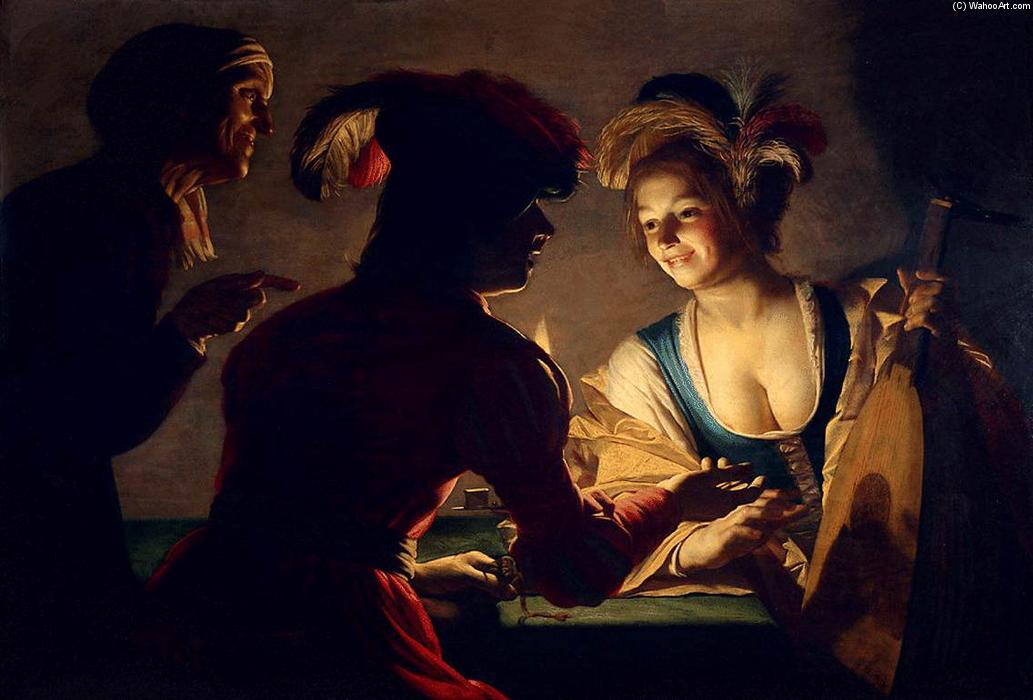
- Procurorul
 Comandă reproducere pictată Cumpără imaginea
 Trimite
 Distribuie
 Details
 Adaugă la favorite

 Descarcă
 Similare
 X-Ray
X-Ray
 Diaporama
Procurorul
 Acrilic pe pânză
- Artă de perete
- Dutch Baroque
 1625
1625 71.0 x 104.0 cm
 Centraal Museum
 Vezi mai mult
Giclée / Imprimare artistică
Print giclée sau pe canvas de calitate muzeală, cu producție rapidă și opțiuni flexibile de finisare.




P118B $10

P118H $10

P118W $10

P438Z $10

P508JH $12

P508YH $12

P805H $10

P805Z $10

P919BZ $10

P919G $10

P919XJ $10

P959ZH $10

P968JZ $12

W106C $8

W218G $10

W218JH $8

W218Y $10

W307PJ $10

W316G $10

W316PJ $8

W316Y $10

W398PJ $8

W4111J $10

W500HY $15

W500JH $15

W692G $12

W849H $8

W940BG $15

W953PJ $8




Alegeți dintre dimensiunile noastre prestabilite, care respectă proporțiile originale ale operei de artă.

Puteți introduce propriile dimensiuni pentru a se potrivi unui anumit cadru sau spațiu. Dacă dimensiunea selectată nu corespunde proporțiilor imaginii originale, vom decupa lucrarea de artă sau vom extinde imaginea cu margini oglindite sau cu o culoare uniformă. Un mockup digital va fi trimis pentru aprobarea dumneavoastră înainte de începerea producției.
Vă rugăm să rețineți că previzualizarea de pe ecran nu reflectă decuparea sau extinderea reală. Doar mockup-ul va arăta cu exactitate compoziția finală.
Deși dimensiunile personalizate sunt disponibile, vă recomandăm să selectați o dimensiune din lista predefinită pentru a păstra proporțiile originale.
Livrare în întreaga lume () în 2 săptămâni, în loc de cele 4/5 săptămâni standard. (2 Iulie)

Livrare expres gratuită la nivel mondial

Pânză de in de înaltă calitate

Asigurare completă pentru transport

Garanție de rambursare a taxelor vamale

Garanția fidelității culorilor

Politica de retur de 60 de zile (doar pentru defecte)

Garanție 100% de rambursare

Reducere la comenzi multiple
 Opțiunea cu sticlă este disponibilă doar pentru dimensiuni de sub 110 cm

Procurorul
Giclée / Imprimare artistică
Dimensiune reproducere
-


Preț total calculat
-
Descriere obiect de colecție
Un Dramaturg al Luminii și Umbrelor: Gerard van Honthorst și „Procurorul”
Gerard van Honthorst nu a fost doar un pictor; el a fost un maestru în arta iluminării, un sculptor cu pensula care a capturat esența emoțiilor și teatralitatea epocii sale. Născut în Utrecht în anul 1592, acesta avea deja o pregătire solidă în domeniul picturii decorative datorită tatălui său, ceea ce îl ajuta să își dezvolte talentul sub îndrumarea lui Abraham Bloemaert. Cu toate acestea, adevăratul punct de cotitură în cariera sa artistică a fost călătoria în Roma din anul 1615, locul unde a fost fascinat de operele inovatoare ale lui Caravaggio – o experiență care să-i ofere numele evocator „Gherardo delle Notti”, sau Gerard de Noapte și care să îl definească stilul său caracteristic. În Roma, Honthorst nu doar că a admirat Caravaggio, ci l-a absorbit în totalitate, fiind profund influențat de tehnica tenebrismului – utilizarea magistrală a contrastelor puternice între lumină și întuneric. Această abordare artistică radicală nu era doar o copie simplistă; ea reprezenta o îmbinare inteligentă cu tradițiile locale și îl transforma pe Honthorst într-o voce distinctivă în cadrul artei italiene Baroque. Caravaggio îl învățase să creeze opere impresionante prin intermediul unei iluminări dramatice, concentrată asupra figurilor principale și amplificând astfel emoția și teatralitatea scenei. Acest stil unic avea să devină semnătura lui Honthorst pentru toate cele peste două sute de picturi realizate ulterior. „Procurorul” este un exemplu perfect al acestei măiestrie. Executat în ulei pe lemn în anul 1625, acest tablou nu este doar o reprezentare fidelă a unei scene istorice; el este o demonstrație impresionantă a talentului lui Honthorst și a înțelegerii sale profunde a principiilor estetice ale vremii. În centrul tabloului se află trei personaje principale: o femeie îmbrăcată într-o rochie roșie opulentă, ornată cu plume impresionante, un bărbat purtând o haină neagră elegantă și încă una alta femeie în robe albastre și albe sofisticate. În cadrul acestei compoziții complexe, Honthorst aplică cu măiestrie tehnica tenebrismului, creând un efect dramatic prin intermediul unei iluminări puternice care pune în evidență expresiile figurilor și creează contraste puternice între lumină și umbre. Acest lucru nu doar că îmbogățește experiența vizuală a privitorului, ci și transmite emoții intense și sugerează semnificații simbolice profunde. În cadrul tabloului este prezentată o cameră întunecată cu fereastră pe partea stângă, iluminată în mod teatral de lumina unei candele. Această alegere atent calculată nu doar că creează atmosfera unei scene nocturne autentice, ci și accentuează rolul luminii în exprimarea emoțiilor și în transmiterea mesajului artistului. În plus, detalii precum draperia întunecată și expresiile figurilor contribuie la crearea unui efect teatral puternic și la implicarea emoțională a privitorului în narațiunea picturii. „Procurorul” este mai mult decât o simplă reprezentare grafică; el este o operă de artă care invită la reflecție asupra unor teme importante precum puterea, corupția și relațiile dintre oameni – subiecte comune în operele lui Honthorst și în arta lui Caravaggio. În cele din urmă, această pictură rămâne un testament al geniului artistic al unui maestru al iluminării și umbrelor și o adevărată bijuterie a artei italiene Baroque.Opere de artă similare


Biografie artist
A Master of Light and Shadow: The Life and Art of Gerard van Honthorst
Gerard van Honthorst emerged from Utrecht in 1592, a pivotal figure poised to illuminate the Dutch Golden Age with his dramatic artistry. Initially guided by his father, a decorative painter, young Gerard’s talent blossomed under the tutelage of Abraham Bloemaert, establishing a solid foundation in draftsmanship and composition. However, it was a transformative journey to Rome that irrevocably altered the course of his artistic development. There, amidst the fervent energy of the Italian Baroque, he encountered the groundbreaking work of Caravaggio – an encounter that would define his signature style and earn him the evocative nickname “Gherardo delle Notti,” or Gerard of the Nights. The dramatic use of tenebrism, a technique employing stark contrasts between light and dark, became Honthorst’s hallmark, imbuing his canvases with a palpable sense of drama and emotional intensity. He wasn't merely imitating Caravaggio; he was translating the Italian master’s innovations into a distinctly Dutch sensibility, focusing on intimate scenes illuminated by artificial light sources – candles, lamps, and fires – creating an atmosphere both realistic and deeply theatrical. This mastery over light wasn’t simply technical skill; it was a means of revealing character, of drawing the viewer into the emotional core of each scene.From Roman Acclaim to Dutch Mastery
Honthorst's time in Rome was marked by considerable success and patronage. He found favor amongst the city’s elite, including Vincenzo Giustiniani, for whom he created the powerful “Christ Before the High Priest,” a work that exemplifies his masterful command of light and shadow. This painting, now residing in London’s National Gallery, showcases not only his technical skill but also his ability to convey profound psychological depth within his figures. The scene depicts Christ calmly awaiting judgment before the high priest, bathed in a dramatic spotlight while the surrounding figures are plunged into darkness – a masterful use of light that emphasizes Christ's divinity and vulnerability. He further solidified his reputation by working for Cosimo II de’ Medici, Grand Duke of Tuscany, demonstrating an adaptability and versatility that would serve him well throughout his career. Honthorst’s ability to capture not just physical likeness but also the character and social standing of his sitters made him highly sought after by wealthy merchants, nobles, and even royalty. He became president of the Guild of St. Luke in Utrecht in 1623, a testament to his growing influence within the artistic community. This period saw a flourishing of commissions, allowing Honthorst to refine his style and establish a distinctive voice within Dutch painting.The Utrecht Caravaggisti: A Distinctly Dutch Interpretation
Honthorst was a key figure in the *Utrecht Caravaggisti* movement – a group of Dutch painters who embraced Caravaggio’s dramatic realism and tenebrism. Alongside artists like Hendrick ter Brugghen and Dirck van Baburen, he helped to establish a distinctly Dutch interpretation of Italian Baroque style. The Utrecht Caravaggisti didn't simply copy Caravaggio; they adapted his techniques to suit the Dutch aesthetic, often emphasizing genre scenes – everyday life, bustling marketplaces, and lively tavern gatherings – illuminated by candlelight or fireplace light. This created a unique atmosphere, blending the intensity of Italian drama with the pragmatic realism of the Netherlands. Their work reflected a fascination with human emotion, moral dilemmas, and the complexities of social interaction. Honthorst’s emphasis on these themes, combined with his masterful use of light and shadow, cemented his place as one of the most important artists of the movement.A Courtly Artist: Commissions and Collaborations
The reach of Honthorst’s talent extended beyond the Netherlands. His work attracted the attention of Sir Dudley Carleton, who enthusiastically recommended him to prominent English aristocrats like the Earl of Arundel and Lord Dorchester. This led to commissions from Queen Elizabeth of Bohemia, sister of Charles I, who employed him as both a painter and drawing master for her children. These royal connections culminated in significant works such as the allegorical depiction of Charles and Henrietta Maria as Diana and Apollo, a grand composition that showcased Honthorst’s ability to create complex narratives and dramatic scenes. He also worked on portraits of members of the English court, capturing their personalities with remarkable skill and insight. Furthermore, Honthorst's willingness to collaborate with other artists – notably Peter Paul Rubens during a visit to Utrecht – speaks to his open-mindedness and artistic generosity. These collaborations weren’t simply about sharing workload; they were intellectual exchanges that enriched the artistic landscape.Legacy and the Enduring Power of Light
Gerard van Honthorst’s influence resonated far beyond his lifetime. He was a pivotal figure in Dutch art history, bridging the gap between Italian Baroque innovation and the developing national style. His paintings continue to captivate audiences today, not only for their technical brilliance but also for their emotional depth and dramatic power. His ability to seamlessly blend Italian influences with Dutch sensibilities ensured his lasting legacy, inspiring generations of artists who followed. He died in Utrecht in 1656, leaving behind a body of work that continues to illuminate the artistic landscape and remind us of the profound beauty and evocative potential of light and shadow. His works are a testament to his skill as a painter and a keen observer of human nature – a true master of his craft.
Gerard van Honthorst
1590 - 1656 , Olanda
Detalii rapide
- Artistic Movement Or Style: Baroc, Caravagism
- Artists Or Movements Influenced By This Artist: ['Utrecht Caravaggisti']
- Artists Who Influenced This Artist: ['Caravaggio']
- Date Of Birth: 1592
- Date Of Death: 1656
- Full Name: Gerard van Honthorst
- Nationality: Olandez
- Notable Artworks:
- Christ Înaintea Preotului
- Prăznuirea Cinasului
- Place Of Birth: Utrecht, Olanda
Articole conexe

Shadows of Drama: Exploring the Artistic Power & Historical Context of Tenebrism
Explore the captivating world of tenebrism! Discover Caravaggio's revolutionary techniques, its spread across Europe, & lasting influence on Baroque art. A comprehensive guide for art enthusiasts.

Barocul în Splendoare: Cele Mai Reprezentative 10 Capodopere Artistice | ArtsDot.ro
Descoperă splendoarea Barocului! Explorează cele mai importante 10 capodopere ale lui Caravaggio, Rembrandt și Rubens. Află poveștile din spatele picturilor iconice și adu eleganța clasică în casa ta cu reproduceri de artă premium pe ArtsDot.ro

De la Autoportret Digital la Portret de Studio: O Renaștere Modernă a Tehnicii Uleiului
Descoperă renașterea portretului realizat manual! Comandă un portret ulei unic de la artiști talentați. Investește într-o operă de artă autentică, cu valoare culturală și emoțională. Ghid complet & consultanță gratuită.

Rembrandt van Rijn: A Life Illuminated – Innovation, Emotion, and the Dutch Golden Age
Explore the life & art of Rembrandt van Rijn, a Dutch Golden Age master. Discover his innovative techniques, iconic paintings like 'The Night Watch', and enduring legacy. Expert insights for collectors & enthusiasts.

Gerard ter Borch: Intimacy & Light in the Dutch Golden Age
Explore the captivating world of Gerard ter Borch, a master of Dutch Golden Age genre painting. Discover his intimate scenes, masterful light, and lasting influence on art history. Learn more at ArtsDot.


