
- Acasă

- Reproducere Tablou în Ulei
- Emily Carr
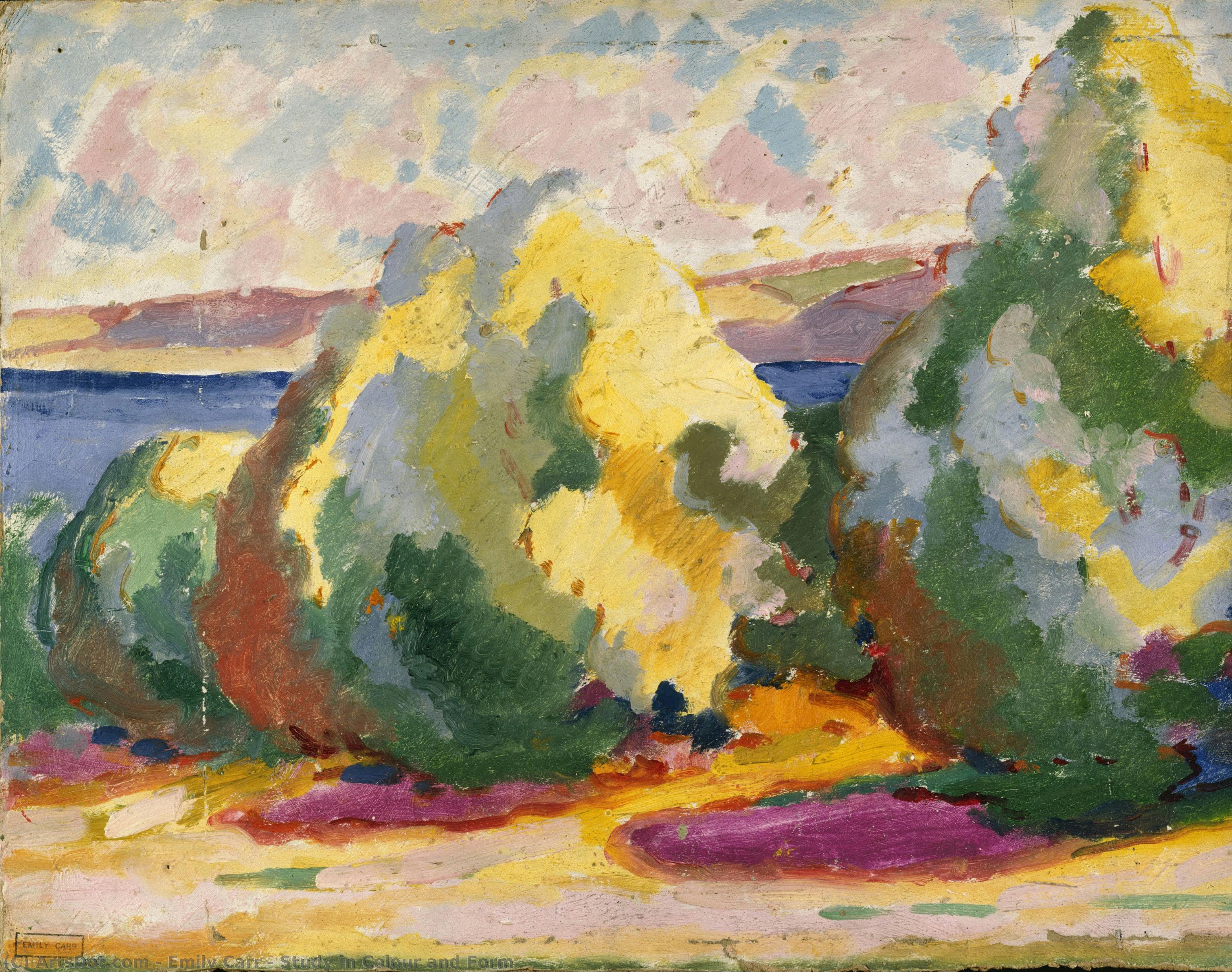
- Studiu în culoare și formă
 Comandă tipăritul Cumpără imaginea
 Trimite
 Distribuie
 Details
 Adaugă la favorite

 Descarcă
 Similare
 X-Ray
X-Ray
 Diaporama
Studiu în culoare și formă
 Acrilic pe pânză
- Artă de perete
- Post-Impressionism
 36.0 x 28.0 cm
 Royal BC Museum
Reproducere manuală în ulei
Pictură în ulei pe pânză, pictată manual, la dimensiunea și ramele dorite de dumneavoastră, realizată la comandă de artiștii noștri.




P118B $10

P118H $10

P118W $10

P438Z $10

P508JH $12

P508YH $12

P805H $10

P805Z $10

P919BZ $10

P919G $10

P919XJ $10

P959ZH $10

P968JZ $12

W106C $8

W218G $10

W218JH $8

W218Y $10

W307PJ $10

W316G $10

W316PJ $8

W316Y $10

W398PJ $8

W4111J $10

W500HY $15

W500JH $15

W692G $12

W849H $8

W940BG $15

W953PJ $8




 Citește mai mult
Alegeți dintre dimensiunile noastre prestabilite, care respectă proporțiile originale ale operei de artă.

Puteți introduce propriile dimensiuni pentru a se potrivi unui anumit cadru sau spațiu. Dacă dimensiunea selectată nu corespunde proporțiilor imaginii originale, vom decupa opera de artă sau vom extinde pictura cu elemente suplimentare pictate manual. O simulare digitală vă va fi trimisă pentru aprobare înainte de începerea producției.
Vă rugăm să rețineți că previzualizarea de pe ecran nu reflectă decuparea sau extinderea reală. Doar macheta va arăta cu exactitate compoziția finală.
Deși sunt disponibile dimensiuni personalizate, vă recomandăm să selectați o dimensiune din lista predefinită pentru a păstra proporțiile originale.
După plasarea comenzii, echipa ArtsDot.com va trimite clientului instrucțiuni prin e-mail și îi va furniza o previzualizare a machetei
Livrare în întreaga lume () în 3/4 săptămâni, în loc de cele 5 săptămâni standard. (1 Iulie). Fără compromisuri în ceea ce privește calitatea.

Livrare expres gratuită la nivel mondial

Pânză de in de înaltă calitate

Asigurare completă pentru transport

Garanție de rambursare a taxelor vamale

Garanția fidelității culorilor

Politica de retur de 60 de zile (doar pentru defecte)

Garanție 100% de rambursare

Reducere la comenzi multiple
 Opțiunea cu sticlă este disponibilă doar pentru dimensiuni de sub 110 cm

Studiu în culoare și formă
Tehnică de reproducere
Dimensiune reproducere
-


Preț total calculat
-
Descriere operă de artă
Studiu în culoare și formă – O explorare a esteticii lui Emily Carr
Emily Carr (1871-1945) nu este doar o pictoriță; ea este un jurnalist al unei lumi schimbătoare, o observatoare pasionată atât de măreția naturală a regiunii Pacificului Nord American, cât și de bogata moștenire culturală a populațiilor indigene ale acesteia. Viața ei s-a desfășurat în cadrul unei țări canadieni în schimbare, una confruntându-se cu identitatea sa și relația cu populațiile sale indigene. Fiica lui Richard și Emily Carr, emigranți englezi care căutau oportunități într-o colonie în creștere, a crescut într-un mediu familial valoros atât tradiția cât și progresul. Această dualitate ar fi influențat profund viziunea ei artistică. Dès la început, încurajată de tatăl său, Emily Carr a demonstrat un talent remarcabil pentru artă, un talent hrănit prin educație formală și o conexiune profundă cu peisajul înconjurător. Boscii impresionanți ai Insulei Vancouverului, coasta abruptă și viața vibrantă din jurul lor au devenit surse constante de inspirație pentru creațiile sale artistice. Carr nu a fost doar influențată de natură; ea era fascinată și de cultura populațiilor indigene ale BC, în special de tradițiile și simbolurile acestora. Această fascinație este evidentă în multe dintre operele sale, unde elementele naturale sunt reprezentate cu o atenție meticuloasă la detalii și culoare, iar simbolismul cultural este integrat subtil în compoziție. În studiile sale despre peisaj și natură, Carr nu doar căuta să reprezinte frumusețea lumii exterioare, ci și să comunice emoții puternice și să transmită mesaje importante despre relația dintre om și natură. Această abordare este caracteristică stilului său unic și îl diferențiază de mulți alți artiști contemporani. Carr a fost una dintre cei mai importanți reprezentanți ai Mișcării Picturale Scotiane Coloriste, un curent artistic inovator care a revoluționat percepția asupra culorilor și luminii în pictură. Această mișcare a fost influențată puternic de impresionism și expresionism german, dar Carr a reușit să creeze un stil propriu, caracterizat printr-o culoare intensă și vibrantă și printr-o tehnică inovatoare care combina elemente ale picturii tradiționale cu abordări moderne. În studiile sale despre formă și spațiu, Carr a folosit tehnici complexe pentru a crea imagini puternice și emoționale, folosind linii fluide și curbe pentru a reprezenta peisajele și obiectele în mod realist și expresiv. Această tehnică este rezultatul unei observații atentizate asupra naturii și unei înțelegeri profunde a principiilor estetice ale Mișcării Picturale Scotiane Coloriste. În concluzie, Studiul în culoare și formă reprezintă o mărturie impresionantă a talentului lui Emily Carr și a pasiunii ei pentru artă și natură. Este un exemplu excelent de stil pictural inovator și emoțional puternic, care continuă să inspire artiști și colecționari din întreaga lume. Reproducerea atent realizată oferă oportunitatea unei experiențe estetice autentice și permite admiratorilor să înțeleagă profunzimea mesajului transmis de această operă artistică emblematică.Opere de artă similare


Biografie artist
A Life Rooted in the Landscape and Spirit of British Columbia
Emily Carr, born December 13, 1871, in Victoria, British Columbia, was more than just a painter; she was a chronicler of a changing world, a passionate observer of both the natural majesty of the Pacific Northwest and the rich cultural heritage of its First Nations peoples. Her life unfolded against the backdrop of a rapidly evolving Canada, a nation grappling with its identity and relationship to its Indigenous populations. The daughter of Richard and Emily Carr, English immigrants who sought opportunity in the burgeoning colony, she grew up in a household that valued both tradition and progress. This duality would profoundly shape her artistic vision. From an early age, encouraged by her father, Emily displayed a remarkable aptitude for art, a talent nurtured through formal instruction and a deep connection to the surrounding landscape. The imposing forests of Vancouver Island, the rugged coastline, and the vibrant life within them became enduring sources of inspiration – not merely as subjects for observation, but as embodiments of a spirit she felt compelled to capture. However, it was not merely the visual beauty that captivated Carr; she sought to convey the *spirit* of this land, its inherent power and mystery, an essence far deeper than simple representation.Forging a Unique Artistic Voice
Carr’s artistic journey was one of continuous exploration and refinement. She initially pursued formal training at the San Francisco Art Institute (1890-1892), immersing herself in the vibrant American art scene, and later at the Westminster School of Art in London (1899), absorbing the currents of European artistic movements – particularly Impressionism and Post-Impressionism. Yet, despite these influences, she found herself increasingly drawn back to her native British Columbia, recognizing that true artistic expression lay not in imitation but in authentic representation of her own experience, her own unique connection to the land and its people. Early works often reflected a more conventional style, influenced by European techniques, but Carr quickly began to develop a distinctive approach – one characterized by bold colors, dynamic brushstrokes, and an almost visceral energy. This shift was profoundly shaped by her encounters with the First Nations communities along the British Columbia coast. She embarked on extensive journeys, traveling through remote villages and documenting their way of life with meticulous detail and genuine respect. These weren’t simply portraits; they were attempts to capture the essence of a culture deeply intertwined with the natural world – a worldview where humans and nature existed in a symbiotic relationship. A pivotal moment in her development came through these firsthand experiences, moving beyond mere observation to a deeper understanding of the spiritual significance embedded within First Nations art and traditions. She began to incorporate elements of their symbolism into her paintings, not as literal depictions but as expressions of underlying values – respect for nature, reverence for ancestors, and a profound connection to the spirit world. Carr’s style evolved dramatically, moving away from academic realism towards a more expressive and subjective approach. Her brushstrokes became looser, her colors more vibrant, and her compositions increasingly dynamic, reflecting the energy and vitality of the landscapes she depicted. She experimented with techniques like impasto – applying thick layers of paint to create texture and depth – further enhancing the sense of movement and immediacy in her work.Modernism and the Expression of Inner Vision
Emily Carr stands as a pioneering figure in Canadian Modernism, embracing new forms of expression while remaining deeply rooted in her own unique perspective. She wasn’t content to merely replicate what she saw; instead, she sought to convey the emotional and spiritual essence of her subjects – not just their appearance, but their *feeling*. This led her to experiment with increasingly abstract compositions, employing bold colors and dynamic brushstrokes to create a sense of movement and texture. Her canvases often pulsate with energy, reflecting the raw power of the natural world and the vibrant life force of the First Nations communities she depicted. Kispiox Village, for example, is not simply a representation of a village scene; it’s an evocation of its atmosphere, its history, and its spiritual significance – a feeling of ancient wisdom and enduring strength. Carr wasn't afraid to challenge conventional artistic norms, pushing boundaries and forging her own path. This commitment to artistic independence would inspire generations of Canadian artists to come.Major Works and Lasting Legacy
Emily Carr’s oeuvre is characterized by a remarkable diversity of subject matter, reflecting her lifelong fascination with the landscapes and cultures of British Columbia. Some of her most celebrated works include:- Tanoo (watercolor): A delicate yet powerful depiction of First Nations life, showcasing Carr’s mastery of watercolor techniques and her ability to capture the subtle nuances of Indigenous culture.
- A Haida Village (oil): A striking oil painting that captures the architectural grandeur and spiritual significance of a Haida village – a testament to Carr's understanding of both form and feeling.
- The Indian Church (oil): A poignant representation of the intersection between Indigenous culture and Christian missionary influence, reflecting Carr’s complex engagement with colonial history and her desire to document a rapidly changing world.
- Kispiox Village (oil): An iconic painting that embodies Carr's unique style and her deep connection to the landscapes and communities of British Columbia – a vibrant celebration of life and spirit.

Emily Carr
1871 - 1945 , Canada
Detalii rapide
- Artistic Movement Or Style: Modernism, Post-Impressionism
- Artists Or Movements Influenced By This Artist: ['Pegi Nicol Macleod']
- Date Of Birth: Dec 13, 1871
- Date Of Death: Mar 2, 1945
- Full Name: Emily Carr
- Nationality: Canadian
- Notable Artworks:
- Tanoo
- A Haida Village
- The Indian Church
- Place Of Birth: Victoria, Canada
Articole conexe
Henry Marvell Carr: A Study in American Impressionism's Evolving Landscape of Light and Form
Explore the captivating work of Henry Marvell Carr, a pivotal figure in American Impressionism. Discover his evocative realism, war art, and cultural depictions – a journey through light, form, and legacy.


Stephen Bone: A Reassessment of Colour, Form & the British Neo-Romantic Landscape Tradition
Explore the vibrant world of Stephen Bone (1904-1958), a key figure in British Neo-Romanticism. Discover his captivating landscapes, impactful war art & unique artistic style. Learn about his life, influences & legacy.

Brian Hatton: A Study in Early 20th-Century British Landscape Painting & Rural Identity
Explore the captivating landscapes & portraits of Brian Hatton (1887-1916), a promising British artist lost too soon. Discover his unique style, Herefordshire roots, and lasting legacy in early 20th-century art.

Reginald Grenville Eves: Bridging Portraiture & Modern British Landscape Painting
Explore the life & work of Reginald Grenville Eves, a leading British portraitist who transitioned to captivating landscape painting. Discover his legacy and prominent works at ArtsDot.

John Piper: A Spiritual Vision of British Landscape & Modernism's Embrace
Explore the captivating world of John Piper, a celebrated British painter whose evocative landscapes & iconic church art captured the spirit of his time. Discover his legacy and find high-quality reproductions at ArtsDot.



