
- Acasă

- Reproducere Tablou în Ulei
- El Greco
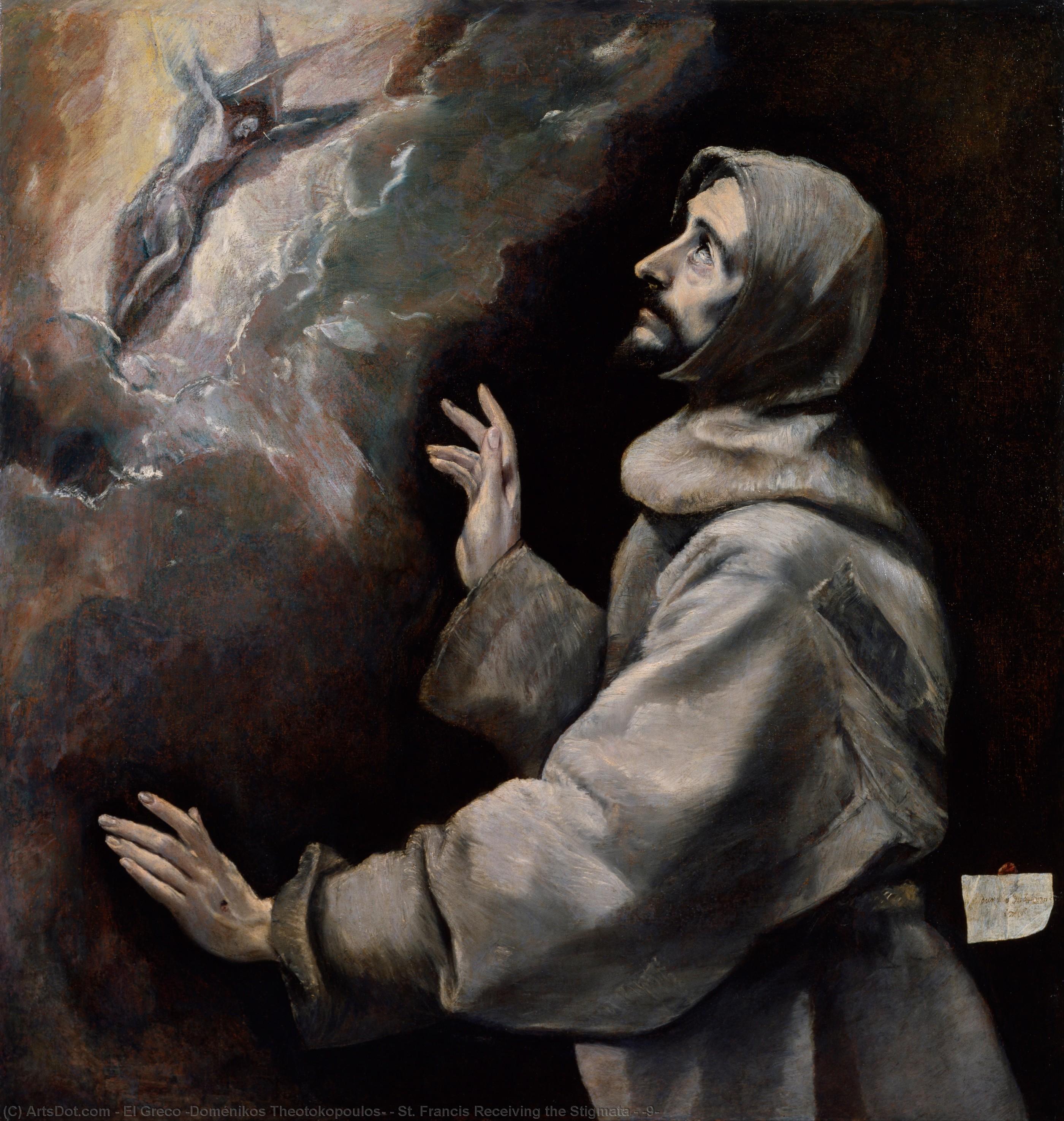
- St. Francis Receiving the Stigmata - (9)
 Comandă tipăritul Cumpără imaginea
 Trimite
 Distribuie
 Details
 Adaugă la favorite

 Descarcă
 Similare
 X-Ray
X-Ray
 Diaporama
St. Francis Receiving the Stigmata - (9)


Reproducere manuală în ulei
Pictură în ulei pe pânză, pictată manual, la dimensiunea și ramele dorite de dumneavoastră, realizată la comandă de artiștii noștri.




P118B $10

P118H $10

P118W $10

P438Z $10

P508JH $12

P508YH $12

P805H $10

P805Z $10

P919BZ $10

P919G $10

P919XJ $10

P959ZH $10

P968JZ $12

W106C $8

W218G $10

W218JH $8

W218Y $10

W307PJ $10

W316G $10

W316PJ $8

W316Y $10

W398PJ $8

W4111J $10

W500HY $15

W500JH $15

W692G $12

W849H $8

W940BG $15

W953PJ $8




 Citește mai mult
Alegeți dintre dimensiunile noastre prestabilite, care respectă proporțiile originale ale operei de artă.

Puteți introduce propriile dimensiuni pentru a se potrivi unui anumit cadru sau spațiu. Dacă dimensiunea selectată nu corespunde proporțiilor imaginii originale, vom decupa opera de artă sau vom extinde pictura cu elemente suplimentare pictate manual. O simulare digitală vă va fi trimisă pentru aprobare înainte de începerea producției.
Vă rugăm să rețineți că previzualizarea de pe ecran nu reflectă decuparea sau extinderea reală. Doar macheta va arăta cu exactitate compoziția finală.
Deși sunt disponibile dimensiuni personalizate, vă recomandăm să selectați o dimensiune din lista predefinită pentru a păstra proporțiile originale.
După plasarea comenzii, echipa ArtsDot.com va trimite clientului instrucțiuni prin e-mail și îi va furniza o previzualizare a machetei
Livrare în întreaga lume () în 3/4 săptămâni, în loc de cele 5 săptămâni standard. (1 Iulie). Fără compromisuri în ceea ce privește calitatea.

Livrare expres gratuită la nivel mondial

Pânză de in de înaltă calitate

Asigurare completă pentru transport

Garanție de rambursare a taxelor vamale

Garanția fidelității culorilor

Politica de retur de 60 de zile (doar pentru defecte)

Garanție 100% de rambursare

Reducere la comenzi multiple
 Opțiunea cu sticlă este disponibilă doar pentru dimensiuni de sub 110 cm

St. Francis Receiving the Stigmata - (9)
Tehnică de reproducere
Dimensiune reproducere
-


Preț total calculat
-
Descriere operă de artă
A Vision of Spiritual Transcendence: El Greco’s ‘Saint Francis Receiving the Stigmata’
Doménikos Theotokópoulos, universally known as El Greco— “the Greek”—stands apart from his contemporaries not merely as a painter but as an artist who fundamentally reshaped visual language. Born in Crete in 1541, amidst the waning influence of Byzantium and burgeoning Renaissance fervor, El Greco embarked on a prolific artistic journey that traversed Venice and Rome before anchoring him firmly in the spiritual landscape of Toledo, Spain. His legacy transcends stylistic categorization; he anticipated movements like Expressionism and Cubism centuries ahead of their time, demonstrating an unparalleled sensitivity to emotional depth and fractured forms.
El Greco’s formative years instilled within him a meticulous dedication to Byzantine iconography—a reverence for detail and a profound understanding of religious symbolism. Yet, he refused to be confined by tradition. He boldly embraced Venetian and Roman artistic currents, absorbing the dramatic chiaroscuro employed by Tintoretto and Titian, techniques that amplified visual impact through stark contrasts between light and dark. This fusion resulted in an oeuvre characterized by elongated figures, ethereal drapery, and a palpable sense of otherworldly grace—a stylistic hallmark instantly recognizable across Europe.
The Painting’s Narrative: Saint Francis's Divine Encounter
“Saint Francis Receiving the Stigmata,” completed around 1585-1590, depicts a pivotal moment in Saint Francis’s life – his profound spiritual experience of accepting Christ’s wounds. Painted in tempera on canvas, this artwork captures the saint kneeling before God, arms outstretched in supplication as if yearning for divine communion. The central focus is undeniably the stigmata—the five wounds mirroring those inflicted upon Jesus during his crucifixion—manifested prominently on St. Francis's palms. This visual representation powerfully communicates the saint’s union with Christ and underscores the core tenets of Franciscan spirituality.
Beyond the figure itself, El Greco meticulously crafted a symbolic backdrop. Two angels hover above St. Francis, embodying divine guardianship and reinforcing the sanctity of the scene. Notably, an avian creature—likely a dove—appears in the upper left corner, symbolizing peace and divine inspiration – a subtle yet significant element reflecting Renaissance humanist ideals.
Technical Brilliance: Venetian Influence & Chiaroscuro Mastery
El Greco’s masterful manipulation of chiaroscuro exemplifies his artistic prowess. The dramatic interplay of light and shadow sculpts the saint's form, creating an illusionistic depth that draws the viewer into the scene’s emotional core. This technique, honed during his Venetian sojourn, elevates the painting beyond mere representation, imbuing it with a palpable sense of drama and spiritual fervor. The meticulous layering of pigments—characteristic of tempera—further enhances the artwork's luminosity and textural richness.
A Legacy Enduring Through Reproduction
Currently housed in the Museo Capilla de San José in Toledo, Spain – alongside other masterpieces by El Greco and Alonso González De Berruguete – “Saint Francis Receiving the Stigmata” stands as a testament to the artistic achievements of the Spanish Renaissance. Its enduring appeal lies not only in its historical significance but also in its profound spiritual resonance. If you aspire to bring this iconic artwork into your home, ArtsDot.com offers exquisitely crafted oil painting reproductions that faithfully capture El Greco’s stylistic brilliance and emotional intensity.
Opere de artă similare


Biografie artist
Doménikos Theotokópoulos, called El Greco
Doménikos Theotokópoulos, known to the world as El Greco – “the Greek” – was a painter whose life and work defied easy categorization. Born in 1541 on the island of Crete, then under Venetian rule, his artistic journey led him through Venice and Rome before finding its ultimate expression in the spiritual heartland of Spain: Toledo. El Greco wasn’t merely a product of these places; he synthesized their influences into something wholly unique, a style that anticipated the emotional intensity of Expressionism and the fragmented forms of Cubism centuries later. His early training within the Byzantine tradition instilled in him a meticulous attention to detail and a profound understanding of religious iconography. This foundation, however, wouldn’t confine him. He signed his works in Greek, often appending “Krḗs” – Cretan – as a proud declaration of his origins, even as he ventured into new artistic territories. The seeds of his distinctive style were sown not just in technique but also in the fervent religious climate of his homeland and the rich tapestry of Venetian art.Early Life and Artistic Training
Little is known about Doménikos’s formative years. Records indicate that he was born in Fodele (or Candia), Crete, to a family of merchants—a fact confirmed by documents from 1566 where he appeared as “Maestrul Menegos Theotokopoulos” and with the word Κρής (“Cretan”) appended to his name. This deliberate assertion of Cretan identity speaks volumes about his sense of heritage and his desire to establish himself within the artistic traditions of Byzantium. His father, Nikolaos Zacharias Theotokópoulos, was a wealthy trader who instilled in Doménikos a love for learning and an appreciation for humanist ideals—values that would profoundly shape his intellectual development. Despite the prevailing Venetian dominance on Crete at the time, El Greco’s upbringing fostered a connection to Orthodox Christianity and Byzantine art, which served as crucial influences on his artistic vision. He began his formal training in Crete under Antonios Pizzorusso, a Venetian painter who taught him perspective and anatomical drawing—skills essential for mastering Western Renaissance techniques.Venetian Influence: Embracing Innovation
Around 1567, Doménikos embarked on a transformative journey to Venice, the epicenter of artistic innovation during the Renaissance. Immediately immersing himself in the vibrant atmosphere of the Venetian Republic, he studied the masterpieces of Titian, Tintoretto, and Veronese—artists who had revolutionized painting with their mastery of color, composition, and dramatic lighting. He absorbed their techniques, experimenting with looser brushwork and embracing the sensual qualities of oil paint. This Venetian influence is vividly apparent in his early works, such as *Saint Sebastian* (1600), where anatomical detail blends seamlessly with an almost theatrical use of light and shadow—a stylistic hallmark that would characterize much of his oeuvre. He skillfully incorporated Venetian compositional principles into his paintings, creating dynamic scenes filled with movement and emotion. Furthermore, he honed his skills in fresco painting, a technique favored by Venetian artists for decorating churches and palaces.Rome: Mannerism and Artistic Challenges
In 1570, Doménikos moved to Rome—a city teeming with artistic ambition and competition—where he established a workshop and executed a series of commissions. During his stay in Italy, he encountered the stylistic currents of Mannerism, spearheaded by artists like Parmigianino and Bronzino. Mannerist painters rejected the idealized beauty of High Renaissance art, favoring elongated figures, distorted perspectives, and sophisticated compositions that prioritized intellectual contemplation over emotional expression. While Doménikos demonstrated considerable talent within this challenging aesthetic framework, he struggled to gain widespread recognition in Rome’s competitive artistic milieu—a fact exacerbated by his inability to secure patronage from influential papal circles. Despite these difficulties, he continued to refine his technique and explore new stylistic ideas, absorbing influences from various artists and traditions.Toledo: Spiritual Synthesis and Artistic Legacy
By 1577, Doménikos settled in Toledo—a city steeped in religious fervor during the Counter-Reformation—where he received major commissions from churches and monasteries and produced his most celebrated paintings. The atmosphere of Toledo—characterized by austere piety and a fervent devotion to Catholicism—provided an ideal backdrop for El Greco’s artistic explorations. He created monumental altarpieces that conveyed profound spiritual emotion, employing dramatic lighting and expressive figures to communicate the mysteries of faith. His masterpiece, *The Burial of the Count of Orgaz* (1586-1588), exemplifies his stylistic synthesis—combining Byzantine influences with Venetian techniques and Mannerist distortions—resulting in a work of unparalleled grandeur and emotional intensity. El Greco’s distinctive style—characterized by elongated figures, intense emotion, and dramatic lighting—became a precursor to Expressionism and Cubism, influencing generations of artists who sought to convey psychological depth and visual dynamism. His legacy endures as one of the most important figures in Western art history—a visionary painter whose work continues to inspire awe and contemplation centuries after his death in 1614.
El Greco
1541 - 1614 , Grecia
Detalii rapide
- Artistic Movement Or Style: Mannerism, Barroco
- Artists Who Influenced This Artist:
- Tiziano
- Tintoretto
- Date Of Birth: 1541
- Full Name: Doménikos Theotokópoulos
- Nationality: Greacă-Spaniolă
- Notable Artworks:
- El Espolio
- St. Sebastian
- Burial of the Count of Orgaz
- View of Toledo
- Place Of Birth: Crete, Grecia
Articole conexe

Top 25 de Capodopere Uffizi: O Călătorie Artistică prin Florența Renașterii
Descoperă top 25 de capodopere renascentiste din Galleria degli Uffizi, Florența! Explorează poveștile lui Botticelli, Leonardo da Vinci și Rafael. Reproduceri artă de calitate muzeală pentru decorațiuni interioare unice pe ArtsDot.com


Raphael: Cele Mai Remarcabile 25 de Capodopere – Artă Clasică pentru Decorul Casei Tale
Descoperă cele mai frumoase 25 de picturi ale lui Raphael, maestru al Renașterii italiene! Explorează Școala din Atena, Madonnele și alte capodopere clasice. Găsește inspirație pentru decorul casei tale cu artă renascentistă de calitate muzeală pe ArtsDot.com.

El Greco: Cele Mai Reprezentative 25 De Capodopere – Artă Sacră și Decorațiuni Excepționale
Descoperă cele mai frumoase 25 de picturi El Greco! Explorează capodoperele renascentiste, stilul unic al lui Doménikos Theotokópoulos și emoțiile puternice din arta sa sacră. Reproduceri de artă de calitate muzeală pe ArtsDot.com – inspiră-ți decorul!

El Greco: Spirituality, Style & Innovation – A Renaissance Master's Legacy
Explore the captivating world of El Greco! Discover his unique style, spiritual intensity, and lasting impact on art history. Learn about this Renaissance master's life, iconic paintings & legacy.

The Enduring Legacy of Oil Paint: Technique, History & Emotional Resonance in Western Art
Explore the rich history & techniques of oil painting! Discover Renaissance masters, scientific principles behind color, and emotional resonance in art. Learn about glazing, layering, and atmospheric perspective – a guide for enthusiasts & collectors.



