
- Acasă

- Reproducere Tablou în Ulei
- Edward Steichen
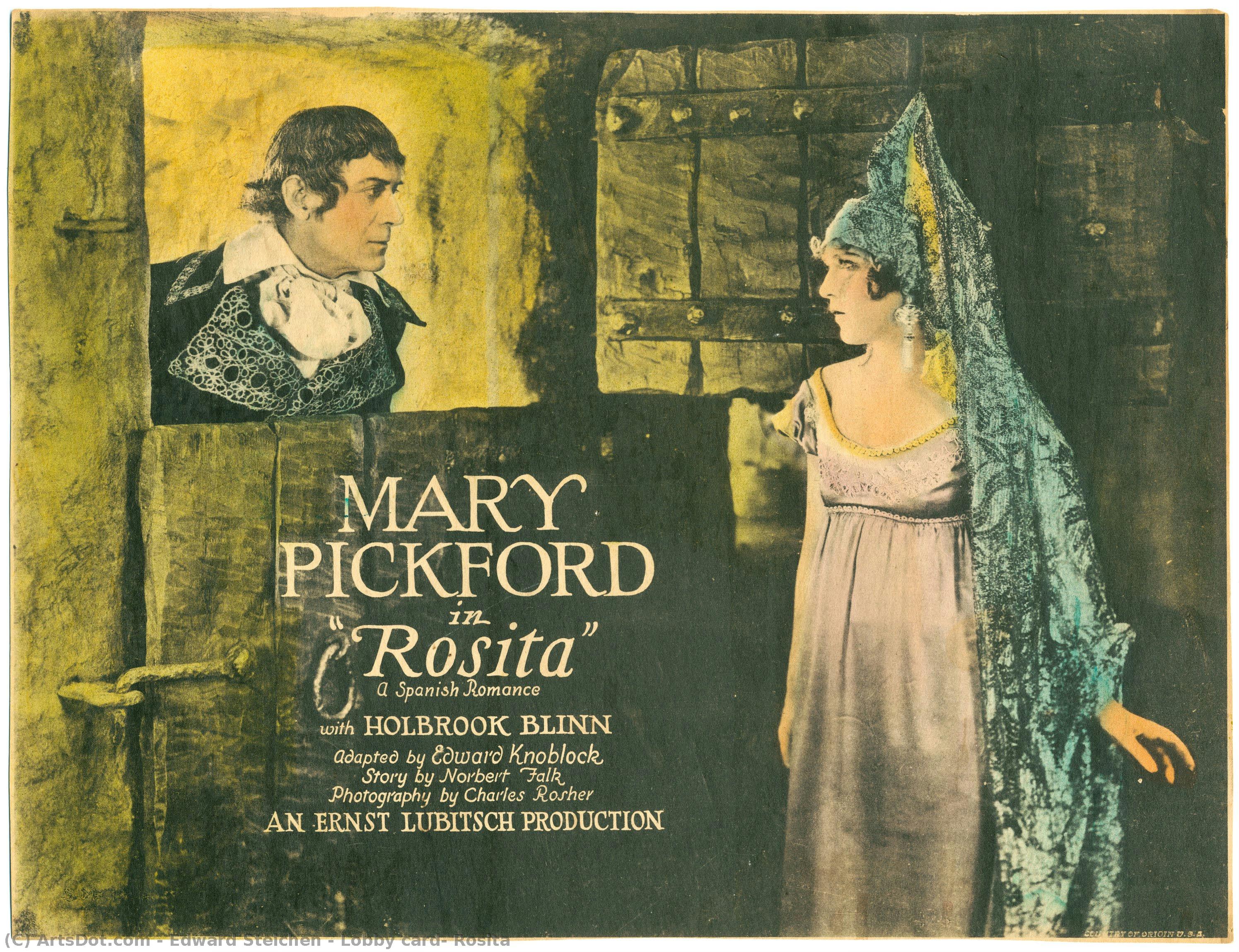
- Card de cinematograf, Rosita
 Comandă tipăritul Cumpără imaginea
 Trimite
 Distribuie
 Details
 Adaugă la favorite

 Descarcă
 Similare
 X-Ray
X-Ray
 Diaporama
Card de cinematograf, Rosita


Reproducere manuală în ulei
Pictură în ulei pe pânză, pictată manual, la dimensiunea și ramele dorite de dumneavoastră, realizată la comandă de artiștii noștri.




P118B $10

P118H $10

P118W $10

P438Z $10

P508JH $12

P508YH $12

P805H $10

P805Z $10

P919BZ $10

P919G $10

P919XJ $10

P959ZH $10

P968JZ $12

W106C $8

W218G $10

W218JH $8

W218Y $10

W307PJ $10

W316G $10

W316PJ $8

W316Y $10

W398PJ $8

W4111J $10

W500HY $15

W500JH $15

W692G $12

W849H $8

W940BG $15

W953PJ $8




 Citește mai mult
Alegeți dintre dimensiunile noastre prestabilite, care respectă proporțiile originale ale operei de artă.

Puteți introduce propriile dimensiuni pentru a se potrivi unui anumit cadru sau spațiu. Dacă dimensiunea selectată nu corespunde proporțiilor imaginii originale, vom decupa opera de artă sau vom extinde pictura cu elemente suplimentare pictate manual. O simulare digitală vă va fi trimisă pentru aprobare înainte de începerea producției.
Vă rugăm să rețineți că previzualizarea de pe ecran nu reflectă decuparea sau extinderea reală. Doar macheta va arăta cu exactitate compoziția finală.
Deși sunt disponibile dimensiuni personalizate, vă recomandăm să selectați o dimensiune din lista predefinită pentru a păstra proporțiile originale.
După plasarea comenzii, echipa ArtsDot.com va trimite clientului instrucțiuni prin e-mail și îi va furniza o previzualizare a machetei
Livrare în întreaga lume () în 3/4 săptămâni, în loc de cele 5 săptămâni standard. (1 Iulie). Fără compromisuri în ceea ce privește calitatea.

Livrare expres gratuită la nivel mondial

Pânză de in de înaltă calitate

Asigurare completă pentru transport

Garanție de rambursare a taxelor vamale

Garanția fidelității culorilor

Politica de retur de 60 de zile (doar pentru defecte)

Garanție 100% de rambursare

Reducere la comenzi multiple
 Opțiunea cu sticlă este disponibilă doar pentru dimensiuni de sub 110 cm

Card de cinematograf, Rosita
Tehnică de reproducere
Dimensiune reproducere
-


Preț total calculat
-
Descriere operă de artă
O Lobby Card Epică pentru „Rosita”: O Privire În Profunzime asupra Stilului și Simbolismului lui Edward Steichen
Edward Steichen nu este doar un nume în istoria artei americane; este o figură emblematică a unei epoci, un artist care a reușit să unească lumea picturii cu cea a fotografiei și a curatorialului. În vârstă de doar câteva luni când familia sa emigra în Michiganul de Nord, Steichen era deja sensibilizat la puterea observației și la frumusețea lumii din jurul său – calități care au devenit fundamentul stilului său unic și al pasiunii sale pentru explorarea esteticii vizuale. Această experiență timpurie a fost crucială în dezvoltarea unei sensibilități artistice puternice, influențând profund modul în care Steichen aborda subiectele și tehnica sa artistică pe parcursul întregii sale cariere.- Subiectul și Contextul Istoric: „Lobby Card, Rosita” este o reprezentare cinematografică a unei povești romantice spaniole din anul 1923, regizate de Ernst Lubitsch și protagonizate de Mary Pickford și Holtbooke Blinn. În perioada în care Steichen activa, Pictorialismul domnea în lumea fotografiei, concentrându-se pe exprimarea emoțiilor și pe explorarea esteticii artistice prin intermediul imaginii reale.
- Stilul Artistic: Lucrarea este caracterizată printr-un stil realist impresionist, folosind culori pastelate și tehnici inovatoare pentru vremea sa. Steichen era fascinat de modul în care lumina și culoarea puteau fi utilizate pentru a crea atmosfere emoționale puternice și pentru a transmite mesajele artistice.
- Tehnica Utilizată: Steichen folosește tehnici fotografice sofisticate, precum imprimarea alb-negru cu ajutorul unui proces chimic complex, pentru a obține detalii precise și tonalități subtile. Această tehnică este folosită în mod deliberat pentru a accentua atmosfera nostalgică și dramatică a imaginii.
Opere de artă similare


Biografie artist
Edward Steichen: From a Man of His Time to an Artist Out of Time
Edward Steichen, later known as Edward Steichen, was a figure who transcended simple categorization. Born in 1879 in the small village of Bivange, Luxembourg, his life became an extraordinary journey from European roots to becoming one of America’s most influential artists – not merely as a photographer, but as a painter, curator, and visionary who reshaped how we perceive visual culture. The early years were marked by a significant relocation; in 1881, the Steichen family emigrated to Hancock, Michigan, seeking new opportunities. This move instilled in young Edward a sense of displacement and perhaps, a heightened sensitivity to observation – qualities that would profoundly shape his artistic vision. Even as a child, an innate talent for drawing was evident, nurtured by supportive parents who recognized and encouraged his creative inclinations. The pivotal moment arrived at sixteen when he received his first camera, initiating a period of largely self-directed learning through relentless experimentation. This wasn’t merely about mastering technique; it was about discovering a new language, a way to capture the world with an immediacy and intimacy previously unattainable. ### Early Life and Artistic Beginnings Edward Jean Steichen (STI-kehn) was born on March 27, 1879 in Bivange, Luxembourg. He was barely 2 years old when his parents moved to the United States, from Luxembourg; two years later, their daughter Lillian was born. (She would later marry poet Carl Sandburg, with whom Steichen would become close friends.) A hardworking and precociously inquisitive boy, Steichen once took apart his Western Union delivery bicycle and put it together again; he did the same with a watch and got it to run with two pieces left over. When a teacher at his college preparatory school praised one of his drawings, his mother who owned a hat shop and was the family’s chief breadwinner after her husband’s health declined from work in the copper mines determined that her son would become a great artist. Steichen got his first camera at the age of sixteen. Eagerly, he took a roll of fifty pictures, but when the film came back, only one of them had been clear enough to print. His mother said that the one picture was so beautiful it was worth the forty-nine failures, and, bolstered by her encouragement, Steichen taught himself photography (at the time, there were no classes and few books on the subject). His formal education having ended at the age of fifteen, he was then working as an lithographer. ### Pictorialism and Alfred Stieglitz: The Dawn of Photographic Art Steichen’s artistic journey began amidst the burgeoning Pictorialist movement—an ambitious attempt to elevate photography to the status of fine art. Embracing soft focus and painterly effects, Steichen sought to evoke mood and atmosphere rather than simply documenting reality. This pursuit led him to Alfred Stieglitz, a kindred spirit who recognized Steichen’s exceptional talent. Together, they co-founded the Photo-Secession in 1902—a group dedicated to promoting photography as a legitimate art form. The publication of *Camera Work*, a highly influential photographic journal, became their platform for disseminating ideas and showcasing groundbreaking work. Stieglitz championed Steichen’s vision, insisting that photography could be treated as an artistic medium on its own terms (it should not try to imitate painting in other words). ### Photography's Transformation: From Soft Focus to Straight Photography The First World War proved catalytic—forcing Steichen to abandon the ethereal qualities of Pictorialism. Embracing instead a “Straight Photography” aesthetic—characterized by sharp focus, precise detail, and an unadorned representation of reality—Steichen reflected a broader cultural move towards modernity and a rejection of sentimentality in favor of clarity and directness. This stylistic shift signaled Steichen’s unwavering belief that photography should be treated as an artistic medium on its own terms (it shouldn't try to imitate painting). He achieved this goal by mastering the skill of Tonalism and the multi-layered color printing process known as gum-bichromate. ### Beyond Photography: Fashion, Film and Monumental Vision Steichen’s versatility extended far beyond photography. He seamlessly transitioned between fashion photography—revolutionizing the industry with his sophisticated images for *Vogue* and *Vanity Fair*, capturing not just style but also personality and emotion—documentary filmmaking (*The Fighting Lady*) during World War II, and curatorial endeavors culminating in *The Family of Man*. This monumental exhibition at MoMA cemented Steichen’s legacy as a champion of universal human experience—a testament to his conviction that photography could transcend cultural boundaries. His ability to blend artistic vision with commercial success demonstrated that creativity could thrive in diverse contexts. ### Legacy and Influence: An Enduring Impact on Visual Culture Edward Steichen died in 1973, leaving behind an extraordinary body of work that continues to inspire and provoke. He fundamentally altered perceptions of photography—elevating it from a purely technical process to a recognized art form. His pioneering fashion photography established new standards for visual storytelling within the industry. The 291 gallery played a crucial role in introducing American audiences to European modernism—challenging conventional artistic boundaries. And *The Family of Man*, with its message of shared humanity, remains profoundly relevant in an increasingly fragmented world. Steichen’s career was a testament to experimentation, innovation, and a relentless pursuit of artistic vision. He wasn't simply documenting the world; he was interpreting it, shaping it, and ultimately, changing how we see it.
Edward Steichen
1900 - 1973 , Luxemburg
Detalii rapide
- Artistic Movement Or Style: Pictorialism; Straight Photography; Fashion Photography
- Artists Or Movements Influenced By This Artist: ['Modern Art']
- Artists Who Influenced This Artist: ['Alfred Stieglitz']
- Date Of Birth: 27 martie 1879
- Full Name: Edward Jean Steichen
- Nationality: American
- Notable Artworks:
- The Pond–Moonlight
- The Flatiron
- Place Of Death: West Redding, Connecticut
Articole conexe

Beyond the Lens: Photography's Enduring Influence on Modern & Contemporary Art
Explore photography's pivotal role in shaping modern & contemporary art. Discover key movements, influential artists like Stieglitz, and expert collecting advice from ArtsDot.


Întrebări Frecvente : Imprimări Poster – Durabilitate, Comparatie cu Imprimările pe Canvas și Dimensiuni Disponibile
Descoperiți imprimările poster de calitate superioară de la ! Ghid complet pentru colecționeri: durabilitate, comparație cu canvas, dimensiuni și personalizare. Artă reproductibilă premium.
De la pânză la ecran: Explorând inspirațiile din filme și benzi desenate pentru un decor artistic
Descoperă cum filmele și benzile desenate îți pot inspira decorul! La găsești tablouri personalizate, reproduceri de calitate și sfaturi pentru un stil artistic unic. Livrare rapidă și garanție 100%!

Top 10 Capodopere ale Fotografiilor Documentare care au Definit Arta Modernă | ArtsDot.ro
Descoperă Top 10 capodopere ale fotografiei documentare care au schimbat arta! Explorează poveștile artiștilor, tehnicile și impactul emoțional al acestor imagini iconice. Reproduceri artă de calitate muzeală pe ArtsDot.ro – inspiră-ți decorul!

Echoes of Time: Exploring the Enduring Appeal & Historical Context of Vintage Art Prints
Explore the captivating world of vintage art prints! Discover their history, collecting tips & enduring appeal. Expert insights on chromolithography and building a legacy collection with ArtsDot.



