

 Comandă tipăritul Cumpără imaginea
 Trimite
 Distribuie
 Details
 Adaugă la favorite

 Descarcă
 Similare
 X-Ray
X-Ray
 Diaporama
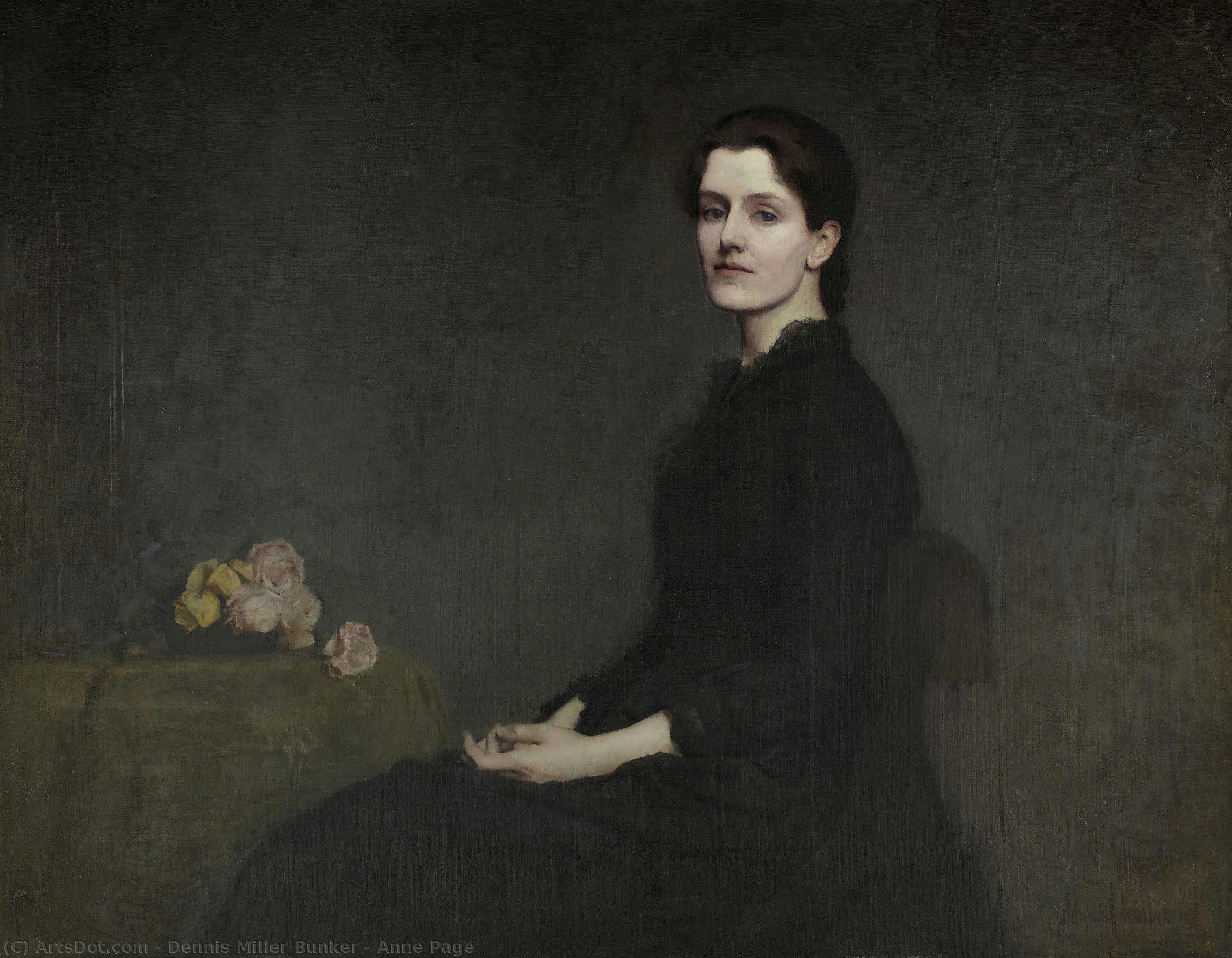
Anne Page
 Oil On Canvas
- WallArt
- American Impressionism
 1887
1887 108.0 x 137.0 cm
 Crystal Bridges Museum of American Art
Reproducere manuală în ulei
Pictură în ulei pe pânză, pictată manual, la dimensiunea și ramele dorite de dumneavoastră, realizată la comandă de artiștii noștri.




P118B $10

P118H $10

P118W $10

P438Z $10

P508JH $12

P508YH $12

P805H $10

P805Z $10

P919BZ $10

P919G $10

P919XJ $10

P959ZH $10

P968JZ $12

W106C $8

W218G $10

W218JH $8

W218Y $10

W307PJ $10

W316G $10

W316PJ $8

W316Y $10

W398PJ $8

W4111J $10

W500HY $15

W500JH $15

W692G $12

W849H $8

W940BG $15

W953PJ $8




 Citește mai mult
Alegeți dintre dimensiunile noastre prestabilite, care respectă proporțiile originale ale operei de artă.

Puteți introduce propriile dimensiuni pentru a se potrivi unui anumit cadru sau spațiu. Dacă dimensiunea selectată nu corespunde proporțiilor imaginii originale, vom decupa opera de artă sau vom extinde pictura cu elemente suplimentare pictate manual. O simulare digitală vă va fi trimisă pentru aprobare înainte de începerea producției.
Vă rugăm să rețineți că previzualizarea de pe ecran nu reflectă decuparea sau extinderea reală. Doar macheta va arăta cu exactitate compoziția finală.
Deși sunt disponibile dimensiuni personalizate, vă recomandăm să selectați o dimensiune din lista predefinită pentru a păstra proporțiile originale.
După plasarea comenzii, echipa ArtsDot.com va trimite clientului instrucțiuni prin e-mail și îi va furniza o previzualizare a machetei
Livrare în întreaga lume () în 3/4 săptămâni, în loc de cele 5 săptămâni standard. (1 Iulie). Fără compromisuri în ceea ce privește calitatea.

Livrare expres gratuită la nivel mondial

Pânză de in de înaltă calitate

Asigurare completă pentru transport

Garanție de rambursare a taxelor vamale

Garanția fidelității culorilor

Politica de retur de 60 de zile (doar pentru defecte)

Garanție 100% de rambursare

Reducere la comenzi multiple
 Opțiunea cu sticlă este disponibilă doar pentru dimensiuni de sub 110 cm

Anne Page
Tehnică de reproducere
Dimensiune reproducere
-


Preț total calculat
-
Descriere operă de artă
A Fleeting Glimpse of Boston Society: Dennis Miller Bunker’s “Anne Page”
Dennis Miller Bunker's 1887 painting, "Anne Page," isn’t merely a portrait; it’s a carefully constructed tableau of late Victorian Boston society, imbued with a poignant sense of melancholy and the ephemeral beauty of youth. Bunker, a tragically short-lived artist whose career burned brightly before his untimely death in 1890, masterfully captures a moment frozen in time – a young woman, Anne Page, poised within her domestic sphere, radiating an understated elegance that belies the complexities beneath the surface.
The painting’s composition is remarkably restrained. A dark, neutral background—almost entirely devoid of pattern or ornamentation—serves to heighten the luminosity of the subject and draw the viewer's eye directly to Anne Page herself. She occupies a central position within a modestly furnished room, her posture relaxed yet dignified. Her hands rest gently in her lap, suggesting both composure and vulnerability. A cluster of pink and yellow roses sits upon a nearby dressing table – a deliberate inclusion that speaks volumes about the transient nature of beauty and the inevitable passage of time, a recurring motif in Bunker’s work.
The Impressionistic Technique: Light, Color, and Atmosphere
Bunker's technique is firmly rooted in the tenets of Impressionism, though he possesses a distinctly personal style. He employs loose brushstrokes and a delicate layering of color to create an atmospheric effect—a sense of diffused light and subtle shading that softens the edges of form. Notice how Bunker avoids sharp outlines, instead favoring a hazy, almost dreamlike quality. The use of muted tones – predominantly browns, grays, and soft blues – contributes to this overall mood of quiet contemplation. He skillfully captures the play of light on surfaces, particularly the delicate folds of Anne’s dress and the velvety texture of the roses, demonstrating an acute awareness of how light transforms our perception of reality.
- Color Palette: Dominated by earth tones with accents of pink and yellow.
- Brushwork: Loose, broken strokes create a sense of atmosphere and movement.
- Light & Shadow: Deliberate use of light to define form and evoke mood.
A Portrait of a Boston Socialite and a Hint of Unrequited Affection
Anne Page herself was a prominent figure in Boston society, known for her charm and social grace. The painting’s historical context is crucial to understanding its deeper meaning. It's widely believed that Bunker developed a romantic interest in Anne, documented through his passionate letters—a secret affair that unfolded amidst the rigid conventions of Victorian courtship. These letters reveal Bunker’s fascination with Page’s “matchless charm,” describing her as possessing an elusive quality that captivated him. The painting, therefore, can be interpreted not just as a portrait but also as a visual representation of this burgeoning affection, a silent testament to a connection that ultimately remained unfulfilled.
The inclusion of the roses—a traditional symbol of love and beauty—further reinforces this interpretation. They serve as a poignant reminder of the fleeting nature of romance and the bittersweet awareness of lost opportunities. The painting’s quiet dignity, combined with its subtle emotional undertones, elevates it beyond a simple likeness to a powerful meditation on love, loss, and the complexities of human relationships.
A Legacy of Luminosity: Bunker's Place in American Art
Dennis Miller Bunker remains a relatively obscure figure in the pantheon of 19th-century American artists. However, his work—characterized by its luminous color palettes, evocative atmosphere, and profound sensitivity to human emotion—demonstrates a remarkable artistic vision. His tragically short life cut short his career, but he left behind a small yet significant body of paintings that continue to resonate with viewers today. “Anne Page” stands as one of his most compelling achievements, offering a rare glimpse into the world of Boston society and revealing the artist’s extraordinary ability to capture both the beauty and melancholy of the human experience.
Opere de artă similare


Biografie artist
A Fleeting Glimpse of Brilliance: The Life and Art of Dennis Miller Bunker
Dennis Miller Bunker, a name perhaps less immediately recognized than those of his contemporaries like Sargent or Cassatt, nevertheless occupies a pivotal position in the narrative of American Impressionism. His tragically short life – he succumbed to meningitis at just twenty-nine years old – belies an artistic output brimming with innovation and sensitivity, a testament to a talent that burned intensely but briefly. Born in New York City in 1861, Bunker’s path toward becoming a significant painter was nurtured by a supportive family background; his father held a position with the Union Ferry Company, while his mother came from a lineage of artistic inclination through her brother, the celebrated illustrator Sol Eytinge Jr. This early exposure to creative pursuits undoubtedly played a role in shaping young Dennis's aspirations. He formally began his training at the Art Students League and the National Academy of Design in 1876, laying a foundation steeped in academic tradition that would later be beautifully disrupted by his embrace of more modern techniques.From Barbizon to Brilliance: Artistic Development and Influences
Bunker’s artistic journey was marked by a constant evolution, a willingness to absorb influences and synthesize them into something uniquely his own. A crucial period in this development came with his travels to Paris in 1882, where he studied at the École nationale supérieure des Beaux-arts under Jean-Léon Gérôme. However, it wasn’t within the confines of the studio that Bunker truly found his artistic voice. Rather, it was during excursions through France and Brittany alongside fellow artists Charles A. Platt and Kenneth R. Cranford that he encountered the Barbizon school – a group renowned for their direct observation of nature and naturalistic approach to painting. This exposure proved transformative, instilling in Bunker a deep appreciation for *plein air* painting and a commitment to capturing the subtleties of light and atmosphere. His early works reflected this influence, often depicting marine subjects like beached boats with meticulous detail honed through preparatory sketches. Yet, even within these academic exercises, hints of his future direction were emerging. The Brittany period (1883-1884) saw a shift towards softer atmospheric effects and tonal subtleties in scenes featuring church spires, cemetery crosses, and solitary trees against expansive skies. Upon returning to America, Bunker’s landscapes, particularly those painted in South Woodstock, Connecticut, began to demonstrate a bolder palette and more saturated colors – clear indicators of his burgeoning Impressionistic leanings. A pivotal friendship with John Singer Sargent further accelerated this transition; Sargent's influence encouraged Bunker to embrace brighter hues and looser brushwork, pushing him towards a style that was both innovative and deeply personal. He enrolled at the Art Students League and the National Academy of Design in 1876, laying a foundation steeped in academic tradition that would later be beautifully disrupted by his embrace of more modern techniques.Recognition and a Patron’s Embrace
Bunker’s talent did not go unnoticed by the art community. He was elected to the Society of American Artists in 1885, a significant acknowledgment of his growing reputation. That same year marked another milestone: his first solo exhibition at Noyes and Blakeslee Gallery in Boston. Simultaneously, he secured a teaching position at the Cowles Art School in Boston, where he served as chief instructor of figure and cast drawing, artistic anatomy, and composition from 1885 to 1889. This period allowed him to refine his skills while also imparting knowledge to aspiring artists. However, perhaps one of the most impactful relationships of Bunker’s career was his connection with Isabella Stewart Gardner, a prominent art collector and patroness. Gardner recognized Bunker's exceptional talent and became a valuable friend and supporter, providing both financial assistance and encouragement. This patronage allowed him greater artistic freedom and contributed to his ability to explore new avenues in his work. His 1890 exhibition at the St. Botolph Club in Boston showcased his evolving Impressionistic landscapes, further solidifying his position as a rising star within the American art world. He met Eleanor Hardy of Boston and they were married in October 1890. Returning to Boston to celebrate Christmas with the Hardy family, Bunker fell ill. On December 28 he died of heart failure, he was 29. ## His Legacy: A Painter's Brief But Brilliant Flame Dennis Miller Bunker’s artistic output, though tragically curtailed by his untimely demise, stands as a testament to the transformative potential of artistic exploration and innovation. He skillfully blended Barbizon influences with Impressionistic techniques—a daring juxtaposition that resulted in paintings imbued with both meticulous observation and vibrant emotional expression. His ability to capture fleeting moments of beauty and atmosphere cemented his place within the annals of American art history, ensuring that his work continues to inspire artists today. Bunker’s canvases are not merely representations of landscapes or portraits; they are evocative glimpses into a transient reality, illuminated by an artist who dared to embrace change while honoring tradition. His contribution to Impressionism—particularly in its early stages—served as a catalyst for subsequent generations of painters to push the boundaries of artistic convention and explore new ways of conveying emotion and experience.
Dennis Miller Bunker
1861 - 1890 , Statele Unite ale Americii
Detalii rapide
- Artistic Movement Or Style: American Impressionism
- Artists Who Influenced This Artist:
- Jean-Léon Gérôme
- John Singer Sargent
- Date Of Birth: November 6, 1861
- Date Of Death: December 28, 1890
- Full Name: Dennis Miller Bunker
- Nationality: American
- Notable Artworks:
- Eleanor Hardy Bunker
- Marshland, Medfield
- The Station
- Place Of Birth: New York City, USA
Articole conexe

Sir John Watson Gordon: A Study in Scottish Landscape Painting & Tonal Impressionism
Explore the captivating portraits of Sir John Watson Gordon, a leading Scottish master. Discover his evolution from neoclassical style to atmospheric Tonalism and influence on 19th-century British art. Learn about his iconic sitters & legacy.


Top 10 Capodopere Impresioniste: Artă, Istorie și Decor de Lux | .ro
Descoperă top 10 capodopere impresioniste de la Monet, Manet, Renoir și alți artiști geniali. Explorează istoria, tehnicile și emoțiile din spatele picturilor celebre. Reproduceri tablouri de lux pe .ro! Explorează colecția online.

De la Autoportret Digital la Portret de Studio: O Renaștere Modernă a Tehnicii Uleiului
Descoperă renașterea portretului realizat manual! Comandă un portret ulei unic de la artiști talentați. Investește într-o operă de artă autentică, cu valoare culturală și emoțională. Ghid complet & consultanță gratuită.

Impressionism: Cele Mai Frumoase Opere de Artă și Inspirație pentru Decorul Casei
Descoperă cele mai frumoase 10 opere impresioniste de la Monet, Renoir și Degas! Explorează istoria, tehnicile și culorile vibrante ale acestui stil revoluționar. Găsește inspirație pentru decorul casei tale cu reproduceri de artă de calitate muzeală pe ArtsDot.com.

Capodopere în ulei pe pânză: 10 opere care au revoluționat arta | ArtsDot.ro
Descoperă cele mai importante 10 capodopere în ulei pe pânză care au schimbat istoria artei! Explorează poveștile lui Van Gogh, Da Vinci și alți pictori renumiți. Reproduceri de artă de calitate muzeală pentru decorul perfect. Explorează colecția completă online pe ArtsDot.com!

