
- Acasă

- Reproducere Tablou în Ulei
- Caspar David Friedrich
- Cristo în Munți (Tetschen Altar)

 Comandă tipăritul Cumpără imaginea
 Trimite
 Distribuie
 Details
 Adaugă la favorite

 Descarcă
 Similare
 X-Ray
X-Ray
 Diaporama
Cristo în Munți (Tetschen Altar)
 Ulei pe pânză
- Artă de perete
- Romanticism
 1808
1808- Secolul al XIX-lea
 115.0 x 110.0 cm
 Galeria de Picturi Vechi Alte Meister
Reproducere manuală în ulei
Pictură în ulei pe pânză, pictată manual, la dimensiunea și ramele dorite de dumneavoastră, realizată la comandă de artiștii noștri.




P118B $10

P118H $10

P118W $10

P438Z $10

P508JH $12

P508YH $12

P805H $10

P805Z $10

P919BZ $10

P919G $10

P919XJ $10

P959ZH $10

P968JZ $12

W106C $8

W218G $10

W218JH $8

W218Y $10

W307PJ $10

W316G $10

W316PJ $8

W316Y $10

W398PJ $8

W4111J $10

W500HY $15

W500JH $15

W692G $12

W849H $8

W940BG $15

W953PJ $8




 Citește mai mult
Alegeți dintre dimensiunile noastre prestabilite, care respectă proporțiile originale ale operei de artă.

Puteți introduce propriile dimensiuni pentru a se potrivi unui anumit cadru sau spațiu. Dacă dimensiunea selectată nu corespunde proporțiilor imaginii originale, vom decupa opera de artă sau vom extinde pictura cu elemente suplimentare pictate manual. O simulare digitală vă va fi trimisă pentru aprobare înainte de începerea producției.
Vă rugăm să rețineți că previzualizarea de pe ecran nu reflectă decuparea sau extinderea reală. Doar macheta va arăta cu exactitate compoziția finală.
Deși sunt disponibile dimensiuni personalizate, vă recomandăm să selectați o dimensiune din lista predefinită pentru a păstra proporțiile originale.
După plasarea comenzii, echipa ArtsDot.com va trimite clientului instrucțiuni prin e-mail și îi va furniza o previzualizare a machetei
Livrare în întreaga lume () în 3/4 săptămâni, în loc de cele 5 săptămâni standard. (1 Iulie). Fără compromisuri în ceea ce privește calitatea.

Livrare expres gratuită la nivel mondial

Pânză de in de înaltă calitate

Asigurare completă pentru transport

Garanție de rambursare a taxelor vamale

Garanția fidelității culorilor

Politica de retur de 60 de zile (doar pentru defecte)

Garanție 100% de rambursare

Reducere la comenzi multiple
 Opțiunea cu sticlă este disponibilă doar pentru dimensiuni de sub 110 cm

Cristo în Munți (Tetschen Altar)
Tehnică de reproducere
Dimensiune reproducere
-


Preț total calculat
-
Descriere operă de artă
A Beacon of Faith in a Romantic Landscape
Caspar David Friedrich’s *Cross in the Mountains (Tetschen Altar)*, painted in 1808, is arguably one of the most significant works of German Romanticism. More than just a landscape, it's a profound meditation on faith, loss, and humanity’s relationship with the divine—a visual poem rendered in oil on canvas (115 x 110 cm) currently housed at the Gemäldegalerie in Dresden.Visual Description & Artistic Technique
The painting depicts a stark yet majestic scene: a weathered rock formation crowned by a life-sized crucifix, silhouetted against a dramatic sky. A dense forest of dark evergreen trees surrounds the base of the rock, anchoring the cross to the earth while simultaneously emphasizing its ascent towards the heavens. The sky is a swirling blend of purples and greys, hinting at both impending storm and ethereal beauty. Friedrich’s technique is masterful; he employs subtle gradations of light and shadow to create depth and atmosphere. His brushwork isn't about precise detail but rather evokes *feeling* – the roughness of the rock, the somber weight of the trees, the vastness of the sky. The composition deliberately lacks a traditional foreground, drawing the viewer directly into the scene and fostering a sense of awe and isolation.Historical Context &; Commission
Commissioned by the Duke and Duchess of Thun-Hohenstein for their private chapel at Schloss Tetschen (now Těšín Castle in the Czech Republic), the *Tetschen Altar* represents a pivotal moment in Friedrich’s career. Initially conceived as a sepia drawing, it was later reworked into oil paint after its public display at the Dresden Academy exhibition garnered significant attention – and debate. This commission marked a bold departure from conventional religious art; instead of depicting biblical narratives directly, Friedrich used landscape *as* the vehicle for spiritual expression. He sought to capture not merely what he saw but what he felt—a reaction deeply rooted in the burgeoning Romantic sensibility that questioned Enlightenment rationalism and embraced emotion as a path to understanding God’s presence in nature.Symbolism &; Interpretation
The symbolism within the painting is rich and layered:- The Cross: Represents Christ’s sacrifice, redemption, and enduring faith. Its placement atop the mountain symbolizes humanity's aspiration towards spiritual transcendence.
- The Mountains: Symbolize both the challenges of life's journey and humanity’s connection to something larger than itself – a powerful representation of the sublime. Friedrich believed that contemplating such grandeur could inspire humility and reverence for God’s majesty.
- The Trees: Often interpreted as symbols of mourning, resilience, and eternal life. Their dark green hue contributes to the painting's melancholic mood.
- The Sky: Reflects the emotional turmoil and spiritual yearning inherent in the human condition. The dramatic clouds suggest both divine power and a sense of melancholy.
Emotional Impact &; Legacy
*Cross in the Mountains (Tetschen Altar)* is not a painting that offers easy answers; it’s an invitation to introspection. It evokes feelings of reverence, solitude, and a deep contemplation of existence. The work resonates deeply with viewers because it taps into universal themes of faith, loss, and the search for meaning—themes that would become central to subsequent artistic movements like Symbolism and Expressionism. Friedrich's influence on artists who followed him is undeniable; he established a new aesthetic paradigm – one prioritizing emotional intensity over literal representation – shaping the visual language of Romantic art and inspiring generations of painters to explore the sublime beauty of nature as a conduit for spiritual experience. It remains a powerful testament to the enduring power of Romantic art to stir the soul and inspire contemplation. For those seeking to bring this iconic work into their space, high-quality reproductions are available, allowing you to experience the emotional depth and artistic brilliance of Friedrich’s masterpiece firsthand. Photo Description: --Overall Impression-- The artwork depicts a dramatic and ethereal scene of the crucifixion of Jesus Christ set against a mountainous landscape under a swirling, atmospheric sky. It’s a religious painting in the style of Caspar David Friedrich, characterized by Romanticism's emphasis on sublime landscapes and emotional intensity. The composition is dominated by a large, rocky outcrop upon which the cross stands prominently. A cluster of evergreen trees surrounds the base of the rock, adding depth to the scene. The sky occupies a significant portion of the image, rendered in shades of purple and pink, creating a sense of vastness and spiritual awe. Friedrich’s technique is masterful; he employs subtle gradations of light and shadow to create depth and atmosphere. His brushwork isn't about precise detail but rather evokes *feeling* – the roughness of the rock, the somber weight of the trees, the vastness of the sky. The composition deliberately lacks a traditional foreground, drawing the viewer directly into the scene and fostering a sense of awe and isolation. Perspective is somewhat flattened, typical of Romantic landscape painting, prioritizing emotional impact over strict realism. Depth is created through layering – foreground trees, mid-ground rock, and distant mountains – and atmospheric haze. The subject matter is overtly religious, depicting a pivotal moment in Christian faith. Symbolic elements include the cross representing sacrifice and redemption, and the mountainous setting symbolizing humanity’s connection to nature and the divine. Emotionally, the painting evokes feelings of reverence, melancholy, and spiritual contemplation. The technique appears to be oil on canvas, with careful attention paid to color blending and atmospheric effects. The style is firmly rooted in Romanticism, prioritizing emotional expression and the sublime power of nature over precise representation. -- Size: 115 x 110 cm Date: 1808 ARTIST INFORMATION: ================== Artist: Caspar David Friedrich Birth Year: 1774 Death Year: 1840 Birth City: Greifswald Birth Country: Germany Biography:A Solitary Vision: The Life and Art of Caspar David Friedrich
Born in the Baltic port city of Greifswald on the fifth of September 1774, Caspar David Friedrich’s life was steeped in a melancholic atmosphere that would profoundly shape his artistic vision. His early years were marked by loss – the deaths of his mother and siblings cast a long shadow, fostering a sensitivity to mortality and transience that became central themes in his work. He studied in Copenhagen 1794–1798, before settling in Dresden. He came of age during a period when, across Europe, a growing disillusionment with materialistic society was giving rise to a new appreciation of spirituality. This shift was often expressed through a reevaluation of the natural world, as artists such as Friedrich, J. M. W. Turner and John Constable sought to depict nature as a \"divine creation, to be set against the artifice of human civilization\". Friedrich's artistic journey began with an interest in theology—he pursued degrees at Leipzig University—but he abandoned academic pursuits for a more personal path. He was profoundly influenced by Johann Gottfried Quistorp, who instilled in him a belief that nature possessed inherent spiritual significance. Friedrich’s formative years were marked by the tragic loss of his brother Johann Christoffer, who perished in an accident at the age of thirteen—a trauma that fueled his preoccupation with themes of death and remembrance throughout his oeuvre. He honed his artistic skills during his time in Copenhagen, where he studied under Jens Juel and Christian August Lorentzen, absorbing the stylistic innovations of Romanticism. Friedrich’s breakthrough came with *The Wanderer Above the Sea of Fog*, completed in 1810—a painting that encapsulates the Romantic ideal of confronting sublime landscapes to achieve spiritual enlightenment. He continued to produce works exploring solitude, contemplation, and the grandeur of nature until his death in Dresden in 1840—leaving behind a legacy as one of Germany’s most iconic artists."Opere de artă similare


Biografie artist
A Solitary Vision: The Life and Art of Caspar David Friedrich
Caspar David Friedrich (n. 5 septembrie 1774, Greifswald, Pomerania suedeză(d) – d. 7 mai 1840, Dresda, Confederația Germană) a fost un pictor și desenator german, unul din cei mai importanți reprezentanți ai romantismului german în perioada sa timpurie. În vârstă de doar câteva luni după naștere, Friedrich a fost afectat de pierderi familiale semnificative – moartea mamei și a unor dintre frații săi l-au marcat profund, cultivând astfel o sensibilitate la mortalitate și trecere în timp care au devenit teme centrale în operele sale artistice. În copilărie, educația sa inițială a fost asigurată de către fratele său mai mare, Christian, în desen, iar pregătirea formală începuse la Universitatea din Leipzig, unde avea să studieze atât artă cât și teologie, fără însă să obțină niciunul dintre diplome. Această dublă interes – fascinația pentru lumea vizuală în combinație cu întrebări spirituale profunde – avea să fie crucială pentru dezvoltarea sa ca artist. Studiile ulterioare în Copenhaga au perfecționat abilitățile sale tehnice, expunându-l la tradițiile picturii peisagistice daneze și influențând astfel stilul său unic. În schimb, Friedrich nu căuta imitatie ci expresie – mijloc prin care să transmită stări emoționale interne prin intermediul limbajului naturii.Early Life and Artistic Beginnings
Friedrich s-a născut într-o familie modestă din Greifswald, oraș portuar situat în Pomerania de Nord, regiune aparținând atunci Imperiului Prussian și guvernată de familia Hohenzollern. Tatăl său era avocat și proprietar terestru, iar mama sa avea origini daneze. După moartea mamei sale în copilărie, Friedrich a fost crescut de către fratele său mai mare, Christian, care îl încuraja să își dezvolte pasiunea pentru desen și muzică. În vârstă de aproximativ 16 ani, Friedrich a început studiile la Universitatea din Leipzig, unde avea să urmeze atât drept cât și filozofie, fiind fascinat de gândirea filosofică germană și influențată puternic de operele lui Kant și Hegel. Această educație interdisciplinară îl pregătea pentru o carieră artistică inovatoare și pentru explorarea unor teme complexe legate de spiritualitate și existență umană. În timpul studiilor în Leipzig, Friedrich a fost prezent la câteva importante evenimente culturale și intelectuale ale vremii, contribuind astfel la dezvoltarea gândirii romantice germane.The Influence of Landscape Painting Traditions
Friedrich nu a fost doar un observator atent al naturii; el a fost influențat profund de tradițiile picturii peisagistice europene, în special cele ale Olandei și Belgiei. În particular, operele lui Jacob van Ruisdael și Rembrandt au avut o puternică impresie asupra lui Friedrich, inspirându-l să adopte tehnici inovatoare și să utilizeze culori subtile pentru a exprima emoții și atmosfere complexe. Friedrich nu căuta doar reprezentarea fidelă a peisajului fizic; el încerca să surprindă esența acestuia – puterea naturii, misterul existenței și conexiunea dintre om și univers. În acest sens, el avea în vedere modele estetice diferite de cele ale artiștilor clasici, care urmau reguli stricte și erau preocupați în principal de reprezentarea obiectivă a lumii exterioare. Friedrich era interesat în schimb să exploreze emoțiile și gândurile umanului prin intermediul simbolurilor naturii – o abordare caracteristică pentru romantism și diferită de cea a realismului, care urmărea reproducerea fidelă a realității obiective.The Sublime and Symbolism in His Art
Friedrich este cunoscut în special pentru utilizarea conceptului de *sublime*, termen introdus de filosoful Immanuel Kant pentru a descrie experiența emoțională provocată de contemplarea unor fenomene naturale impresionante – munți înalți, oceane vaste și furtuni puternice. Pentru Kant, sublimele erau fenomene care depășeau limitele percepției senzoriale și provoca erau emoții intense de reverență și frică, dar și sentimentul unei conexiuni profunde cu puterea infinitului. Friedrich a aplicat acest concept în operele sale artistice, încercând să transmită în picturi senzația de măreție și mister asociată naturii – experiențe emoționale puternice care îl diferențiau de artiștii clasici și precedentesi. În plus, Friedrich avea în vedere simbolismul în operele sale, folosind elemente naturale precum copaci bătrâni, stânci abrupte și întuneric pentru a reprezenta concepte filozofice și religioase importante – trecerea în timp, moartea și renașterea spirituală. Aceste simboluri erau interpretate în funcție de contextul cultural și intelectual al vremii și contribuiau astfel la exprimarea unei gândiri romantice complexe și profund emoțională.Major Achievements and Legacy
Friedrich a avut o carieră artistică prolifică, realizând peste 300 opere de artă în diferite tehnici – picturi ulei pe lemn, pasteluri și gravuri litografiate. Printre cele mai importante dintre aceste opere se numără "Abbey in the Oakwood", "Wanderer above the Sea of Fog", "Chalk Cliffs on Rügen" și "The Sea of Ice". Aceste tablouri au devenit simboluri ale romantismului german și sunt considerate unele dintre cele mai frumoase exemple ale artei lui Friedrich. În special, "Wanderer above the Sea of Fog" este cunoscut pentru atmosfera contemplativă și emoțională puternică pe care o evocă și pentru utilizarea magistrală a tehnicii *Rückenfiguren*, reprezentând figura unui bărbat în spate, privindu-și admirație panorama unei păduri acoperite de ceață. Această figură simbolizează atât umanitatea cât și puterea naturii și reprezintă unul dintre cele mai puternice expresii ale ideilor romantice despre existență și spiritualitate. Friedrich a fost apreciat în timpul vieții sale pentru talentul său artistic și pentru contribuția sa la dezvoltarea esteticii romantice germane, fiind considerat unul dintre cei mai mari pictori ai vremii sale. După moartea sa în Dresda în 1840, operele lui Friedrich au fost studiate atent de către istorici ai artei și critici literari și artistici și au devenit unele dintre cele mai importante exemple ale artei romantice europene. În prezent, Friedrich este celebrat drept unul dintre cei mai influenți artiști ai secolului XIX și este admirat pentru stilul său unic și pentru exprimarea emoțiilor puternice prin intermediul simbolurilor naturii – o abordare inovatoare care a inspirat generații de artisti și filozofi și rămâne relevantă în cultura contemporană.
Caspar David Friedrich
1774 - 1840 , Germania
Detalii rapide
- Artistic Movement Or Style: Romanticism
- Artists Who Influenced This Artist:
- Maeştri olandezi
- J.C. Dahl
- Date Of Birth: 5 septembrie 1774
- Date Of Death: 7 mai 1840
- Full Name: Caspar David Friedrich
- Nationality: German
- Notable Artworks:
- Abbey în pădurile de fag
- Drumeț peste mare de ceață
- Stâncile de calcar din Rügen
- Marea înghețată
- Place Of Birth: Greifswald, Germania
Articole conexe

The Enchanted Canopy: Exploring Forests in Art History – From Romantic Idealization to Ecological Consciousness
Explore the rich history of forests in art! Discover Romantic masterpieces by Friedrich & Monet, Symbolist depths, and contemporary visions. Find inspiration & quality reproductions at ArtsDot.


Caspar David Friedrich: Romanticism's Master of Landscape & the Sublimity of Inner Experience
Explore the profound landscapes of Caspar David Friedrich, a master of German Romanticism. Discover the symbolism, themes & enduring influence of this iconic artist. A deep dive into his life and work.
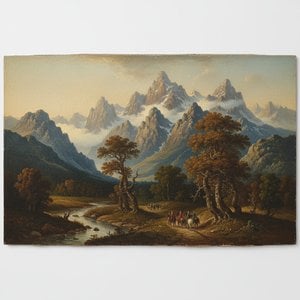
Majestic Peaks on Canvas: A Historical & Artistic Exploration of Mountains in Fine Art
Explore the history of mountain painting! Discover Romantic masterpieces & key artists like Dahl & Calame. Learn about the Sublime & Picturesque aesthetics and find your perfect artwork at ArtsDot.

Dincolo de Reproducere: Picturi în Ulei Realizate Manual – O Moștenire a Frumuseții Atemporale
Transformă amintirile în opere de artă unice cu ArtsDot! Picturi ulei realizate manual de artiști profesioniști, calitate superioară și personalizare completă. Investește într-o moștenire artistică de neprețuit. Garanție satisfacție 100%!

Top 10 Capodopere Ulei pe Lemn care au Schimbat Arta – Inspirație pentru Decor
Descoperă Top 10 capodopere ulei pe lemn care au revoluționat arta! Explorează poveștile lui Van Gogh, Monet și Rembrandt. Inspirație pentru decor interior cu reproduceri de artă clasică de calitate muzeală. Găsește tabloul perfect pe ArtsDot.com



