The Cubist names to know

Famous Cubist Pintores: Our Top 47

If you remember one Cubist pintor, make it Pablo Picasso (1881–1973), the name behind O Velho Guitarrista e Weeping Woman. After that come Georges Braque, Fernand Léger, Juan Gris e Robert Delaunay. Our 47 picks go from Carl Newman (born 1858) to Dia al-Azzawi (born 1939), from 27 countries.

How we picked them. We list the artists our catalogue links to Cubist, from the most famous down. Artists born after 1955 that we cannot yet check on Wikidata are left out. The Wikipedia number shows in how many of our 32 languages Wikipedia writes about them.

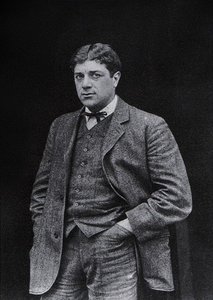
  1. O Velho Guitarrista de Pablo Picasso1Pablo Picasso
  2. Violino e Paleta de Georges Braque2Georges Braque
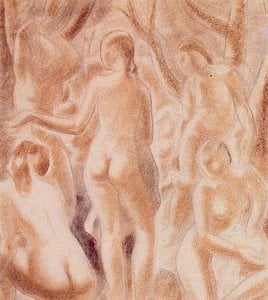
  3. Nudes in the forest, Kroller-Muller Museum, de Fernand Léger3Fernand Léger

Quick facts

Cubist in a nutshell

  • 47Artistas
  • 1858–1939Anos de nascimento
  • 27Países de origem
  • 4Mulheres
  • 1Artistas vivos
  • 7.389Obras em nosso catálogo
Cidades com mais nascimentos
Nova Iorque (2), Londres (2), Málaga (1), Argenteuil (1)

Meet them one by one

The 47 famous Cubist pintores, from most famous down

1of 47

Pablo Picasso

Espanhol From Málaga Cubismo, Surrealismo On Wikipedia in 32 of 32 languages

Pablo Picasso

Na cidade de Málaga, Espanha, um menino chamado Pablo Picasso chegou ao mundo em 25 de outubro de 1881. Ele era filho de María Picasso y López e José Ruiz Blasco, um homem que compreendia o peso de um pincel e a disciplina de uma tela. O caminho do menino afastou-se do calor de Málaga quando sua família se mudou para A Coruña, em 1891.

Works to know · Their 100 best-known works

2of 47

Georges Braque

Francês From Argenteuil ['Fauvismo', 'Cubismo', 'Cubismo Analítico', 'Cubismo Sintético'] On Wikipedia in 31 of 32 languages

Georges Braque

Georges Braque nasceu em Argenteuil, França, em 1882. Entre 1907 e 1914, Paris tornou-se o cenário de uma profunda reestruturação visual através da colaboração entre Georges Braque e Pablo Picasso. Clarinet and Bottle of Rum on the Mantlepiece (1912).

Works to know · Their 100 best-known works

3of 47

Fernand Léger

Francês From Argentan ['Cubismo', 'Tubismo', "Section d'Or", 'Purismo', 'Dadaísmo', 'Construtivismo'] On Wikipedia in 27 of 32 languages

Fernand Léger

A história de Fernand Léger começa na aldeia de Argentan, situada na região de Orne, na Baixa Normandia. Por volta de 1909, sua presença nos círculos criativos de Paris cresceu à medida que conhecia figuras como Alexander Archipenko, Jacques Lipchitz, Marc Chagall e Robert Delaunay. De 1914 a 1917, Fernand Léger serviu no Exército Francês, passando dois anos extenuantes na região de Argonne.

Works to know · Their 100 best-known works

4of 47

Juan Gris

Espanhola From Madrid Cubismo, Cubismo Sintético, Cubismo Analítico On Wikipedia in 31 of 32 languages

Juan Gris

Nascido José Victoriano González-Pérez em 23 de março de 1887, em Madrid, Espanha, o homem que viria a ser conhecido como Juan Gris cresceu em um ambiente familiar numeroso e vibrante. Entre 1904 e 1905, ele começou a formalizar sua trajetória artística ao estudar pintura sob a tutela do artista acadêmico José Moreno Carbonero.

Works to know · Their 100 best-known works

5of 47

Robert Delaunay

Francês From Paris Orphismo, Cubismo On Wikipedia in 27 of 32 languages

Robert Delaunay

Robert Delaunay, nascido em Paris em 1885, emergiu como uma figura fundamental nas mudanças artísticas radicais do início do século XX. Inicialmente, dedicou-se às artes decorativas, mas rapidamente gravitou para a pintura, exibindo-se no Salon des Indansi como cedo quanto 1904, demonstrando um talento e uma ambição florescentes.

Taught Lyonel Feininger #7

Works to know · Their 100 best-known works

6of 47

Vladimir Tatlin

Ucraniano/Russo From Moscovo Construtivismo On Wikipedia in 26 of 32 languages

Vladimir Tatlin

Vladimir Yevgrafovich Tatlin, nascido em Kharkiv, Ucrânia, em 1885, foi muito mais do que um simples artista; ele foi um arquiteto filosófico de uma nova ordem mundial, uma figura fundamental que estilhaçou as convenções da arte do início do século XX e lançou as bases para o Construtivismo.

Works to know · Their 100 best-known works

7of 47

Lyonel Feininger

Americano-alemão From Nova Iorque Expressionismo On Wikipedia in 23 of 32 languages

Lyonel Feininger

Nascimento e Família: Lyonel Charles Adrian Feininger nasceu em 17 de julho de 1871, na cidade de Nova Iorque. Educação Inicial e Viagens pela Europa: Em 1887, aos 16 anos, Feininger viajou para a Europa para estudar música, mas logo mudou seu foco para as artes, estudando desenho em Hamburgo e Berlim.

Learned from Robert Delaunay #5

Works to know · Their 100 best-known works

9of 47

Alexander Archipenko

Ucraniano-Americano From Kiev Cubismo, Vanguardista On Wikipedia in 30 of 32 languages

Alexander Archipenko

Alexander Porfyrovych Archipenko, born in Kyiv, Ukraine, on May 30, 1887, was a truly revolutionary figure in the world of sculpture. Early Influences: Archipenko’s formative years in Kyiv exposed him to a rich tapestry of artistic traditions – Ukrainian folk art, Byzantine iconography, and the classical sculptures of antiquity.

Works to know · Their 100 best-known works

10of 47

Jacques Lipchitz

Lituano-Francês-Americano From Druskininkai Cubismo, Cubismo de Cristal On Wikipedia in 17 of 32 languages

Jacques Lipchitz

Nascido como Chaim Jacob Lipschitz em 1891, na cidade lituana de Druskininkai, o caminho artístico de Jacques Lipchitz foi dramaticamente moldado pelo deslocamento e pela inovação. Foi dentro desses círculos que ele forjou amizades com luminares como Juan Gris, Pablo Picasso e Amedeo Modigliani – sendo este último famoso por capturar Lipchitz e sua esposa Berthe em um tocante retrato duplo.

Works to know · Their 100 best-known works

11of 47

Ben Nicholson

British From Buckinghamshire ['Abstract art'] On Wikipedia in 13 of 32 languages

Ben Nicholson

Sua educação inicial passou por instituições como a Tyttenhangar Lodge Preparatory School, em Seaford, Heddon Court, em Hampstead, e a Gresham's School, em Holt, Norfolk. Nicholson iniciou seus estudos formais na Slade School of Fine Art (1910-1911), onde conviveu com artistas notáveis como Paul Nash, Stanley Spencer, Mark Gertler e Edward Wadsworth.

Works to know · Their 100 best-known works

12of 47

Marie Laurencin

Francesa From 10.º arrondissement de Paris Cubismo On Wikipedia in 23 of 32 languages

Marie Laurencin

Marie Laurencin emergiu da vibrante paisagem artística da Paris do início do século XX como uma voz distinta, uma pintora que navegou pelas complexidades do Cubismo enquanto forjava seu próprio caminho em direção a uma estética unicamente feminina.

Works to know · Their 100 best-known works

13of 47

Olga Rosanova

From Melenki On Wikipedia in 17 of 32 languages

Olga Rosanova

Nascida em 1886 em Melenki, Rússia, para uma família imersa tanto no dever cívico – seu pai era um oficial de polícia distrital – quanto na tradição religiosa através de seu avô padre ortodoxo, o caminho de Rozanova divergiu da convenção enquanto perseguia o florescente mundo da arte moderna em Moscou.

Works to know · Their 100 best-known works

14of 47

Jean Metzinger

Francês From Nantes ['Cubismo', 'Neo-Impressionismo', 'Fauvism'] On Wikipedia in 22 of 32 languages

Jean Metzinger

Influências Iniciais: Os primeiros trabalhos de Metzinger (1900-1904) foram fortemente influenciados pelo Neo-Impressionismo de Georges Seurat e Henri-Edmond Cross, evidente em seu uso de técnicas pontilhistas. Divisionismo e Fauvismo: Entre 1904 e 1907, ele explorou os estilos Divisionista e Fauvista, incorporando elementos da obra de Cézanne. Mudança para Paris: Em 1903, Metzinger mudou-se para Paris após vender três pinturas exibidas no Salon des Indépendants.

Works to know · Their 100 best-known works

15of 47

Liubov Popova

From Ivanovo On Wikipedia in 19 of 32 languages

Liubov Popova

Lyubov Sergeyevna Popova, nascida em 1889 na crescente cidade têxtil de Ivanovo, Rússia, foi muito mais do que uma pintora; ela foi uma visionária arquiteta da forma e da cor, uma teórica dedicada e uma fervorosa crente no poder da arte para remodelar a sociedade.

Works to know · Their 100 best-known works

16of 47

Carl Newman

American Figurative art, Cubism

Carl Newman

Carl Newman (1858-1932) remains a compelling, if often overlooked, figure in the landscape of late 19th and early 20th century American art. Born in Germany – though details surrounding his earliest life are somewhat elusive – Newman’s artistic journey took root in Philadelphia, where he became a student at the prestigious Pennsylvania Academy of the Fine Arts in both 1876 and 1879.

Works to know · Their 100 best-known works

17of 47

Roger de La Fresnaye

Francês From Le Mans Cubismo e Simbolismo On Wikipedia in 15 of 32 languages

Roger de La Fresnaye

Roger de la Fresnaye (July 11, 1885 – November 27, 1925) stands as a singular figure in the constellation of early 20th-century French painting—a nobleman transformed into an avant-garde innovator whose brief but luminous career captured the spirit of its time.

Works to know · Their 100 best-known works

18of 47

Amadeo de Souza-Cardoso

Português From Mancelos Modernismo Português On Wikipedia in 16 of 32 languages

Amadeo de Souza-Cardoso

From humble beginnings rooted in the rural landscapes of his homeland, Souza-Cardoso embarked on a journey that would lead him to the heart of Parisian modernism, where he forged connections with some of the most influential artists of his time – Modigliani, Brancusi, Delaunay, and Gris among them.

Works to know · Their 100 best-known works

19of 47

Rufino Tamayo

Mexicano From Oaxaca de Juárez Abstração figurativa On Wikipedia in 16 of 32 languages

Rufino Tamayo

Rufino del Carmen Arellanes Tamayo, nascido em Oaxaca City, México, em 1899, emergiu como uma figura central na arte mexicana do século XX – um pintor que ousou trilhar seu próprio caminho em meio ao fervor nacionalista e à agitação política da época.

Works to know · Their 100 best-known works

20of 47

Arthur Segal

Romanian From Iași ['Expressionism', 'Dadaism']

Arthur Segal

Arthur Segal (1875 – 1944) stands as a compelling figure in the turbulent landscape of early 20th-century European art, a Romanian artist whose career unfolded across multiple continents and artistic movements.

Works to know · Their 100 best-known works

21of 47

Max Weber

American From Białystok Cubismo, Expressionismo On Wikipedia in 15 of 32 languages

Max Weber

Max Weber, born in Białystok, Poland in 1881, embarked on a journey that would indelibly mark the landscape of American art. The family’s emigration to Brooklyn, New York, when Weber was merely ten years old, proved transformative.

Works to know · Their 100 best-known works

22of 47

Joaquín Torres-García

From Montevidéu On Wikipedia in 13 of 32 languages

Joaquín Torres-García

Imerso na vibrante cena artística catalã, estudou na Escola de Belas Artes, Academia Baixas e Círculo de Artistas Saint Lluc. Foi aqui que encontrou uma geração de artistas que se tornariam titãs do modernismo: Pablo Picasso, Ricard Canals, Manolo Hugue, Joaquim Mir e Isidre Nonell.

Works to know · Their 100 best-known works

23of 47

Natan Al'tman

Russo From Vinnytsia Cubista On Wikipedia in 12 of 32 languages

Natan Al'tman

Nascido em 1889, em Vinnytsia, na Ucrânia, no seio de uma família de mercadores judeus, os anos formativos de Altman instilaram nele um profundo apreço pela diversidade cultural e uma curiosidade intelectual — qualidades que moldariam profundamente sua trajetória artística.

Works to know · Their 100 best-known works

24of 47

André Lhote

From Bordeaux

André Lhote

André Lhote, nascido em Bordeaux em 1885 e falecido em Paris em 1962, ergue-se como uma figura fundamental na evolução do Cubismo francês. Essa transição culminou em sua adesão ao Cubismo, um movimento que abraçou com considerável entusiasmo em 1912, alinhando-se a luminares como Fernand Léger, Albert Gleizes e Jean Metzinger dentro do grupo Section d'Or.

Works to know · Their 100 best-known works

25of 47

Maria Blanchard

From Santander On Wikipedia in 14 of 32 languages

Maria Blanchard

María Gutiérrez-Cueto y Blanchard, nascida em Santander, Espanha, em 1881, foi uma artista cuja vida e obra estavam inextricavelmente ligadas por um profundo senso de adversidade. O ano de 1903 marcou um ponto de virada quando Blanchard mudou-se para Madrid para se matricular na Real Academia de Bellas Artes de San Fernando.

Works to know · Their 100 best-known works

26of 47

Julio González

Spanish From Barcelona Cubism On Wikipedia in 15 of 32 languages

Julio González

Born in Barcelona on September 21st, 1876, González was destined for a life intertwined with metal. He descended from a lineage steeped in the meticulous traditions of craftsmanship; his grandfather was a goldsmith in Galicia, and his father, Concordio González, operated a workshop specializing in the fabrication of gold, silver, and iron.

Works to know · Their 100 best-known works

27of 47

Louis Marcoussis

Polish-French From Warsaw Cubism, School of Paris, Impressionism On Wikipedia in 11 of 32 languages

Louis Marcoussis

Louis Marcoussis, born Ludwik Kazimierz Wladyslaw Markus or Ludwig Casimir Ladislas Markus in Łódź, Poland around 1878 or 1883, stands as a singular figure within the vibrant School of Paris movement. His artistic journey spanned from Kraków Academy of Fine Arts to establishing himself as a respected artist in France, where he embraced Cubism alongside fellow luminaries like Joan Miró and Pablo Picasso.

Works to know · Their 100 best-known works

28of 47

Raymond Duchamp-Villon

From Damville On Wikipedia in 18 of 32 languages

Raymond Duchamp-Villon

Raymond Duchamp-Villon, nascido Pierre-Maurice-Raymond Duchamp em 1876, em Damville, França, emerge como uma figura central na transformação dramática da escultura tradicional para a linguagem dinâmica do modernismo. Proveniente de uma família notavelmente criativa – seus irmãos Jacques Villon, Marcel Duchamp e sua irmã Suzanne Duchamp-Crotti alcançaram destaque como artistas – Raymond inicialmente trilhou a carreira de medicina na Sorbonne.

Works to know · Their 100 best-known works

29of 47

Armand Schonberger

French Cubism

Armand Schonberger

Armand Schonberger (1885–1974) stands as a captivating figure in the tapestry of early 20th-century modernism, a painter whose brush bridged the delicate light of Impressionism with the fractured, rhythmic energy of Cubism. Born in Galgóc and later finding his artistic soul within the vibrant bohemian circles of Munich and Budapest, Schonberger’s life was a continuous dialogue between tradition and the avant-garde.

Works to know · Their 100 best-known works

30of 47

Gabriel Portillo Del Toro

Mexican Cubism

Gabriel Portillo Del Toro

In the grand tapestry of Mexican modernism, few artists managed to weave together the structural rigor of European avant-garde with the soulful warmth of regional tradition as masterfully as Gabriel Portly Del Toro. Born in 1927 in the culturally rich landscape of Colima, Mexico, his life and work served as a bridge between the monumental social realism of the muralist movement and the fragmented, rhythmic beauty of Cubism.

Works to know · Their 100 best-known works

32of 47

Alfred H. Maurer

Americano From Nova Iorque ['Modernismo', 'Fauvismo', 'Cubismo'] On Wikipedia in 9 of 32 languages

Alfred H. Maurer

Alfred Henry Maurer, born in New York City on April 21, 1868, entered a world where artistic expression was viewed with considerable skepticism by his father, Louis Maurer, a successful lithographer.

Works to know · Their 100 best-known works

33of 47

Dia al-Azzawi

Iraquês From Bagdá Hurufiyya, Expressionismo Abstrato

Dia al-Azzawi

Dia al-Azzawi, born in Baghdad in 1939, is more than just a painter; he’s a visual poet of the Arab world, an artist inextricably linked to the turbulent history and enduring cultural heritage of Iraq.

Works to know · Their 100 best-known works

34of 47

Emílio Pettoruti

Argentine From La Plata ['Cubismo', 'Futurismo'] On Wikipedia in 8 of 32 languages

Emílio Pettoruti

Mentoria com Emilio Coutaret: Estudou retratos caricaturais sob a tutela do arquiteto e instrutor de desenho Emilio Coutaret, na escola de desenho do Museu de História Natural. Influência do Renascimento Italiano: Em Florença, Pettoruti mergulhou no estudo dos mestres renascentistas como Fra Angelico, Masaccio e Giotto. Galeria Der Sturm: Expor na galeria Der Sturm, de Herwarth Walden, em Berlim, expôs-o a uma gama ainda mais ampla da vanguarda europeia.

Works to know · Their 100 best-known works

35of 47

Aurelio de Arteta y Errasti

From Bilbau On Wikipedia in 5 of 32 languages

Aurelio de Arteta y Errasti

Aurelio Arteta Errasti, nascido na vibrante cidade portuária de Bilbao, Espanha, em 1879, emergiu como uma figura central do Modernismo Espanhol no início do século XX. Embora enraizado nas tradições bascas, o caminho de Arteta o levou muito além das fronteiras regionais, moldando um estilo único que combinava Simbolismo, Cubismo e Realismo Social.

Works to know · Their 100 best-known works

37of 47

Lajos Vajda

Húngaro From Zalaegerszeg Cubismo e Surrealismo On Wikipedia in 7 of 32 languages

Lajos Vajda

Nascido em 1908, em Zalaegerszeg, Hungria, no seio de uma humilde família judaica, a sua vida precoce foi marcada tanto pelo movimento quanto pelas sombras da adversidade. A sua jornada artística teve início sob a tutela rigorosa de István Csók na Academia Húngara de Belas Artes em Budapeste, um período que estabeleceu o seu domínio fundamental da composição.

Works to know · Their 100 best-known works

38of 47

István Farkas

Hungarian From Budapest École de Paris, Cubism On Wikipedia in 5 of 32 languages

István Farkas

Born in Budapest in 1887 into a family deeply rooted in publishing—his father, József Wolfner, was the founder of Singer and Wolfner – Farkas’s early life was marked by both privilege and profound loss. Farkas’s artistic education began under the guidance of László Mednyánszky in Budapest, an early exposure to the burgeoning Hungarian art scene.

Works to know · Their 100 best-known works

39of 47

William Roberts

British From Londres English Cubism On Wikipedia in 6 of 32 languages

William Roberts

Precise details concerning his formal education remain somewhat obscure, though he diligently honed his skills at Slade School of Fine Art in London, absorbing the invaluable teachings of influential instructors and collaborating with fellow artists who dared to challenge established norms.

Works to know · Their 100 best-known works

40of 47

Vilhelm Henry Lundstrøm

Norueguês From Copenhague ['Simbolismo', 'Expressionismo'] On Wikipedia in 4 of 32 languages

Vilhelm Henry Lundstrøm

A jornada artística de Lundstrøm teve início na Royal Danish Academy of Art, onde estudou sob a orientação de Rostrup Böyesen. Em 1918, Lundstrøm fez sua estreia na Den Frie Udstilling, em Copenhague, apresentando suas primeiras obras. Durante a década de 1920, uma estadia prolongada na França o apresentou às obras de Braque, Picasso e Cézanne, o que influenciou significativamente seu estilo.

Works to know · Their 100 best-known works

41of 47

Sir William Dobell

Escocês From Haddington ['Cubismo', 'Coloristas Escoceses'] On Wikipedia in 6 of 32 languages

Sir William Dobell

Nascido em Haddington, na região de East Lothian, no Reino Unido, em 1898, William George Gillies iniciou sua jornada artística com uma inscrição no Edinburgh College of Art.

Works to know · Their 100 best-known works

42of 47

Karl Knaths

American From Eau Claire Cubism, Modernism On Wikipedia in 3 of 32 languages

Karl Knaths

Karl Knaths, born in Eau Claire, Wisconsin, in 1891, emerged as a pivotal figure in the development of American Modernism. Gale facilitated an introduction to Dudley Crafts Watson at the Milwaukee Art Institute, providing Knaths with formal training and setting him on a course toward professional artistry. The watershed moment in his development arrived with the 1913 Armory Show in Chicago.

Works to know · Their 100 best-known works

43of 47

Nicholas Ghika

From Atenas On Wikipedia in 6 of 32 languages

Nicholas Ghika

nikos hadjikyriakos-ghika, renomado pintor, escultor, gravador, escritor e acadêmico grego, nasceu em 26 de fevereiro de 1906, em atenas, Grécia. O legado de sua família na guerra de independência grega de 1821 influenciou significativamente seus primeiros anos de vida.

Works to know · Their 100 best-known works

44of 47

Franco Gentilini

Italian From Faenza Roman School; Archaic Style On Wikipedia in 5 of 32 languages

Franco Gentilini

Franco Gentilini (1909-1981) stands as a significant figure in Italian modernist art, particularly within the Roman School movement—a collective dedicated to reviving classical artistic principles while embracing contemporary sensibilities. Early Life & Education: Gentilini’s formative years were spent honing his craft as a ceramicist in Faenza, Italy—a region renowned for its rich tradition of artisanal pottery.

Works to know · Their 100 best-known works

45of 47

Robert Colquhoun

Escocês From Kilmarnock Expressionismo On Wikipedia in 3 of 32 languages

Robert Colquhoun

A Colaboração com MacBryde e a Exploração Parisiense: O encontro na Glasgow School of Art iniciou uma relação simbiótica com MacBryde que se estendeu para além da colaboração artística, tornando-se uma companheirismo pessoal. Engajamento Militar: Durante a Segunda Guerra Mundial, Colquhoun serviu como motorista de ambulância no Royal Army Medical Corps, vivenciando em primeira mão as ansiedades e as dificuldades do tempo de guerra.

Works to know · Their 100 best-known works

46of 47

Cliff Rowe

British Socialist Realism; New Realism On Wikipedia in 1 of 32 languages

Cliff Rowe

His early years were defined by a dual education: the formal training at the Wimbledon School of Art and the Royal College of Art, which sharpened his technical draughtsmanship, and the raw, lived experience of London’s streets, which forged his political soul. A pivotal moment occurred in 1930 when he traveled to the Soviet Union.

Works to know · Their 100 best-known works

47of 47

Emilio Tadini

Spanish From Milan Catalan Modernisme On Wikipedia in 1 of 32 languages

Emilio Tadini

Emilio Tadini was far more than a painter; he was a profound architect of meaning within the Italian cultural landscape. Born in Milan in 1927, his journey began not with a brush, but with the written word. A poet, novelist, and essayist, Tadini first emerged onto the prestigious literary stage in 1947 through Elio Vittorini's magazine, Politecnico.

Works to know · Their 100 best-known works

Pictures worth knowing

Famous Cubist works to recognise

  1. O Velho Guitarrista de Pablo Picasso

    O Velho Guitarrista

    Pablo Picasso

    Art Institute of Chicago

  2. Violino e Paleta de Georges Braque

    Violino e Paleta

    Georges Braque

    1910 · Solomon R. Guggenheim Museum, Nova York

  3. Nudes in the forest, Kroller-Muller Museum, de Fernand Léger

    Nudes in the forest, Kroller-Muller Museum,

    Fernand Léger

    1910

  4. Retrato de Madame Josette Gris de Juan Gris

    Retrato de Madame Josette Gris

    Juan Gris

    1916

  5. A Cidade de Paris de Robert Delaunay

    A Cidade de Paris

    Robert Delaunay

    1912 · Centre Pompidou, Paris

  6. Letatlin de Vladimir Tatlin

    Letatlin

    Vladimir Tatlin

    1932

  7. Werder I de Lyonel Feininger

    Werder I

    Lyonel Feininger

  8. Armored Train in Action de Gino Severini

    Armored Train in Action

    Gino Severini

    1915

When it happened

Cubist, step by step

  1. 1901
  2. 1909
  3. 1910
  4. 1910
  5. 1910
  6. 1911
  7. 1911
  8. 1911
  9. 1912
  10. 1912
  11. 1913
  12. 1913
  13. 1914
  14. 1915

Fun figures

The numbers behind the list

Just the names

List of 47 famous Cubist pintores to know

  1. 1Pablo PicassoPablo PicassoEspanhol · 1881–1973
  2. 2Georges BraqueGeorges BraqueFrancês · 1882–1963
  3. 3Fernand LégerFernand LégerFrancês · 1881–1955
  4. 4Juan GrisJuan GrisEspanhola · 1887–1927
  5. 5Robert DelaunayRobert DelaunayFrancês · 1885–1941
  6. 6Vladimir TatlinVladimir TatlinUcraniano/Russo · 1885–1953
  7. 7Lyonel FeiningerLyonel FeiningerAmericano-alemão · 1871–1956
  8. 8Gino SeveriniGino SeveriniItaliana · 1883–1966
  9. 9Alexander ArchipenkoAlexander ArchipenkoUcraniano-Americano · 1887–1964
  10. 10Jacques LipchitzJacques LipchitzLituano-Francês-Americano · 1891–1973
  11. 11Ben NicholsonBen NicholsonBritish · 1894–1982
  12. 12Marie LaurencinMarie LaurencinFrancesa · 1883–1956
  13. 13Olga RosanovaOlga Rosanova1886–1918
  14. 14Jean MetzingerJean MetzingerFrancês · 1883–1956
  15. 15Liubov PopovaLiubov Popova1889–1924
  16. 16Carl NewmanCarl NewmanAmerican · 1858–1932
  17. 17Roger de La FresnayeRoger de La FresnayeFrancês · 1885–1925
  18. 18Amadeo de Souza-CardosoAmadeo de Souza-CardosoPortuguês · 1887–1918
  19. 19Rufino TamayoRufino TamayoMexicano · 1899–1990
  20. 20Arthur SegalArthur SegalRomanian · 1875–1944
  21. 21Max WeberMax WeberAmerican · 1881–1961
  22. 22Joaquín Torres-GarcíaJoaquín Torres-García1874–1949
  23. 23Natan Al'tmanNatan Al'tmanRusso · 1889–1970
  24. 24André LhoteAndré Lhote1885–1962
  25. 25Maria BlanchardMaria Blanchard1881–1932
  26. 26Julio GonzálezJulio GonzálezSpanish · 1876–1942
  27. 27Louis MarcoussisLouis MarcoussisPolish-French · 1878–1941
  28. 28Raymond Duchamp-VillonRaymond Duchamp-Villon1876–1918
  29. 29Armand SchonbergerArmand SchonbergerFrench · 1885–1974
  30. 30Gabriel Portillo Del ToroGabriel Portillo Del ToroMexican · 1927–2013
  31. 31Christopher NevinsonChristopher NevinsonBritânico · 1889–1946
  32. 32Alfred H. MaurerAlfred H. MaurerAmericano · 1868–1932
  33. 33Dia al-AzzawiDia al-AzzawiIraquês · nascido(a) em 1939
  34. 34Emílio PettorutiEmílio PettorutiArgentine · 1892–1971
  35. 35Aurelio de Arteta y ErrastiAurelio de Arteta y Errasti1879–1940
  36. 36Morris KantorMorris KantorRussian · 1896–1974
  37. 37Lajos VajdaLajos VajdaHúngaro · 1908–1941
  38. 38István FarkasIstván FarkasHungarian · 1887–1944
  39. 39William RobertsWilliam RobertsBritish · 1895–1980
  40. 40Vilhelm Henry LundstrømVilhelm Henry LundstrømNorueguês · 1893–1950
  41. 41Sir William DobellSir William DobellEscocês · 1899–1970
  42. 42Karl KnathsKarl KnathsAmerican · 1891–1971
  43. 43Nicholas GhikaNicholas Ghika1906–1994
  44. 44Franco GentiliniFranco GentiliniItalian · 1909–1981
  45. 45Robert ColquhounRobert ColquhounEscocês · 1914–1962
  46. 46Cliff RoweCliff RoweBritish · 1904–1988
  47. 47Emilio TadiniEmilio TadiniSpanish · 1927–2002

Good questions

What people ask about Cubist

Read more

More stories on ArtsDot.com

Other styles

Famous artists of other styles

Other eras

Famous artists of other eras

Keep exploring

Where to go next