The Late Medieval names to know

99 Famous Late Medieval Artistas You Should Know

If you remember one Late Medieval artista, make it Simone Martini (1284–1344), the name behind Cristo Encontrado no Templo e Maestà (Madonna with Angels and Saints). After that come Andrei Rublev, Ambrogio Lorenzetti, Pietro Lorenzetti e Hubert Van Eyck. Our 99 picks go from Yuan Dynasty (born 1271) to Hubert Van Eyck (born 1366), from 20 countries.

How we picked them. We list the artists our catalogue links to Late Medieval, from the most famous down. Artists born after 1955 that we cannot yet check on Wikidata are left out. The Wikipedia number shows in how many of our 32 languages Wikipedia writes about them.

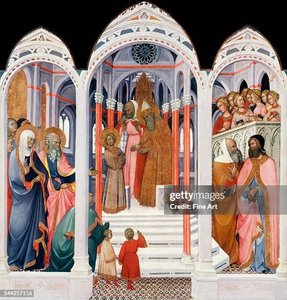
  1. Cristo Encontrado no Templo de Simone Martini1Simone Martini
  2. Deesis Range: The Archangel Michael de Andrei Rublev2Andrei Rublev
  3. O efeito bom do governo na cidade de Ambrogio Lorenzetti3Ambrogio Lorenzetti

Quick facts

Late Medieval in a nutshell

  • 99Artistas
  • 1271–1366Anos de nascimento
  • 20Países de origem
  • 1Mulheres
  • 5Artistas vivos
  • 1.514Obras em nosso catálogo
Cidades com mais nascimentos
Siena (13), Florence (11), Florença (5), Modena (3)
Museus que detêm as principais obras
Metropolitan Museum of Art (19), Gemäldegalerie (5), Galleria degli Uffizi (4), Yale University Art Gallery (4)
As mulheres desta lista
Mother Julian

Meet them one by one

The 99 famous Late Medieval artistas, from most famous down

1of 99

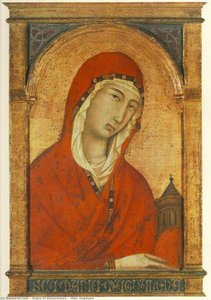
Simone Martini

Italiano From Siena Gótico Internacional On Wikipedia in 28 of 32 languages

Simone Martini

Saint Louis of Toulouse Crowning His Brother Robert of Anjou, 1317. Em 1333, ele pintou a Anunciação com Santa Margarida e Santo Ansanus, uma obra que reside atualmente na Galleria degli Uffizi, em Florença. Em 1342, ele concluiu o Cristo Encontrado no Templo, uma pintura que pode ser encontrada na Walker Art Gallery, em Liverpool.

Taught Lippo Memmi #10

Works to know · Their 100 best-known works

2of 99

Andrei Rublev

Russo From Grão-Principado de Moscou Pintura de Ícones Russos On Wikipedia in 31 of 32 languages

Andrei Rublev

Em 1405, ele uniu forças com Teófanes e Prokhor de Gorodets para decorar a Catedral da Anunciação, um momento crucial na pintura de ícones russa. O Ícone da Trindade: Possivelmente a obra mais celebrada de Rublev, o ícone da “Trindade” (c. 1420-1428) é um testemunho de seu gênio artístico.

Works to know · Their 100 best-known works

3of 99

Ambrogio Lorenzetti

From Siena On Wikipedia in 29 of 32 languages

Ambrogio Lorenzetti

Ambrogio Lorenzetti, nascido por volta de 1290 no coração de Siena, Itália, emergiu como uma figura fundamental na transição das tradições artísticas medievais para o florescente Renascimento. Embora por vezes ofuscado por contemporâneos como Duccio e Simone Martini, e frequentemente discutido em conjunto com seu irmão, o pintor Pietro Lorenzetti, Ambrogio trilhou um caminho único, marcado por um espírito inovador e um profundo engajamento com o mundo ao seu redor.

Works to know · Their 100 best-known works

4of 99

Pietro Lorenzetti

Italiano From Siena Início do Renascimento On Wikipedia in 27 of 32 languages

Pietro Lorenzetti

Pietro Lorenzetti (c. 1280 – 1348) posiciona-se como uma figura fundamental na arte sienense, marcando a profunda transição do formalismo gótico para os ideais humanistas emergentes do início do Renascimento. Nascido na vibrante paisagem cultural de Siena por volta de 1280, a jornada artística de Lorenzetti desenrolou-se durante um período de significativa transformação intelectual e artística na Toscana.

Works to know · Their 100 best-known works

5of 99

Hubert Van Eyck

Holandês From Maaseik Primitivos Flamengos On Wikipedia in 20 of 32 languages

Hubert Van Eyck

No coração desta transformação encontrava-se Hubert van Eyck, uma figura cujo próprio nome está gravado nos alicerces da arte do Renascimento Nórdico. Nascido em Maasik por volta de 1385 ou 1390, ele fazia parte de uma formidável dinastia artística; as suas ligações familiares, incluindo o seu renomado irmão Jan e os irmãos Lambert e Margaret, criaram um cadinho de criatividade que alteraria para sempre a trajetória da pintura europeia.

Works to know · Their 100 best-known works

6of 99

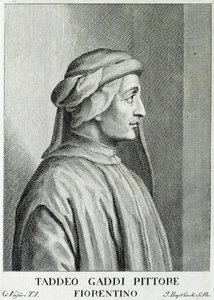
Taddeo Gaddi

Italiano From Florença Início do Renascimento On Wikipedia in 23 of 32 languages

Taddeo Gaddi

Na atmosfera vibrante e efervescente da Florença do século XIV, um período definido pela transição da era medieval para o início do Renascimento, Taddeo Gaddi emergiu como um mestre da luz, da narrativa e da grandiosidade arquitetônica. Como um dos discípulos mais distintos do lendário Giotto di Bondone, Gaddi não apenas herdou um estilo; ele expandiu o vocabulário visual de sua época.

Taught Agnolo Gaddi #7, Jacopo Del Casentino (Jacopo Landino) #51

Works to know · Their 100 best-known works

7of 99

Agnolo Gaddi

Italian From Florença Gothic, Early Renaissance On Wikipedia in 20 of 32 languages

Agnolo Gaddi

Agnolo Gaddi (c. 1350 – 1396) stands as a singular figure in the artistic panorama of Florence during the Trecento, embodying not merely talent but also an unbroken lineage rooted in the revolutionary vision of Giotto di Bondone.

Learned from Taddeo Gaddi #6

Works to know · Their 100 best-known works

8of 99

Teófanes, O Grego

Grego From Constantinopla Iconografia Bizantina On Wikipedia in 22 of 32 languages

Teófanes, O Grego

Nascido em Constantinopla por volta de 1340, embora frequentemente associado à Grécia devido às suas atividades posteriores, Teófanes foi uma figura fundamental que uniu o florescimento final da arte bizantina às tradições emergentes da Rússia. Por volta de 1395, ele chegou a Novgorod, um poderoso estado dentro da Rússia, junto com Andrei Rublev, outra figura icônica da arte ortodoxa russa.

Taught Andrei Rublev #2

Works to know · Their 100 best-known works

9of 99

Paolo Veneziano

Italiano From Veneza Influência bizantina e arte gótica On Wikipedia in 15 of 32 languages

Paolo Veneziano

Paolo Veneziano (c. 1333 – 1358) ergue-se como uma figura monumental na história da arte veneziana, reconhecido universalmente como o pintor veneziano mais importante do século XIV. Nascido em uma linhagem artística no coração de Veneza — sendo seu pai um artista renomado — a breve, porém brilhante carreira de Veneziano coincidiu com um período transformador na pintura europeia.

Works to know · Their 100 best-known works

10of 99

Lippo Memmi

From Siena On Wikipedia in 17 of 32 languages

Lippo Memmi

Lippo Memmi, nascido por volta de 1291 no coração de Siena, Itália, destaca-se como uma figura crucial na transição das tradições bizantinas da pintura medieval para a elegância florescente do estilo Gótico Internacional. Talvez a mais celebrada delas seja a Anunciação com Santa Margarida e Santo Ansanus (1333), criada em colaboração com Simone Martini para a Galeria Uffizi.

Learned from Simone Martini #1

Works to know · Their 100 best-known works

11of 99

Altichiero

Italiano From Zevio Arte Gótica On Wikipedia in 20 of 32 languages

Altichiero

Altichiero da Zevio, nascido perto da pacata cidade de Zevio, em Verona, por volta de 1330, não foi apenas um cronista de eventos sagrados, mas um pioneiro do estilo gótico veneziano.

Works to know · Their 100 best-known works

12of 99

Spinello Aretino

Italiano From Arezzo Elo entre a Escola de Giotto e a Escola de Siena On Wikipedia in 16 of 32 languages

Spinello Aretino

Nascido no seio de uma família de ourives florentinos, o seu verdadeiro nome era Spinello Di Luca Spinelli, mas tornou-se conhecido pela história pelo apelido "Aretino", significando a sua ligação a Arezzo. Nos seus primeiros anos, trabalhou nas movimentadas oficinas de Florença, contribuindo para obras monumentais, como os frescos na igreja de Carmine e Santa Maria Novella.

Learned from Jacopo Del Casentino (Jacopo Landino) #51 · Taught Lorenzo di Bicci #32

Works to know · Their 100 best-known works

13of 99

Bernardo Daddi

From Florença On Wikipedia in 17 of 32 languages

Bernardo Daddi

Bernardo Daddi, nascido em Florença por volta de 1290 e falecido em 1348, ergue-se como uma figura fundamental na transição do final do período Gótico para o florescente Renascimento Italiano. Suas obras primordiais demonstram uma conexão clara com os seguidores de Giotto — mestres como o “Mestre de Santa Cecília” e outros pintores florentinos do primeiro quarto do século XIV — refletindo uma linhagem direta de influência artística.

Works to know · Their 100 best-known works

14of 99

Andrea Pisano

Italiano From Pontecorvo Gótico

Andrea Pisano

Andrea Pisano (c. 1290 – 1348 Orvieto) ergue-se como uma figura monumental na escultura do Renascimento italiano, embora o seu legado artístico esteja inextricavelmente ligado à era gótica precedente e profundamente moldado pela influência revolucionária de Giotto di Bondone.

Works to know · Their 100 best-known works

15of 99

Niccolò Di Tommaso

Italian From Florence Early Renaissance

Niccolò Di Tommaso

Niccolò di Tommaso, a name resonating softly within the annals of fourteenth-century Italian painting, emerged in Florence around 1346. A pivotal collaboration with Nardo di Cione around 1370 proved transformative.

Works to know · Their 100 best-known works

16of 99

Ni Zan

Chinês From Wuxi Quatro Mestres da Dinastia Yuan On Wikipedia in 15 of 32 languages

Ni Zan

Seu nome de cortesia era Yuan Zhen (元鎮), e ele adotou nomes artísticos como Yun Lin Zi (雲林子), Huan Xia Sheng (幻霞生) e Jing Man Min (荊蠻民). Ni Zan é amplamente reconhecido como um dos quatro mestres da Dinastia Yuan, ao lado de Huang Gongwang, Wu Zhen e Wang Meng.

Works to know · Their 100 best-known works

17of 99

Andrea Di Cione Di Arcangelo (Orcagna)

Italian From Florence Gothic-Late Gothic

Andrea Di Cione Di Arcangelo (Orcagna)

Andrea di Cione, known to history by the evocative moniker Orcagna, stands as one of the most influential figures in Florentine art during the mid-14th century—a period marked by a fascinating confluence of Gothic and Late Gothic artistic traditions. Born around 1308 in the heart of Florence, he emerged from a family deeply rooted in the city's prestigious artisan culture.

Works to know · Their 100 best-known works

18of 99

Orcagna

Italian From Florence Gothic-Late Gothic On Wikipedia in 20 of 32 languages

Orcagna

The name Orcagna—a moniker bestowed upon him by local artisans—encompasses a remarkable figure in the history of Italian art: Andrea di Cione, a painter, sculptor, architect, and master craftsman who dominated the artistic landscape of Florence during the latter half of the 14th century. Orcagna’s early life remains shrouded in some mystery, though it is believed he apprenticed under the renowned sculptor Andrea Pisano.

Learned from Andrea Pisano #14

Works to know · Their 100 best-known works

19of 99

Giovanni Di Milano

From Lombardia

Giovanni Di Milano

Nascido Giovanni di Jacopo di Guido da Caversaccio na Lombardia por volta de 1346, sua jornada artística se desenrolou principalmente no vibrante cenário cultural de Florença durante um tempo de imensa mudança e inovação.

Works to know · Their 100 best-known works

20of 99

Barna Da Siena

Italian From Siena Gothic Art On Wikipedia in 14 of 32 languages

Barna Da Siena

To traverse the hallowed halls of the Collegiata di San Gimignano is to encounter a ghost of the Trecento, an artist whose name, Barna da Siena, lingers in the air like incense in a medieval chapel. Known also as Berna di Siena, this figure remains one of the most tantalizing enigmas in the history of Italian art.

Works to know · Their 100 best-known works

21of 99

Wang Meng

Chinese From Huzhou Yuan Dynasty Landscape Painting On Wikipedia in 14 of 32 languages

Wang Meng

Born in Wuxing, Zhejiang province – now Huzhou – around 1308, Wang Meng stands as a pivotal figure within the artistic landscape of the Yuan Dynasty (1271-1368). His life was marked by both privilege and profound misfortune; he descended from Zhao Mengfu, a prominent Song Dynasty official and artist, inheriting a lineage steeped in cultural significance.

Works to know · Their 100 best-known works

23of 99

Nicolas Bataille

French Medieval Art, Religious Paintings

Nicolas Bataille

Yet, within this tradition flourished an artist of startling intensity and dramatic vision – Nicolas Bataille (c. 1330-1405). His tapestries, particularly the famed “Seven Seals” cycle now housed in the Saint-Nicolas du Chardonnet church in Paris, offer a window into a world grappling with anxieties about mortality, divine judgment, and the impending end times – a perspective rarely found in contemporary art.

Works to know · Their 100 best-known works

24of 99

Lorenzo Veneziano

Italiano From Veneza Arte bizantina On Wikipedia in 11 of 32 languages

Lorenzo Veneziano

O ano de 1336 ressoa profundamente na paisagem artística da Itália, intrinsecamente ligado a uma figura envolta em um mistério fascinante – o Mestre de 1336. Mais precisamente conhecido como Giovanni Lipini, o nome deste artista, derivado de um afresco milagroso que retrata a Virgem Maria em Santa Maria delle Grazie, em Pistoia, oferece um vislumbre instigante de suas origens e de sua influência duradoura.

Works to know · Their 100 best-known works

25of 99

Segna Di Buonaventure

Italian Trecento

Segna Di Buonaventure

Born around 1298 in Siena, Italy, and tragically dying sometime before 1331, his life spanned a period of immense artistic ferment – the very dawn of the Renaissance – and he left behind a remarkably small but intensely significant body of work.

Works to know · Their 100 best-known works

27of 99

Ugolino Di Nerio

Italiano From Siena Pintura sienense On Wikipedia in 13 of 32 languages

Ugolino Di Nerio

Ugolino di Nerio, um nome amplamente ausente das narrativas históricas da arte convencional, ergue-se como uma figura fundamental no florescente cenário artístico de Siena e Florença durante a década de 1320.

Works to know · Their 100 best-known works

28of 99

Taddeo di Bartolo

Italian From Siena Early Renaissance On Wikipedia in 13 of 32 languages

Taddeo di Bartolo

In the golden twilight of the Trecento, as the medieval world began to stir toward the light of the Renaissance, Taddeo di Bartolo emerged as a transformative force within the Sienese School.

Works to know · Their 100 best-known works

29of 99

Lippo Di Benivieni

Italian From Florence Early Quattrocento

Lippo Di Benivieni

Records indicate he apprenticed under Nerio di Binduccio around 1296, suggesting an established presence within Florence's artistic milieu by this pivotal moment – a contemporary of Giotto and deeply immersed in the stylistic currents shaping Sienese painting. The Arte dei Medici e Speziali recognized him as a member from 1312 to 1320, cementing his position as a respected craftsman amidst the city’s vibrant cultural landscape.

Works to know · Their 100 best-known works

30of 99

Zhao Yuan

Chinese Landscape painting

Zhao Yuan

Born in Yingcheng (modern-day Yingxian County, Shandong Province) sometime during the late Yuan dynasty (1368-1407), he lived through a period of immense upheaval and transition – the fall of the Mongol-led Yuan and the establishment of the Ming. His most significant debt is undoubtedly to Wang Meng (1308-1383), one of the last great masters of the Yuan dynasty.

Works to know · Their 100 best-known works

31of 99

Andrea Di Bartolo

Italian From Siena Sienese School On Wikipedia in 12 of 32 languages

Andrea Di Bartolo

In the vibrant heart of the Sienese School, Andrea di Bartolo emerged as a master whose brush captured the profound spiritual intensity of his era. As the son and pupil of the prominent painter Bartolo di Fredi, Andrea’s artistic journey was deeply rooted in the traditions of his father's workshop.

Works to know · Their 100 best-known works

32of 99

Lorenzo di Bicci

Italian Florentine School

Lorenzo di Bicci

Lorenzo di Bicci, born around 1350 in the heart of Florence, stands as a pivotal figure bridging the late Gothic traditions of his predecessors with the burgeoning naturalism that would define the early Renaissance.

Works to know · Their 100 best-known works

33of 99

Melchior Broederlam

Belgian From Ypres Early Netherlandish Painting On Wikipedia in 15 of 32 languages

Melchior Broederlam

In the twilight of the fourteenth century, a transformative energy began to pulse through the workshops of Flanders, signaling the end of the medieval era and the slow, luminous birth of the Northern Renaissance.

Works to know · Their 100 best-known works

34of 99

Lorenzo Di Bicci

Italiano From Florença Escola Florentina On Wikipedia in 8 of 32 languages

Lorenzo Di Bicci

Lorenzo di Bicci, nascido por volta de 1373 em Florença, ergue-se como uma figura fundamental na florescente Escola Florentina de pintura durante a segunda metade do século quatorze e o início do quinhentos. Vida Inicial e Treinamento: Os anos formativos de Lorenzo foram passados imerso na oficina de seu pai, Jacopo di Bicci—um artesão cujos próprios esforços artísticos prenunciavam a abordagem distinta de Lorenzo.

Works to know · Their 100 best-known works

35of 99

Gherardo Starnina

Italian From Florence Venetian Renaissance On Wikipedia in 12 of 32 languages

Gherardo Starnina

In the golden twilight of the Middle Ages, as the rigid structures of the Gothic era began to soften under the warmth of burgeoning humanism, there emerged a painter whose brush captured the very essence of spiritual devotion and intricate beauty.

Works to know · Their 100 best-known works

36of 99

Jean Pucelle

French Early Gothic painting

Jean Pucelle

Jean Pucelle remains one of the most captivating enigmas in the annals of medieval art, a figure whose name is whispered with reverence by those who study the delicate transition from the rigid structures of the Middle Ages to the burgeoning humanism of the Renaissance.

Works to know · Their 100 best-known works

37of 99

Andrea de Bonaiuto

Italiano From Florença Pintura toscana On Wikipedia in 12 of 32 languages

Andrea de Bonaiuto

O meado do século XIV em Florença testemunhou um florescimento de talento artístico e, entre as suas figuras mais significativas, destacava-se Andrea Orcagna – um pintor, escultor, arquiteto e administrador cuja carreira multifacetada deixou uma marca indelével na paisagem visual da cidade.

Works to know · Their 100 best-known works

38of 99

Guariento di Arpo

Italian From Piove di Sacco Early Renaissance; Venetian painting; Gothic art On Wikipedia in 12 of 32 languages

Guariento di Arpo

Guariento di Arpo (c. 1310–1370) stands as a monumental figure of the Trecento, acting as the essential bridge between the grounded, volumetric realism of Florence and the ethereal, ornamental splendor of the Venetian Gothic tradition. The foundations of Guariento’s genius were laid in the workshops of his contemporaries, where the shadows of masters like Giotto di Bondone and Giovanni Pisano loomed large.

Works to know · Their 100 best-known works

39of 99

Giovanni Del Biondo

Italian From Pratovecchio Gothic & Early Renaissance On Wikipedia in 10 of 32 languages

Giovanni Del Biondo

The story of Giovanni del Biondo is one woven into the very fabric of 14th-century Florence, a period of profound transition where the rigid elegance of the Gothic tradition began to breathe with the nascent vitality of the Early Renaissance.

Works to know · Their 100 best-known works

40of 99

Claus Sluter

Holandês From Haarlem Realismo Norte

Claus Sluter

Claus Sluter (c. 1350-1406) posiciona-se como um dos escultores mais influentes de sua era, marcando uma conjuntura crucial entre as tradições artísticas góticas e renascentistas no norte da Europa. Primeiros Anos e Formação: Detalhes biográficos precisos permanecem esquivos, mas as evidências sugerem que Sluter recebeu treinamento nas oficinas das guildas de Haarlem, absorvendo as convenções estilísticas da escultura gótica prevalecente na época.

Works to know · Their 100 best-known works

42of 99

Jacopo di Cione

Italian From Florence Gothic On Wikipedia in 7 of 32 languages

Jacopo di Cione

Born in Florence sometime between 1320 and 1330, he emerged from a family deeply rooted in artistic tradition—his three elder brothers, Andrea di Cione (Orcagna), Nardo di Cione, and Matteo di Cione—were themselves accomplished painters, establishing a lineage of creative excellence.

Works to know · Their 100 best-known works

43of 99

Bartolo Di Fredi

Italian From Siena Sienese School On Wikipedia in 13 of 32 languages

Bartolo Di Fredi

No coração da Toscana do século XIV, um período definido pela transição entre a graça etérea da era Gótica e o humanismo emergente do Renascimento, Bartolo di Fredi surgiu como um mestre da luz e da narrativa. Em 1355, ele ingressou oficialmente na Arte dei Maestá di Tavola e Dipinto, um marco que lhe garantiu acesso às redes de patronato mais significativas da Itália.

Works to know · Their 100 best-known works

44of 99

Conrad von Soest

German From Dortmund International Gothic soft style On Wikipedia in 13 of 32 languages

Conrad von Soest

Born around 1370, von Soest emerged not merely as a local painter but as the preeminent Westphalian master of his era. His presence in Dortmund placed him at the heart of a cosmopolitan social circle, where he moved among the patrician elite, securing the patronage necessary to sustain a thriving workshop that would influence Northern European painting well into the late 15th century.

Works to know · Their 100 best-known works

45of 99

Tuthmosis

Egyptian From Amarna Amarna art style

Tuthmosis

Tuthmosis, a name synonymous with the golden age of ancient Egypt, was born in Amarna around 1340 BC – a pivotal period marked by radical artistic and religious upheaval. Akhenaten, abandoning the established pantheon of Egyptian gods, moved the capital from Thebes to Amarna – a newly constructed city dedicated solely to Aten. Perhaps Tuthmosis’s most celebrated achievement is undoubtedly the magnificent Bust of Queen Nefertiti, completed around 1340 BC.

Works to know · Their 100 best-known works

46of 99

Giovanni da Milano

Italian From Valmorea Italian Gothic On Wikipedia in 13 of 32 languages

Giovanni da Milano

In the bustling streets of Florence, where the air was thick with the scent of fresh pigment and the echoes of a changing era, a painter named Giovanni di Jacopo di Guido da Caversaccio began to make his mark. Hailing from Lombardy, he arrived in Tuscany as a man seeking his fortune, appearing in the city's records as Johannes Jacobi de Commo.

Works to know · Their 100 best-known works

47of 99

Master Bertram

German From Minden International Gothic On Wikipedia in 13 of 32 languages

Master Bertram

Born in Minden, Germany, around 1345 and passing away in Hamburg circa 1415, Master Bertram remains a captivating figure within the history of European art. Often referred to as Meister Bertram or Master of Minden, he stands as a pivotal artist bridging the International Gothic style with the nascent trends of the early Renaissance in Northern Europe.

Works to know · Their 100 best-known works

49of 99

Ashikaga Yoshimitsu

From Kyoto

Ashikaga Yoshimitsu

Ashikaga Yoshimitsu (September 25, 1358 – May 31, 1408) was the third shōgun of the Ashikaga shogunate, ruling Japan during the Muromachi period. Born in Kyoto as Haruō, he was the oldest surviving son of Ashikaga Yoshiakira. In 1379, Yoshimitsu initiated a significant reorganization of the gozan zen (Five Mountain Zen) establishment, solidifying its institutional framework.

Works to know · Their 100 best-known works

50of 99

André Beauneveu

Netherlandish From Valenciennes Pucellian revival

André Beauneveu

In the twilight of the fourteenth century, a period defined by the transition from the rigid structures of the High Middle Ages to the burgeoning naturalism of the Early Netherlandish tradition, the name André Beauneveu emerges as a beacon of artistic innovation.

Works to know · Their 100 best-known works

51of 99

Jacopo Del Casentino (Jacopo Landino)

Italian From Florence Renaissance

Jacopo Del Casentino (Jacopo Landino)

Often known to history through the mistaken identity of Jacopo Landino —a nomenclature born from the historical errors of Giorgio Vasari—this Florentine master navigated the delicate transition between the late Gothic tradition and the burgeoning sensibilities of the early Renaissance. The origins of his artistry are deeply rooted in the Florentine milieu, likely shaped by the influential circle surrounding the Master of St.

Works to know · Their 100 best-known works

52of 99

Musō Soseki

Japonês From Província de Ise Budismo Zen On Wikipedia in 12 of 32 languages

Musō Soseki

Musō Soseki, uma figura proeminente na arte e espiritualidade japonesa, nasceu em 1275 e faleceu em 20 de outubro de 1351. Como um monge e mestre budista Zen Rinzai, ele deixou uma marca indelével no mundo da caligrafia, da poesia e do design de jardins. As incursões artísticas de Musō Soseki foram caracterizadas por sua mistura única de espiritualidade e estética.

Works to know · Their 100 best-known works

53of 99

Francesco Traini

Italian From Pisa Gothic Art On Wikipedia in 11 of 32 languages

Francesco Traini

Francesco Traini (c. 1321 – c. 1365) stands as a singular figure in the artistic landscape of Tuscany during the tumultuous fourteenth century, primarily recognized for his monumental frescoes adorning the Camposanto Monumentale in Pisa and Bologna—works that encapsulate the anxieties and spiritual fervor born from the Black Death.

Works to know · Their 100 best-known works

54of 99

Vitale Da Bologna

Italian From Bologna International Gothic On Wikipedia in 12 of 32 languages

Vitale Da Bologna

Vitale da Bologna, a name whispered through the corridors of art history as the definitive master of the Bolognese Gothic, emerged from the vibrant cultural landscape of 14th-century Italy to leave an indelible mark on the Early Renaissance.

Works to know · Their 100 best-known works

56of 99

Pere Serra

Spanish Gothic-Italian

Pere Serra

Pere Serra, also known as Jaume Serra, stands as a compelling figure in the transition from the International Gothic style to the burgeoning Renaissance aesthetic within Catalonia. Born around 1357 and passing away in 1406, his life coincided with a period of significant artistic and cultural change across Europe, yet he maintained a distinctly Catalan sensibility throughout his career.

Works to know · Their 100 best-known works

57of 99

Império Asteca

Mexicano From Tenochtitlán Arte mesoamericana

Império Asteca

Nascidas no início do século XIV em Tenochtitlán, o coração do Império Asteca, as tradições artísticas dos astecas estavam profundamente enraizadas nos legados de civilizações mesoamericanas anteriores. A massiva Pedra do Sol (Calendário Asteca), descoberta em 1946, permanece como um testemunho de sua maestria neste meio — um relevo de pedra complexo e em camadas que combinava informações calendáرicas com simbolismo cosmológico.

Works to know · Their 100 best-known works

58of 99

Liaoan Qingyu

Chinese From Taizhou Yuan dynasty calligraphy

Liaoan Qingyu

Born in Taizhou, within the Zhejiang province of China, he was originally known by the name Zhu and also carried the moniker Nantang. His existence was deeply intertwined with the spiritual lineage of Zen Buddhism, as he sought enlightenment through the guidance of esteemed masters such as Guling Qingmao.

Works to know · Their 100 best-known works

59of 99

Marco Di Paolo Veneziano

Italian Byzantine-influenced art; Gothic art

Marco Di Paolo Veneziano

In the shimmering, maritime heart of the fourteenth century, a transformative era was unfolding within the lagoons of Venice, and at its center stood Paolo Veneziano. Often revered as the undisputed founder of the Venetian School, this master artist—also known by names such as Paolo da Venezia or Veneziano Paolo —did more than merely paint; he forged a visual identity for a rising maritime republic.

Works to know · Their 100 best-known works

60of 99

Matteo Di Ser Cambio

Italian From Perugia Renaissance

Matteo Di Ser Cambio

In the golden twilight of the Middle Ages, as the rigid structures of the Byzantine tradition began to soften under the burgeoning light of the Renaissance, there emerged a figure of profound architectural and decorative significance in the heart of Italy. Matteo di Ser Cambio, an artist whose name echoes through the halls of Perugia and Florence, served as a vital bridge between the medieval past and the humanist future.

Works to know · Their 100 best-known works

62of 99

Ferrer Bassa

Catalan From Avinyonet del Penedès Gothic painting

Ferrer Bassa

Ferrer Bassa emerged from the artistic landscape of 14th-century Catalonia as a pivotal figure, bridging the gap between established Gothic traditions and the burgeoning Italianate styles that would reshape European painting. Born around 1285 in the small town of Avinyonet del Penedès, his early life remains shrouded in some mystery, yet the documented evidence reveals a trajectory marked by both diligent craftsmanship and royal favor.

Works to know · Their 100 best-known works

63of 99

Tommaso Da Modena

Italian From Modena Late Gothic On Wikipedia in 15 of 32 languages

Tommaso Da Modena

Precise details concerning his familial background are elusive, yet evidence suggests he belonged to a noble family engaged in mercantile pursuits—a circumstance that afforded him access to resources crucial for pursuing scholarly endeavors and honing artistic skills.

Works to know · Their 100 best-known works

64of 99

Jacopo Avanzi

Italian From Bologna Renaissance, Proto-Renaissance

Jacopo Avanzi

Jacopo d'Avanzi, a name resonating softly through the annals of the 14th-century Italian Renaissance, remains an artist shrouded in some mystery, often conflated with contemporaries like Jacopo de’ Bavozi. This environment undoubtedly played a crucial role in fostering d'Avanzi’s talent.

Works to know · Their 100 best-known works

65of 99

Paolo Di Giovanni Fei

Italiano From San Quirico d'Orcia Naturalismo, Proto-Renascimento On Wikipedia in 10 of 32 languages

Paolo Di Giovanni Fei

Pietro Lorenzetti, nascido por volta de 1280 e tragicamente falecido em 1348 durante a devastadora pandemia da Peste Negra, permanece uma figura fundamental na evolução da pintura italiana.

Works to know · Their 100 best-known works

66of 99

Giottino

Italian From Florence Early Italian painter On Wikipedia in 14 of 32 languages

Giottino

Born around 1324, Maso di Stefano—better known by his diminutive title—did not simply mimic his predecessors. In works like the Pietà of San Remigio, created around 1365, the artist captures a heavy, physical grief. The frescoes in the chapel of San Silvestro within the Basilica of Santa Croce in Florence provide evidence of his capacity for complex storytelling.

Works to know · Their 100 best-known works

67of 99

Wu Zhen

Yuan dynasty From Jiashan County On Wikipedia in 12 of 32 languages

Wu Zhen

After completing his formal education, Wu Zhen made the deliberate choice to abandon the life of a scholar or a warrior to pursue the art of painting.

Works to know · Their 100 best-known works

68of 99

Jacopo del Casentino

Florentine From Florence Later Gothic On Wikipedia in 10 of 32 languages

Jacopo del Casentino

Florence serves as the backdrop for the career of Jacopo del Casentino. As a pupil of Taddeo Gaddi, Casentino absorbs the technical foundations of the Florentine tradition while looking toward new horizons. Alongside Bernardo Daddi, Casentino helps spread the popularity of these portable altars across Italy, bringing sacred imagery into the quiet corners of domestic life.

Learned from Taddeo Gaddi #6 · Taught Spinello Aretino #12

Works to know · Their 100 best-known works

69of 99

Giusto De' Menabuoi

Italian From Florence Early Renaissance On Wikipedia in 12 of 32 languages

Giusto De' Menabuoi

Giusto de’ Menabuoi (c. 1320–1391) was an Italian painter born in Florence, marking the dawn of the Quattrocento – a pivotal era in Renaissance art history. Notably, between 1375 and 1378, he embarked upon the decoration of the Baptistery of Saint Anthony – a project that exemplifies his innovative blending of Byzantine influences with Florentine artistic sensibilities.

Works to know · Their 100 best-known works

71of 99

Matteo Giovanetti

Italian From Viterbo Early Italian Renaissance

Matteo Giovanetti

In the heart of fourteenth-century Italy, amidst the spiritual awakening of the early Renaissance, the name Matteo Giovanetti emerged as a beacon of devotional mastery. His life’s work serves as a vital bridge between the rigid, symbolic traditions of the Gothic period and the burgeoning naturalism that would soon define the Italian Renaissance.

Works to know · Their 100 best-known works

73of 99

Qingzhuo Zhengcheng, Ch'Ing-Cho Cheng-Ch'Eng

Chinese Zen Buddhism

Qingzhuo Zhengcheng, Ch'Ing-Cho Cheng-Ch'Eng

In the quiet, meditative corridors of history, few figures loom as large or as transformative as Seisetsu Shōchō (1274–1339). Born in China during the vibrant Yuan Dynasty, his life was a bridge between two worlds, spanning the intellectual rigor of Chinese scholarship and the spiritual revitalization of Japanese Zen.

Works to know · Their 100 best-known works

74of 99

Bartolommeo Bulgarini

Italian From Siena Sienese school

Bartolommeo Bulgarini

Bartolommeo Bulgarini, known variously as Bulgarino or Bologhini, emerged from the vibrant artistic ferment of fourteenth-century Siena to become one of the most profound voices of the Trecento. Born around 1300, his life was inextricably linked to the golden age of Sienese painting, a period defined by a unique tension between the celestial and the terrestrial.

Works to know · Their 100 best-known works

76of 99

Barnaba Da Modena

Italian From Modena Byzantine-influenced Lombard Painting On Wikipedia in 12 of 32 languages

Barnaba Da Modena

Born around 1328 in Modena (Emilia), he emerged from obscurity to become arguably the first Lombard painter of considerable renown, leaving behind an impressive oeuvre that testifies to his unwavering devotion to this venerable artistic heritage. His activity spanned Lombardy, Piedmont, and Pisa in Tuscany, establishing him as a pivotal artist within the burgeoning cultural dynamism of the era.

Works to know · Their 100 best-known works

77of 99

Peter Parler

German-Bohemian From Schwaebisch Guemund Late Gothic

Peter Parler

In the heart of the Late Middle Ages, a period defined by soaring spires and profound devotion, Peter Parler emerged as one of the most influential architects and sculptors of his era. Known variously as Peter von Gemünd or Petr Parléř, his identity was inextricably linked to the Parler family, a lineage of craftsmen whose influence stretched across much of Central Europe.

Works to know · Their 100 best-known works

78of 99

Bonanat Descoll I De Santcliment

Italiano From Barcelona Renascimento Inicial

Bonanat Descoll I De Santcliment

Bonanat Descoll I De Santcliment foi um almirante catalão da Coroa de Aragão no século XIV. Nascido em Barcelona, Espanha, em 1310, e falecido em 1390, ele se consolidou como uma figura proeminente na arte catalã e na história, desempenhando um papel fundamental no desenvolvimento do patrimônio cultural e artístico da região. Bonanat Descoll I De Santcliment foi não apenas um habilidoso líder militar, mas também um artista consumado.

Works to know · Their 100 best-known works

79of 99

Yuan Dynasty

Chinese From Beijing Landscape Art

Yuan Dynasty

The Yuan Dynasty (1271–1368), established by Kublai Khan, represents a singular moment in Chinese history – the first time a foreign power successfully ruled over all of China. Understanding Yuan art requires delving into its complex context: the ambition of Kublai Khan to unite Eurasia under Mongol rule, coupled with a burgeoning intellectual elite eager to embrace new ideas and traditions.

Works to know · Their 100 best-known works

81of 99

Domenico Di Agostino

Italian From Siena Gothic Art

Domenico Di Agostino

Domenico di Agostino, born in Siena around 1317, emerged from the vibrant artistic milieu of a city deeply steeped in religious fervor. While not as widely celebrated as some of his contemporaries like Duccio or Simone Martini, Domenico carved out a significant place for himself within the Sienese School, becoming known for his intensely devotional works and refined stylistic approach.

Works to know · Their 100 best-known works

84of 99

Francesco Di Petracco

Italian From Arezzo Humanist poetry

Francesco Di Petracco

Born in Arezzo, Italy, in 1304 as Francesco Patriarca – later adopting the name Francesco Petrarca – this artist was more than just a painter; he was a pivotal figure in the burgeoning Italian Renaissance. His family, prominent Florentine notaries, faced exile due to the turbulent power struggles between the White and Black Guelphs.

Works to know · Their 100 best-known works

86of 99

Sesson Yūbai

Japanese From Tokyo Zen Buddhism

Sesson Yūbai

Sesson Yūbai (雪村 友梅; 1290 – 14th day of the 1st month, 1347) stands as one of Japan’s most revered Zen Buddhist poets and monks—a figure inextricably linked to the profound aesthetic principles that define the Five Mountains School of Zen.

Works to know · Their 100 best-known works

88of 99

Giovanni Di Chellino Boccaccio

Italian From Certaldo Humanism precursor

Giovanni Di Chellino Boccaccio

Born amidst the rolling landscapes of Certaldo in 1313, Giovanni Boccaccio emerged as a vital force in the cultural landscape of the fourteenth century. As one of the legendary "Three Crowns" of Italian literature—standing alongside the giants Dante Alighieri and Petrarch—his life served as a bridge between the medieval world and the dawning light of the Renaissance.

Works to know · Their 100 best-known works

89of 99

Emperor Kōgon

Japanese Buddhist Art

Emperor Kōgon

In the turbulent landscape of fourteenth-century Japan, amidst the political fragmentation of the Northern and Southern Courts, there emerged a figure whose influence transcended the mere boundaries of imperial governance. Emperor Kōgon (1313–1364) was not merely a sovereign navigating a period of profound instability; he was a visionary patron whose devotion to Buddhist iconography helped reshape the aesthetic soul of Northern Japan.

Works to know · Their 100 best-known works

90of 99

Jakushitsu Genkō

Japanese From Tokyo Rinzai Zen

Jakushitsu Genkō

Jakushitsu Genkō (寂室 元光, june 23, 1290 – september 25, 1367) stands as a singular figure in fourteenth-century Japan—a Rinzai Zen master whose artistic output transcended mere craftsmanship to embody the very essence of contemplative practice.

Works to know · Their 100 best-known works

92of 99

Mother Julian

English From Norwich Medieval Mysticism

Mother Julian

In the heart of a bustling, medieval port city, amidst the shadows of the Black Death and the tremors of the Peasants’ Revolt, lived a woman whose voice would transcend the stone walls of her enclosure. Julian of Norwich, known variously as Lady Julian or Mother Julian, carved out a life of profound stillness within the Holy Cell of Norwich Cathedral.

Works to know · Their 100 best-known works

93of 99

Nardo di Cione

Italian From Florence Renaissance Painting On Wikipedia in 10 of 32 languages

Nardo di Cione

Born around 1320, he was part of a formidable artistic dynasty, working alongside his brothers, the renowned Orcagna (Andrea di Cione) and Jacopo di Cione. The zenith of Nardo’s collaborative achievements can be found within the hallowed walls of the Cappella Strozzi in Santa Maria Novella.

Works to know · Their 100 best-known works

94of 99

Tutankhamen

Egyptian From Amarna Ancient Egyptian Art

Tutankhamen

Born as Tutankhaten, the Living Image of Aten, his early years were defined by the radical, monotheistic shadows cast by his predecessor, Akhenaten. Yet, the boy who would become Tutankhamun possessed a destiny far greater than mere survival.

Works to know · Their 100 best-known works

95of 99

Serafino Serafini

Italian From Modena Giottesque & Bolognese

Serafino Serafini

In the twilight of the fourteenth century, amidst the architectural grandeur of Northern Italy, the name Serafino Serafini emerged as a vital, if enigmatic, force in the evolution of late medieval painting. Born around 1324 in the industrious city of Modena, Serafini’s origins were deeply rooted in the tactile traditions of his homeland.

Works to know · Their 100 best-known works

96of 99

Filippo Calendario

Italian Venetian Gothic

Filippo Calendario

Filippo Calendario stands as a pivotal figure in the artistic landscape of fourteenth-century Venice, primarily recognized for his monumental contributions to the construction and decoration of the Doge’s Palace—a testament to Venetian architectural prowess during its golden age. Born around 1315, likely in Florence, Calendario’s early life was shaped by the rigorous traditions of Italian craftsmanship.

Works to know · Their 100 best-known works

98of 99

Zekkai Chūshin

Italian From Tosa Byzantine art

Zekkai Chūshin

The figure known as the Master of 1336 remains one of the most intriguing enigmas in Italian art history. While his name—a label bestowed upon him due to a fresco depicting the miracle of the Virgin Mary in Santa Maria delle Grazie, Pistoia—offers little insight into his personal identity, his paintings speak volumes about the artistic currents shaping Tuscany at the time.

Works to know · Their 100 best-known works

Pictures worth knowing

Famous Late Medieval works to recognise

  1. Cristo Encontrado no Templo de Simone Martini

    Cristo Encontrado no Templo

    Simone Martini

    1342 · Walker Art Gallery, Liverpool

  2. Deesis Range: The Archangel Michael de Andrei Rublev

    Deesis Range: The Archangel Michael

    Andrei Rublev

    1410 · Galeria Tretyakov, Moscovo

  3. O efeito bom do governo na cidade de Ambrogio Lorenzetti

    O efeito bom do governo na cidade

    Ambrogio Lorenzetti

    1338 · Palazzo Pubblico, Siena

  4. Madonna Enthroned with Angels de Pietro Lorenzetti

    Madonna Enthroned with Angels

    Pietro Lorenzetti

    1340 · Galleria degli Uffizi, Florença

  5. O Retrato de Ghent de Hubert Van Eyck

    O Retrato de Ghent

    Hubert Van Eyck

    1432

  6. Nativity de Taddeo Gaddi

    Nativity

    Taddeo Gaddi

    1325 · Fundación Colección Thyssen-Bornemisza, Barcelona

  7. The Last Supper de Agnolo Gaddi

    The Last Supper

    Agnolo Gaddi

    1395 · Lindenau-Museum, Altengau

  8. Our Lady of the Don de Teófanes, O Grego

    Our Lady of the Don

    Teófanes, O Grego

    1382 · Galeria Tretyakov, Moscovo

When it happened

Late Medieval, step by step

  1. 1324
  2. 1324
  3. 1325
  4. 1333
  5. 1336
  6. 1338
  7. 1339
  8. 1340
  9. 1342
  10. 1350
  11. 1354
  12. 1354
  13. 1370
  14. 1371

Fun figures

The numbers behind the list

País de nascimento
Italy37
Itália18
Japan8
China5
Spain3
France3
Egypt3
People's Republic of China2
Década de nascimento
1270s4
1280s9
1290s11
1300s9
1310s8
1320s12
1330s13
1340s9
1350s15
1360s9
Museus que detêm suas obras principais
Metropolitan Museum of Art19
Gemäldegalerie5
Galleria degli Uffizi4
Yale University Art Gallery4
National Gallery4
National Gallery of Art3
Philadelphia Museum of Art3
Cleveland Museum of Art3

Just the names

List of 99 famous Late Medieval artistas to know

  1. 1Simone MartiniSimone MartiniItaliano · 1284–1344
  2. 2Andrei RublevAndrei RublevRusso · 1360–1430
  3. 3Ambrogio LorenzettiAmbrogio Lorenzetti1290–1348
  4. 4Pietro LorenzettiPietro LorenzettiItaliano · 1280–1348
  5. 5Hubert Van EyckHubert Van EyckHolandês · 1366–1426
  6. 6Taddeo GaddiTaddeo GaddiItaliano · 1300–1366
  7. 7Agnolo GaddiAgnolo GaddiItalian · 1350–1396
  8. 8Teófanes, O GregoTeófanes, O GregoGrego · 1335–1410
  9. 9Paolo VenezianoPaolo VenezianoItaliano · 1333–1358
  10. 10Lippo MemmiLippo Memmi1291–1356
  11. 11AltichieroAltichieroItaliano · 1330–1390
  12. 12Spinello AretinoSpinello AretinoItaliano · 1350–1410
  13. 13Bernardo DaddiBernardo Daddi1290–1348
  14. 14Andrea PisanoAndrea PisanoItaliano · 1290–1348
  15. 15Niccolò Di TommasoNiccolò Di TommasoItalian · 1346–1376
  16. 16Ni ZanNi ZanChinês · 1301–1374
  17. 17Andrea Di Cione Di Arcangelo (Orcagna)Andrea Di Cione Di Arcangelo (Orcagna)Italian · 1308–1368
  18. 18OrcagnaOrcagnaItalian · 1315–1368
  19. 19Giovanni Di MilanoGiovanni Di Milano1346–1369
  20. 20Barna Da SienaBarna Da SienaItalian · 1330–1380
  21. 21Wang MengWang MengChinese · 1308–1385
  22. 22Cresques AbrahamCresques AbrahamSpanish · 1325–1387
  23. 23Nicolas BatailleNicolas BatailleFrench · 1330–1405
  24. 24Lorenzo VenezianoLorenzo VenezianoItaliano · 1336–1379
  25. 25Segna Di BuonaventureSegna Di BuonaventureItalian · 1298–1326
  26. 26Cennino CenniniCennino CenniniItalian · 1360–1440
  27. 27Ugolino Di NerioUgolino Di NerioItaliano · 1280–1330
  28. 28Taddeo di BartoloTaddeo di BartoloItalian · 1362–1422
  29. 29Lippo Di BenivieniLippo Di BenivieniItalian · 1296–1327
  30. 30Zhao YuanZhao YuanChinese · nascido(a) em 1350
  31. 31Andrea Di BartoloAndrea Di BartoloItalian · 1360–1428
  32. 32Lorenzo di BicciLorenzo di BicciItalian · 1350–1427
  33. 33Melchior BroederlamMelchior BroederlamBelgian · 1355–1410
  34. 34Lorenzo Di BicciLorenzo Di BicciItaliano · 1350–1427
  35. 35Gherardo StarninaGherardo StarninaItalian · 1354–1413
  36. 36Jean PucelleJean PucelleFrench · 1300–1334
  37. 37Andrea de BonaiutoAndrea de BonaiutoItaliano · 1343–1379
  38. 38Guariento di ArpoGuariento di ArpoItalian · 1310–1370
  39. 39Giovanni Del BiondoGiovanni Del BiondoItalian · 1356–1399
  40. 40Claus SluterClaus SluterHolandês · 1355–1406
  41. 41Kokan ShirenKokan ShirenJapanese · 1278–1346
  42. 42Jacopo di CioneJacopo di CioneItalian · 1325–1399
  43. 43Bartolo Di FrediBartolo Di FrediItalian · 1330–1410
  44. 44Conrad von SoestConrad von SoestGerman · 1360–1423
  45. 45TuthmosisTuthmosisEgyptian · 1340–1300
  46. 46Giovanni da MilanoGiovanni da MilanoItalian · 1325–1370
  47. 47Master BertramMaster BertramGerman · 1345–1415
  48. 48Agostino Di GiovanniAgostino Di GiovanniItalian · 1285–1347
  49. 49Ashikaga YoshimitsuAshikaga Yoshimitsu1358–1408
  50. 50André BeauneveuAndré BeauneveuNetherlandish · 1335–1403
  51. 51Jacopo Del Casentino (Jacopo Landino)Jacopo Del Casentino (Jacopo Landino)Italian · 1330–1380
  52. 52Musō SosekiMusō SosekiJaponês · 1275–1351
  53. 53Francesco TrainiFrancesco TrainiItalian · 1321–1365
  54. 54Vitale Da BolognaVitale Da BolognaItalian · 1289–1359
  55. 55Sheikh Zain Al-DinSheikh Zain Al-DinKurdish · nascido(a) em 1325
  56. 56Pere SerraPere SerraSpanish · 1357–1406
  57. 57Império AstecaImpério AstecaMexicano · 1300–1521
  58. 58Liaoan QingyuLiaoan QingyuChinese · 1288–1363
  59. 59Marco Di Paolo VenezianoMarco Di Paolo VenezianoItalian · nascido(a) em 1362
  60. 60Matteo Di Ser CambioMatteo Di Ser CambioItalian · 1351–1424
  61. 61Zhu DiZhu Di1360–1424
  62. 62Ferrer BassaFerrer BassaCatalan · 1285–1348
  63. 63Tommaso Da ModenaTommaso Da ModenaItalian · 1326–1379
  64. 64Jacopo AvanziJacopo AvanziItalian · 1350–1416
  65. 65Paolo Di Giovanni FeiPaolo Di Giovanni FeiItaliano · 1345–1411
  66. 66GiottinoGiottinoItalian · 1324–1372
  67. 67Wu ZhenWu ZhenYuan dynasty · 1280–1354
  68. 68Jacopo del CasentinoJacopo del CasentinoFlorentine · 1297–1358
  69. 69Giusto De' MenabuoiGiusto De' MenabuoiItalian · 1330–1393
  70. 70Jacquemart de HesdinJacquemart de HesdinFrench · 1350–1410
  71. 71Matteo GiovanettiMatteo GiovanettiItalian · 1322–1368
  72. 72Reisai GukyokuReisai GukyokuJapanese · 1363–1452
  73. 73Qingzhuo Zhengcheng, Ch'Ing-Cho Cheng-Ch'EngQingzhuo Zhengcheng, Ch'Ing-Cho Cheng-Ch'EngChinese · 1274–1339
  74. 74Bartolommeo BulgariniBartolommeo BulgariniItalian · 1305–1378
  75. 75Gikō TettōGikō TettōJapanese · 1295–1369
  76. 76Barnaba Da ModenaBarnaba Da ModenaItalian · 1328–1386
  77. 77Peter ParlerPeter ParlerGerman-Bohemian · 1330–1399
  78. 78Bonanat Descoll I De SantclimentBonanat Descoll I De SantclimentItaliano · 1310–1390
  79. 79Yuan DynastyYuan DynastyChinese · 1271–1368
  80. 80Giovanni Di RiginoGiovanni Di RiginoItalian · nascido(a) em 1315
  81. 81Domenico Di AgostinoDomenico Di AgostinoItalian · 1317–1366
  82. 82Agnolo Di VenturaAgnolo Di VenturaItalian · 1290–1349
  83. 83Giovanni Da CampioneGiovanni Da CampioneItalian · 1320–1375
  84. 84Francesco Di PetraccoFrancesco Di PetraccoItalian · 1304–1374
  85. 85Giovanni d'AgostinoGiovanni d'Agostino1285–1347
  86. 86Sesson YūbaiSesson YūbaiJapanese · 1290–1347
  87. 87Sultan Al-Malik Al-Zahir Abu Sa’Id BarquqSultan Al-Malik Al-Zahir Abu Sa’Id BarquqEgyptian · 1339–1399
  88. 88Giovanni Di Chellino BoccaccioGiovanni Di Chellino BoccaccioItalian · 1313–1375
  89. 89Emperor KōgonEmperor KōgonJapanese · 1313–1364
  90. 90Jakushitsu GenkōJakushitsu GenkōJapanese · 1290–1367
  91. 91Bernat Saulet I El Taller De Sant Joan De Les AbadessesBernat Saulet I El Taller De Sant Joan De Les AbadessesItalian · 1341–1342
  92. 92Mother JulianMother JulianEnglish · nascido(a) em 1343
  93. 93Nardo di CioneNardo di CioneItalian · 1320–1366
  94. 94TutankhamenTutankhamenEgyptian · 1345–1327
  95. 95Serafino SerafiniSerafino SerafiniItalian · 1324–1393
  96. 96Filippo CalendarioFilippo CalendarioItalian · 1315–1355
  97. 97Antonio Baboccio Da PipernoAntonio Baboccio Da PipernoItalian · 1351–1435
  98. 98Zekkai ChūshinZekkai ChūshinItalian · 1336–1405
  99. 99Ryūshū ShūtakuRyūshū ShūtakuJapanese · 1307–1388

Good questions

What people ask about Late Medieval

Read more

More stories on ArtsDot.com

Other styles

Famous artists of other styles

Other eras

Famous artists of other eras

Keep exploring

Where to go next