

 Visualizar em escala
 Enviar
 Compartilhar
 Ver detalhes

 Baixar
 Semelhantes
 Raio X
 Apresentação de slides
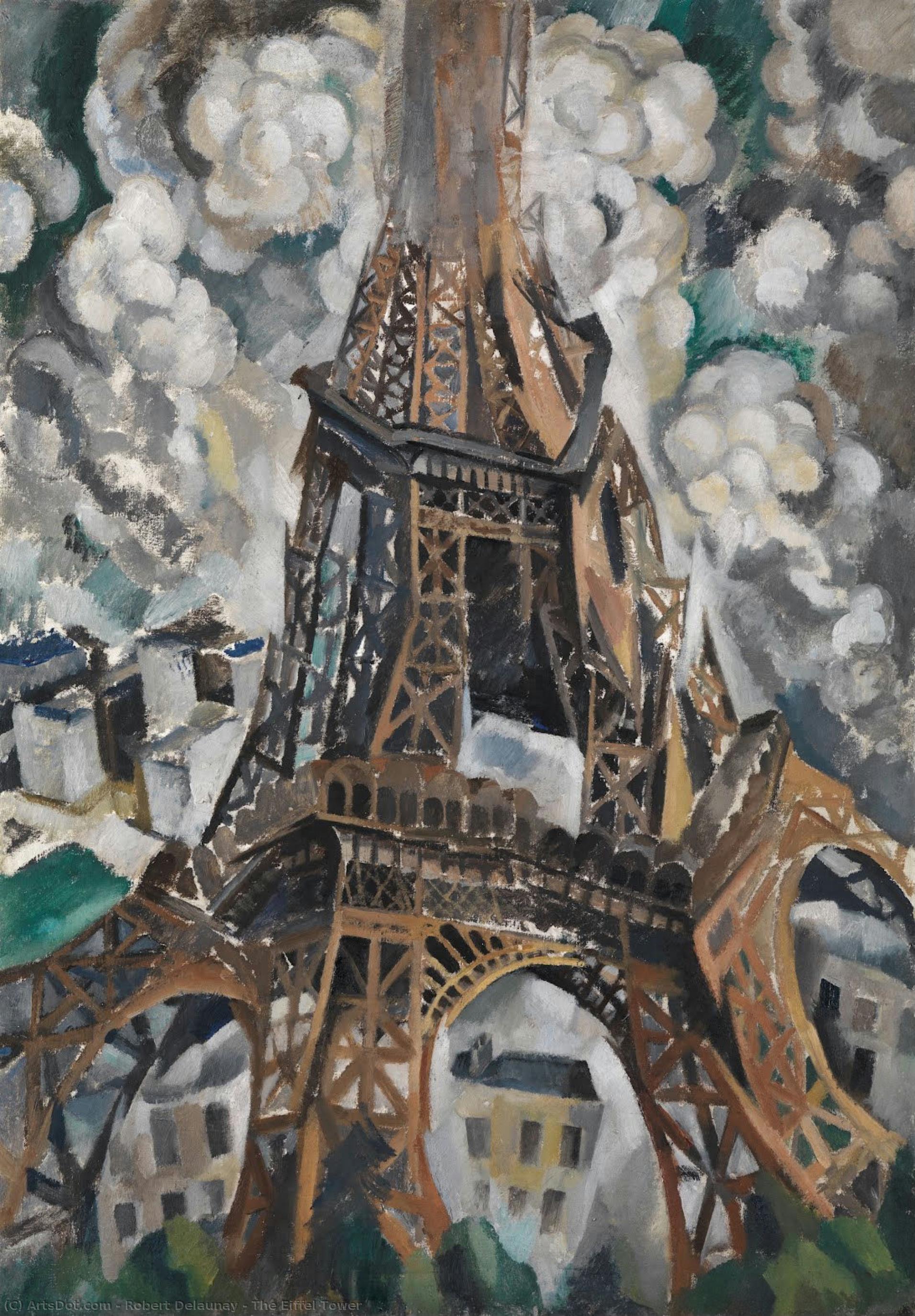
The Eiffel Tower
 Acrylic On Canvas
- WallArt
- Cubism
 1910
1910 116.0 x 81.0 cm
 Staatliche Kunsthalle Karlsruhe
 Ver mais
Reprodução em Óleo Feita à Mão
Óleo sobre tela pintado à mão no seu tamanho e moldura, feito sob encomenda pelos nossos artistas. ( Encomendar impressão Comprar imagem em alta resolução)




P118B $10

P118H $10

P118W $10

P438Z $10

P508JH $12

P508YH $12

P805H $10

P805Z $10

P919BZ $10

P919G $10

P919XJ $10

P959ZH $10

P968JZ $12

W106C $8

W218G $10

W218JH $8

W218Y $10

W307PJ $10

W316G $10

W316PJ $8

W316Y $10

W398PJ $8

W4111J $10

W500HY $15

W500JH $15

W692G $12

W849H $8

W940BG $15

W953PJ $8




Escolha entre os nossos tamanhos pré-definidos que respeitam as proporções originais da obra de arte.

Pode inserir as suas próprias dimensões para se adequar a uma moldura ou espaço específico. Se o tamanho selecionado não corresponder às proporções da imagem original, iremos cortar a obra de arte ou estender a pintura com elementos adicionais pintados à mão. Um esboço digital será enviado para sua aprovação antes do início da produção.
Tenha em atenção que a pré-visualização no ecrã não reflete o corte ou extensão real. Apenas o esboço mostrará com precisão a composição final.
Embora tamanhos personalizados estejam disponíveis, recomendamos selecionar uma dimensão da lista predefinida para preservar as proporções originais.
Após o pedido, a equipa ArtsDot.com enviará um e-mail ao cliente para solicitar instruções e fornecer uma prévia do esboço.
Entrega mundial () em 3 a 4 semanas, em vez das 5 semanas padrão. (16 Agosto). Sem comprometer a qualidade.

Envio Expresso Gratuito para todo o Mundo

Tela de Linho Premium

Seguro de transporte total

Garantia de Reembolso de Impostos Alfandegários

Garantia de Fidelidade de Cor

Política de Devolução de 60 Dias (Apenas para Defeitos)

Garantia de reembolso de 100%

Desconto para múltiplas unidades
 A opção de vidro está disponível apenas para tamanhos inferiores a 110 cm

The Eiffel Tower
Técnica de Reprodução
Dimensões da Reprodução
-


Preço Total
$ 263
Descrição da Obra
Robert Delaunay’s Eiffel Tower: A Symphony of Color and Geometric Rhythm
The Eiffel Tower series by Robert Delaunay stands as a testament to the transformative power of abstraction in early twentieth century art, capturing not just the iconic Parisian landmark but also its essence—a dynamic interplay of light, color, and geometric forms. Created in 1914 during the height of Orphism’s influence, this monumental canvas embodies the movement's core principles: a deliberate rejection of representational accuracy in favor of conveying emotion and sensation through pure visual elements. Delaunay wasn’t striving to depict the Eiffel Tower as it appeared; instead, he sought to distill its grandeur into a pulsating tapestry of interwoven rectangles and triangles—a bold departure from traditional artistic conventions.A Bold Experimentation with Color
Delaunay's palette is deliberately muted, dominated by shades of brown and grey – colors that subtly echo the weathered steel of the tower itself. However, these earthy tones are punctuated by bursts of vibrant hues: crimson reds, sapphire blues, and lemon yellows—colors chosen not for their descriptive accuracy but for their expressive potential. This chromatic dissonance reflects Delaunay’s fascination with synesthesia—the neurological phenomenon where stimulation in one sensory modality triggers experience in another—specifically the blending of color and sound. He envisioned his paintings as “musical” compositions, mirroring the rhythmic vibrations of urban life and conveying a sense of movement and energy.Cubist Influences and Geometric Precision
The Eiffel Tower series draws heavily from Cubism’s pioneering approach to depicting objects from multiple viewpoints simultaneously. Like Picasso and Braque, Delaunay fragmented the tower into geometric planes—reducing it to its fundamental shapes while maintaining an illusion of depth through overlapping forms. This technique wasn't merely stylistic; it represented a conceptual shift toward analyzing visual perception and challenging viewers to reconsider their understanding of reality. The meticulous construction of each rectangle and triangle speaks to Delaunay’s unwavering commitment to precision and control, mirroring the architectural grandeur of his subject matter.Symbolism Beyond Representation
More than just an image of Paris's most recognizable monument, the Eiffel Tower embodies broader themes of modernity and progress—symbols of a rapidly changing world grappling with industrialization and urbanization. Delaunay’s use of color isn’t arbitrary; it conveys a feeling of optimism and dynamism, reflecting the spirit of the Belle Époque era. The geometric forms represent stability and order amidst chaos, suggesting that beauty can be found even in seemingly sterile environments.A Legacy of Vibrant Abstraction
Robert Delaunay's Eiffel Tower remains an enduring masterpiece of abstract art—a captivating reproduction for discerning collectors and interior designers who appreciate both artistic innovation and visual harmony. Its bold color palette, geometric precision, and evocative symbolism continue to inspire awe and contemplation, cementing Delaunay’s place as one of the foremost figures in shaping the aesthetic landscape of the twentieth century.Obras Relacionadas


Biografia do Artista
Um Pioneiro da Cor Abstrata: A Vida e a Arte de Robert Delaunay
Robert Delaunay, nascido em Paris em 1885, emergiu como uma figura fundamental nas mudanças artísticas radicais do início do século XX. Embora inicialmente atraído por formas mais tradicionais de pintura, sua jornada o conduziu a uma exploração da cor e da luz que acabaria por definir seu legado e contribuir significativamente para o nascimento da arte abstrata. Delaunay não estava interessado apenas em representar o mundo; ele buscava capturar sua própria essência através de uma linguagem vibrante de formas geométricas e tons luminosos, cofundando o movimento Orfismo com sua esposa, Sonia Delaunay, e outros que compartilhavam de sua visão. Sua vida precoce foi marcada por certa instabilidade – seus pais se divorciaram quando ele era jovem e ele foi criado por parentes – mas isso talvez tenha fomentado um espírito independente que lhe seria útil ao desafiar as convenções artísticas. Inicialmente, dedicou-se às artes decorativas, mas rapidamente gravitou para a pintura, exibindo-se no Salon des Indansi como cedo quanto 1904, demonstrando um talento e uma ambição florescentes.Do Divisionismo ao Amanhecer do Orfismo
O desenvolvimento artístico de Delaunay foi caracterizado por uma experimentação constante. Inicialmente, ele se envolveu com o Neoimpressionismo, ou Divisionismo, absorvendo seus princípios de aplicação de pequenos e distintos pontos de cor para criar um efeito cintilante. No entanto, logo ele foi além da simples replicação de fenômenos ópticos; começou a investigar o potencial expressivo da própria cor. Uma amizade crucial com Jean Metzinger provou ser formativa durante este período, enquanto exploravam as possibilidades de formas fragmentadas e composições semelhantes a mosaicos. Essas colaborações iniciais lançaram as bases para seu envolvimento posterior no Cubismo, embora Delaunay acabasse por divergir de sua abordagem mais analítica. Ele não estava interessado em dissecar objetos em componentes geométricos; em vez disso, buscava sintetizá-los em arranjos dinâmicos de cor e luz. Essa mudança culminou no desenvolvimento do Orfismo – termo cunhado pelo poeta Guillaume Apollinaire – que visava criar uma arte puramente abstrata, capaz de evocar respostas emocionais através de sua intensidade cromática. Contrastes Simultâneos: Sol e Lua exemplifica essa abordagem, exibindo a manipulação magistral da cor por Delaunay para transmitir uma sensação de energia e movimento.O Poder da ‘Simultanéité’ e a Influência Artística
Central à filosofia artística de Delaunay era o conceito de “simultanéité” – a ideia de que as cores interagem entre si, criando novas sensações e percepções. Ele acreditava que a cor não era meramente um elemento descritivo, mas uma força ativa capaz de moldar nossa experiência da realidade. Essa crença informou sua série de pinturas retratando a Torre Eiffel, onde ele desconstruiu a estrutura icônica em uma rede de planos intersectados e matizes vibrantes. Estas não eram representações da torre, mas sim explorações de como a luz e a cor transformavam sua aparência. As teorias de Delaunay ressoaram profundamente com outros artistas de sua época, influenciando figuras como Paul Klee, Franz Marc, August Macke e até movimentos da vanguarda russa. Sua ênfase na abstração e no poder expressivo da cor ajudou a pavimentar o caminho para uma nova geração de artistas que rejeitaram as convenções representacionais em favor de formas puramente visuais. Ele não estava simplesmente criando pinturas; ele estava desenvolvendo um arcabouço teórico para compreender a relação entre cor, luz e percepção.Anos Tardios e um Legado Duradouro
O início da Primeira Guerra Mundial forçou Delaunay e sua esposa a buscarem refúgio na Espanha e em Portugal, onde continuaram a trabalhar e a expor. Após retornar a Paris na década de 1920, ele explorou uma gama de temas, incluindo retratos e cenas figurativas, mas sempre permaneceu comprometido com seus princípios fundamentais de cor e abstração. Em seus anos tardios, Delaunay revisitou temas anteriores, criando composições cada vez mais complexas e dinâmicas. Ele também empreendeu projetos ambiciosos, como o design de relevos coloridos em grande escala para a Exposição Internacional de Paris de 1937, demonstrando sua habilidade de traduzir sua visão artística para contextos arquitetônicos. A morte prematura de Robert Delaunay em 1941 marcou uma perda para o mundo da arte, mas sua influência continua a ser sentida hoje. Seu trabalho pioneiro lançou as bases para muitos desenvolvimentos subsequentes na arte abstrata, e sua exploração da cor permanece como uma fonte de inspiração para artistas de diversas disciplinas. Seu legado não é apenas de inovação estética, mas também de investigação intelectual – um testemunho do poder da arte em transformar nossa compreensão do mundo ao nosso redor.Obras Notáveis
- A Torre Eiffel (1909-1911)
- Contrastes Simultâneos: Sol e Lua (1913)
- Janelas Abertas Simultaneamente, 1ª Parte, 3º Motivo (1912)
- Estrada em Laon (1910)
- Ritmos (1934)

Robert Delaunay
1885 - 1941 , França
Informações Rápidas
- Artistic Movement Or Style: Orphismo, Cubismo
- Artists Or Movements Influenced By This Artist: ['Der Blaue Reiter']
- Artists Who Influenced This Artist:
- Jean Metzinger
- Paul Klee
- Date Of Birth: 12 abril de 1885
- Date Of Death: 25 outubro de 1941
- Full Name: Robert Victor Felix Delaunay
- Nationality: Francês
- Notable Artworks:
- Torre Eiffel
- Contrastes Simultâneos: Sol e Lua
- Janelas Abertas Simultaneamente
- Place Of Birth: Paris, França
Artigos Relacionados

Orphism: A Symphony of Color and Form – Exploring the Abstract Roots of Modern Art
Explore Orphism, the vibrant abstract art movement pioneered by Robert & Sonia Delaunay. Discover its unique color theory, lasting influence on modern art, and how to bring this 'symphony of color' into your home with ArtsDot.

Abstração Geométrica: 10 Obras-Primas que Moldaram a Arte Moderna | ArtsDot.com
Descubra as 10 obras-primas da Abstração Geométrica que revolucionaram a arte moderna! Explore Kandinsky, Mondrian e outros artistas icônicos. Encontre reproduções de alta qualidade para decorar sua casa com ArtsDot.com.

Sonia Delaunay: A Life in Color – Exploring the Rhythms of Abstraction and Synesthesia
Explore the vibrant world of Sonia Delaunay, a pioneer of abstract art and co-founder of Orphism. Discover her revolutionary use of color, geometric forms, and influence on modern design. A deep dive into her life & legacy.

Top 10 Obras-Primas do Expressionismo Abstrato: Arte para Decorar e Inspirar | ArtsDot.com
Descubra as 10 obras-primas do Expressionismo Abstrato com Jackson Pollock, Mark Rothko e mais! Explore a história, técnica e emoção por trás de cada pintura. Encontre reproduções de arte exclusivas para decorar sua casa em ArtsDot.com.

Jean Dominique Antony Metzinger: Pioneering Cubism & the Evolution of Abstract Form
Explore the life & work of Jean Metzinger, a pivotal Cubist painter and theorist. Discover his innovations in proto-Cubism, 'Du Cubisme,' and Crystal Cubism – a journey through modern art's evolution.


