

 Visualizar na parede
 Compartilhar
 Compartilhar
 Detalhes
 Guia
Guia

 Baixar imagem
 Semelhantes
 Raio X
 Ver diaporama
 Perguntas e Respostas
 Estatísticas
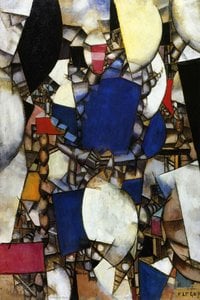
Stalingrad

- 32.0 x 50.0 cm

 Ler mais
Obtenha um arquivo pronto para impressão que vai muito além da visualização na web. Cada imagem digital que vendemos provém de um arquivo mestre de alta resolução em nosso banco de dados — geralmente entre 5.000 e 15.000 pixels de largura — para que você possa imprimir em grandes formatos, realizar cortes precisos ou reproduzir detalhes minuciosos com total confiança.
Nenhum arquivo sai do nosso estúdio sem passar por um cuidadoso processo de revisão. Um especialista digital verifica as cores em relação à pintura original e as corrige se necessário, aumentando então a clareza e o detalhe com ferramentas profissionais de retoque — sempre mantendo a fidelidade às pinceladas e ao estilo do artista. O resultado é uma imagem que se assemelha à pintura, e não a um scan com filtros.
Aprovação antes da finalização: nosso especialista enviará a imagem por e-mail em até 72 horas para sua revisão. Não ficou satisfeito? Solicite melhorias ou correções, ou peça o reembolso caso a qualidade não atenda às suas expectativas.
Esta é a qualidade em que confiam editoras, estúdios de design, galerias e gráficas.
Imagem Digital
Baixe um arquivo de alta resolução para exibição pessoal, impressão e projetos criativos. ( Alternar para Impressão Comprar pintura feita à mão)
Incluído em cada compra de imagem digital
Entrega Digital Especializada e Garantida
Ao escolher o ArtsDot.com, você não está apenas adquirindo uma imagem — você está recebendo uma obra de arte digital profissionalmente aprimorada, elaborada com precisão e com garantia de satisfação. Aqui está tudo o que acompanha seu pedido, automaticamente:

Entrega rápida por e-mail
O seu arquivo de imagem digital em alta resolução será enviado por e-mail em até 72 horas após o pedido — pronto para uso imediato.

Arquivo Digital com IA Otimizado
Sua obra de arte é otimizada profissionalmente por meio de ferramentas avançadas de IA e edição manual, garantindo o máximo de detalhes, clareza e precisão de cores.

Reenvio gratuito vitalício
Apagou ou perdeu o seu ficheiro acidentalmente? Não se preocupe – nós reenviamos para si a qualquer momento, gratuitamente.

Sem Taxas de Importação - Sempre
Desfrute da sua obra de arte instantaneamente, sem taxas alfandegárias, impostos ou custos de entrega — downloads digitais são sempre isentos de taxas.

Garantia de Fidelidade de Cores
Garantimos que sua imagem digital reflita as cores originais com a maior fidelidade possível, utilizando ferramentas profissionais e gerenciamento de cores.

Garantia de satisfação de 100 dias
Se não estiver satisfeito com a sua imagem digital, nós a revisaremos ou reembolsaremos 100% dentro de 100 dias — sem perguntas.

Garantia de Reembolso 100%
Não está satisfeito? Receba o reembolso total em até 100 dias após o recebimento do seu arquivo digital — sem perguntas.

Descontos para pedidos em lote
Compre 3 imagens, economize 10% - Compre 5, economize 15% - Compre 10+, economize 20%. Ideal para projetos criativos, galerias e agências.
Fernand Léger’s Stalingrad: A Monument to Industrial Resilience
Stalingrad, painted by Fernand Léger in 1924, stands as a striking testament to the artist's pioneering approach to Cubism and his fascination with the burgeoning industrial landscape of the interwar years. More than just a depiction of wartime activity—though undeniably informed by the grim realities of the Soviet siege—the artwork embodies Léger’s ambitious vision: to synthesize abstraction with observation, capturing not merely what is seen but also how it *feels*. This monumental canvas (32 x 50 cm) transcends mere representation, offering instead a complex tapestry of geometric forms and muted tones that speaks volumes about the spirit of innovation amidst devastation.The Geometric Heartbeat of Conflict
Léger’s stylistic signature—Tubism—is immediately apparent. Rejecting traditional perspective and anatomical accuracy, he dismantles objects into fragmented cubes and planes, layering them upon one another to create a dynamic visual illusion. The composition is dominated by colossal excavators and cranes, rendered in shades of gray and black, their angular shapes echoing the fractured reality of the battlefield. These machines aren’t simply present; they are actively reshaping the landscape—a deliberate choice reflecting Léger's belief that technology was fundamentally altering human experience and shaping the future. Thick lines delineate these forms, emphasizing movement and conveying a palpable sense of urgency. The artist skillfully avoids smooth brushstrokes, prioritizing structural integrity over textural detail – a technique consistent with his desire to convey the essence of industrial power rather than its superficial appearance.A Palette of Stark Determination
The color palette is deliberately restrained, mirroring the bleakness of the siege and reinforcing the artwork’s emotional impact. Predominantly monochromatic—primarily gray, black, and white—the hues serve to heighten the drama and focus attention on the geometric forms themselves. Léger eschews vibrant colors, recognizing that they would distract from the core message: resilience in the face of adversity. This deliberate lack of chromatic variation underscores the artwork’s solemn tone and invites contemplation about the human spirit's capacity for perseverance amidst chaos. The muted tones contribute to a feeling of flatness, mirroring the artist’s conceptual commitment to capturing the underlying structure of reality rather than its surface impressions.Symbolism Embedded in Form
Beyond its formal qualities, Stalingrad is laden with symbolic significance. Léger utilizes geometric abstraction not merely as stylistic convention but as a vehicle for conveying ideas about progress and destruction simultaneously. The fragmented forms represent the shattered remnants of old order—the crumbling buildings and infrastructure of Stalingrad under bombardment—while the machines embody the relentless drive toward industrial advancement. These elements intertwine to suggest that even in moments of profound upheaval, humanity retains its capacity for innovation and rebuilding. Léger’s intention was to communicate a powerful emotional resonance – the unwavering determination of workers battling for survival against overwhelming odds.A Legacy Beyond Representation
Fernand Léger's Stalingrad represents a pivotal moment in art history, foreshadowing the stylistic innovations that would characterize Pop Art decades later. It stands as an enduring emblem of Cubism’s transformative influence on visual culture and continues to inspire artists and designers alike. Its monumental scale and uncompromising geometric abstraction invite viewers to confront the complexities of war and celebrate the enduring spirit of human ingenuity—a timeless message conveyed with remarkable precision and emotional depth.Perguntas e Respostas
"Stalingrad", de Fernand Léger está entre as obras de Cubist mais procuradas?
Dentro do movimento Cubist, "Stalingrad" possui um nível de popularidade Recognized.
Qual uso e espaço são recomendados para "Stalingrad", de Fernand Léger?
"Stalingrad" é sugerida para Accent, e o espaço recomendado é um(a) Living Room.
Quanta luz as cores de "Stalingrad" parecem refletir?
"Stalingrad", de Fernand Léger possui uma luminância Bright Balance. A luminância descreve quanta luz as cores parecem refletir.
Obras Relacionadas




Biografia do Artista
A Vida de Fernand Léger
A história de Fernand Léger começa na aldeia de Argentan, situada na região de Orne, na Baixa Normandia. Ele chegou a este mundo em 4 de fevereiro de 1881, como filho único. Seus primeiros anos foram moldados pela quietude do campo francês e pela presença de sua mãe, Marie-Adèle Daunou. Seu pai, um homem que ganhava a vida como criador de gado, faleceu quando Fernand ainda era apenas um menino, deixando a criança para ser criada pela mãe em um lar marcado pela piedade e por uma certa natureza humilde.
Essa criação nas paisagens rurais da Normandia proporcionou um contraste fundamental para a vida que ele viria a levar nos efervescentes centros da cultura francesa. Enquanto suas raízes estavam ligadas à terra e à fisicalidade da vida agrícola, seu espírito era atraído pelas complexidades da era moderna. Ele acabaria por expandir seu alcance muito além das fronteiras de Argentan, tornando-se um homem de múltiplas disciplinas. Ele não se limitou à tela, mas buscou expressar sua visão através da escultura e das imagens em movimento do cinema.
Sua vida foi um movimento constante entre as texturas orgânicas de sua juventude e os ritmos estruturados e mecânicos das cidades. Essa dualidade definiu sua própria existência, enquanto ele navegava pelas transformações de um século em mudança. Seu caminho nunca foi simples, marcado pela tensão entre o mundo tradicional de sua infância e o pulso industrial e acelerado do futuro que ele, eventualmente, ajudaria a definir através de sua arte.
Juventude, Família e Formação
As raízes de sua visão foram plantadas nas paisagens rurais de Argentan, na região de Orne, na Baixa Normandia, França. Nascido em um mundo de pecuária, seus primeiros anos foram moldados pela fisicalidade da terra e pelos ritmos constantes da vida agrícola. Esse alicerce no mundo tangível e trabalhador permaneceria como uma presença silenciosa sob a superfície de suas explorações posteriores, mais complexas. Filho único, foi criado por uma mãe que era, ao mesmo tempo, piedosa e modesta, e seu caminho foi inicialmente direcionado para a disciplina estruturada da arquitetura. De 1897 a 1899, ele se dedicou a este ofício técnico, aprendendo a lógica do espaço e a necessidade do desenho preciso.
Por volta de 1900, o apelo de a cidade tornou-se forte demais para ser ignorado, e ele mudou-se para Paris. Sustentou-se trabalhando como desenhista arquitetônico, uma função que exigia um olhar aguçado para a linha e a proporção. Embora sua formação formal em arquitetura tenha fornecido uma base de compreensão estrutural, seu coração começou a derivar para a tela. Ele buscou ingressar na prestigiada École des Beaux-Arts, mas a instituição não lhe concedeu o status oficial de aluno matriculado. Imperturbável, ele frequentou a escola como um aluno não matriculado, absorvendo as lições dos mestres enquanto navegava pelas margens do establishment acadêmico. Este período de estudos, embora por vezes descrito como um tempo de busca, foi essencial para refinar a habilidade técnica que ele eventualmente usaria para desmantelar e reconstruir o mundo à sua própria imagem.
A Influência de Cézanne e o Cubismo
Uma mudança profunda ocorreu em 1907, quando o artista se deparou com a retrospectiva de Cézanne no Salon d'Automne. Este encontro atuou como um catalisador, afastando-o das impressões suaves de sua juventude e conduzindo-o em direção a uma forma de ver mais estrutural. Ele começou a olhar para além da superfície das coisas, buscando, em vez disso, a geometria subjacente que define o mundo. Por volta de 1909, sua presença nos círculos criativos de Paris cresceu à medida que conhecia figuras como Alexander Archipenko, Jacques Lipchitz, Marc Chagall e Robert Delaunay. Esses encontros não foram meramente sociais; foram colisões de novas ideias que ajudaram a moldar a direção de sua visão em desenvolvimento.
Com o passar dos anos, ele viu-se movendo-se dentro da órbita do Grupo Puteaux, um círculo de artistas também conhecido como Section d'Or. Ao lado de Jean Metzinger e Henri Le Fauconnier, ele explorou as possibilidades matemáticas e estruturais desta nova linguagem. Ele não se contentava em simplesmente seguir os caminhos traçados por outros, mas buscava encontrar seu próprio caminho através dos planos fraturados e das formas sobrepostas que definiam a era. Este período de intensa experimentação levou à sua primeira grande exposição no Salon des indépendants em 1911, onde apresentou Nudes in the Forest.
- Nudes in the Forest (1911)
A Guerra e o Período Mecânico
O caos da Grande Guerra arrancou o artista dos estúdios de Paris e lançou-o nas realidades brutais da frente de batalha. De 1914 a 1917, Fernand Léger serviu no Exército Francês, passando dois anos extenuantes na região de Argonne. O conflito não foi apenas um pano de fundo para sua vida, mas uma força transformadora que alterou sua própria percepção da forma. Em 1916, um ataque com gás mostarda quase lhe tirou a vida, deixando-o em recuperação enquanto o mundo ao seu redor era remodelado pelo poder avassalador da destruição industrial. Mesmo durante um breve período de licença naquele mesmo ano, ele sentiu-se compelido a pintar, produzindo Soldier with a Pipe. Esta obra capturou a essência de uma nova realidade, onde a figura humana começava a assumir as qualidades das máquinas que dominavam o campo de batalha.
Por volta de 1917, uma mudança distinta havia se instalado em seu espírito criativo, marcando o início do que viria a ser chamado de seu período mecânico. Ele encontrou uma beleza estranha e rítmica nas ferramentas e na tecnologia da guerra moderna e da indústria. As formas tubulares e elegantes e a precisão das peças mecânicas tornaram-se sua nova linguagem visual. Ele não via esses objetos como algo frio ou impessoal; pelo contrário, abraçou sua força e sua capacidade de organizar o caos da existência moderna. A guerra havia removido as bordas suaves de seu trabalho anterior, substituindo-as por uma clareza estrutural de contornos rígidos, que espelhava o aço e os pistões de uma era em constante transformação.
Técnica e Estilo
O seu pincel movia-se com uma precisão rítmica, quase industrial, buscando capturar o pulso de uma era em constante transformação. Ele afastou-se das sombras suaves e esfumadas do passado, optando, em vez disso, por construir as suas composições através de uma linguagem de força geométrica e robusta. Esta busca levou ao desenvolvimento de uma forma pessoal de Cubismo que a crítica identificou como "Tubismo". Neste estilo, o mundo era reimaginado através de formas tubulares, cônicas e cúbicas, criando uma sensação de volume que parecia simultaneamente sólida e dinâmica. Fernand Léger não se limitava a pintar objetos; ele procurava encontrar a sua lógica estrutural essencial.
As cores que escolhia eram tão assertivas quanto as formas que preenchiam. Ele favorecia uma paleta dominada por cores primárias, frequentemente pontuada pelo preto e branco marcantes, o que ajudava a definir os contornos nítidos dos seus temas. Em vez de confiar no ilusionismo tradicional, aplicava a tinta em planos de cor ousados e achatados. Utilizava frequentemente um impasto espesso, uma técnica que enfatizava a presença física do meio sobre a tela. Esta abordagem textural garantia que a sua obra parecesse tangível e material, espelhando as próprias máquinas e estruturas urbanas que tanto admirava. As suas figuras assumiam frequentemente formas elegantes e de aspeto mecânico, desvanecendo a linha entre a forma humana orgânica e a precisão de engenharia da era moderna.
- Nudes in the Forest (1910)
- The Woman in Blue (1912)
- Soldier with a Pipe (1916)
- The Mechanic (1920)
Anos Tardios e Morte
As marés mutáveis dos conflitos globais acabaram por afastar o artista de seus círculos parisienses, lançando-o através do Atlântico. Entre 1940 e 1945, ele viveu nos Estados Unidos, um período que lhe ofereceu uma perspectiva distinta sobre o mundo moderno que ele tanto buscou traduzir para a tela. Este tempo no estrangeiro proporcionou uma pausa em sua longa evolução, um momento de transição antes de seu eventual retorno ao solo de sua França natal.
Ao retornar à sua pátria, sua vida pessoal testemunhou uma mudança significativa. Em fevereiro de 1952, ele se casou com Nadia Khodasevich. Esta união marcou um capítulo final em sua existência, vivido em meio à produção contínua de suas obras diversas, que iam de murais de grande escala a delicados vitrais. Mesmo com o passar dos anos, seu reconhecimento permaneceu constante no cenário internacional. Em 1955, ele foi laureado com o Grande Prêmio na Bienal de São Paulo, uma honraria de alto nível que chegou no mesmo ano de seu falecimento. Fernand Léger faleceu em 17 de agosto de 1955, em Gif-sur-Yvette, França.
Legado e Influência
Fernand Léger deixou uma marca que se estendeu muito além dos círculos de vanguarda de sua própria época. Ao construir uma ponte entre a arte abstrata e a representação figurativa, ele ofereceu aos artistas uma maneira de dialogar com o mundo moderno sem abandonar completamente o tema humano. Sua abordagem permitiu um diálogo entre a lógica estrutural da geometria e a presença reconhecível de pessoas e objetos. Essa habilidade de encontrar um ponto de equilíbrio entre o puramente conceitual e o tangível ajudou a moldar o rumo de grande parte da arte que se seguiu.
Sua simplificação audaciosa da forma e sua fascinação pela estética da produção em massa atuaram como um precursor do movimento Pop Art. Ele enxergou uma certa beleza na natureza repetitiva e funcional da era da máquina, uma perspectiva que mais tarde ressoaria em uma nova geração de criadores. Artistas como Roy Lichtenstein e Andy Warhol traçaram uma linha clara de seus experimentos com contornos marcantes e imagens mecânicas até suas próprias explorações da cultura popular. Ele ajudou a preparar a linguagem visual para uma era que, eventualmente, celebraria os próprios elementos industriais e comerciais que ele, outrora, buscou traduzir para a tela.
Onde Ver as Obras Hoje
Para encontrar a presença física de sua visão, pode-se viajar até o sul da França, especificamente para Biot, nos Alpes-Maritimes. É aqui que reside o Musée national Fernand Léger, um espaço inteiramente dedicado ao estudo e à preservação de sua produção criativa. O museu ocupa o Mas Saint-André, uma villa que outrora pertenceu ao próprio artista. Entre estas paredes e nos jardins circundantes, suas esculturas de cerâmica policromática encontram o cenário ideal, permitindo ao espectador perceber como suas formas interagem com a luz e o espaço da paisagem mediterrânea.
Além deste santuário especializado, suas telas e esculturas estão guardadas em diversas instituições de grande relevância. O Musée d'Art et d'Histoire, na França, mantém uma coleção de suas obras, garantindo sua presença na narrativa mais ampla da arte francesa. Este acervo permite o estudo contínuo de como ele traduziu a energia da era da máquina em formas visuais estáticas, porém pulsantes. Viajantes que buscam sua estética específica podem encontrar seus traços em várias coleções importantes, incluindo:
- O Kimbell Art Museum em Fort Worth
- O Museum of Modern Art em Nova York
- O Musée National Fernand Léger em Biot
Sua influência também perdura nas obras de outros artistas, mas a principal maneira de testemunhar sua mão direta é através destes repositórios estabelecidos. Seja observando as formas cilíndricas audaciosas em um ambiente de museu ou contemplando suas esculturas na quietude de um jardim, o espectador é confrontado com a mesma clareza estrutural que definiu a obra de sua vida. Seu legado permanece ancorado nestes locais específicos, onde os ritmos pesados e mecânicos de suas pinturas são preservados para aqueles que buscam a verdade de sua geometria.

Fernand Léger
1881 - 1955 , França
Breve Biografia
- Artistic Movement Or Style:
- Cubismo
- Tubismo
- Section d'Or
- Purismo
- Dadaísmo
- Construtivismo
- Artists Or Movements Influenced By This Artist:
- Pop Art
- Roy Lichtenstein
- Andy Warhol
- Artists Who Influenced This Artist: ['Paul Cézanne']
- Date Of Birth: 1881
- Date Of Death: 1955
- Full Name: Joseph Fernand Henri Léger
- Nationality: Francês
- Notable Artworks:
- Nudes in the Forest
- A Cidade
- O Mecânico
- Três Mulheres
- A Mulher de Azul
- Place Of Birth: Argentan, França