


 Enviar
 Compartilhar
 Ver detalhes
 Guia de Obras do Aluno

 Baixar imagem
 Semelhantes
 Apresentação de slides
 Estatísticas
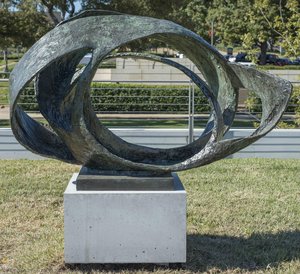
Rhythmic Form


 Ver mais
A obra de arte exibida nesta página é protegida por leis de direitos autorais, o que significa que não podemos criar ou vender legalmente uma reprodução idêntica. Esta proteção é aplicada por meio de acordos internacionais, tais como a Convenção de Berna e pelas leis nacionais, incluindo as estabelecidas por Lei de Direitos Autorais dos EUA - Título 17.
Este método cumpre plenamente as regulamentações de direitos autorais, pois não envolve a cópia ou duplicação da obra protegida. Em vez disso, trata-se de uma reinterpretação criativa — uma nova pintura que é influenciada pela original, mas não idêntica a ela.
Giclée / Impressão de Arte
Impressão giclée ou em tela de qualidade de museu, com produção rápida e opções flexíveis de acabamento. ( Encomendar reprodução pintada à mão Ver Imagem Digital)




































Escolha entre os nossos tamanhos pré-definidos que respeitam as proporções originais da obra de arte.

Digite a largura e a altura de que necessita, para se ajustar à sua moldura ou à sua parede. Uma impressão só pode ser cortada, nunca ampliada além da imagem original, pelo que um tamanho com uma proporção diferente perderá parte da imagem. Enviamos-lhe uma maquete digital para aprovação antes de imprimirmos qualquer coisa. A imagem apresentada nesta página não mostra o corte real — apenas a maquete o faz.
Entrega mundial () em 2 semanas, em vez das 4/5 semanas padrão. (24 Outubro)

Envio expresso gratuito para todo o mundo

Tela de Linho Premium

Seguro de transporte total

Garantia de Reembolso de Impostos Alfandegários

Garantia de Fidelidade de Cor

Política de Devolução em 100 Dias (Apenas para Defeitos)

Garantia de reembolso de 100%

Desconto para múltiplas unidades
 A opção de vidro está disponível apenas para tamanhos inferiores a 110 cm

Rhythmic Form
Giclée / Impressão de Arte
Dimensões da Reprodução
-


Preço Total
€ 54
Rhythmic Form: A Dialogue Between Space and Spirit
Barbara Hepworth’s “Rhythmic Form,” created in 1949, stands as a testament to the profound influence of Surrealist ideas on British sculpture during World War II. More than just an aesthetically pleasing object, it embodies Hepworth's unwavering belief that sculpture could translate thought into tangible form—a conviction deeply rooted in her engagement with artists like Arp and Brancusi who championed direct carving and explored the relationship between art and nature. The piece itself is a striking example of Hepworth’s signature style: monumental forms sculpted from wood, meticulously shaped to evoke movement and resonance. Its central hole isn't merely an incision; it’s a deliberate gesture that seeks to unify opposing forces—a visual metaphor for Hepworth’s exploration of duality and balance within the creative process.- Material & Technique: Crafted from Rosewood, “Rhythmic Form” utilizes a technique honed during Hepworth's formative years in Paris – a method characterized by careful consideration of material properties and an intuitive understanding of how form interacts with space. The sculptor’s hand meticulously removes wood shavings to reveal the underlying structure, resulting in a surface that is both smooth and subtly textured.
- Historical Context: Hepworth's work emerged from a period marked by significant artistic experimentation and intellectual ferment. The Unit One group—which included Nicholson, Gabo, and Nash—challenged conventional sculptural approaches, prioritizing abstraction and responding to the anxieties of wartime Britain with an embrace of geometric forms and organic shapes.
- Symbolism & Inspiration: Hepworth drew inspiration from Neolithic Menhirs – monolithic stones erected as memorials to ancient rituals – recognizing their ability to convey timelessness and spiritual significance. She likened her sculptures to these stones, emphasizing the desire for them to “furnish a means of egress for the soul,” reflecting her belief in sculpture’s capacity to transcend mere visual representation.
- Hepworth's Philosophy: Hepworth famously described sculpture as "the plastic projection of thought," highlighting its role in capturing intangible ideas and emotions. She insisted that the work should “put no pressure on anything,” signifying a rejection of didacticism and an affirmation of art’s autonomy—a stance that aligns with her broader philosophical commitment to embracing spontaneity and responding authentically to the material at hand.
- Legacy & Influence: Hepworth's pioneering approach to sculpture continues to inspire artists today, particularly those interested in exploring spatial relationships and investigating the interplay between form and gesture. Her enduring impact is evident in the work of subsequent sculptors who adopted similar techniques and pursued similar conceptual concerns—a legacy cemented by her inclusion in Tate’s collection and celebrated as a cornerstone of British Modernism.
Perguntas e Respostas
Quanta luz as cores de "Rhythmic Form" parecem refletir?
As cores de "Rhythmic Form" apresentam uma luminância Luminous.
Em que ano foi criado "Rhythmic Form" de Barbara Hepworth?
A criação de "Rhythmic Form" de Barbara Hepworth data de 1949.
Qual tamanho devo imprimir para "Rhythmic Form" para o meu quarto?
Em um(a) Living Room, sugere-se que "Rhythmic Form" seja impresso no tamanho Large.
Obras Relacionadas



Biografia do Artista
Barbara Hepworth: A Pioneer of Modern Sculpture
Barbara Hepworth (Wakefield, Yorkshire, 10 January 1903 — Saint Ives, Cornwall, 20 May 1975), was an English artist and sculptor whose groundbreaking approach to abstraction revolutionized the art world in the mid-20th century. Born into a family of engineers—her father, Herbert Hepworth, worked for West Riding County Council—Jocelyn Barbara Hepworth’s early life instilled in her a fascination with precision and form, influences that would permeate her artistic vision throughout her career.- Early Influences & Education: Hepworth's formative years were marked by exposure to the landscapes of Yorkshire and the encouragement of Miss McCroben, headteacher at Wakefield Girls’ High School, who recognized Hepworth’s talent for drawing and encouraged her ambition to pursue higher education. She excelled academically, securing a scholarship to Leeds School of Art in 1920 where she encountered Henry Moore—a friendship that would endure for decades and profoundly shape their artistic trajectories.
- Royal College of Art & The Birth of Modern Sculpture: Hepworth’s studies at the Royal College of Art from 1921 to 1924 proved pivotal. Alongside Moore, she embraced a radical new aesthetic—direct carving—rejecting traditional modeling techniques in favor of working directly with stone and wood. This method allowed for an unprecedented level of spontaneity and responsiveness to material qualities, establishing Hepworth as one of the foremost figures in the burgeoning movement of abstraction-création.
The Surrealist Years & Collaboration with Ben Nicholson
Hepworth’s artistic journey gained momentum during her involvement with the Hampstead Circle group—a collective of avant-garde artists united by a shared commitment to exploring subconscious imagery and geometric abstraction. Her relationship with Ben Nicholson blossomed in 1931, culminating in marriage shortly thereafter. Together they established a studio in St Ann's Terrace, Hampstead, where Hepworth honed her craft and experimented with new materials—particularly stringed sculptures that captured the essence of natural forms through rhythmic repetition and textural interplay.Monumental Sculpture & Recognition
The Second World War brought Hepworth and Nicholson to St Ives, Cornwall, where they found inspiration in the rugged Cornish coastline. During this period, Hepworth undertook ambitious commissions—most notably Winged Figure (1961–3), a monumental sculpture commissioned by John Lewis for their Oxford Street flagship store—demonstrating her mastery of scale and materiality. Her work gained international acclaim, securing prestigious awards and cementing her place as one of the most influential sculptors of her time.Legacy & Artistic Significance
Barbara Hepworth’s enduring legacy resides in her unwavering dedication to exploring the fundamental principles of form and space—a pursuit that transcended stylistic conventions and established her as a visionary pioneer of modern sculpture. Her sculptures continue to inspire artists worldwide, serving as testament to her artistic genius and her profound contribution to the history of art.
Barbara Hepworth
1903 - 1975 , Reino Unido
Informações Rápidas
- Artistic Movement Or Style: Modernismo
- Artists Or Movements Influenced By This Artist: ['Unit One']
- Artists Who Influenced This Artist: ['Henry Moore']
- Date Of Birth: 10 janeiro 1903
- Full Name: Jocelyn Barbara Hepworth
- Nationality: Inglesa
- Notable Artworks:
- Oval Form
- Two Forms
- Totem
- Place Of Birth: Wakefield, Inglaterra
Artigos Relacionados

Kandinsky: As 25 Obras-Primas que Definem o Abstracionismo | ArtsDot
Descubra as 25 obras-primas de Wassily Kandinsky, pioneiro da arte abstrata! Explore a história, cores e significado por trás de cada pintura. Encontre reproduções de alta qualidade e inspire sua decoração em ArtsDot.com.

The Enduring Form: Exploring Themes & Techniques in Sculpture Across Historical Periods
Explore the rich history of sculpture from ancient masterpieces to contemporary innovations. Discover key techniques, influential artists & investment potential for discerning art collectors.

Abstração Geométrica: 10 Obras-Primas que Moldaram a Arte Moderna | ArtsDot.com
Descubra as 10 obras-primas da Abstração Geométrica que revolucionaram a arte moderna! Explore Kandinsky, Mondrian e outros artistas icônicos. Encontre reproduções de alta qualidade para decorar sua casa com ArtsDot.com.

Esculturas em Bronze Icônicas: 10 Obras que Revolucionaram a Arte | ArtsDot
Descubra as 10 esculturas em bronze mais icônicas da história! Explore a arte de Rodin, Michelangelo e outros mestres. Encontre reproduções de alta qualidade para sua casa em ArtsDot.com.

Barbara Hepworth: A Sculptural Dialogue with Form, Space & the Human Condition
Explore the profound world of Barbara Hepworth's sculpture. Discover her artistic evolution, iconic forms, and lasting influence on modern art. A guide for collectors & enthusiasts.


