

- 92.0 x 126.0 cm


Obraz dostosowuje się do Twoich wyborów: , .
Opis obiektu
Święcąca Rozmowę Vittore Carpaccio – impresjonistyczne dzieło włoskiego malarza z okresu Renesansu przedstawiające scenę religijną Jezusa i Marii Magdaleny, pełną szczegółów i ciepłych barw. Znajdziesz więcej obrazów na WikiArt!
 Rozwiń treść
Biografia artysty
Poznaj Vittore Carpaccio (1465-1526), włoskiego malarza szkoły weneckiej znanego z monumentalnych cykli obrazów religijnych i scen z życia codziennego Wenecji oraz wyjątkowego połączenia stylu gotyku międzynarodowego z wpływami sztuki niderlandzkiej. Jego dzieła, takie jak Cykl Świętej Ursuli, fascynują szczegółowymi kolorami i kompozycjami!
Ręcznie malowana reprodukcja olejowa
Ręcznie malowany obraz olejny na płótnie, wykonany na zamówienie przez naszych artystów w wybranym przez Ciebie wymiarze i oprawie. ( Przełącz na wydania drukowane Przejdź do wersji cyfrowej)
Więcej o tym obrazie
 Podgląd w skali 1:1
 Wyślij jako kartkę
 Udostępnij
 Szczegóły dzieła
 Przewodnik

 Pobierz obraz
 Podobne obiekty
 RTG
RTG Pokaz slajdów
 Pytania i odpowiedzi
 Statystyki
Zamów swój obraz w czterech prostych krokach
Nie spiesz się. Możesz zmienić każdą odpowiedź; cena w Twoim koszyku będzie aktualizowana po każdym wyborze.
1 Pierwszy z czterech kroków
Który rozmiar wybierasz?
Te rozmiary zachowują proporcje oryginalnego obrazu. Rysunek przedstawia wybrany przez Ciebie format na ścianie, nad dwumetrową sofą.
lub podaj własne wymiary
Wybierz spośród naszych standardowych rozmiarów, które zachowują oryginalne proporcje dzieła sztuki.

Wpisz wymaganą szerokość i wysokość, aby obraz pasował do Twojej ramy lub ściany. Ponieważ jest to dzieło malowane ręcznie, w przypadku rozmiaru o innych proporcjach artysta może domalować nieco więcej wokół obrazu lub przyciąć jego fragmenty — wybór należy do Ciebie. Przed rozpoczęciem pracy prześlemy Ci cyfrową wizualizację do zatwierdzenia. Obraz widoczny na tej stronie nie przedstawia rzeczywistego efektu — jedynie wizualizacja oddaje realny rezultat.
2 Drugi z czterech kroków
W jaki sposób przygotować dzieło: w formie tuby, na krosnach czy w ramie?
Poniższe ceny dotyczą rozmiaru wybranego w pierwszym kroku.
Wybierz krawędzie płótna naciągniętego na ramę
Wybierz ramę

Białe krawędzie zł1

rozmyte krawędzie zł1

Przedłużony zł1

P118B zł10

P118H zł10

P118W zł10

P438Z zł10

P508JH zł12

P508YH zł12

P805H zł10

P805Z zł10

P919BZ zł10

P919G zł10

P919XJ zł10

P959ZH zł10

P968JZ zł12

W106C zł8

W218G zł10

W218JH zł8

W218Y zł10

W307PJ zł10

W316G zł10

W316PJ zł8

W316Y zł10

W398PJ zł8

W4111J zł10

W500HY zł15

W500JH zł15

W692G zł12

W849H zł8

W940BG zł15

W953PJ zł8

H24-GOLD zł30

H24-SILVER zł30

H36-GOLD zł45

H36-SILVER zł45
W oprawie
Profil: . Wymiar całkowity w ramie: .
3 Trzeci z czterech kroków
Czy chcieliby Państwo wprowadzić jakieś zmiany w obrazie?
Większość osób odpowiada przecząco. Ponieważ każdy obraz jest tworzony ręcznie, nasz artysta może również dostosować go do Twoich potrzeb.
Po złożeniu zamówienia zespół ArtsDot.com skontaktuje się z klientem drogą mailową w celu uzyskania instrukcji i prześle podgląd projektu
4 Krok czwarty z czterech
Kilka opcji wykończenia
Wszystkie są opcjonalne. Wybrane już odpowiedzi nie wiążą się z żadnymi dodatkowymi kosztami.
Kto jest autorem?
Dostawa na całym świecie () w ciągu 3–4 tygodni zamiast standardowych 5 tygodni. (8 Listopad). Bez kompromisów w kwestii jakości.
Tabliczka informacyjna, jak w muzeum?
Szczegóły grawerowanej brązowej tabliczki
This elegant plaque features the artist's name and the title of the artwork, finely engraved for a timeless presentation.
It is made from bronze with a refined, elegant finish. The text is precisely laser-engraved for a sharp and permanent result. Measuring 9x2 cm, the plaque is compact yet easy to read. It's built to be durable and scratch-resistant, offering a professional, museum-quality look. Mounting is simple thanks to the included adhesive backing.
Szczegóły przezroczystej tabliczki akrylowej
The plaque includes essential engraved details such as the artist's name, the title of the artwork, the date it was created, the type of media used-like oil on canvas or watercolor-a brief description of the piece, and a QR code that links to the complete artwork information.
It is crafted from clear acrylic, offering a sleek, modern appearance. The text is UV-engraved in black to ensure strong visual contrast. With a size of 10x15 cm, it ensures optimal readability. It comes equipped with two metal hooks for secure wall mounting. The plaque is designed to be weather-resistant, making it suitable for various environments, and it includes interactive features that work seamlessly with smartphone scanning.
Szczegóły czarnej tabliczki akrylowej
This elegant plaque includes engraved information such as the artist's name, the title of the artwork, the date it was created, the type of media used (like oil on canvas or watercolor), a short description of the artwork, and a QR code for quick access to more information.
The plaque itself is made from refined black acrylic with a premium finish. The text is laser-engraved in white for high contrast and readability. Its size is 10x15 cm, designed to be easy to read. It comes with two metal hooks for professional mounting. The design is sleek and fits any interior style. It is also weather-resistant and durable, with built-in digital integration for mobile compatibility.
Werniks ochronny?
Kiedy potrzebujesz dostawy?
✓ Sprawdź i zamów
Twoje dzieło, dokładnie tak, jak zamówiłeś

Holy Conversation
Technika reprodukcji
Wymiary reprodukcji
-

Wybitny mistrz artystyczny
Większa szczegółowość, finezja i dodatkowy czas na realizację
-

Opcje oprawy reprodukcji
-
-
W przypadku dzieł sztuki lub reprodukcji, których którykolwiek z boków przekracza 105 cm (około 41 cali), rama zostanie wysłana w formie zestawu do samodzielnego montażu. Metoda ta zapewnia bezpieczną dostawę i zapobiega uszkodzeniom podczas transportu.
Wymagany profesjonalny montaż – nie jest to produkt typu DIY.
Zestaw musi zostać złożony, a płótno naciągnięte przez doświadczonego profesjonalnego ramiarza, przy użyciu kleju do drewna (brak w zestawie), kleszczy do naciągania płótna oraz ścisków, które utrzymają krosna w równej pozycji podczas schnięcia kleju. Nieprawidłowy montaż lub nierównomierne napięcie płótna może trwale uszkodzić dzieło sztuki i nie podlega naszej gwarancji.
 W przypadku dzieł sztuki lub reprodukcji, których którykolwiek z boków przekracza 105 cm (około 41 cali), rama zostanie wysłana w formie zestawu do samodzielnego montażu. Metoda ta zapewnia bezpieczną dostawę i zapobiega uszkodzeniom podczas transportu.
W zestawie znajdują się wszystkie listwy z litego drewna, precyzyjnie docięte do wymiarów.
Montaż odbywa się przy użyciu dołączonych wkrętów oraz kleju do drewna do łączenia narożników, którego zestaw nie zawiera i który musi zostać dostarczony przez ramiarza.
Wymagane są profesjonalne narzędzia, których nie ma w zestawie: kleszcze do naciągania płótna (napinacz) oraz zaciski, które pozwolą utrzymać listwy w równej pozycji podczas schnięcia kleju.
Ważne:
Do połączenia narożników niezbędny jest klej do drewna, listwy należy unieruchomić za pomocą ścisków do momentu całkowitego wyschnięcia kleju, a naciągnięcie płótna na złożoną ramę wymaga użycia kleszczy do naciągania płótna. Żaden z tych elementów nie jest dołączony do zestawu. Przed zamówieniem tego rozmiaru zalecamy konsultację z doświadczonym ramiarzem.

Etykieta obiektu
-
-

Lakier ochronny
Lakier z połyskiem (pogłębia kolory, chroni przed światłem i wilgocią)
-

Personalizacja dzieła
Przykłady możliwości personalizacji: zastąp twarz zdjęciem klienta; dodaj zwierzę domowe (np. zamień kota na psa); umieść ukrytą wiadomość w tle; zmień krajobraz lub elementy tła.
-

Ekspresowa
Dostawa na cały świat () w ciągu 3–4 tygodni zamiast standardowych 5 tygodni. (8 Listopad). Bez kompromisów w kwestii jakości.
-
Przesyłka ekspresowa
Dostawa na cały świat () w ciągu 5 tygodni. (15 Listopad).
W cenie
Cena całkowita
zł 1029
Opcja ze szkłem jest dostępna wyłącznie w rozmiarach poniżej 110 cm
W każdym zamówieniu
- Bezpłatna ekspresowa wysyłka na cały świat
- Wysokiej jakości płótno lniane
- Pełne ubezpieczenie przesyłki
- Gwarancja zwrotu należności celnych i podatków importowych
- Gwarancja wiernego odwzorowania kolorów
- 100-dniowa polityka zwrotów (tylko w przypadku wad)
- Gwarancja 100% zwrotu pieniędzy
- Zniżka przy zakupie wielu sztuk


Holy Conversation by Vittore Carpaccio
Vittore Carpaccio’s “Holy Conversation,” completed around 1505 in Venice, stands as a testament to the enduring influence of early Netherlandish art blended seamlessly with Venetian Renaissance sensibilities. More than just a depiction of religious iconography—it's an immersive experience into the spiritual landscape of its time.
Subject Matter and Narrative
The painting portrays Saint Ursula’s Legend, a poignant tale recounting the miraculous survival of 117 virgin maidens during a perilous journey to Cologne Cathedral. Carpaccio meticulously captures this narrative drama, presenting the figures—Ursula, her attendants, and Saint Benedict—engaged in earnest prayer amidst a richly detailed medieval setting.
Style and Technique: Venetian Realism Revisited
Carpaccio’s style diverges markedly from the humanist fervor sweeping across Italy during his lifetime. Unlike many of his contemporaries who embraced idealized forms and classical proportions, Carpaccio prioritizes realism—a characteristic inherited from Antonello da Messina and profoundly shaped by the artistic traditions of Bruges. The artist employs tempera on canvas, a technique favored for its luminosity and ability to render subtle gradations of color. Observe how Carpaccio skillfully utilizes light to illuminate faces and drapery, creating an atmosphere of solemn contemplation.
Historical Context: Cologne Cathedral and Medieval Piety
“Holy Conversation” reflects the fervent piety prevalent in Venice during the Renaissance—a devotion rooted in pilgrimage traditions centered on Saint Ursula’s shrine. The cathedral itself served as a focal point for spiritual fervor, attracting pilgrims from across Europe who sought divine grace. Carpaccio's depiction captures this palpable atmosphere of faith and reverence, transporting viewers back to a pivotal moment in medieval religious history.
Symbolism: Light, Prayer, and Divine Presence
Carpaccio’s masterful use of color—particularly the dominant hues of gold and crimson—embodies symbolic significance. Gold represents divine glory and holiness, while crimson symbolizes Christ's sacrifice and spiritual passion. The figures’ postures of prayer convey humility and devotion, emphasizing their yearning for communion with God. Furthermore, Carpaccio incorporates architectural elements—such as the cathedral’s arches—to reinforce the painting’s sacred dimension.
Emotional Impact: A Moment Frozen in Time
"Holy Conversation" transcends mere visual representation; it evokes a profound emotional response. The serene expressions of Saint Ursula and her companions convey compassion and unwavering faith, inviting contemplation on themes of purity, perseverance, and spiritual transcendence. Carpaccio’s meticulous attention to detail—from the folds of drapery to the textures of stone—creates an immersive experience that resonates with viewers centuries later.
- Artist: Vittore Carpaccio
- Year Created: c.1505
- Medium: Tempera on Canvas
- Location: Musée du Petit Palais, Avignon
- Style: High Renaissance
Explore the captivating Venetian Renaissance paintings of Vittore Carpaccio (1465-1526). Known for narrative cycles like ‘The Legend of St. Ursula,’ his work blends early Netherlandish & Italian styles with a unique orientalist flair. Discover his intricate details, narrative cycles like 'The Legend of St. Ursula,' and unique artistic style.
Pytania i odpowiedzi
Jaki jest dominujący kolor dzieła „Holy Conversation” – Vittore Carpaccio?
Dominującym odcieniem w „Holy Conversation” – Vittore Carpaccio jest Od bursztynu po szafran.
Jaki kolor dominuje w kompozycji „Holy Conversation” – Vittore Carpaccio?
Dominującym kolorem dzieła „Holy Conversation” – Vittore Carpaccio jest Głęboki brąz kawowy (#372a2c).
Z której epoki pochodzi "Holy Conversation"?
Dzieło „Holy Conversation” – Vittore Carpaccio pochodzi z okresu Renesans. Klasyfikacja ta pozwala umiejscowić pracę w kontekście historii sztuki.
Podobne dzieła


Vittore Carpaccio
1465 - 1526, Włochy
Biografia artysty
Early Life and Training
Vittore Carpaccio, a prominent Italian painter of the Venetian school, was born in Venice around 1465. He descended from a family of fishermen and boat builders—a heritage that instilled in him an appreciation for craftsmanship and observation of nature. His artistic education began under the tutelage of Gentile Bellini, a celebrated artist of the Venetian Renaissance, whose workshop fostered a tradition of meticulous detail and narrative storytelling. This formative apprenticeship profoundly shaped Carpaccio’s future artistic endeavors, equipping him with foundational skills and introducing him to the stylistic conventions of his time.Artistic Style and Influences
Carpaccio's distinctive style was characterized by its remarkable conservatism—a deliberate rejection of the radical innovations sweeping through Italian art during the humanist era. Unlike many of his contemporaries who embraced new perspectives and experimented with groundbreaking techniques, Carpaccio adhered to established artistic traditions, primarily influenced by Antonello da Messina’s refined realism and early Netherlandish painting. This singular blend resulted in a visual language that was both deeply rooted in Venetian heritage and subtly informed by Northern European aesthetics. His palette favored muted hues—particularly deep reds and blues—creating an atmosphere of solemn contemplation and conveying profound emotional depth.Notable Works
Carpaccio’s artistic output spanned from 1490 to 1519, cementing his position as one of the earliest masters of the Venetian Renaissance. Among his most enduring achievements is undoubtedly “The Legend of Saint Ursula,” a monumental cycle of nine paintings housed in the Gallerie dell'Accademia—a testament to Carpaccio’s unparalleled ability to depict biblical narratives with breathtaking accuracy and emotional resonance. The altarpiece depicting Saint Ursula and her companions exemplifies Carpaccio’s masterful command of light and color, mirroring Bellini’s luminous style and capturing the spiritual fervor of the period. Furthermore, “Miracle of the Relic of the Cross at the Ponte di Rialto” showcases Carpaccio's exceptional compositional skill—balancing intricate detail with a dynamic sense of movement to heighten dramatic impact. His oeuvre includes depictions of Saint George Baptizing the Selenites, demonstrating his fascination with oriental motifs and reflecting the broader intellectual currents of Renaissance Venice.Career Highlights and Legacy
Carpaccio’s artistic career flourished during a period of significant cultural transformation in Italy—a time when Venetian art was undergoing a gradual shift toward greater naturalism and psychological complexity. He collaborated closely with Bellini on the decoration of Doge's Palace, contributing to the grandeur and prestige of Venice’s ruling elite. Despite being somewhat overshadowed by luminaries like Bellini and Giorgione, Carpaccio nonetheless left an indelible mark on Venetian art history—his meticulous observation of reality and his unwavering devotion to artistic tradition securing him a place among the most revered figures of the Renaissance. His legacy continues to inspire artists today who strive for authenticity and emotional depth in their work.References and Further Reading
Discover more about Vittore Carpaccio and the Venetian School on ArtsDot.


Powiązane artykuły

Jacopo Tintoretto: 25 Arcydzieł Pełnych Dramatyzmu i Światła | ArtsDot.com
Odkryj 25 arcydzieł Jacopo Tintoretto – weneckiego mistrza dramatyzmu i światła! Poznaj historie, techniki i inspiracje za jego najsłynniejszymi obrazami. Reprodukcje najwyższej jakości na ArtsDot.com. Eksploruj kolekcję online!
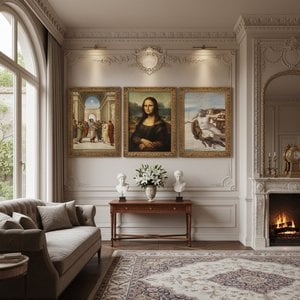
10 Arcydzieł Renesansu: Obrazy, które Zdefiniowały Epokę | ArtsDot.pl
Odkryj 10 arcydzieł renesansu – od Mona Lisy po freski Michała Anioła! Poznaj historie, techniki i wpływ największych artystów. Reprodukcje najwyższej jakości na ArtsDot.com. Eksploruj kolekcję online!
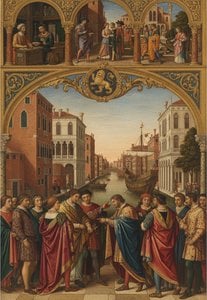
Vittore Carpaccio: Venetian Renaissance Narrative & the Poetics of Detail
Explore the captivating world of Vittore Carpaccio, a master storyteller of the Venetian Renaissance. Discover his intricate details, narrative cycles like 'The Legend of St. Ursula,' and unique artistic style.