


Obraz dostosowuje się do Twoich wyborów: , .
Opis obiektu
Odtworzony obraz Stephena Bone'a "Dust in Normandy". Inspirujący krajobraz z koniami i ludźmi, przedstawiający wydarzenia II Wojny Światowej. Doskonała dekoracja wnętrza!
 Rozwiń treść
Biografia artysty
Stephen Bone (1904–1958): Znajdź żywe krajobrazy brytyjskie i znaczące dzieła sztuki II wojny światowej przez tego angielskiego malarza, pisarza i wojennego artystę. Odkryj jego jasną stylistykę!
Ten utwór podlega ochronie prawem autorskim
Dzieło sztuki prezentowane na tej stronie podlega ochronie prawem autorskim, co oznacza, że nie mamy prawa do tworzenia ani sprzedaży jego identycznej reprodukcji. Ochrona ta jest egzekwowana na mocy umów międzynarodowych, takich jak Konwencja berneńska oraz przez przepisy prawa krajowego, w tym te określone w Prawo autorskie USA – Tytuł 17.
Jako pełną szacunku i legalną alternatywę oferujemy personalizowane, malowane ręcznie dzieła sztuki inspirowane oryginałem. Nasi wykwalifikowani i profesjonalni artyści starannie analizują styl, nastrój oraz artystyczną esencję pierwowzoru, aby stworzyć nowe, unikalne dzieło, które przywołuje te same emocje – pozostając jednocześnie w pełni oryginalną kreacją.
Metoda ta jest w pełni zgodna z przepisami prawa autorskiego, ponieważ nie polega na kopiowaniu ani powielaniu chronionego dzieła. Stanowi ona kreatywną reinterpretację – nowy obraz, który czerpie inspirację z oryginału, ale nie jest z nim tożsamy.
Zamów swój w czterech prostych krokach
Nie spiesz się. Możesz zmienić każdą odpowiedź; cena w Twoim koszyku będzie aktualizowana po każdym wyborze.
1 Pierwszy z czterech kroków
On which medium should it be printed?
Canvas is printed with giclée inks and can be stretched or framed like a painting; paper comes flat, or framed behind glass.
2 Drugi z czterech kroków
Który rozmiar wybierasz?
Te rozmiary zachowują proporcje oryginalnego obrazu. Rysunek przedstawia wybrany przez Ciebie format na ścianie, nad dwumetrową sofą.
lub podaj własne wymiary
Wybierz spośród naszych standardowych rozmiarów, które zachowują oryginalne proporcje dzieła sztuki.

Wpisz wymaganą szerokość i wysokość, aby dopasować grafikę do ramy lub ściany. Wydruk można jedynie przyciąć, nigdy nie powiększając go poza oryginalny obraz, dlatego format o innych proporcjach spowoduje utratę części kompozycji. Przed rozpoczęciem druku prześlemy Ci cyfrowy podgląd do zatwierdzenia. Obraz wyświetlany na tej stronie nie pokazuje rzeczywistego przycięcia — jedynie podgląd oddaje ten efekt.
3 Trzeci z czterech kroków
W jaki sposób przygotować dzieło: w formie tuby, na krosnach czy w ramie?
Poniższe ceny dotyczą rozmiaru wybranego w pierwszym kroku.
Wybierz krawędzie płótna naciągniętego na ramę
Wybierz ramę

Białe krawędzie zł1

rozmyte krawędzie zł1

Przedłużony zł1

P118B zł10

P118H zł10

P118W zł10

P438Z zł10

P508JH zł12

P508YH zł12

P805H zł10

P805Z zł10

P919BZ zł10

P919G zł10

P919XJ zł10

P959ZH zł10

P968JZ zł12

W106C zł8

W218G zł10

W218JH zł8

W218Y zł10

W307PJ zł10

W316G zł10

W316PJ zł8

W316Y zł10

W398PJ zł8

W4111J zł10

W500HY zł15

W500JH zł15

W692G zł12

W849H zł8

W940BG zł15

W953PJ zł8

H24-GOLD zł30

H24-SILVER zł30

H36-GOLD zł45

H36-SILVER zł45
W oprawie
Profil: . Wymiar całkowity w ramie: .
4 Krok czwarty z czterech
Kilka opcji wykończenia
Wszystkie są opcjonalne. Wybrane już odpowiedzi nie wiążą się z żadnymi dodatkowymi kosztami.
Dostawa na cały świat () w ciągu 2 tygodni zamiast standardowych 4/5 tygodni. (21 Listopad)
Tabliczka informacyjna, jak w muzeum?
Szczegóły grawerowanej brązowej tabliczki
This elegant plaque features the artist's name and the title of the artwork, finely engraved for a timeless presentation.
It is made from bronze with a refined, elegant finish. The text is precisely laser-engraved for a sharp and permanent result. Measuring 9x2 cm, the plaque is compact yet easy to read. It's built to be durable and scratch-resistant, offering a professional, museum-quality look. Mounting is simple thanks to the included adhesive backing.
Szczegóły przezroczystej tabliczki akrylowej
The plaque includes essential engraved details such as the artist's name, the title of the artwork, the date it was created, the type of media used-like oil on canvas or watercolor-a brief description of the piece, and a QR code that links to the complete artwork information.
It is crafted from clear acrylic, offering a sleek, modern appearance. The text is UV-engraved in black to ensure strong visual contrast. With a size of 10x15 cm, it ensures optimal readability. It comes equipped with two metal hooks for secure wall mounting. The plaque is designed to be weather-resistant, making it suitable for various environments, and it includes interactive features that work seamlessly with smartphone scanning.
Szczegóły czarnej tabliczki akrylowej
This elegant plaque includes engraved information such as the artist's name, the title of the artwork, the date it was created, the type of media used (like oil on canvas or watercolor), a short description of the artwork, and a QR code for quick access to more information.
The plaque itself is made from refined black acrylic with a premium finish. The text is laser-engraved in white for high contrast and readability. Its size is 10x15 cm, designed to be easy to read. It comes with two metal hooks for professional mounting. The design is sleek and fits any interior style. It is also weather-resistant and durable, with built-in digital integration for mobile compatibility.
Werniks ochronny?
Kiedy potrzebujesz dostawy?
✓ Sprawdź i zamów
Your print, as you ordered it

Dust in Normandy
Technika reprodukcji
Wymiary reprodukcji
-

Opcje oprawy reprodukcji
-
-
W przypadku dzieł sztuki lub reprodukcji, których którykolwiek z boków przekracza 105 cm (około 41 cali), rama zostanie wysłana w formie zestawu do samodzielnego montażu. Metoda ta zapewnia bezpieczną dostawę i zapobiega uszkodzeniom podczas transportu.
Wymagany profesjonalny montaż – nie jest to produkt typu DIY.
Zestaw musi zostać złożony, a płótno naciągnięte przez doświadczonego profesjonalnego ramiarza, przy użyciu kleju do drewna (brak w zestawie), kleszczy do naciągania płótna oraz ścisków, które utrzymają krosna w równej pozycji podczas schnięcia kleju. Nieprawidłowy montaż lub nierównomierne napięcie płótna może trwale uszkodzić dzieło sztuki i nie podlega naszej gwarancji.
 W przypadku dzieł sztuki lub reprodukcji, których którykolwiek z boków przekracza 105 cm (około 41 cali), rama zostanie wysłana w formie zestawu do samodzielnego montażu. Metoda ta zapewnia bezpieczną dostawę i zapobiega uszkodzeniom podczas transportu.
W zestawie znajdują się wszystkie listwy z litego drewna, precyzyjnie docięte do wymiarów.
Montaż odbywa się przy użyciu dołączonych wkrętów oraz kleju do drewna do łączenia narożników, którego zestaw nie zawiera i który musi zostać dostarczony przez ramiarza.
Wymagane są profesjonalne narzędzia, których nie ma w zestawie: kleszcze do naciągania płótna (napinacz) oraz zaciski, które pozwolą utrzymać listwy w równej pozycji podczas schnięcia kleju.
Ważne:
Do połączenia narożników niezbędny jest klej do drewna, listwy należy unieruchomić za pomocą ścisków do momentu całkowitego wyschnięcia kleju, a naciągnięcie płótna na złożoną ramę wymaga użycia kleszczy do naciągania płótna. Żaden z tych elementów nie jest dołączony do zestawu. Przed zamówieniem tego rozmiaru zalecamy konsultację z doświadczonym ramiarzem.

Etykieta obiektu
-
-

Lakier ochronny
Lakier z połyskiem (pogłębia kolory, chroni przed światłem i wilgocią)
-

Ekspresowa
Dostawa na cały świat () w ciągu 2 tygodni zamiast standardowych 4/5 tygodni. (21 Listopad)
-
Przesyłka ekspresowa
Dostawa na cały świat () w ciągu 4-5 tygodni. (28 Listopad).
W cenie
Cena całkowita
zł 247
Opcja ze szkłem jest dostępna wyłącznie w rozmiarach poniżej 110 cm
W każdym zamówieniu
- Bezpłatna ekspresowa wysyłka na cały świat
- Wysokiej jakości płótno lniane
- Pełne ubezpieczenie przesyłki
- Gwarancja zwrotu należności celnych i podatków importowych
- Gwarancja wiernego odwzorowania kolorów
- 100-dniowa polityka zwrotów (tylko w przypadku wad)
- Gwarancja 100% zwrotu pieniędzy
- Zniżka przy zakupie wielu sztuk


Stephen Bone – Dust in Normandy
Dust in Normandy stands as a poignant testament to Stephen Bone’s artistic vision during World War II, capturing not merely a landscape but also the profound emotional resonance of that tumultuous era. Executed in 1944, this oil painting on canvas embodies Bone's signature style—characterized by luminous color palettes and an unwavering commitment to portraying the raw beauty of British countryside despite challenging weather conditions. The artwork’s centerpiece is a sprawling field dusted with autumnal hues, dominated by several horses grazing peacefully amidst hedgerows and grasses. These animals serve as anchors for the viewer’s gaze, grounding the scene in tangible reality while simultaneously conveying a sense of tranquility amidst conflict. A solitary figure rides one of the horses near the center, subtly emphasizing human presence within this expansive natural setting. Bone skillfully employs a muted color scheme—primarily ochre, umber, and ivory black—to evoke a mood of contemplative stillness. The artist’s meticulous brushwork contributes to the painting's textural richness, capturing the subtle nuances of light and shadow that define the Normandy landscape. This technique is particularly evident in the depiction of the horses’ coats and the weathered hedgerows, lending an air of authenticity and immediacy to the composition. The historical context surrounding Dust in Normandy is inextricably linked to Bone’s role as a War Artist's Advisory Committee commissioned painter. Recognizing the importance of documenting the realities of wartime Britain, he sought to convey not just visual splendor but also the psychological impact of displacement and resilience. The painting’s symbolism extends beyond its depiction of pastoral tranquility; it speaks to themes of endurance and connection with nature—values that resonated deeply during a period marked by upheaval and uncertainty. Bone's intention was to capture the spirit of Britain, demonstrating an unwavering belief in the enduring beauty of the natural world even amidst the horrors of war. Bone’s masterful use of color – predominantly earthy tones – reinforces this emotional core. The subtle gradations of hue create depth and luminosity, mirroring the atmospheric conditions prevalent during the Normandy landings. Furthermore, the artist's meticulous attention to detail—evident in the rendering of individual horse hairs and hedgerow textures—elevates Dust in Normandy beyond mere representation; it becomes a conduit for conveying Bone’s profound empathy for both humanity and the natural world. This artwork remains an enduring symbol of British artistic spirit during WWII. The painting's acquisition through the Government Art Collection underscores its significance as a cultural artifact, ensuring its preservation and accessibility for future generations. Its inclusion in exhibitions like those at ArtsDot.com highlights Bone’s contribution to the broader narrative of British art history—a legacy defined by unwavering dedication to capturing beauty and conveying emotion with remarkable precision.Pytania i odpowiedzi
Gdzie mogę znaleźć dzieła sztuki podobne do „Dust in Normandy” – Stephen Bone?
Strona Podobne dzieła dzieła „Dust in Normandy” – Stephen Bone prezentuje powiązane utwory.
W jaki sposób mogę uzyskać plik cyfrowy dzieła „Dust in Normandy” – Stephen Bone?
„Dust in Normandy” jest dostępny jako wysokiej rozdzielczości cyfrowe zdjęcie do pobrania; można go nabyć bezpośrednio na stronie Cyfrowy obraz.
Jaki format i orientacja druku są sugerowane dla „Dust in Normandy” – Stephen Bone?
W przypadku "Dust in Normandy" zalecanym formatem wydruku jest rozmiar Duży format w orientacji Pozioma.
Więcej o tym obrazie
 Podgląd w skali 1:1
 Zamów ręcznie malowaną reprodukcję
 Wyślij jako kartkę
 Udostępnij
 Szczegóły dzieła
 Przewodnik

 Pobierz obraz
 Podobne obiekty
 RTG
RTG Pokaz slajdów
 Pytania i odpowiedzi
 Statystyki
Podobne dzieła


Stephen Bone
1904 - 1958, Wielka Brytania
Biografia artysty
Stephen Bone: Życie i Sztuka
Wczesne lata i edukacja
- Urodzony: Chiswick, Wielka Brytania (1904)
- Zmarł: 1958
- Stephen Bone był synem znamienitego artysty, sir Muirheada Bone'a, oraz pisarki Gertrude Heleny Dodd. To artystyczne dziedzictwo rodzinne wywarło głęboki wpływ na jego wczesny rozwój.
- Edukację rozpoczął w Bedales School, by w 1922 roku podjąć studia w Slade School of Fine Art.
- Jednakże, zniechęcony akademickim podejściem panującym w Slade, opuścił uczelnię w 1924 roku, aby poświęcić się ilustracji książkowej.
Wczesna kariera i rozwój artystyczny
- Bone początkowo odniósł sukces jako ilustrator drzeworytnik, tworząc prace dla swojej matki oraz innych pisarzy. W 1925 roku zdobył złoty medal za drzeworyt na Międzynarodowej Wystawie w Paryżu.
- W 1926 roku, wraz z Rodneyem Josephem Burnem i Robinem Guthrie, wystawił swoje prace w Goupil Gallery, co stanowiło istotny krok w budowaniu jego artystycznego uznania.
- W 1928 roku namalował mural dla stacji metra Piccadilly Circus, demonstrując swoją wszechstronność i poszerzając artystyczne horyzonty.
- Małżeństwo z artystką Mary Adshead w 1929 roku zaowocowało licznymi podróżami po Brytanii i Europie. Podróże te odegrały kluczową rolłę w wypracowaniu jego charakterystycznego stylu jasnego malarstwa pejzażowego, polegającego na chwytaniu scen en plein air bez względu na panujące warunki pogodowe.
Lata 30.: Malarstwo pejzażowe i wystawy
- W latach 30. Bone regularnie wystawiał swoje dzieła w prestiżowych galeriach, takich jak Fine Art Society, Lefevre Gallery oraz Redfern Gallery.
- W 1936 roku zaprezentował serię 41 obrazów przedstawiających brytyjskie hrabstwa w Ryman Gallery w Oksfordzie, ukazując swoje oddanie próbie uchwycenia esencji brytyjskiego krajobrazu.
- Swoją międzynarodową obecność wzmocnił również wystawami w Sztokholmie w latach 1936 i 1937.
Artysta wojenny i wkład w okres II wojny światowej
- Wraz z wybuchem II wojny światowej, Bone wstąpił do służby jako oficer w Civil Defence Camouflage Establishment.
- W _1943 roku został mianowany pełnoetatowym artystą opłacanym przez War Artists' Advisory Committee, specjalizując się w tematach związanych z Admiralicją. Rolę tę pełnił wcześniej jego ojciec, Muirhead Bone, lecz Stephen przejął ją po tragicznej śmierci ich syna, Gavina.
- Znaczące dzieła wojenne: Stworzył liczne płótna przedstawiające instalacje przybrzeżne i jednostki morskie, w tym sceny malowane na pokładach okrętów podwodnych.
- Bone był świadkiem i dokumentalistą lądowania w Normandii w 1944 roku, malując sceny w Caen i Courseulles. Rejestrował również szturm na wyspę Walcheren w Holandii.
- Pod koniec 1944 roku podróżował do Norwegii, dokumentując wrak okrętu Tirpitz oraz rejestrując zdobyte bazy morskie, a także masowe groby jeńców wojennych.
Powojenna kariera i dziedzictwo
- Po wojnie Bone odniósł wrażenie, że jego styl wyszedł nieco z mody. Mimo kontynuowania pracy malarskiej, napotykał trudności z wystawianiem swoich dzieł.
- Zajął się krytyką artystyczną, pisząc dla „Manchester Guardian” oraz publikując humorystyczne teksty w „Glasgow Herald”.
- Bone pracował również w telewizji i radiu dla BBC, a wspólnie z żoną tworzył książki dla dzieci. Razem organizowali także kurs malowania murali w Dartington.
- W 1957 roku został mianowany dyrektorem Hornsey College of Art.
- Śmierć: Stephen Bone zmarł na raka 15 września 1958 roku w szpitalu St Bartholomew's w Londynie.
- Twórczość Stephena Bone'a stanowi niezwykle cenną wizualną kronikę połowy XX wieku w Wielkiej Brytanii, obejmującą zarówno spokój jej krajobrazów, jak i brutalną rzeczywistość czasu wojny.


Powiązane artykuły
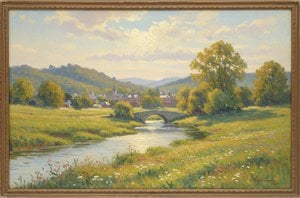
Henry Marvell Carr: A Study in American Impressionism's Evolving Landscape of Light and Form
Explore the captivating work of Henry Marvell Carr, a pivotal figure in American Impressionism. Discover his evocative realism, war art, and cultural depictions – a journey through light, form, and legacy.

Stephen Bone: A Reassessment of Colour, Form & the British Neo-Romantic Landscape Tradition
Explore the vibrant world of Stephen Bone (1904-1958), a key figure in British Neo-Romanticism. Discover his captivating landscapes, impactful war art & unique artistic style. Learn about his life, influences & legacy.
Poza sztalugą: Kształtowanie interdyscyplinarnej edukacji poprzez integrację wizualnych sztuk
Odkryj potęgę historii sztuki w edukacji! Ekspercka analiza dzieł, inspiracje dla nauczycieli i metody rozwijające krytyczne myślenie. Zintegruj sztukę z programem nauczania już dziś!