Wczesne lata i wykształcenie prawnicze
George Catlin przyszedł na świat w 1796 roku w Wilkes-Barre w Pensylwanii jako piąte z czternauciga dzieci. Jego wczesne otoczenie zostało ukształtowane przez surową rzeczywistość amerykańskiego pogranicza, a w szczególności przez opowieści jego matki, Polly Sutton. Przeżyła ona niewolę po ataku Indian, co stało się dla syna źródłem nieustannego, niemal fizycznego połączenia z rdzennymi kulturami, które w przyszłości miał dokumentować. Ta osobista historia zakotwiczyła jego zainteresowanie Dzikim Zachodem na długo przed tym, zanim po raz pierwszy chwycił za pędzel w celach zawodowych.
Jego ścieżka życiowa wcale nie była początkowo skierowana ku płótnu. W wieku 17 lat rozpoczął naukę w Litchfield Law School, przygotowując się do kariery prawniczej – był to kierunek narzucony mu przez rodziców. Ostatecznie zdobył status zawodowy, zostając przyjętym na listę adwokacką w 1819 roku. Jednakże profesja prawnika nie potrafiła przykuć jego uwagi. Prawo praktykował zaledwie przez dwa lata, uznając salę sądową za marny substytut swoich prawdziwych pasji. W momencie, gdy porzucił prawnicze księgi, impuls do studiowania sztuki i podróżowania stał się już jego głównym życiowym motorem.
Wyprawy i Galeria Indian
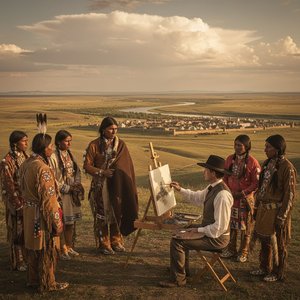
Twórczość Catlina czerpie swoją niezwykłą siłę z ogromnej skali jego wędrówek przez Dziki Zachód. W latach 30. XIX wieku wyruszył on w pięć wielkich wypraw, żeglując wzdłuż rzeki Missouri, by dotrzeć do terytoriów plemion Mandan, Sioux, Blackfeet oraz Choctaw. Nie były to jednak zwykłe wycieczki krajoznawcze. Artysta przemierzał te nieznane ziemie z misją dokumentowania konkretnych, żyjących kultur, gromadząc zarówno płótna, jak i fizyczne artefakty. Ta potężna akumulacja wizualnych i materialnych świadectw stała się fundamentem jego słynnej Galerii Indian – kolekcji liczącej ponad 500 obrazów.
To właśnie skala tego zbioru nadaje jego dorobkowi tak wielkie znaczenie historyczne. Catlin nie malował jedynie z pamięci; on systematycznie gromadził owoce swoich podróży w jedną, monumentalną całość. Ten ambitny wysiłek, mający na celu stworzenie kompleksowej kroniki pogranicza, został później rozszerzony o wyprawy przez Amerykę Południową i Środkową, które odbył w latach 1852–1857. Jego uwaga niezmiennie skupiała się na etnograficznej rzeczywistości napotkanych ludów, przedkładając dokumentację ich obyczajów i wyglądu nad czysto pejzażowe ujęcia natury.
- Mó-sho-la-túb-bee, He Who Puts Out and Kills, Chief of the Tribe (1834)
- Ball-play of the Choctaw--Ball Up (1850)
Styl artystyczny i dokumentacja
Podejście George'a Catlina było podyktowane szczególną, palącą potrzebą: dokumentacją stylu życia, który – w jego przekonaniu – nieuchronnie odchodził w zapomnienie. Artysta nie zadowalał się tanią karykaturą ani powierzchownymi stereotypami, tak powszechnymi w XIX wieku. Zamiast tego skupiał się na jednostce, starając się uchwycić godność wodzów plemiennych oraz kinetyczną energię tętniącą podczas tradycyjnych ceremonii. Jego warsztat opierał się na dbałości o najdrobniejszy szczegół, co pozwalało na utrwalenie tekstur ceremonialnych regaliów i niuansów codzienności z niemal etnograficzną precyzją. Była to świadoma próba ocalenia esencji tych kultur, zanim ekspansja na zachód nieodwracalnie je zmieniła.
Wizualna siła jego dzieł opiera się na bogatej palecie barw oraz niezwykle szczegółowym kontekście środowiskowym. Rzadko malował postacie w izolacji; zamiast tego osadzał je w misternie dopracowanych tła, które dostarczały niezbędnych informacji o sytuacji i miejscu akcji. Te scenerie często obejmowały konkretne krajobrazy, tipi czy przedmioty rytualne, które mocno osadzały jego bohaterów w ich rzeczywistym otoczeniu. Włączając te elementy, Catlin wyszedł poza ramy zwykłego portretu, tworząc kompleksową wizualną kronikę amerykańskiego pogranicza. Jego zdolność do oddawania atmosfery sceny – od pyłu unoszącego się nad prerią po strukturę obozowiska – przekształciła jego obrazy w bezcenne świadectwo historyczne, a nie tylko estetyczne ćwiczenia malarskie.
- Mó-sho-la-túb-bee, He Who Puts Out and Kills, Chief of the Tribe (1834)
- Ball-play of the Choctaw--Ball Up (1850)
Kluczowe dzieła i wybitne obrazy
Twórczość George'a Catlina funkcjonuje jako wizualny zapis konkretnych, autentycznych chwil, wykraczając daleko poza ramy zwykłego portretu. Jego dzieło z 1834 roku, Mó-sho-la-túb-bee, He Who Puts Out and Kills, Chief of the Tribe, ukazuje wodza o niezłomnym spojrzeniu, który emanuje autorytetem poprzez swoją bezpośrednią, pozbawioną zbędnych ozdobników obecność. Podobnie Ball-play of the Choctaw odchodzi od statycznej pozy, aby udokumentować kinetyczną energię tradycyjnej gry. Te prace dostarczają drobiazgowych szczegółów, które są niezbędne do zrozumienia struktur społecznych i wspólnotowych aktywności plemiennych.
Artysta skupiał się również na nierozerwalnym związku człowieka z jego środowiskiem. Obraz Prairie Meadows Burning rejestruje kontrolowane wypalanie traw przy udziale towarzyszących jeźdźców, uchwycając specyficzną praktykę ekologiczną i społeczną. Jego przedstawienie Pipestone Quarry, Coteau Des Prairies wskazuje na miejsce o głębokim znaczeniu duchowym dla wielu plemion. Nawet jego bardziej intymne lub nietypowe tematy niosą ze sobą ogromny ładunek znaczeniowy; Oó-je-en-á-he-a, Woman Who Lives in a Bear, namalowany około 1832 roku, oferuje wgląd w konkretną narrację kulturową, podczas gdy Little Wolf (Shon-ta-ye-ga), wykonany w 1846 roku, pozostaje istotnym elementem jego późniejszej dokumentacji.
- Mó-sho-la-túb-bee, He Who Puts Out and Kills, Chief of the Tribe (1834)
- Little Wolf (Shon-ta-ye-ga) (1846)
Publikacje i podróże wystawiennicze
Dążenia George'a Catlina do zapewnienia swojej Galerii Indian stałego miejsca w historii wymagały czegoś więcej niż tylko wizualnych dowodów; wymagały one obecności w świadomości publicznej. W latach 40. i 50. XIX wieku artysta wyruszył w trasę, prezentując swoją kolekcję w najważniejszych europejskich metropoliach, takich jak Londyn, Paryż czy Berlin. Wystawy te nie były jednak jedynie pasywnymi ekspozycjami dzieł sztuki. Catlin towarzyszył swoim obrazom publicznymi wykładami, wykorzystując osobiste wspomnienia z życia wśród Indian Ameryki, aby nadać obrazom żywy, słowny kontekst. To połączenie wzroku i słowa było przemyślaną próbą przybliżenia surowej rzeczywistości pogranicza widzom, których dzieliły od dorzecza Missouri niezmierzone odległości.
Jego twórczość literacka stanowiła intelektualny fundament dla dokumentacji wizualnej. W 1841 roku wydał Manners, Customs, and Condition of the North American Indians, tekst, który stanowił próbę skodyfikowania obserwacji zebranych podczas licznych wypraw. Później, w 1868 roku, ukazało się dzieło Last Rambles amongst the Indians of the Rocky Mountains and the Andes. Publikacje te nie były zwykłymi relacjami z podróży; stanowiły one desperacką próbę utrwalenia konkretnego, zanikającego porządku społecznego w formie trwałego zapisu historycznego. Catlin posługiwał się słowem pisanym, aby wzmocnić autentyczność swoich płócien, dbając o to, by jego spostrzeżenia przetrwały nawet wtedy, gdy jego własna sytuacja finansowa okazywała się niepewna.
Późne lata i śmierć
Ostatnie dekady życia George Catlin zdominowała niepewność finansowa. Mimo ogromnych starań, by zapewnić swojej kolekcji trwałe, narodowe dziedzictwo, artysta spędził znaczną część późnej twórczości, próbując odzyskać zainwestowane środki. W pragmatycznym dążeniu do odzyskania funduszy, stworzył on ponad 400 mniejszych wersji swoich dzieł, tworząc tzw. „kolekcję szkicową”. Był to przemyślany ruch mający na celu monetyzację dorobku całego życia, jednak nie przyniósł on oczekiwanej stabilizacji, której tak bardzo potrzebował.
Walka o płynność finansową trwała aż do jego ostatnich chwil. George Catlin zmarł 23 grudnia 1872 roku w Jersey City w stanie New Jersey. Został pochowany na cmentarzu Green-Wood w Brooklynie. Jego odejście stanowiło symboliczny koniec życia poświęconego dokumentowaniu pogranicza, które – zgodnie z jego własnymi przewidywaniami – było nieubłaganie zastępowane przez postępującą ekspansję.
Dziedzictwo i znaczenie historyczne
Znaczenie George Catlin sprowadza się do jego roli jako kluczowego źródła wizualnego. Był pierwszym białym człowiekiem, który przedstawił Indianie Wielkich Równin na ich rodzimych terenach, dostarczając bezpośredniego zapisu życia sprzed pełnego uderzenia ekspansji na zachód. Jego obrazy oferują wgląd w kultury, które w głównych nurtach narracji XIX wieku były często błędnie przedstawiane lub całkowicie ignorowane. Zamiast polegać na relacjach osób trzecich, jego twórczość oddaje specyfikę plemiennych obyczajów i struktur społecznych poprzez bezpośrednią obserwację.
Historyczna wartość jego dorobku jest namacalna. Dokumentacja ta dostarcza wglądu w wierzenia religijne i tradycje ceremonialne, które w przeciwnym razie mogłyby zostać zapomniane przez historię. Ta archiwalna jakość przyniosła mu uznanie w późniejszych latach. Został wprowadzony do National Rivers Hall of Fame w 2001 roku oraz do Luzerne County Arts & Entertainment Hall of Fame w 2023 roku. Wyróżnienia te potwierdzają wagę jego wkładu w amerykańskie zasoby historyczne i kulturowe.
Gdzie dziś można podziwiać te dzieła
Wizualny zapis stworzony przez George Catlin nie znajduje się w jednym miejscu; jego dorobek jest rozproszony po kilku najważniejszych instytucjach, co sprawia, że kompleksowe studiowanie jego twórczości wymaga wizyty w konkretnych kolekcjach. Największe skupisko jego prac znajduje się w Waszyngtonie. Smithsonian American Art Museum przechowuje aż 25 jego obrazów, oferując najbardziej obszerne spojrzenie na jego etnograficzną dokumentację. W pobliżu, National Gallery of Art w Waszyngtonie również posiada w swoich zbiorach jedno z jego dzieł.
Poza stolicą, ślad jego obecności odnajdziemy w innych muzeach regionalnych, które przechowują pojedyncze egzemplarze. Denver Art Museum posiada jedno dzieło, podczas gdy Virginia Museum of Fine Arts w Richmond skrywa kolejne. To rozproszenie zbiorów odzwierciedla fragmentaryczny charakter jego oryginalnej Indian Gallery oraz trudności, z jakimi mierzył się za życia, próbując zapewnić swojej kolekcji jedno, stałe miejsce przeznaczenia.
- On sáw kie, The Sauk, in the Act of Praying (ok. 1830)
- Mó-sho-la-túb-bee, He Who Puts Out and Kills, Chief of the Tribe (1834)
- Ball-play of the Choctaw--Ball Up (1850)
Pytania i odpowiedzi
Gdzie można znaleźć dzieła George Catlin pogrupowane według nurtów artystycznych?
Strona Wszystkie nurty artystyczne grupuje dzieła George Catlin według nurtów artystycznych.
Czy mogę przeglądać dzieła George Catlin według palety kolorystycznej?
Prace artysty George Catlin można przeglądać według palety kolorystycznej na stronie Według palet kolorystycznych artysty.
Czy istnieje oś czasu prac George Catlin?
Strona Chronologia dzieł prezentuje dzieła George Catlin uporządkowane chronologicznie, rok po roku.