

 Podgląd w skali 1:1
 Wyślij jako kartkę
 Udostępnij
 Szczegóły dzieła
 Przewodnik

 Pobierz obraz
 Podobne obiekty
 RTG
RTG Pokaz slajdów
 Pytania i odpowiedzi
 Statystyki
Sketchbook

- 15.0 x 23.0 cm


 Rozwiń treść
Giclée / Wydruk artystyczny
Wydruki giclée lub płótna o jakości muzealnej, szybka realizacja i szeroki wybór opcji wykończenia. ( Zamów ręcznie malowaną reprodukcję Przejdź do wersji cyfrowej)




P118B zł10

P118H zł10

P118W zł10

P438Z zł10

P508JH zł12

P508YH zł12

P805H zł10

P805Z zł10

P919BZ zł10

P919G zł10

P919XJ zł10

P959ZH zł10

P968JZ zł12

W106C zł8

W218G zł10

W218JH zł8

W218Y zł10

W307PJ zł10

W316G zł10

W316PJ zł8

W316Y zł10

W398PJ zł8

W4111J zł10

W500HY zł15

W500JH zł15

W692G zł12

W849H zł8

W940BG zł15

W953PJ zł8




Wybierz spośród naszych standardowych rozmiarów, które zachowują oryginalne proporcje dzieła sztuki.

Wpisz wymaganą szerokość i wysokość, aby dopasować grafikę do ramy lub ściany. Wydruk można jedynie przyciąć, nigdy nie powiększając go poza oryginalny obraz, dlatego format o innych proporcjach spowoduje utratę części kompozycji. Przed rozpoczęciem druku prześlemy Ci cyfrowy podgląd do zatwierdzenia. Obraz wyświetlany na tej stronie nie pokazuje rzeczywistego przycięcia — jedynie podgląd oddaje ten efekt.
Dostawa na cały świat () w ciągu 2 tygodni zamiast standardowych 4/5 tygodni. (6 Listopad)

Bezpłatna ekspresowa wysyłka na cały świat

Wysokiej jakości płótno lniane

Pełne ubezpieczenie przesyłki

Gwarancja zwrotu należności celnych i podatków importowych

Gwarancja wiernego odwzorowania kolorów

100-dniowa polityka zwrotów (tylko w przypadku wad)

Gwarancja 100% zwrotu pieniędzy

Zniżka przy zakupie wielu sztuk
 Opcja ze szkłem jest dostępna wyłącznie w rozmiarach poniżej 110 cm

Sketchbook
Giclée / Wydruk artystyczny
Wymiary reprodukcji
-


Cena całkowita
zł 246
A Window Into the Composer's Soul
To gaze upon this 1823 sketchbook fragment is to step directly into the private sanctuary of a musical genius. This piece, a delicate relic from the twilight years of Ludwig van Beethoven, transcends mere notation; it is a tactile window into the creative struggle and the profound solitude of one of history's most transformative minds. The aged, worn paper, bearing the weight of nearly two centuries, serves as a silent witness to the moment an idea was first captured in pencil. There is an undeniable romance in its imperfection—the slight fraying of the edges and the delicate, handwritten annotations that suggest a mind constantly at work, translating the ephemeral beauty of sound into the permanence of ink.
The composition is characterized by a raw, unadorned aesthetic that captures the very essence of the Romantic era's fascination with the individual spirit. Unlike a finished, polished score intended for public performance, this sketch presents the skeletal structure of musical thought. The pencil strokes, varying in pressure and intent, reveal the rhythmic pulse of a composer navigating the complexities of melody and harmony. The presence of the name "Amy Fletcher Wade" alongside these notes adds a layer of historical mystery, inviting the viewer to contemplate the lineage of inspiration and the hands that have held this very parchment through the ages.
The Artistry of the Unfinished
In this intimate close-up, we observe the raw texture of history. The image reveals a piano score where the music appears as a series of rhythmic whispers across the page. These are not the grand, sweeping declarations found in his symphonies, but rather the tentative explorations of a master at work. The technique is one of pure spontaneity; the graphite marks capture the movement of the hand, reflecting a moment where thought and execution were inextricably linked. This piece functions as a visual diary, where every smudge and crease tells a story of intense concentration and the restless experimentation that fueled Beethoven's most enduring compositions.
The muted, sepia-toned palette of the aged paper and graphite lends itself beautifully to sophisticated, classical, or even minimalist environments. For the discerning collector or interior designer, this reproduction offers more than just a visual element; it provides an emotional anchor for a space. It functions as a conversation piece that evokes themes of legacy, intellectual depth, and the timelessness of art. When placed within a study, a library, or a curated gallery wall, this work brings a sense of quiet contemplation and historical grandeur to any room.
A Timeless Legacy for the Modern Collector
Owning a reproduction of such a significant fragment allows one to possess a piece of the very genesis of Western music. It is an invitation to reflect on the beauty found in the process rather than just the result. The emotional impact of this work lies in its vulnerability—it shows us the composer not as an untouchable icon, but as a human being grappling with the architecture of sound. For those seeking to infuse their interiors with a sense of profound history and intellectual weight, this sketchbook fragment serves as a perfect bridge between the monumental achievements of the past and the refined aesthetics of the present.
Pytania i odpowiedzi
Jakie zastosowanie i przestrzeń są zalecane dla „Sketchbook” – Ludwig Van Beethoven?
Zalecane zastosowanie (Conversation) oraz przestrzeń (Office) to dwie rekomendacje dla dzieła „Sketchbook” – Ludwig Van Beethoven.
Gdzie mogę pobrać „Sketchbook” – Ludwig Van Beethoven?
„Sketchbook” – Ludwig Van Beethoven można pobrać ze strony Pobierz plik cyfrowy dzieła jako wysokiej rozdzielczości cyfrowe zdjęcie do pobrania.
Jaki nastrój emocjonalny budzi „Sketchbook” – Ludwig Van Beethoven?
Emocjonalny ton przypisany do „Sketchbook” – Ludwig Van Beethoven to Nostalgic. Oddaje on emocje, jakie wyraża to dzieło.
Podobne dzieła


Biografia artysty
Wczesne lata i muzyczne początki
Ludwig van Beethoven, znamienity niemiecki kompozytor i pianista, przyszedł na świat w 1770 roku w Bonn, w Niemczech. Wykazując niezwykły talent muzyczny już w bardzo młodym wieku, rozpoczął naukę pod okiem różnych mistrzów, zanim ostatecznie przeniósł się do Wiednia, gdzie spędził większą część swojego życia.- Sonata na fortepian i wiolonczelę (A-dur) op. 69, cz. I (dostępna na ArtsDot.com)
- Manuskrypt Beethovena do Missa Solemnis (możliwy do obejrzenia na Wikipedia)
- Trzy sonaty fortepianowe op. 1, powstające pod mecenatem księcia Karola Alosa Lichnowskiego

Ludwig Van Beethoven
1770 - 1827 , Niemcy
Krótka nota
- Artistic Movement Or Style: Klasycyzm i Romantyzm
- Artists Or Movements Influenced By This Artist:
- Johannes Brahms
- Robert Schumann
- Artists Who Influenced This Artist:
- Franz Joseph Haydn
- Christian Gottlob Schulze
- Date Of Birth: 1770 Bonn Niemcy
- Date Of Death: 1827 Wiedeń Austria
- Full Name: Ludwig van Beethoven
- Nationality: Niemiec
- Notable Artworks:
- Sonata Księżycowa
- IX Symfonia
- Place Of Birth: Bonn Niemcy
Powiązane artykuły

The Alchemy of Graphite: An Expert Guide to Mastering Depth, Texture, and Detail in Pencil Sketching
Unlock the secrets of professional sketching with our expert guide to graphite pencil. Learn to master depth, texture, and light through advanced techniques like subtractive drawing and tonal layering. Perfect for art students seeking technical mastery and creative expression.

10 Iconic Pencil Masterpieces That Redefined the Art World
Journey through history with 10 legendary pencil masterpieces that redefined art. Explore the profound techniques and stories behind these iconic graphite works. Find museum-quality reproductions and curated decor inspiration at ArtsDot.com. Discover all masterpieces online.

10 Iconic Graphite Pencil Masterpieces That Redefined Art History
Journey through history with 10 iconic graphite pencil masterpieces. Explore the legendary techniques and stories behind these timeless monochrome works. Find museum-quality art reproductions and curated decor inspiration at ArtsDot.com. Discover all masterpieces on ArtsDot.com

The Alchemy of Graphite: An Expert Guide to Mastering Detail and Depth in Pencil Sketching
Unlock the secrets of graphite sketching with our expert guide for art students. Learn to master pencil grades, create realistic depth, and capture intricate textures through professional techniques designed to elevate your observational drawing skills.
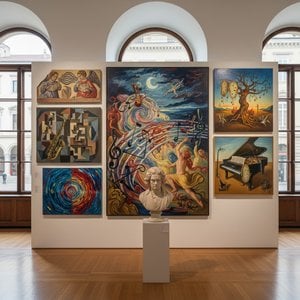
Harmonies on Canvas: Exploring the Visual Representation of Music in Art History
Explore the fascinating history of music's visual representation in art! From ancient symbolism to modern abstraction, discover how artists have captured sound and emotion on canvas. Expert insights & stunning examples.