


 Zobacz w skali 1:1
 Wyślij
 Udostępnij
 Szczegóły
 Przewodnik

 Pobierz plik obrazu
 Podobne obiekty
 RTG
RTG Pokaz slajdów
 Statystyki
Ludwig van Beethoven


 Czytaj więcej
Ręcznie malowana reprodukcja olejowa
Ręcznie malowany obraz olejny na płótnie, wykonany na zamówienie przez naszych artystów w wybranym przez Ciebie wymiarze i oprawie. ( Przełącz na wersję drukowaną Przełącz na wersję cyfrową)




P118B $10

P118H $10

P118W $10

P438Z $10

P508JH $12

P508YH $12

P805H $10

P805Z $10

P919BZ $10

P919G $10

P919XJ $10

P959ZH $10

P968JZ $12

W106C $8

W218G $10

W218JH $8

W218Y $10

W307PJ $10

W316G $10

W316PJ $8

W316Y $10

W398PJ $8

W4111J $10

W500HY $15

W500JH $15

W692G $12

W849H $8

W940BG $15

W953PJ $8




Wybierz spośród naszych standardowych rozmiarów, które zachowują oryginalne proporcje dzieła sztuki.

Możesz wprowadzić własne wymiary, aby dopasować obraz do konkretnej ramy lub przestrzeni. Jeśli wybrany rozmiar nie będzie odpowiadał proporcjom oryginału, przytniecie dzieło sztuki lub rozszerzymy je o dodatkowe elementy, ręcznie domalowane przez artystę. Przed rozpoczęciem produkcji wyślemy projekt cyfrowy do Twojej akceptacji.
Należy pamiętać, że podgląd na ekranie nie odzwierciedla rzeczywistego przycinania ani rozszerzania obrazu. Tylko projekt dokładnie pokaże ostateczną kompozycję.
Choć oferujemy możliwość zamówienia niestandardowych rozmiarów, zalecamy wybór wymiaru z gotowej listy, aby zachować oryginalne proporcje dzieła.
Po złożeniu zamówienia zespół ArtsDot.com skontaktuje się z klientem drogą mailową w celu uzyskania instrukcji i prześle wizualizację projektu
Dostawa na całym świecie () w ciągu 3–4 tygodni zamiast standardowych 5 tygodni. (22 Wrzesień). Bez kompromisów w kwestii jakości.

Bezpłatna ekspresowa wysyłka na cały świat

Wysokiej jakości płótno lniane

Pełne ubezpieczenie transportowe

Gwarancja zwrotu należności celnych i podatków importowych

Gwarancja idealnego odwzorowania barw

100-dniowy okres na zwrot dzieła w przypadku wykrycia wad produkcyjnych

Gwarancja 100% zwrotu pieniędzy

Oferta przy zakupie wielu sztuk
 Opcja ze szkłem jest dostępna wyłącznie w rozmiarach poniżej 110 cm

Ludwig van Beethoven
Technika wykonania
Rozmiar reprodukcji
-


Suma do zapłaty
$ 263
Ludwig van Beethoven – Ein Porträt von Größe und Melancholie
Die Darstellung von Ludwig van Beethoven, ausgeführt von Ludwig Ferdinand Schnorr von Carolsfeld im Jahr 1875, ist mehr als nur eine einfache Wiedergabe eines berühmten Komponisten; sie ist ein Fenster zur Seele eines Musikgenies und ein beeindruckendes Beispiel für den deutschen Landschaftsbildstil des Spätromantikums. Dieses außergewöhnliche Werk befindet sich heute im Beethoven-Haus Bonn und wurde von Schnorr mit einer Präzision und Sensibilität geschaffen, die bis heute Besucher faszinieren.- Überblick über das Bild: Das Gemälde zeigt Beethoven in einem Halbprofil, eingefangen in einem dunklen Hintergrund, der eine Atmosphäre von Ernsthaftigkeit und Kontemplation hervorruft. Schnorr verwendet eine Kombination aus Schwarzweißdrucktechnik und detaillierter Zeichnung, um die Gesichtszüge des Komponisten mit außergewöhnlicher Klarheit zu erfassen – insbesondere seine Augen, die einen tiefen Ausdruck tragen und gleichzeitig eine gewisse Melancholie offenbaren.
- Der Künstler: Ludwig Ferdinand Schnorr von Carolsfeld Ludwig Ferdinand Schnorr von Carolsfeld (1788-1853) war ein deutscher Landschaftsmaler und Grafiker, dessen Werk den Geist der Zeit widerspiegelt und sich durch eine besondere Liebe zum Detail und eine hohe künstlerische Qualität auszeichnet. Er wurde in Kaliningrad geboren und entwickelte sich zu einem bedeutenden Vertreter des deutschen Kunstbetriebs seiner Zeit. Schnorr von Carolsfeld war bekannt für seine beeindruckenden Landschaftsdarstellungen sowie für Porträts, die oft einen tiefen Einblick in das Charakter eines Individuums gewähren.
- Die Technik: Heliogravur und Detailtreue Schnorr von Carolsfeld setzte auf eine spezielle Drucktechnik namens Heliogravur ein – eine Methode, bei der eine Kupferplatte mit einer Kombination aus Licht und Schatten behandelt wird, um ein außergewöhnlich detailliertes Bild zu erzeugen. Diese Technik ermöglichte es ihm, die komplexen Strukturen und Nuancen des Gesichts von Beethoven perfekt einzufangen und somit eine beeindruckende Wiedergabe seiner Persönlichkeit zu schaffen.
- Historischer Kontext: Die Spätromantik Das Gemälde entstand im Kontext der deutschen Spätromantik – einer künstlerischen Bewegung, die sich durch eine starke Emotion und eine Sehnsucht nach Schönheit und Natur auszeichnete. Schnorr von Carolsfeld verkörperte diese Ideale und setzte seinen Stil auf eine Darstellung von Beethoven ein, die sowohl wissenschaftlich korrekt als auch künstlerisch beeindruckend ist.
- Symbolik und Ausdruckskraft: Ein Blick in die Seele Über das Bild hinaus lässt sich eine tiefere Bedeutung erkennen – eine Reflexion über die menschliche Natur und die Herausforderungen des Lebens. Beethoven selbst war bekannt für seine außergewöhnliche Kreativität und sein Leidenschaft für Musik, aber auch für seinen Kampf gegen die zunehmende Hörlosigkeit. Das Porträt von Schnorr von Carolsfeld wird oft als Ausdruck dieser inneren Konflikte und gleichzeitig als Erinnerung an eine außergewöhnliche Persönlichkeit interpretiert.
Ein Meisterwerk der Druckkunst und ein Fenster zur Musikgeschichte
Die Heliogravur Technik, die Schnorr von Carolsfeld bei diesem Werk einsetzte, ist ein beeindruckendes Beispiel für die künstlerische Entwicklung des 19. Jahrhunderts. Durch eine Kombination aus Präzisionstechnik und künstlerischem Gespür gelang es ihm, ein Bild zu schaffen, das nicht nur die äußere Erscheinung von Beethoven einfängt, sondern auch einen tiefen Einblick in seine Persönlichkeit und seinen Geist verleiht. Dieses außergewöhnliche Kunstwerk wird weiterhin von Kunstliebhabern und Musikgeschichtsinteressierten gefeiert und erinnert daran, dass Kunst eine Sprache ist, die über Zeit und Raum hinaus kommunizieren kann.Besuchen Sie das Beethoven-Haus Bonn und entdecken Sie dieses Meisterwerk persönlich
Ein Besuch im Beethoven-Haus Bonn bietet Ihnen die Möglichkeit, dieses beeindruckende Gemälde sowie zahlreiche andere Werke von Ludwig Ferdinand Schnorr von Carolsfeld und anderen Künstlern der Spätromantik zu erleben. Die Ausstellung ist ein einzigartiges Erlebnis für Musikliebhaber und Kunstinteressierte gleichermaßen und ermöglicht es Ihnen, einen tiefen Einblick in die Welt eines außergewöhnlichen Künstlers und Komponisten zu gewinnen.Ein hochwertiges Druckbild von Ludwig van Beethoven – Eine Erinnerung an Größe und Schönheit
Eine hochwertige Reproduktion dieses Gemäldes wird Ihnen ermöglichen, die beeindruckende Detailtreue und Ausdruckskraft von Ludwig Ferdinand Schnorr von Carolsfeld auf Ihrem Wohnzimmerwand zu genießen. Nutzen Sie diese Gelegenheit, um ein Kunstwerk zu besitzen, das nicht nur eine außergewöhnliche ästhetische Qualität aufweist, sondern auch eine tiefere Verbindung zur Musikgeschichte und zur deutschen Kunst des 19. Jahrhunderts herstellt.Podobne dzieła


Biografia artysty
Thomas Gainsborough: A Master of Light and Landscape
Thomas Gainsborough, a name synonymous with the quintessential English countryside and the subtle grace of portraiture, was born in Sudbury, Suffolk, on May 14th, 1727. His early life, steeped in the traditions of a cloth-merchant family, seemed destined for a predictable path – an apprenticeship in silversmithing. However, a youthful fascination with drawing and a fortuitous encounter with Hubert Gravelot, a French book illustrator working in London, irrevocably altered his trajectory. This introduction to the world of printmaking ignited a passion that would define his artistic career, leading him away from the confines of the workshop and towards the captivating landscapes and discerning portraits that would secure his enduring legacy. Gainsborough’s journey wasn't one of immediate success; it was a gradual cultivation of skill and vision, marked by periods of struggle and relentless dedication to his craft.Early Years and Artistic Training
Gainsborough’s initial training as a silversmith provided him with valuable technical skills – an understanding of line, form, and the manipulation of metal. Yet, it was Gravelot who truly nurtured his artistic sensibilities. The older artist recognized Gainsborough's innate talent and took him on as an apprentice, exposing him to the intricacies of engraving and printmaking. This period proved crucial in developing Gainsborough’s observational skills and fostering a deep appreciation for detail. Crucially, Gravelot encouraged Gainsborough to study nature directly – a practice that would become central to his artistic philosophy. Following his apprenticeship, Gainsborough established his own studio in London, initially focusing on producing decorative prints and engravings. These early works demonstrated a burgeoning talent for capturing the nuances of light and shadow, hinting at the landscapes he would later master. It was during this time that he began experimenting with oil painting, laying the groundwork for his future success as a portraitist.The Rise to Prominence: Portraiture and Landscape
By the 1760s, Gainsborough’s reputation as a portrait painter began to flourish. He possessed an uncanny ability to capture not just physical likenesses but also the character and personality of his subjects. His portraits were characterized by a remarkable naturalism – a willingness to depict sitters in contemporary dress and with relaxed poses, eschewing the stiff formality prevalent in many aristocratic commissions. He cultivated a network of wealthy patrons, including members of the royal family, who sought his services for capturing their likenesses. Simultaneously, Gainsborough never abandoned his passion for landscape painting. He viewed these scenes not merely as decorative backgrounds but as integral to his artistic vision. His landscapes were imbued with a sense of atmosphere and light—a masterful use of color and brushwork that captured the fleeting beauty of the English countryside. This dual focus – portraiture and landscape – became a defining characteristic of his oeuvre, allowing him to explore both the human subject and the natural world with equal depth and sensitivity.Technique and Influences
Gainsborough’s artistic style evolved significantly throughout his career. His early works were influenced by Gravelot's meticulous attention to detail and the Rococo aesthetic, characterized by delicate brushwork and pastel colors. However, as he matured, his technique became looser and more expressive, embracing a brighter palette and a greater emphasis on capturing the essence of his subjects. He developed a distinctive ‘broken’ brushstroke—a technique that created a sense of shimmering light and atmospheric depth. His use of color was particularly remarkable; he employed subtle gradations to create a luminous effect, as if bathed in sunlight. Gainsborough's work also reflects the influence of Dutch Masters like Rembrandt and Constable, whose mastery of light and shadow he deeply admired. He studied their techniques meticulously, incorporating them into his own practice. Furthermore, he drew inspiration from the picturesque tradition—a movement that emphasized the beauty of unspoiled nature and the romanticization of rural life.Legacy and Historical Significance
Thomas Gainsborough died in London on August 2nd, 1788, leaving behind a remarkable body of work that continues to captivate audiences today. He is considered one of the most important British artists of the late 18th century, alongside Sir Joshua Reynolds. While Reynolds championed classical ideals and formal techniques, Gainsborough embraced a more naturalistic approach, prioritizing observation and capturing the spirit of his subjects and landscapes. His portraits are celebrated for their psychological depth and emotional resonance, while his landscapes evoke a profound sense of tranquility and beauty. Gainsborough’s influence on subsequent generations of British artists is undeniable. He helped to establish a distinctly English style of painting—one that was rooted in observation, sensitivity, and a deep appreciation for the natural world. His work remains an enduring testament to the power of art to capture the essence of human experience and the sublime beauty of the English countryside. Notably, recent scholarship has uncovered uncomfortable connections between Gainsborough’s success and the institution of slavery, highlighting the complex ethical considerations inherent in examining the lives and legacies of historical figures.
ludwig ferdinand schnorr von carolsfeld
1788 - 1853 , Germany
Najważniejsze informacje
- Artistic Movement Or Style: Picturesque, Landscape
- Artists Or Movements Influenced By This Artist:
- Rococo
- British School
- Artists Who Influenced This Artist: ['Hubert Gravelot']
- Date Of Birth: May 14, 1727
- Date Of Death: August 2, 1788
- Full Name: Thomas Gainsborough
- Nationality: British
- Notable Artworks:
- Musidora
- The Baillie Family
- Lady Rufford
- Place Of Birth: Sudbury, Suffolk
Zobacz także powiązane artykuły

Ponadczasowy Rezonans: Badanie Klasycznej Estetyki w Sztuce – Historyczna i Akademicka Analiza
Odkryj fascynujący świat klasycznej estetyki! Analiza historyczna i akademicka sztuki antycznej, literatury oraz malarstwa. Poznaj kanony piękna i wpływ klasycyzmu na współczesną kulturę.
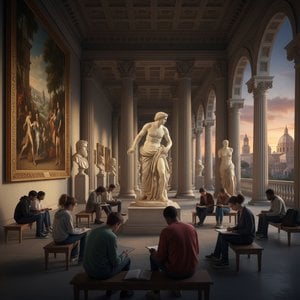
Trwała Spuścizna Klasycyzmu: Zasady, Ewolucja i Wpływ na Sztukę Zachodnią
Poznaj historię klasycyzmu w sztuce! Odkryj zasady estetyczne, wybitnych artystów i trwały wpływ tego nurtu na architekturę, malarstwo i rzeźbę. Ekspercka analiza i inspiracje od ArtsDot.

Romantic Realism's Finest: 10 Masterpieces for Your Home | ArtsDot
Explore 10 defining masterpieces of Romantic Realism! Discover Courbet, Millet & Daumier's powerful paintings—capturing emotion and social realities. Find museum-quality reproductions for your home at ArtsDot.com.

10 Arcydzieł Neoklasycyzmu: Sztuka, Historia i Inspiracje dla Twojego Domu
Poznaj 10 arcydzieł neoklasycyzmu! Odkryj historie Davida, Ingresa i Canovy. Inspiracje wnętrzarskie z malarstwem klasycznym i rzeźbą. Reprodukcje najwyższej jakości na ArtsDot.com – sztuka dla Twojego domu.

Eugen von Blaas: Capturing Alpine Life & Sentiment in 19th-Century Austrian Painting
Discover the captivating world of Eugen von Blaas! Explore his exquisite 19th-century paintings capturing Venetian life & Alpine beauty. Learn about his Academic Classicism style and find museum-quality reproductions at ArtsDot.
