


Obraz dostosowuje się do Twoich wyborów: , .
Opis obiektu
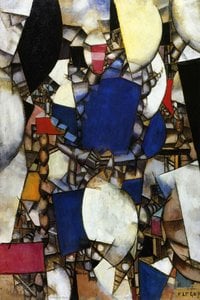
"Ślub" - Impresjonistyczny obraz Fernand Légera przedstawiający uroczystość ślubną i złożoną kompozycję geometryczną. Znajdziesz więcej informacji o twórczości Légera oraz innych dziełach sztuki na WikiArt!
 Rozwiń treść
Biografia artysty
Pionier tubizmu, Fernand Léger uchwycił erę maszyn. Odkryj jego odważne, rytmiczne obrazy już dziś.
Ręcznie malowana reprodukcja olejowa
Ręcznie malowany obraz olejny na płótnie, wykonany na zamówienie przez naszych artystów w wybranym przez Ciebie wymiarze i oprawie. ( Przełącz na wydania drukowane Przejdź do wersji cyfrowej)
Więcej o tym obrazie
 Podgląd w skali 1:1
 Wyślij jako kartkę
 Udostępnij
 Szczegóły dzieła
 Przewodnik

 Pobierz obraz
 Podobne obiekty
 RTG
RTG Pokaz slajdów
 Pytania i odpowiedzi
 Statystyki
Zamów swój obraz w czterech prostych krokach
Nie spiesz się. Możesz zmienić każdą odpowiedź; cena w Twoim koszyku będzie aktualizowana po każdym wyborze.
1 Pierwszy z czterech kroków
Który rozmiar wybierasz?
Te rozmiary zachowują proporcje oryginalnego obrazu. Rysunek przedstawia wybrany przez Ciebie format na ścianie, nad dwumetrową sofą.
lub podaj własne wymiary
Wybierz spośród naszych standardowych rozmiarów, które zachowują oryginalne proporcje dzieła sztuki.

Wpisz wymaganą szerokość i wysokość, aby obraz pasował do Twojej ramy lub ściany. Ponieważ jest to dzieło malowane ręcznie, w przypadku rozmiaru o innych proporcjach artysta może domalować nieco więcej wokół obrazu lub przyciąć jego fragmenty — wybór należy do Ciebie. Przed rozpoczęciem pracy prześlemy Ci cyfrową wizualizację do zatwierdzenia. Obraz widoczny na tej stronie nie przedstawia rzeczywistego efektu — jedynie wizualizacja oddaje realny rezultat.
2 Drugi z czterech kroków
W jaki sposób przygotować dzieło: w formie tuby, na krosnach czy w ramie?
Poniższe ceny dotyczą rozmiaru wybranego w pierwszym kroku.
Wybierz krawędzie płótna naciągniętego na ramę
Wybierz ramę

Białe krawędzie zł1

rozmyte krawędzie zł1

Przedłużony zł1

P118B zł10

P118H zł10

P118W zł10

P438Z zł10

P508JH zł12

P508YH zł12

P805H zł10

P805Z zł10

P919BZ zł10

P919G zł10

P919XJ zł10

P959ZH zł10

P968JZ zł12

W106C zł8

W218G zł10

W218JH zł8

W218Y zł10

W307PJ zł10

W316G zł10

W316PJ zł8

W316Y zł10

W398PJ zł8

W4111J zł10

W500HY zł15

W500JH zł15

W692G zł12

W849H zł8

W940BG zł15

W953PJ zł8

H24-GOLD zł30

H24-SILVER zł30

H36-GOLD zł45

H36-SILVER zł45
W oprawie
Profil: . Wymiar całkowity w ramie: .
3 Trzeci z czterech kroków
Czy chcieliby Państwo wprowadzić jakieś zmiany w obrazie?
Większość osób odpowiada przecząco. Ponieważ każdy obraz jest tworzony ręcznie, nasz artysta może również dostosować go do Twoich potrzeb.
Po złożeniu zamówienia zespół ArtsDot.com skontaktuje się z klientem drogą mailową w celu uzyskania instrukcji i prześle podgląd projektu
4 Krok czwarty z czterech
Kilka opcji wykończenia
Wszystkie są opcjonalne. Wybrane już odpowiedzi nie wiążą się z żadnymi dodatkowymi kosztami.
Kto jest autorem?
Dostawa na całym świecie () w ciągu 3–4 tygodni zamiast standardowych 5 tygodni. (16 Listopad). Bez kompromisów w kwestii jakości.
Tabliczka informacyjna, jak w muzeum?
Szczegóły grawerowanej brązowej tabliczki
This elegant plaque features the artist's name and the title of the artwork, finely engraved for a timeless presentation.
It is made from bronze with a refined, elegant finish. The text is precisely laser-engraved for a sharp and permanent result. Measuring 9x2 cm, the plaque is compact yet easy to read. It's built to be durable and scratch-resistant, offering a professional, museum-quality look. Mounting is simple thanks to the included adhesive backing.
Szczegóły przezroczystej tabliczki akrylowej
The plaque includes essential engraved details such as the artist's name, the title of the artwork, the date it was created, the type of media used-like oil on canvas or watercolor-a brief description of the piece, and a QR code that links to the complete artwork information.
It is crafted from clear acrylic, offering a sleek, modern appearance. The text is UV-engraved in black to ensure strong visual contrast. With a size of 10x15 cm, it ensures optimal readability. It comes equipped with two metal hooks for secure wall mounting. The plaque is designed to be weather-resistant, making it suitable for various environments, and it includes interactive features that work seamlessly with smartphone scanning.
Szczegóły czarnej tabliczki akrylowej
This elegant plaque includes engraved information such as the artist's name, the title of the artwork, the date it was created, the type of media used (like oil on canvas or watercolor), a short description of the artwork, and a QR code for quick access to more information.
The plaque itself is made from refined black acrylic with a premium finish. The text is laser-engraved in white for high contrast and readability. Its size is 10x15 cm, designed to be easy to read. It comes with two metal hooks for professional mounting. The design is sleek and fits any interior style. It is also weather-resistant and durable, with built-in digital integration for mobile compatibility.
Werniks ochronny?
Kiedy potrzebujesz dostawy?
✓ Sprawdź i zamów
Twoje dzieło, dokładnie tak, jak zamówiłeś

Ślub
Technika reprodukcji
Wymiary reprodukcji
-

Wybitny mistrz artystyczny
Większa szczegółowość, finezja i dodatkowy czas na realizację
-

Opcje oprawy reprodukcji
-
-
W przypadku dzieł sztuki lub reprodukcji, których którykolwiek z boków przekracza 105 cm (około 41 cali), rama zostanie wysłana w formie zestawu do samodzielnego montażu. Metoda ta zapewnia bezpieczną dostawę i zapobiega uszkodzeniom podczas transportu.
Wymagany profesjonalny montaż – nie jest to produkt typu DIY.
Zestaw musi zostać złożony, a płótno naciągnięte przez doświadczonego profesjonalnego ramiarza, przy użyciu kleju do drewna (brak w zestawie), kleszczy do naciągania płótna oraz ścisków, które utrzymają krosna w równej pozycji podczas schnięcia kleju. Nieprawidłowy montaż lub nierównomierne napięcie płótna może trwale uszkodzić dzieło sztuki i nie podlega naszej gwarancji.
 W przypadku dzieł sztuki lub reprodukcji, których którykolwiek z boków przekracza 105 cm (około 41 cali), rama zostanie wysłana w formie zestawu do samodzielnego montażu. Metoda ta zapewnia bezpieczną dostawę i zapobiega uszkodzeniom podczas transportu.
W zestawie znajdują się wszystkie listwy z litego drewna, precyzyjnie docięte do wymiarów.
Montaż odbywa się przy użyciu dołączonych wkrętów oraz kleju do drewna do łączenia narożników, którego zestaw nie zawiera i który musi zostać dostarczony przez ramiarza.
Wymagane są profesjonalne narzędzia, których nie ma w zestawie: kleszcze do naciągania płótna (napinacz) oraz zaciski, które pozwolą utrzymać listwy w równej pozycji podczas schnięcia kleju.
Ważne:
Do połączenia narożników niezbędny jest klej do drewna, listwy należy unieruchomić za pomocą ścisków do momentu całkowitego wyschnięcia kleju, a naciągnięcie płótna na złożoną ramę wymaga użycia kleszczy do naciągania płótna. Żaden z tych elementów nie jest dołączony do zestawu. Przed zamówieniem tego rozmiaru zalecamy konsultację z doświadczonym ramiarzem.

Etykieta obiektu
-
-

Lakier ochronny
Lakier z połyskiem (pogłębia kolory, chroni przed światłem i wilgocią)
-

Personalizacja dzieła
Przykłady możliwości personalizacji: zastąp twarz zdjęciem klienta; dodaj zwierzę domowe (np. zamień kota na psa); umieść ukrytą wiadomość w tle; zmień krajobraz lub elementy tła.
-

Ekspresowa
Dostawa na cały świat () w ciągu 3–4 tygodni zamiast standardowych 5 tygodni. (16 Listopad). Bez kompromisów w kwestii jakości.
-
Przesyłka ekspresowa
Dostawa na cały świat () w ciągu 5 tygodni. (23 Listopad).
W cenie
Cena całkowita
zł 1024
Opcja ze szkłem jest dostępna wyłącznie w rozmiarach poniżej 110 cm
W każdym zamówieniu
- Bezpłatna ekspresowa wysyłka na cały świat
- Wysokiej jakości płótno lniane
- Pełne ubezpieczenie przesyłki
- Gwarancja zwrotu należności celnych i podatków importowych
- Gwarancja wiernego odwzorowania kolorów
- 100-dniowa polityka zwrotów (tylko w przypadku wad)
- Gwarancja 100% zwrotu pieniędzy
- Zniżka przy zakupie wielu sztuk


Temat i Kompozycja
To urzekające dzieło prezentuje fragmentaryczne, abstrakcyjne przedstawienie ludzkiej postaci, prawdopodobnie kobiety, zanurzonej w złożonej grze geometrycznych kształtów i abstrakcyjnych form. Kompozycja zaprasza widza do jednoczesnego odkrywania wielu perspektyw, co stanowi znak rozpoznawczy wpływów kubizmu. Postać zdaje się trwać w intymnym lub kontemplacyjnym momencie, otoczona chaotycznym, a jednak harmonijnym zbiorem kanciastych kształtów, które przywołują poczucie wewnętrznej refleksji i emocjonalnej głębi. Warstwowe ułożenie form sugeruje narrację bogatą w psychologiczne niuanse, uchwyconą wielowymiarową naturę ludzkiej tożsamości i doświadczenia.Styl i Technika
Zakorzenione w zasadach kubizmu, dzieło to wykorzystuje celową dekonstrukcję tradycyjnej formy, kładąc nacisk na geometryczną abstrakcję i wielość punktów widzenia. Artysta po mistrzowsku łączy ostre linie z miększymi, łagodnymi krawędziami, aby stworzyć dynamiczne napięcie wewnątrz kompozycji. Teksturowana powierzchnia ujawnia biegłe operowanie warstwowym pociągnięciem pędzla oraz subtelnymi gradacjami światła i cienia, co dodaje pracy haptycznej bogatości i głębi. Przygaszona, ziemista paleta barw — obejmująca brązy, beże, stonowane zielenie i ciemne błękity — wzmacnia introspektywny nastrój dzieła, podczas gdy akcenty różu i szarości wprowadzają delikatne detale, które łagodzą ogólny ton.Kontekst Historyczny i Znaczenie Artystyczne
Stworzone na początku XX wieku, to dzieło stanowi uosobienie innowacyjnego ducha kubizmu — rewolucyjnego ruchu, który rzucił wyzwanie tradycyjnym perspektywom w sztuce. Pod wpływem pionierskich artystów, takich jak Picasso i Braque, płótno to odzwierciedla okres artystycznych eksperymentów oraz pragnienie jednoczesnego przedstawienia wielu aspektów rzeczywistości. Fragmentaryczna kompozycja i abstrakcyjne formy symbolizują zerwanie z klasyczną reprezentacją, celebrując nowoczesność oraz złożoność ludzkiej percepcji. Praca ta pozostaje świadectwem ewolucji sztuki nowoczesnej, chwytając moment artystycznego wyzwolenia i koncepcyjnych poszukiwań.Symbolika i Oddziaływanie Emocjonalne
Warstwowa, pofragmentowana prezentacja postaci zaprasza widzów do osobistej interpretacji dzieła, przywołując uczucia introspekcji, melancholii lub zadumy. Przygaszona paleta kolorystyczna i misterne tekstury budują poczucie emocjonalnej głębi, zachęcając do refleksji nad tematami pamięci, tożsamości i wewnętrznego konfliktu. Abstrakcyjne formy służą jako wizualna metafora wieloaspektowości ludzkiego doświadczenia, podkreślając, że zrozumienie i postrzeganie są często procesami złożonymi i wielowarstwowymi. Kontemplacyjny nastrój tego dzieła sprawia, że jest ono potężnym dodatkiem do każdej kolekcji lub wnętrza, które pragnie inspirować do myślenia i budzić emocjonalny rezonans.Wyjątkowy Wybór dla Kolekcjonerów i Dekoratorów
Idealna dla miłośników sztuki, kolekcjonerów oraz projektantów wnętrz, ta wysokiej jakości reprodukcja oferuje ponadczasowy element, który wzbogaca każdą przestrzeń swoją wyrafinowaną abstrakcją i emocjonalnym bogactwem. Jej wszechstronny styl doskonale dopełnia zarówno wnętrza nowoczesne, jak i klasyczne, służąc jako punkt centralny, który prowokuje do rozmowy i refleksji. Bez względu na to, czy zostanie wyeksponowana w galerii, salonie czy biurze, dzieło to obiecuje podnieść estetykę Twojej przestrzeni dzięki swojej głębokiej ekspresji artystycznej i trwałej aktualności.Pytania i odpowiedzi
Gdzie mogę kupić cyfrową wersję dzieła „Ślub” – Fernand Léger?
„Ślub” jest dostępny jako wysokiej rozdzielczości cyfrowe zdjęcie do pobrania; można go nabyć bezpośrednio na stronie Cyfrowy obraz.
Czy "Ślub" to dobry pomysł na prezent?
„Ślub” – Fernand Léger to doskonały pomysł na prezent dla Ślub. Jako podarunek można wręczyć reprodukcję tego dzieła.
Czy obraz „Ślub” – Fernand Léger można swobodnie reprodukować?
Jeśli chodzi o prawa autorskie, "Ślub" znajduje się w należy do domeny publicznej – autorskie prawa majątkowe wygasły.
Podobne dzieła




Fernand Léger
1881 - 1955, Francja
Biografia artysty
Życie Fernanda Légera
Historia Fernanda Légera rozpoczyna się w wiosce Argentan, położonej w departamencie Orne w Dolnej Normandii. Na świat przyszedł 4 lutego 1881 roku jako jedyny syn. Jego wczesne lata zostały ukształtowane przez spokój francuskiej prowincji oraz obecność matki, Marie-Adèle Daunou. Jego ojciec, człowiek żyjący z handlu bydłem, odszedł, gdy Fernand był jeszcze małym chłopcem, pozostawiając dziecko pod opieką matki, w domu naznaczonym jej pobożnością i pewną skromnością.
To wychowanie w wiejskich krajobrazach Normandii stanowiło silny kontrast dla życia, jakie ostatecznie prowadził w tętniących życiem centrach francuskiej kultury. Choć jego korzenie były nierozerwalnie związane z ziemią i fizycznością rolniczego trudu, jego duch nieustannie zwracał się ku złożonościom nowoczesnej epoki. Z czasem jego artystyczny zasięg wykroczył daleko poza granice Argentan, czyniąc go twórcą wielu dyscyplin. Nie ograniczał się jedynie do płótna, lecz poszukiwał sposobów na wyrażenie swojej wizji poprzez rzeźbę oraz ruchome obrazy filmu.
Jego życie było nieustannym ruchem między organicznymi teksturami młodości a ustrukturyzowanymi, mechanicznymi rytmami miast. Ta dualność definiowała jego egzystencję, gdy nawigował przez gwałtowne zmiany nadchodzącego stulecia. Jego droga nigdy nie była prosta; naznaczona była napięciem między tradycyjnym światem dzieciństwa a szybkim, industrialnym pulsem przyszłości, którą ostatecznie pomógł zdefiniować poprzez swoją sztukę.
Wczesne lata, rodzina i kształcenie
Korzenie jego wizji zostały zapuszczone w wiejskich krajobrazach Argentan, w departamencie Orne w Dolnej Normandii we Francji. Urodzony w świecie rolnictwa, w którym dominowała hodowla bydła, spędził wczesne lata ukształtowane przez fizyczność ziemi i miarowy rytm życia agrarnego. To zakorzenienie w namacalnym, pracowitym świecie miało pozostać cichym towarzyszem pod powierzchnią jego późniejszych, bardziej złożonych poszukiwań artystycznych. Jako jedyny syn, wychowywany przez pobożną i skromną matkę, został początkowo skierowany na tory zdyscyplinowanej nauki architektury. W latach 1897–1899 oddawał się temu technicznemu rzemiosłu, poznając logikę przestrzeni oraz konieczność precyzyjnego kreślenia planów.
Do 1900 roku przyciągająca siła miasta stała się zbyt silna, by ją ignorować, co skłoniło go do przeprowadzki do Paryża. Utrzymywał się, pracując jako kreślarz architektoniczny – zawód wymagający niezwykle uważnego oka na linię i proporcję. Choć formalne wykształcenie architektoniczne dało mu solidne fundamenty w rozumieniu struktury, jego serce zaczęło coraz mocniej skłaniać się ku płótnu. Próbował dostać się do prestiżowej École des Beaux-Arts, jednak instytucja ta nie przyznała mu oficjalnego statusu studenta. Nie zniechęcony, uczęszczał jednak na zajęcia jako słuchacz, chłonąc lekcje mistrzów i poruszając się na obrzeżach akademickiego establishmentu. Ten okres studiów, choć czasem opisywany jako czas poszukiwań, był kluczowy dla doskonalenia warsztatu technicznego, którego Fernand Léger użyje później, by rozłożyć świat na części i zbudować go na nowo według własnej wizji.
Wpływ Cézanne'a i Kubizmu
Głęboka przemiana dokonała się w 1907 roku, kiedy artysta zetknął się z retrospektywą dzieł Cézanne'a podczas Salonu Jesiennego. To spotkanie zadziałało jak katalizator, odciągając go od miękkich impresji młodości w stronę bardziej strukturalnego sposobu postrzegania rzeczywistości. Fernand Léger zaczął patrzeć poza powierzchowność rzeczy, poszukując ukrytej geometrii, która definiuje świat. Do 1909 roku jego obecność w paryskich kręgach twórczych stale rosła, gdy nawiązywał znajomości z takimi postaciami jak Alexander Archipenko, Jacques Lipchitz, Marc Chagall oraz Robert Delaunay. Te spotkania nie miały charakteru wyłącznie towarzyskiego; były to zderzenia nowych idei, które pomogły ukształtować kierunek jego rozwijającej się wizji artystycznej.
Wraz z upływem lat artysta zaczął poruszać się w orbitach Grupy Puteaux, kręgu artystów znanego również jako Section d'Or. Wspólnie z Jean Metzingerem i Henri Le Fauconnierem zgłębiał matematyczne i strukturalne możliwości tego nowego języka form. Nie zadowalał się jednak prostym podążaniem ścieżkami wytyczonymi przez innych; zamiast tego dążył do odnalezienia własnej drogi pośród pofragmentowanych płaszczyzn i nakładających się na siebie form, które definiowały tę epokę. Ten okres intensywnych eksperymentów doprowadził do jego pierwszej wielkiej wystawy na Salon des Indépendants w 1911 roku, gdzie zaprezentował Nudes in the Forest.
- Nudes in the Forest (1911)
Wojna i okres mechaniczny
Chaos Wielkiej Wojny wyrwał artystę z paryskich pracowni, rzucając go wprost w brutalną rzeczywistość frontu. W latach 1914–1917 służył w armii francuskiej, spędzając dwa wycieńczające lata w regionie Argonne. Konflikt ten nie był jedynie tłem dla jego życia, lecz potężną, transformującą siłą, która nieodwracalnie zmieniła jego postrzeganie formy. W 1916 roku atak gazem musztardowym niemal odebrał mu życie, zmuszając do powrotu do zdrowia w czasie, gdy otaczający go świat był nieustannie przekształcany przez niszczycielską potęgę przemysłowej destrukcji. Nawet podczas krótkiego urlopu w tym samym roku poczuł nieodpartą potrzebę tworzenia, malując Soldier with a Pipe. Dzieło to uchwyciło istotę nowej rzeczywistości, w której ludzka sylwetka zaczęła przybierać cechy maszyn dominujących na polu bitwy.
Do 1917 roku w jego twórczej duszy zaszła wyraźna przemiana, wyznaczająca początek okresu, który przeszedł do historii jako jego etap mechaniczny. Odnalazł on swoistą, rytmiczną piękność w narzędziach i technologii nowoczesnej wojny oraz przemysłu. Gładkie, tubularne kształty oraz precyzja mechanicznych części stały się jego nowym językiem wizualnym. Nie postrzegał tych obiektów jako zimnych czy bezosobowych; przeciwnie, przyjął ich siłę oraz zdolność do porządkowania chaosu nowoczesnego istnienia. Wojna zdarła miękkie krawędzie z jego wcześniejszych prac, zastępując je twardą, strukturalną klarownością, która stanowiła lustro dla stalowych tłoków nadchodzącej, zmieniającej się ery.
Technika i styl
Pędzel artysty poruszał się z rytmiczną, niemal przemysłową precyzją, usiłując uchwycić puls zmieniającej się epoki. Fernand Léger odszedł od miękkich, rozmytych cieni przeszłości, wybierając zamiast tego budowanie kompozycji poprzez język surowej, geometrycznej siły. To właśnie to podejście doprowadziło do wykształcenia się jego osobistej odmiany kubizmu, którą krytycy określili mianem „tubizmu”. W tym stylu świat został wyobrażony na nowo poprzez formy tubularne, stożkowe i sześcianowate, tworząc poczucie objętości, która wydawała się jednocześnie solidna i dynamiczna. Nie ograniczał się on jedynie do malowania przedmiotów; dążył do odnalezienia ich esencjonalnej, strukturalnej logiki.
Dobór kolorów był równie zdecydowany, co kształty, które wypełniały. Artysta faworyzował paletę zdominowaną przez barwy podstawowe, często przełamywaną surową czernią i bielą, co pomagało zdefiniować ostre kontury jego tematów. Zamiast polegać na tradycyjnym iluzjonizmie, nakładał farbę w odważnych, spłaszczonych płaszczyznach koloru. Często stosował gruby impasto – technikę, która podkreślała fizyczną obecność materii na płótnie. To teksturalne podejście sprawiało, że jego prace wydawały się osadzone w rzeczywistości i namacalne, odzwierciedlając maszyny i struktury miejskie, które tak podziwiał. Jego figury często przybierały gładkie, mechaniczne kształty, zacierając granicę między organiczną ludzką formą a inżynieryjną precyzją nowoczesności.
- Nudes in the Forest (1910)
- The Woman in Blue (1912)
- Soldier with a Pipe (1916)
- The Mechanic (1920)
Późne lata i śmierć
Zmienne przypływy globalnych konfliktów ostatecznie oderwały artystę od paryskich kręgów, rzucając go za ocean. W latach 1940–1945 mieszkał w Stanach Zjednoczonych, co stało się czasem zupełnie nowej perspektywy na nowoczesny świat, który tak długo starał się przełożyć na język płótna. Ten pobyt za granicą przyniósł chwilowe wytchnienie w jego długiej ewolucji twórczej, będąc momentem przejściowym przed ostatecznym powrotem do ojczystej ziemi.
Po powrocie do Francji jego życie osobiste uległo znaczącej zmianie. W lutym 1952 roku poślubił Nadię Khodasevich. To związki zamknął ostatni rozdział jego życia, przeżyty w nieustannym procesie tworzenia niezwykle różnorodnych dzieł – od monumentalnych murali po subtelne witraże. Mimo upływu lat, jego pozycja na arenie międzynarodowej pozostawała niezachwiana. W 1955 roku został uhonorowany Grand Prix na Bienale w São Paulo, prestiżowym wyróżnieniem, które nadeszło w tym samym roku, w którym odszedł artysta. Fernand Léger zmarł 17 sierpnia 1955 roku w Gif-sur-Yvette we Francji.
Dziedzictwo i wpływ
Fernand Léger pozostawił po sobie ślad, który wykraczał daleko poza awangardowe kręgi jego własnych czasów. Poprzez zasypanie przepaści między sztuką abstrakcyjną a przedstawieniem figuratywnym, otworzył artystom drogę do dialogu z nowoczesnym światem, nie porzucając przy tym całkowicie ludzkiego podmiotu. Jego podejście umożliwiło współistnienie strukturalnej logiki geometrii z rozpoznawalną obecnością ludzi i przedmiotów. Ta zdolność do odnalezienia punktu wspólnego między tym, co czysto konceptualne, a tym, co namacalne, pomogła ukształtować kierunek wielu późniejszych nurtów w sztuce.
Jego śmiałe uproszczenie formy oraz fascynacja estetyką masowej produkcji stały się zapowiedzią ruchu pop art. Dostrzegł on pewne piękno w powtarzalnej, funkcjonalnej naturze ery maszyn – perspektywę, która później zarezonowała z nowym pokoleniem twórców. Artyści tacy jak Roy Lichtenstein i Andy Warhol wytyczyli wyraźną linię łączącą jego eksperymenty z wyrazistym konturem i mechaniczną obrazowością z własnymi poszukiwaniami w obszarze kultury popularnej. Pomógł on przygotować język wizualny dla epoki, która ostatecznie miała celebrować te same elementy przemysłowe i komercyjne, które on sam niegdyś starał się przenieść na płótno.
Gdzie dziś można podziwiać jego dzieła
Aby poczuć fizyczną obecność jego wizji, warto udać się na południe Francji, a konkretnie do Biot w departamencie Alpes-Maritimes. To właśnie tam znajduje się Musée national Fernand Léger – miejsce w całości poświęcone badaniu i zachowaniu jego twórczości. Muzeum mieści się w Mas Saint-André, willi, która niegdyś należała do samego artysty. W tych murach oraz w otaczających je ogrodach jego polichromowane rzeźby ceramiczne odnalazły swoje naturalne środowisko, pozwalając widzowi dostrzec, w jaki sposób jego formy wchodzą w dialog ze światłem i przestrzenią śródziemnomorskiego krajobrazu.
Poza tym wyspecjalizowanym sanktuarium, jego płótna i rzeźby znajdują się w wielu innych znaczących instytucjach. Musée d'Art et d'Histoire we Francji prowadzi kolekcję jego dzieł, dbając o jego obecność w szerokiej narracji sztuki francuskiej. Te zbiory umożliwiają nieustanne zgłębianie sposobu, w jaki artysta przekładał energię ery maszyn na statyczne, a jednak pulsujące życiem formy wizualne. Podróżnicy poszukujący jego specyficznej estetyki mogą odnaleźć ślady jego twórczości w kilku najważniejszych kolekcjach, w tym:
- W Kimbell Art Museum w Fort Worth
- W Museum of Modern Art w Nowym Jorku
- W Musée National Fernand Léger w Biot
Jego wpływ rezonuje również w dziełach innych twórców, jednak głównym sposobem na bezpośrednie obcowanie z jego kunsztem jest wizyta w tych ugruntowanych repozytoriach. Bez względu na to, czy obserwujemy odważne, cylindryczne kształty w przestrzeni muzealnej, czy podziwiamy jego rzeźby w kojącej ciszy ogrodu, widz zawsze staje przed tą samą strukturalną klarownością, która definiowała dorobek życia artysty. Jego dziedzictwo pozostaje zakotwiczone w tych konkretnych miejscach, gdzie ciężkie, mechaniczne rytmy jego malarstwa są zachowane dla wszystkich tych, którzy pragną odnaleźć prawdę zawartą w jego geometrii.


Powiązane artykuły

10 Iconic Masterpieces to Elevate Your Coworking Space Design
Transform your workspace with timeless elegance. Explore 10 iconic masterpieces, from Impressionist classics to modern abstracts, curated to inspire productivity. Find museum-quality art reproductions for professional interiors at ArtsDot.com. Discover all masterpieces online.

Dekonstrukcja Rzeczywistości: Rewolucyjny Wpływ Kubizmu na Sztukę XX Wieku
Odkryj rewolucyjny wpływ kubizmu na sztukę XX wieku! Analiza dzieł Picassa i Braque’a, historia nurtu, techniki oraz dziedzictwo. Ekspercka wiedza dla kolekcjonerów i miłośników sztuki.

Fernand Léger: 25 Arcydzieł Kubizmu i Maszynerii - Kolekcja ArtsDot
Odkryj 25 arcydzieł Fernanda Légera – pioniera kubizmu i malarstwa maszyn. Poznaj historię, technikę i inspiracje tych ikonicznych obrazów. Reprodukcje najwyższej jakości na ArtsDot.com! Eksploruj pełną kolekcję online.