


 Podgląd w skali
 Wyślij jako kartkę
 Udostępnij
 Szczegóły dzieła

 Pobierz
 Podobne obiekty
 RTG
RTG Pokaz slajdów
 Stats
StatsOriental Landscape


 Rozwiń treść
Giclée / Wydruk artystyczny
Druk giclée lub płótno o jakości muzealnej, szybka realizacja i szeroki wybór opcji wykończenia. ( Zamów ręcznie malowaną reprodukcję Switch to Digital Image)




































Wybierz spośród naszych standardowych rozmiarów, które zachowują oryginalne proporcje dzieła sztuki.

Możesz wprowadzić własne wymiary, aby dopasować dzieło do konkretnej ramy lub przestrzeni. Jeśli wybrany rozmiar nie będzie odpowiadał proporcjom oryginalnego obrazu, przytniecie dzieło lub rozszerzymy obraz za pomocą odbicia lustrzanego lub jednolitego wypełnienia krawędzi. Przed rozpoczęciem produkcji prześlemy cyfrową wizualizację do Twojej akceptacji.
Prosimy pamiętać, że podgląd na ekranie nie odzwierciedla faktycznego przycinania ani rozszerzania. Tylko wizualizacja dokładnie pokaże końcową kompozycję.
Mimo dostępności niestandardowych rozmiarów, zalecamy wybór wymiaru z listy zdefiniowanej, aby zachować oryginalne proporcje.
Dostawa na cały świat () w ciągu 2 tygodni zamiast standardowych 4/5 tygodni. (8 Wrzesień)

Bezpłatna ekspresowa wysyłka na cały świat

Wysokiej jakości płótno lniane

Pełne ubezpieczenie przesyłki

Gwarancja zwrotu należności celnych i podatków importowych

Gwarancja wiernego odwzorowania kolorów

100-dniowa polityka zwrotów (tylko w przypadku wad)

Gwarancja 100% zwrotu kosztów

Zniżka przy zamówieniu wielu produktów
 Opcja ze szkłem jest dostępna wyłącznie w rozmiarach poniżej 110 cm

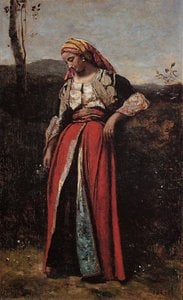
Oriental Landscape
Giclée / Wydruk artystyczny
Wymiary reprodukcji
-


Cena całkowita
$ 62
Podobne dzieła




O artyście
Cesare Biseo: A Window into the Soul of the Orient
Cesare Biseo (1843-1909) stands as a compelling figure in 19th-century Italian art, primarily recognized for his evocative and deeply immersive depictions of the Middle East. Born in Rome to a family rooted in Brescia’s artistic traditions – his father was a skilled decorative painter – Biseo's journey began not with formal training but within the practical world of interiors and embellishments. However, this early exposure to color, texture, and the demands of commissioned work proved foundational, shaping his later approach to capturing the essence of distant lands. His life took an extraordinary turn when he was invited by the Viceroy of Egypt, Isma’il Pasha, to Alexandria, a pivotal moment that irrevocably altered the course of his artistic career and established him as a leading Orientalist painter.Early Years and the Egyptian Commission
Biseo's arrival in Alexandria in 1870 marked the beginning of an intensely formative period. He was tasked with adorning the opulent palaces and public buildings of the city, a commission that demanded both technical skill and a keen eye for detail. This wasn’t merely decorative painting; it was about creating immersive environments, translating the grandeur of Egyptian architecture and culture onto canvas. The scale of these projects – vast frescoes depicting scenes of daily life, historical events, and religious iconography – exposed Biseo to an unparalleled wealth of visual information. Crucially, this experience ignited a passion for the region’s people, landscapes, and traditions, providing him with a rich tapestry of subjects that would inform his future work. His time in Cairo further solidified these observations, offering glimpses into bustling marketplaces, intricate mosques, and the daily rituals of Muslim life.Embarking on Diplomatic Missions: Morocco and Constantinople
Biseo’s artistic journey took an even more significant turn when he joined Stefano Ussi and Edmondo De Amicis as part of the first Italian embassy to Morocco in 1875. This expedition wasn't solely a diplomatic mission; it was a deeply immersive cultural exchange, providing Biseo with firsthand experiences that profoundly shaped his artistic vision. He meticulously documented the landscapes, customs, and people of Morocco, capturing their spirit with an honesty and sensitivity rarely seen in Orientalist paintings of the time. Following this adventure, he collaborated with De Amicis on illustrated editions of *Morocco* (1879) and *Constantinople* (1882), works that played a crucial role in shaping European perceptions of the Muslim world – often portraying it as a land of exotic beauty and ancient wisdom. Biseo’s illustrations, particularly those accompanying De Amicis' account of Constantinople, were notable for their detailed depictions of religious ceremonies, bustling marketplaces, and the everyday lives of Ottoman citizens.A Style Defined by Observation and Emotion
Biseo’s artistic style is characterized by a remarkable ability to convey both the visual details and the emotional atmosphere of his subjects. He eschewed overly dramatic or theatrical compositions in favor of scenes that felt intimate and authentic, capturing fleeting moments of human interaction and the subtle nuances of light and shadow. His use of color was particularly noteworthy – he favored rich, warm tones that evoked the heat and vibrancy of the Middle East, employing a delicate balance between realism and expressive brushwork. His watercolors, such as *Ricordi de Cairo*, demonstrate a remarkable command of technique, capturing the shimmering quality of water, the texture of fabrics, and the play of light on ancient stone.Key Works and Legacy
Among Biseo’s most celebrated works are *Oriental Dancer* (1876), which captures the grace and mystery of a Bedouin woman in traditional attire; *Outside Cairo*, a evocative depiction of daily life along the Nile; *A Bedouin Caravan at the Feet of the Sphinx*, a powerful image that juxtaposes the grandeur of ancient monument with the simplicity of nomadic existence; *Una giovane marocchina* (1881), and his illustrations for De Amicis’ *Constantinople*. These paintings, alongside numerous others, offer a valuable window into the world of 19th-century Orientalism – a genre often criticized for its romanticized and sometimes stereotypical representations. However, Biseo's work stands apart due to its genuine empathy for his subjects and its commitment to portraying them with dignity and respect. He wasn’t simply documenting exotic locales; he was attempting to capture the soul of a culture, inviting viewers to contemplate the beauty and complexity of the Middle East. His legacy endures through his captivating paintings, which continue to inspire admiration for their technical skill, emotional depth, and insightful portrayal of a fascinating era.
Krótka nota
- Artistic Movement Or Style: Orientalism
- Artists Or Movements Influenced By This Artist: ['Orientalism']
- Artists Who Influenced This Artist: ['Father']
- Date Of Birth: April 18, 1843
- Date Of Death: January 25, 1909
- Full Name: Cesare Biseo
- Nationality: Italian
- Notable Artworks:
- Oriental Dancer
- An Arab Horseman
- La fumeuse de narguilé
- Place Of Birth: Rome, Italy