

 Podgląd w skali 1:1
 Wyślij jako kartkę
 Udostępnij
 Szczegóły dzieła
 Przewodnik

 Pobierz obraz
 Podobne obiekty
 RTG
RTG Pokaz slajdów
 Pytania i odpowiedzi
 Statystyki
Last Supper (study)


 Rozwiń treść
Giclée / Wydruk artystyczny
Wydruki giclée lub płótna o jakości muzealnej, szybka realizacja i szeroki wybór opcji wykończenia. ( Zamów ręcznie malowaną reprodukcję Przejdź do wersji cyfrowej)




P118B zł10

P118H zł10

P118W zł10

P438Z zł10

P508JH zł12

P508YH zł12

P805H zł10

P805Z zł10

P919BZ zł10

P919G zł10

P919XJ zł10

P959ZH zł10

P968JZ zł12

W106C zł8

W218G zł10

W218JH zł8

W218Y zł10

W307PJ zł10

W316G zł10

W316PJ zł8

W316Y zł10

W398PJ zł8

W4111J zł10

W500HY zł15

W500JH zł15

W692G zł12

W849H zł8

W940BG zł15

W953PJ zł8




Wybierz spośród naszych standardowych rozmiarów, które zachowują oryginalne proporcje dzieła sztuki.

Wpisz wymaganą szerokość i wysokość, aby dopasować grafikę do ramy lub ściany. Wydruk można jedynie przyciąć, nigdy nie powiększając go poza oryginalny obraz, dlatego format o innych proporcjach spowoduje utratę części kompozycji. Przed rozpoczęciem druku prześlemy Ci cyfrowy podgląd do zatwierdzenia. Obraz wyświetlany na tej stronie nie pokazuje rzeczywistego przycięcia — jedynie podgląd oddaje ten efekt.
Dostawa na cały świat () w ciągu 2 tygodni zamiast standardowych 4/5 tygodni. (12 Listopad)

Bezpłatna ekspresowa wysyłka na cały świat

Wysokiej jakości płótno lniane

Pełne ubezpieczenie przesyłki

Gwarancja zwrotu należności celnych i podatków importowych

Gwarancja wiernego odwzorowania kolorów

100-dniowa polityka zwrotów (tylko w przypadku wad)

Gwarancja 100% zwrotu pieniędzy

Zniżka przy zakupie wielu sztuk
 Opcja ze szkłem jest dostępna wyłącznie w rozmiarach poniżej 110 cm

Last Supper (study)
Giclée / Wydruk artystyczny
Wymiary reprodukcji
-


Cena całkowita
zł 246
A Moment Frozen in Time: Andrea del Sarto’s Study of The Last Supper
Andrea del Sarto's “Last Supper (study)” stands as a testament to the enduring fascination with biblical narratives and the meticulous artistry of the High Renaissance. Executed around 1525, this preparatory sketch offers a glimpse behind the curtain of one of art history’s most iconic images – Michelangelo’s monumental fresco adorning the Cappella Sistina in Rome.
- Subject Matter: The drawing captures Jesus Christ and his twelve disciples gathered around a table, commemorating the Passover meal preceding his crucifixion. This scene is rooted in Christian tradition and represents a pivotal moment of faith and divine communion.
- Style & Technique: Del Sarto’s style embodies the humanist ideals prevalent during the Renaissance, prioritizing anatomical accuracy and emotional expression. The sketch utilizes charcoal on paper—a technique favored by artists seeking to explore compositional ideas before committing to larger-scale frescoes. Notice the careful rendering of drapery folds and facial expressions, indicative of his dedication to realism.
- Historical Context: Created during a period of artistic innovation in Florence under Lorenzo de’ Medici, “Last Supper (study)” reflects the broader cultural climate focused on classical ideals and religious piety. Del Sarto was deeply influenced by Leonardo da Vinci's sfumato technique—the subtle blending of tones to create atmospheric depth—though he eschewed it for a more direct approach in this preparatory piece.
Symbolism: A Reflection of Faith and Humanity
Beyond its visual beauty, the sketch is laden with symbolic significance. The table itself represents the Eucharist – the sacrament commemorating Jesus’s sacrifice—a cornerstone of Christian belief. Each disciple's posture conveys a range of emotions—doubt, contemplation, concern—reflecting the human experience of faith and grappling with profound theological questions. Del Sarto skillfully portrays these nuances, demonstrating his understanding of psychological realism.
Delving Deeper: Andrea del Sarto’s Artistic Legacy
Andrea del Sarto (1486-1530) was a pivotal figure in Florentine art, bridging the stylistic transition between Early Renaissance and Mannerism. His unwavering commitment to anatomical precision—evident throughout his oeuvre—established him as a pioneer of scientific observation within artistic practice. While overshadowed by Michelangelo’s Sistine Chapel ceiling, Del Sarto's frescoes, including “The Last Supper,” continue to inspire awe and admiration for their harmonious compositions and masterful execution.
A Reproduction Worth Admiring
A high-quality reproduction of “Last Supper (study)” allows viewers to appreciate the artist’s meticulous attention to detail and capture a moment of profound spiritual contemplation. ArtsDot offers exceptional reproductions that faithfully recreate Del Sarto's artistic vision, bringing this masterpiece into homes and galleries worldwide.
Pytania i odpowiedzi
Jaki nastrój oddaje styl High Renaissance w dziele „Last Supper (study)”?
W nurcie High Renaissance dzieło „Last Supper (study)” zostało ujęte w Reflective tonie.
Jak bardzo znane jest dzieło "Last Supper (study)" autorstwa Andrea del Sarto?
"Last Supper (study)" jest klasyfikowane jako Iconic.
Jaka paleta barw została wykorzystana w „Last Supper (study)” – Andrea del Sarto?
Paleta dzieła „Last Supper (study)” – Andrea del Sarto jest opisywana jako Earthy. Stanowi ona zwięzłe zestawienie barw użytych w pracy.
Podobne dzieła


![The March Of Silenus [recto] — Jean-antoine Watteau, Rococo Style](/media/artworks/images-thumb/08/46/0846646e11b274486cff5616e4972a4e.jpg)


Biografia artysty
Early Life and Training
Andrea del Sarto, a name synonymous with the quiet elegance of Florentine High Renaissance art, was born in 1486 in Gualfonda, a small village near Florence. His origins were humble; his father, Francesco di Luca, was a tailor – a profession that bestowed upon him the enduring nickname “del Sarto,” meaning “the tailor.” This lineage subtly shaped his artistic sensibility, perhaps contributing to his meticulous attention to detail and an appreciation for the beauty of fabric and form. His early years involved apprenticeships, first with an *orfèvre* (goldsmith), a craft that instilled in him a deep understanding of materials and techniques, and subsequently under the painter and wood sculptor Gian Barile. This foundational training provided him with essential skills – drawing, perspective, and the basics of color theory – laying the groundwork for his future artistic endeavors. Later still, he worked alongside Piero di Cosimo and Raffaellino del Garbo, absorbing influences from these prominent figures and honing his craft within a vibrant artistic environment.Artistic Career and Early Style
Andrea’s career truly began to take shape through his collaboration with Franciabigio, a leading Florentine painter of the time. Together, they undertook the ambitious project of decorating the chapel at the Scalzo Congregation in Florence – a monumental undertaking that marked the beginning of their long association. This early work showcased a distinctive style characterized by monochromatic frescoes in *grisaille* (grey tones), a technique he would master and become renowned for. These monochrome works were not merely decorative; they possessed a remarkable depth and realism, demonstrating his burgeoning skill in capturing form and texture without the use of color. As time progressed, Andrea developed a unique artistic voice, moving beyond mere imitation and establishing a style that blended elements of the High Renaissance with emerging Mannerist tendencies. He joined the *arte dei medici e degli speziali* (the guild of doctors and apothecaries) in 1508, further solidifying his position within Florence’s artistic community.Notable Works and Commissions
Andrea del Sarto's legacy is cemented by a series of remarkable works that continue to captivate viewers today. Perhaps most famously, he created *The Holy Family* (circa 1504-1506), a tender depiction commissioned by Zanobi Strozzi for his villa in Rovezzano, now housed in the Pinacoteca Nazionale di Arte Antica in Rome. This painting exemplifies his ability to imbue religious subjects with an intimate and deeply human quality. Another cornerstone of his oeuvre is *The Last Supper* (circa 1527-1528), a monumental fresco covering over forty square meters at the Museo del Cenacolo di Andrea del Sarto in Florence. This masterpiece, unlike earlier depictions of the event, presents a dynamic and emotionally charged scene, with figures arranged in a more naturalistic and engaging manner – a departure from traditional conventions. Furthermore, he executed a series of frescoes for the Loggia dei Servi Maria, showcasing his early skill with monochromatic *grisaille*, depicting stories of miracles attributed to Saint Philip Benizzi. His portraiture was also highly regarded, including works like “Madonna del Sacco” (1525), a painting that demonstrates his mastery of color and composition.Legacy and Influence
Despite being often overshadowed by the towering figures of Leonardo da Vinci, Michelangelo, and Raphael during his lifetime, Andrea del Sarto’s artistic contributions were profound and enduring. His work is characterized by a remarkable harmony, graceful figures, and an innovative use of color – qualities that bridged the gap between the High Renaissance and the emerging Mannerist style. He possessed a unique ability to create works that felt both timeless and deeply personal. His legacy extends beyond individual paintings; it’s reflected in the numerous artists who were influenced by his techniques and approach. Giorgio Vasari, the renowned art historian, recognized Andrea's importance, noting his “infinite grace, grandeur, and majesty” in depicting the Last Supper. While he may not have sought fame or recognition, Andrea del Sarto left an indelible mark on the history of Italian painting, a testament to the power of quiet skill, meticulous craftsmanship, and a profound understanding of beauty.
Andrea del Sarto
1486 - 1530 , Włochy
Krótka nota
- Artistic Movement Or Style: Renesans i Mannerismus
- Date Of Birth: 16 lipca 1486
- Date Of Death: przed 29 września 1530
- Full Name: Andrea d'Agnolo di Francesco di Luca
- Nationality: Włoski
- Notable Artworks:
- Ostatnia Wieczerza
- n"Holy Family", "Cenacolo"], "Artists who influenced this artist": ["Gian Barile"], "Artists or movements influenced by this artist": ["Leonardo da Vinci"] }
- Place Of Birth: Florencja, Włochy
Powiązane artykuły

The Eloquent Line: Exploring the Artistic Significance of Sketches Across Movements and Media
Explore the profound artistic significance of sketches throughout history. From Renaissance masters to modern innovators like Van Gogh & Guston, discover how these foundational works reveal technique, emotion, and vision. Learn more at ArtsDot.

Andrea del Sarto: Florentine Grace, Technical Mastery & Artistic Ambition
Explore the life & art of Andrea del Sarto, a Florentine Renaissance master renowned for harmonious compositions & technical brilliance. Discover his frescoes, portraits, and lasting influence on art history.

25 Arcydzieł Galerii Uffizi: Podróż przez Renesansowy Genialny Świat | ArtsDot.com
Odkryj 25 arcydzieł Galerii Uffizi we Florencji! Poznaj historie Leonarda da Vinci, Botticellego i Rafaela. Reprodukcje obrazów najwyższej jakości dla Twojego wnętrza – inspiracje i dekoracje na ArtsDot.com.

Michelangelo Buonarroti: 25 Arcydzieł Genialnego Mistrza | ArtsDot.com
Odkryj 25 arcydzieł Michelangelo Buonarroti – od Pietà po Kaplicę Sykstyńską. Poznaj historię, technikę i piękno renesansowych fresków i rzeźb. Reprodukcje obrazów najwyższej jakości na ArtsDot.com! Eksploruj kolekcję online.
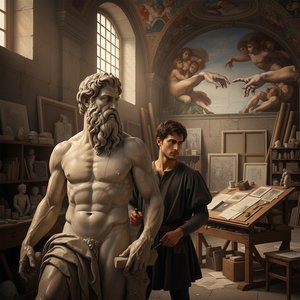
Michelangelo Buonarroti: A Renaissance Titan – Life, Works & Enduring Legacy
Explore the life, works & enduring legacy of Michelangelo Buonarroti, a Renaissance titan. Discover his iconic sculptures, frescoes, and architectural achievements. Expert art consultation & high-quality reproductions at ArtsDot.