


 Zobacz w skali 1:1
 Wyślij
 Udostępnij
 Szczegóły
 Przewodnik

 Pobierz plik obrazu
 Podobne obiekty
 RTG
RTG Pokaz slajdów
 Statystyki
reflection

 Czytaj więcej
Giclée / Wydruk artystyczny
Wydruki giclée lub płótna o jakości muzealnej, szybka realizacja i szeroki wybór opcji wykończenia. ( Kup ręcznie malowany obraz Przełącz na wersję cyfrową)




P118B zł10

P118H zł10

P118W zł10

P438Z zł10

P508JH zł12

P508YH zł12

P805H zł10

P805Z zł10

P919BZ zł10

P919G zł10

P919XJ zł10

P959ZH zł10

P968JZ zł12

W106C zł8

W218G zł10

W218JH zł8

W218Y zł10

W307PJ zł10

W316G zł10

W316PJ zł8

W316Y zł10

W398PJ zł8

W4111J zł10

W500HY zł15

W500JH zł15

W692G zł12

W849H zł8

W940BG zł15

W953PJ zł8




Wybierz spośród naszych standardowych rozmiarów, które zachowują oryginalne proporcje dzieła sztuki.

Wpisz wymaganą szerokość i wysokość, aby dopasować grafikę do ramy lub ściany. Wydruk można jedynie przyciąć, nigdy nie powiększając go poza oryginalny obraz, dlatego format o innym proporcji spowoduje utratę części kompozycji. Przed rozpoczęciem druku prześlemy Ci cyfrowy podgląd do zatwierdzenia. Obraz wyświetlany na tej stronie nie pokazuje rzeczywistego przycięcia — jedynie podgląd oddaje ten efekt.
Dostawa na cały świat () w ciągu 2 tygodni zamiast standardowych 4/5 tygodni. (23 Październik)

Bezpłatna ekspresowa wysyłka na cały świat

Wysokiej jakości płótno lniane

Pełne ubezpieczenie transportowe

Gwarancja zwrotu należności celnych i podatków importowych

Gwarancja idealnego odwzorowania barw

100-dniowy okres na zwrot dzieła w przypadku wykrycia wad produkcyjnych

Gwarancja 100% zwrotu pieniędzy

Oferta przy zakupie wielu sztuk
 Opcja ze szkłem jest dostępna wyłącznie w rozmiarach poniżej 110 cm

reflection
Giclée / Wydruk artystyczny
Rozmiar reprodukcji
-


Suma do zapłaty
zł 239
Podobne dzieła


Biografia artysty
Adrien Henri Tanoux: A Parisian Painter of Exotic Sensuality
Adrien Henri Tanoux, a name perhaps less familiar than many of his contemporaries in the late 19th and early 20th-century French art scene, nevertheless possessed a distinctive voice and a captivating vision. Born in Marseille in 1865 and passing away in Paris in 1923, Tanoux’s artistic journey is one marked by evolution, experimentation, and a profound fascination with the allure of the Orient—a subject that would ultimately define his most celebrated works. While initially trained within the academic framework of the École supérieure d'art et de design Marseille-Méditerranée and later at the prestigious École nationale supérieure des beaux-arts in Paris under the tutelage of Léon Bonnat, Tanoux quickly transcended mere imitation, forging a unique style that blended realism with a sensualism rarely seen in his time.
Bonnat’s influence is undeniable; the emphasis on clear draughtsmanship and a balanced composition—traits inherited from the older master—forms the bedrock of many of Tanoux's early works. However, it was his subsequent travels, funded by the Conseil supérieur des Beaux-Arts in 1895, that proved pivotal. This journey to the East ignited a passion for Orientalist painting, a genre already gaining prominence but often characterized by romanticized and sometimes problematic depictions. Tanoux, however, approached this subject matter with a nuanced sensitivity, moving beyond simplistic stereotypes to capture the quiet dignity and inherent beauty of its inhabitants.
The Rise of the Odalisque
Tanoux’s most enduring legacy lies in his series of paintings depicting “odalisques”—a term that encompassed female servants and concubines within Ottoman harems. These weren't simply eroticized figures; rather, they were presented with a remarkable degree of psychological depth and vulnerability. He eschewed the overtly provocative poses favored by some of his peers, instead opting for languid postures, introspective gazes, and an atmosphere of quiet contemplation. Works like “Namouna” (1894), a dramatic portrayal of opulent Moorish interiors featuring nude figures, exemplify this approach—a bold statement that challenged conventional artistic norms while simultaneously celebrating the beauty and mystery of the East.
The influence of Japanese prints is also evident in Tanoux’s work. The flattened perspective, simplified forms, and emphasis on decorative elements found in Ukiyo-e art subtly informed his compositions, particularly in his depictions of interiors and landscapes. This fusion of European academic training with Eastern artistic principles created a distinctive visual language that set him apart from his contemporaries.
Technique and Style
Tanoux’s technique was characterized by a masterful command of light and shadow, often employing *impasto*—thickly applied paint—to create a tactile surface that seemed to shimmer with life. His color palette leaned towards muted tones – ochres, browns, and deep blues – lending his paintings an air of timelessness and atmospheric depth. He was particularly adept at capturing the subtle nuances of skin tone and fabric texture, imbuing his figures with a remarkable sense of realism. The use of diffused light, reminiscent of Impressionism but grounded in a more classical approach, further enhanced the evocative quality of his work.
Later Works and Legacy
As he matured as an artist, Tanoux’s subject matter broadened beyond the confines of the harem, exploring genre scenes depicting domestic life and intimate moments. Paintings like “La Belle Orientale” (1896) showcase a shift towards a more lyrical and melancholic aesthetic, while works such as "At the Well" (1897) demonstrate his continued ability to capture the beauty of everyday life with remarkable sensitivity. Despite not achieving widespread fame during his lifetime, Adrien Henri Tanoux’s contribution to French art is significant. His unique blend of academic training, Orientalist fascination, and artistic innovation ensures that his paintings continue to captivate viewers today, offering a glimpse into a world of exotic sensuality and quiet contemplation.
His works are now held in prestigious collections across France, including the Musée des Beaux-Arts de Nice, Musée de Grenoble, and Musée Cantini, testament to the enduring appeal of this often-overlooked master of French painting.

Adrien Henri Tanoux
1865 - 1923 , France
Najważniejsze informacje
- Full Name: Antoine Auguste Adrien Henri Tanoux
- Nationality: French
- Date Of Birth: 1865
- Date Of Death: 1923
- Place Of Birth: France
- Notable Artworks:
- At the Well
- Namouna
- La belle orientale
- Artistic Movement Or Style: Orientalist, Nude Painting
- Artists Who Influenced This Artist: ['Léon Bonnat']
- Artists Or Movements Influenced By This Artist: ['Impressionism']
Zobacz także powiązane artykuły

Henri Matisse: 25 Arcydzieł Koloru i Inspiracji | ArtsDot.com
Odkryj 25 arcydzieł Henri Matisse’a – od żywych kolorów fauwizmu po ikoniczne kompozycje. Poznaj historię, technikę i inspiracje malarstwa francuskiego. Reprodukcje obrazów najwyższej jakości na ArtsDot.com! Eksploruj kolekcję online.
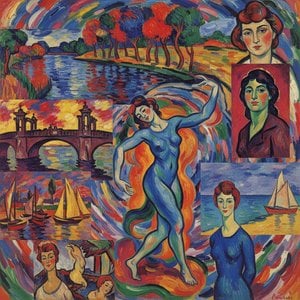
Top 10 arcydzieł Fauwizmu: Kolor i ekspresja w Twoim wnętrzu | ArtsDot.com
Odkryj 10 arcydzieł Fauwizmu! Poznaj historię Matisse'a, Deraina i innych artystów tego rewolucyjnego ruchu. Ekspresjonizm kolorystyczny w Twoim wnętrzu – reprodukcje najwyższej jakości na ArtsDot.com. Eksploruj kolekcję online!

Arcydzieła XIX Wieku: 10 Obrazów Opowiadających Epokę | ArtsDot
Odkryj 10 arcydzieł XIX wieku! Poznaj historię Monet, Van Gogha i Courbeta. Imesjonizm, realizm, romantyzm – obrazy pełne emocji i piękna czekają na ArtsDot.com. Znajdź idealny obraz do swojego wnętrza!

Émile Jean Horace Vernet: Romantic Realism & Depicting 19th-Century Life
Explore the life & art of Émile Jean Horace Vernet, a master of Romantic Realism. Discover his captivating battle scenes, portraits, and Orientalist works – a window into 19th-century France. Learn about his techniques & enduring legacy.
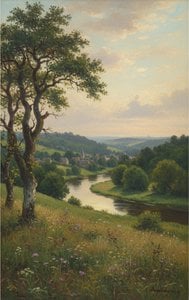
Henri-Joseph Harpignies: Capturing the Poetic Essence of the French Landscape
Explore the serene landscapes of Henri-Joseph Harpignies, a master of the Barbizon School. Discover his atmospheric paintings, recurring themes & enduring legacy in 19th-century French art. Learn more at ArtsDot.