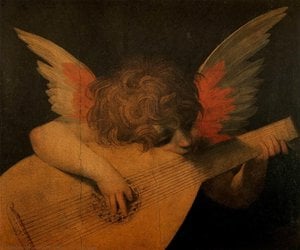
The Mannerist names to know

Famous Mannerist Schilders: Our Top 71

If you remember one Mannerist schilder, make it El Greco (1541–1614), the name behind De begrafenis van Graaf Orgaz en Een uitzicht op Toledo. After that come Jacopo Tintoretto, Giuseppe Arcimboldo, Agnolo Bronzino en Sofonisba Anguissola. Our 71 picks go from Amico Aspertini (born 1475) to Cristofano Allori (born 1577), from 14 countries.

How we picked them. We list the artists our catalogue links to Mannerist, from the most famous down. Artists born after 1955 that we cannot yet check on Wikidata are left out. The Wikipedia number shows in how many of our 32 languages Wikipedia writes about them.

  1. De begrafenis van Graaf Orgaz door El Greco1El Greco
  2. Het Laatste Avondmaal door Jacopo Tintoretto2Jacopo Tintoretto
  3. Vertumnus (Vertumno) door Giuseppe Arcimboldo3Giuseppe Arcimboldo

Quick facts

Mannerist in a nutshell

  • 71Kunstenaars
  • 1475–1577Geboortejaren
  • 14Landen van geboorte
  • 2Vrouwen
  • 5.179Werken in onze catalogus
Steden met de meeste geboorten
Florence (14), Bologna (5), Venetië (3), Cremona (2)
De vrouwen in deze lijst
Sofonisba Anguissola, Lavinia Fontana

Meet them one by one

The 71 famous Mannerist schilders, from most famous down

1of 71

El Greco

Grieks From Iraklion Renaissance en Barok On Wikipedia in 31 of 32 languages

El Greco

Doménikos Theotokópoulos, die de geschiedenis zou binnengaan als El Greco, begon zijn leven in 1541 op het eiland Kreta. In de Venetiaanse Republiek kwam hij in aanraking met de werken van Titiaan en Tintoretto, waarbij hij hun meesterschap in kleur en het gebruik van licht om vorm te definiëren, in zich opnam.

Works to know · Their 100 best-known works

2of 71

Jacopo Tintoretto

Italiaans From Venetië Maniërisme, Venetiaanse school On Wikipedia in 31 of 32 languages

Jacopo Tintoretto

Jacopo Robusti, die de wereld later zou leren kennen als Tintoretto, werd rond 1518 geboren in het Venetië van Italië en werd gevormd door de bedrijvige atmosfeer van zijn geboortegrond. De Oorsprong van de Melkweg (Scuola Grande di San Rocco, Venetië). De vroege opmars van zijn carrière vond een krachtige expressie in de kerk van de Carmine in Venetië, met De Presentatie van Jezus in de Tempel, geschilderd rond 1542.

Works to know · Their 100 best-known works

3of 71

Giuseppe Arcimboldo

Italiaans From Milaan Manierisme, Surrealisme On Wikipedia in 30 of 32 languages

Giuseppe Arcimboldo

Geboren in Milaan, Italië, in 1527, trad Giuseppe Arcimboldo een wereld binnen waarin de grenzen van de visuele representatie al volop werden opgezocht. Hij zocht de begeleiding van gevestigde meesters en studeerde onder de Milanese schilder Giuseppe Meda en Bernardino Campi. Zijn dienstverband begon in Wenen, Oostenrijk, onder het mecenaat van de Heilige Roomse Keizer Ferdinand I.

Works to know · Their 100 best-known works

4of 71

Agnolo Bronzino

Italiaans From Florence Manierisme On Wikipedia in 29 of 32 languages

Agnolo Bronzino

Agnolo di Cosimo, known to history as Bronzino, emerged from the vibrant artistic landscape of Renaissance Florence in 1503, a period already brimming with genius. This early period was also influenced by studies with Andrea del Sarto, exposing him to the legacies of Michelangelo and Leonardo da Vinci, foundational influences that would subtly permeate his mature style.

Taught Alessandro Allori #20

Works to know · Their 100 best-known works

5of 71

Sofonisba Anguissola

Italiaans From Cremona Renaissance kunst On Wikipedia in 29 of 32 languages

Sofonisba Anguissola

Geboren rond 1532 in Cremona als dochter van Amilcare Anguissola en Bianca Ponzoni, profiteerde zij van een ongewoon progressieve opvoeding voor een vrouw uit haar tijd.

Works to know · Their 100 best-known works

6of 71

Jacopo da Pontormo

Italiaans From Empoli Manierisme On Wikipedia in 28 of 32 languages

Jacopo da Pontormo

Jacopo Carucci, door de geschiedenis bekend onder de evocatieve bijnaam Pontormo, was een kunstenaar wiens penseel de essentie van verandering wist te vangen. Geboren in het kleine Toscaanse dorpje Pontorme rond 1494, werd zijn vroege leven gekenmerkt door een diep gevoel van eenzaamheid en melancholie—eigenschappen die zijn doeken later zouden voorzien van een ongekende psychologische diepgang.

Works to know · Their 100 best-known works

7of 71

Parmigianino

Italiaans From Parma Maniërisme On Wikipedia in 28 of 32 languages

Parmigianino

Girolamo Francesco Maria Mazzola, bekend in de geschiedenis als Parmigianino – “de kleine uit Parma” – kwam voort uit de Hoog Renaissance, maar werd al snel een sleutelfiguur van de opkomende maniëristische stijl. Geboren te Parma op 11 januari 1503, was zijn vroege leven getekend door familiaal verlies; zijn vader, Filippo Mazzola, overleed toen Girolamo slechts twee jaar oud was.

Works to know · Their 100 best-known works

8of 71

Giorgio Vasari

Italiaans From Arezzo Manierisme On Wikipedia in 31 of 32 languages

Giorgio Vasari

Giorgio Vasari, born in Arezzo, Tuscany, on July 30, 1511, was more than simply a painter; he was a quintessential embodiment of the Italian Renaissance spirit. Immersing himself within the dynamic circle of Andrea del Sarto and absorbing the influences of Rosso Fiorentino and Jacopo Pontormo, Vasari began a journey that would see him become one of the most influential figures of his era.

Taught Jacopo Zucchi #54, Federico Zuccari #41

Works to know · Their 100 best-known works

9of 71

Giulio Romano

Italiaans From Rome Manierisme On Wikipedia in 28 of 32 languages

Giulio Romano

Giulio Romano, born Giulio Pippi around 1499 in Rome, emerged during a period of intense artistic transformation. He wasn't merely a studio assistant; Giulio rapidly evolved into an indispensable collaborator, contributing significantly to monumental projects like the decoration of the Vatican Stanze – those magnificent rooms commissioned by Popes Julius II and Leo X.

Works to know · Their 100 best-known works

10of 71

Rosso Fiorentino

Italiaans From Florence Maniërisme On Wikipedia in 27 of 32 languages

Rosso Fiorentino

Giovanni Battista di Jacopo, door de wereld bekend als Rosso Fiorentino – “De Rode Florentijn” – was een naam die tijdens de Italiaanse Renaissance met zowel bewondering als een vleugje onbehagen werd gefluisterd. Zijn levensloop, getekend door artistieke exploratie, politieke omwentelingen en uiteindelijk een voortijdig einde in Fontainebleau in 1540, liet een onuitwisbare indruk achter op het Europese kunstlandschap.

Works to know · Their 100 best-known works

11of 71

Sebastiano del Piombo

Italiaans From Venetië Hoge Renaissance, Mannerisme On Wikipedia in 23 of 32 languages

Sebastiano del Piombo

Sebastiano del Piombo, geboren als Sebastiano Luciani rond 1485 in het schijnende Venetië, bezit een unieke en vaak enigmatische positie binnen de hoogrenaissance. Het jaar 1511 markeerde een cruciale wending in Sebastiano’s carrière toen hij naar Rome reisde, een stad dan doordrenkt van artistieke energie onder het patronage van de Pausen Julius II en Leo X.

Works to know · Their 100 best-known works

12of 71

Hendrick Goltzius

Nederlands From Bracht Noordelijke Manierisme On Wikipedia in 19 of 32 languages

Hendrick Goltzius

Hendrik Goltzius, a name synonymous with the vibrant dynamism of Northern Mannerism in Dutch art, was born in Mullbracht – now part of Brüggen – in the Lower Rhine region of Germany around 1558.

Works to know · Their 100 best-known works

13of 71

Domenico Beccafumi

Italiaans From Castelnuovo Berardenga Mannerisme On Wikipedia in 21 of 32 languages

Domenico Beccafumi

Domenico di Pace Beccafumi, a name that resonates less immediately than those of his Florentine contemporaries, nonetheless occupies a pivotal position in the narrative of Italian Renaissance art. Born around 1486 in the small Tuscan town of Montaperto, near Siena, Beccafumi’s artistic journey was one of remarkable development, culminating in a style that bridged the High Renaissance and the burgeoning complexities of Mannerism.

Works to know · Their 100 best-known works

14of 71

Pieter Aertsen

Nederlands From Amsterdam Noordelijke maniënisme On Wikipedia in 28 of 32 languages

Pieter Aertsen

Pieter Aertsen, een naam die vaak fluistert in de gangen van kunstgeschiedenis, staat als een cruciale figuur tussen het Noord-Nederlandse maniërisme en de opkomende realisme van de Gouden Age.

Works to know · Their 100 best-known works

15of 71

Bartholomeus Spranger

Vlaams From Antwerpen Noordelijk Maniërisme On Wikipedia in 18 of 32 languages

Bartholomeus Spranger

Bartholomeus Spranger (1546-1611), een naam die nog steeds doorklinkt in de wandelgangen van het Noordelijk Maniërisme, was veel meer dan louter een schilder; hij was een cruciale figuur die de artistieke sensibiliteit van zijn tijd vormgaf.

Works to know · Their 100 best-known works

16of 71

Lavinia Fontana

Italiaans From Bologna Manierisme, Barok On Wikipedia in 26 of 32 languages

Lavinia Fontana

Lavinia Fontana, geboren in Bologna in 1552, was een opmerkelijke figuur tijdens de Renaissance – een periode vaak gevierd om haar mannelijke meesters. Vroege werken zoals “Monkey Child” (1575), hoewel nu verloren zijn gegaan, signaliseerden het opkomen van een uniek talent, gevolgd door stukken die een groeiende beheersing van techniek en compositie aantoonden, zoals "Christ with the Symbols of the Passion" (1576).

Works to know · Their 100 best-known works

17of 71

Federico Barocci

Italiaan From Urbino Renaissance, Barok On Wikipedia in 24 of 32 languages

Federico Barocci

Federico Fiori Barocci, geboren in Urbino, Italië in 1535, was een sleutelfiguur in de overgang van de Renaissance naar het Baroque. Een belangrijke keerpunt kwam toen paus Pius IV hem uitnodigde om mee te werken aan de decoratie van het Vaticaan Belvedere Paleis in Rome.

Works to know · Their 100 best-known works

18of 71

Hans Von Aachen

Duits From Keulen Maniëristische schilderkunst On Wikipedia in 26 of 32 languages

Hans Von Aachen

Hans von Aachen, een Duitse meester uit de schilderkunst, werd in 1552 geboren in de historische stad Keulen. Enkele van zijn meest opmerkelijke meesterwerken omvatten: De Kruisiging (1585), een schilderij dat zijn beheersing van krachtige kleuren en dramatische lichtinval ten toon legt.

Works to know · Their 100 best-known works

19of 71

Cristofano Allori

Italiaans From Florence Maniërisme On Wikipedia in 23 of 32 languages

Cristofano Allori

In de schemering van de Renaissance, toen de evenwichtige harmonieën van de voorgaande eeuw plaatsmaakten voor de rusteloze energie van het Mannerisme, kwam Cristofano Allori naar voren als een vitale stem binnen de Florentijnse school. Geboren in 1577 in een stad doordrenkt van artistiek prestige, was Allori voorbestemd voor het penseel.

Learned from Alessandro Allori #20

Works to know · Their 100 best-known works

20of 71

Alessandro Allori

Italiaans From Florence Mannervisme On Wikipedia in 24 of 32 languages

Alessandro Allori

Alessandro Allori, geboren in Florence op 31 mei 1535, staat als een boeiende figuur binnen de late Mannerist school. Hij leidde een van de twee belangrijkste werkplaatsen in Florence in de tweede helft van de 16e eeuw, de andere onder leiding van Santi di Tito, en zijn leerlingen omvatten opmerkelijke kunstenaars zoals Cristoforo del Altissimo, Cesare Dandini, Aurelio Lomi en zijn zoon, Cristofano Allori, waardoor deze artistieke lijn voortleefde.

Taught Cristofano Allori #19

Works to know · Their 100 best-known works

21of 71

Niccolò Dell'Abbate

Italiaans From Modena Maniërisme On Wikipedia in 25 of 32 languages

Niccolò Dell'Abbate

Geboren in Modena, Italië, rond 1512, kwam Niccolò Dell'Abbate naar voren als een cruciale figuur binnen de Italiaanse maniëristische beweging. De vormende jaren van Dell'Abbate werden doorgebracht in Modena, waar hij de stilistische elementen absorbeerde van Ferrara-schilders zoals Garofalo en Dosso Dossi. In 1552 begon Niccolò Dell'Abbate aan een nieuw hoofdstuk in zijn carrière door een positie aan te nemen in het Château de Fontainebleau onder leiding van Francesco Primaticcio.

Works to know · Their 100 best-known works

22of 71

Giovanni Battista Moroni

From Albino On Wikipedia in 16 of 32 languages

Giovanni Battista Moroni

Giovanni Battista Moroni (ook bekend als Giambattista Moroni) werd in 1520 geboren in Albino, nabij Bergamo, Italië. Zijn eerste training ontving hij onder Alessandro Bonvicino (bekend als Moretto) in Brescia. De artistieke reis van Moroni leidde hem langs diverse Italiaanse steden, waaronder Trento en Bergamo.

Works to know · Their 100 best-known works

23of 71

Benvenuto Cellini

Italiaans From Florence Maniërisme

Benvenuto Cellini

Benvenuto Cellini, geboren in Florence in 1500 en overleden in 1571, was meer dan slechts een kunstenaar; hij belichaamde de geest van de Italiaanse renaissance. Tegen de bedenkingen van zijn vader in, werd hij leerling bij Antonio di Sandro, beter bekend als Marcone. Zijn vroege jaren waren niet zonder tegenslag; een schermutseling op zestienjarige leeftijd leidde tot ballingschap uit Florence en een periode werken onder de goudsmid Fracastoro in Siena.

Works to know · Their 100 best-known works

24of 71

Francesco de' Rossi

From Florence On Wikipedia in 17 of 32 languages

Francesco de' Rossi

Francesco Salviati, een naam die vaak verweven is met Cecchino del Salviati en Francesco Rossi, staat als een spilfiguur in het levendige weefsel van de 16e-eeuwse Italiaanse kunst. Geboren in Florence rond 1510 en tragisch overleden in Rome in 1563, was zijn leven een reis door artistieke leermeesterschappen, mecenaat en uiteindelijk de meesterlijke beheersing van de dramatische complexiteit van het maniërisme.

Works to know · Their 100 best-known works

25of 71

Giambologna

Vlaams From Douai Maniëristische beeldhouwkunst

Giambologna

Jean Boulogne, later bekend als Giambologna (1529 – 1608), staat te boek als een van de meest invloedrijke beeldhouwers van de Italiaanse Renaissance en de Barok. Geboren in Douai, Vlaanderen—tegenwoordig Frankrijk—begon zijn artistieke reis met vormende studies onder Jacques Du Broeucq in Antwerpen, voordat hij in 1550 de transformatieve verhuizing naar Rome maakte.

Works to know · Their 100 best-known works

26of 71

Karel Van Mander De Oude

Vlaams From Meulebeke Noordelijk Maniërisme On Wikipedia in 20 of 32 languages

Karel Van Mander De Oude

De artistieke reis van Karel Van Mander De Oude begon in het hart van Vlaanderen, waar hij in 1548 werd geboren in Meulebeke, afkomstig uit een adellijke familie. Zijn vroege jaren werden gekenmerkt door een diepe artistieke nieuwsgierigheid, die hij in de jaren 1568-1569 verder vormgaf tijdens zijn eerste formele training onder de vleugels van Lucas de Heere in Gent.

Works to know · Their 100 best-known works

27of 71

Daniele Da Volterra

Italiaans From Volterra Maniërisme On Wikipedia in 17 of 32 languages

Daniele Da Volterra

Daniele Ricciarelli, geboren in de oude Etruskische stad Volterra rond 1509, werd uiteindelijk bekend als Daniele da Volterra – een naam die onlosmakelijk verbonden is met zowel artistieke genialiteit als controverse. Aanvankelijk was hij in leer bij Sienese meesters zoals Il Sodoma en Baldassare Peruzzi, maar Danieles traject veranderde drastisch toen hij naar Rome reisde.

Works to know · Their 100 best-known works

28of 71

Jean Goujon

Frans From Normandië Maniërisme

Jean Goujon

Jean Goujon (ca. 1510 – ca. 1567) staat te boek als een hoeksteen van de Franse renaissance-sculptuur en -architectuur, waarbij hij de stilistische passie van het maniërisme belichaamde en tegelijkertijd diep geworteld bleef in klassieke idealen. De reis van Goujon begon met vormende ervaringen in Italië, waar hij de grandeur van de Romeinse beeldhouwkunst in zich opnam en de principes ervan integreerde in zijn eigen, unieke stijl.

Works to know · Their 100 best-known works

29of 71

Prospero Fontana

Italiaans From Bologna Late Renaissance & Maniërisme On Wikipedia in 18 of 32 languages

Prospero Fontana

Geboren in Bologna in 1512, kwam Prospero Fontana naar voren als een cruciale figuur binnen het levendige artistieke landschap van het late Renaissance-Italië. Later verfijnde hij zijn vaardigheden in het atelier van Perino del Vaga in Genua, een ervaring die hem introduceerde in de grandeur van pauselijke opdrachten en de verfijnde esthetiek van de Venetiaanse kunst.

Works to know · Their 100 best-known works

30of 71

Joachim Wtewael

Nederlands From Utrecht Maniërisme On Wikipedia in 14 of 32 languages

Joachim Wtewael

Joachim Anthonisz Wtewael, een naam die met ontzag wordt gefluisterd onder de kenners van de Nederlandse Gouden Eeuw, blijft een fascinerende figuur wiens kunst zich niet gemakkelijk laat vangen in hokjes. Geboren in 1566 en overleden in 1638, was zijn leven even veelzijdig als zijn doeken. De vroege opleiding van Joachim Wtewael wortelde hem diep in de verfijnde vormentaal van het Haarlemse Maniërisme uit de late 16e eeuw.

Works to know · Their 100 best-known works

31of 71

Francesco Primaticcio

Italian From Bologna Mannerism On Wikipedia in 22 of 32 languages

Francesco Primaticcio

Francesco Primaticcio stands as a towering figure of the Italian Mannerist tradition, a polymath whose creative reach extended far beyond the canvas to encompass the realms of architecture and sculpture. Born in Bologna, Italy, his artistic journey began under the rigorous guidance of Giulio Romano in Mantua, where he absorbed the complex, tension-filled aesthetics that would later define his career.

Learned from Giulio Romano #9

Works to know · Their 100 best-known works

32of 71

Otto van Veen

Vlaams From Leiden Manierisme On Wikipedia in 15 of 32 languages

Otto van Veen

His subsequent journey to Rome around 1574 or 1575 proved pivotal; immersing himself in the heart of the Italian Renaissance, he absorbed the stylistic nuances that would define his mature work—the elegance, the refined compositions, and the emphasis on idealized forms characteristic of Mannerism.

Learned from Federico Zuccari #41

Works to know · Their 100 best-known works

33of 71

Luca Cambiaso

Italiaans From Moneglia Genuese School, Maniërisme On Wikipedia in 15 of 32 languages

Luca Cambiaso

Luca Cambiaso (1527-185) vormt een cruciaal figuur in de geschiedenis van de Italiaanse Renaissance, en is met name beroemd om zijn pioniersrol bij het vestigen van de Genuese School van de schilderkunst. Geboren in Moneglia, een klein kustplaatsje binnen de Republiek Genua, begon Cambiaso's artistieke reis onder de begeleiding van zijn vader, Giovanni Cambiasi, een bekwame ambachtsman die hem een fundamenteel begrip van schildertechnieken bijbracht.

Works to know · Their 100 best-known works

34of 71

Giuseppe Cesari

Italiaans From Arpino Maniërisme On Wikipedia in 14 of 32 languages

Giuseppe Cesari

Giuseppe Cesari, geboren in Arpino rond 1568 en tragisch overleden in Rome in 1640, blijft een fascinerende, zij het enigszins raadselachtige figuur binnen het rijke weefsel van de Italiaanse kunstgeschiedenis.

Works to know · Their 100 best-known works

35of 71

Francesco Bassano De Jongere

Italiaans From Bassano del Grappa Venetiaanse Renaissance On Wikipedia in 12 of 32 languages

Francesco Bassano De Jongere

Het verhaal van Francesco Bassano De Jongere is er een van afkomst, licht en de voortdurende geest van de Venetiaanse Renaissance. Geboren als Jacopo dal Ponte in het schilderachtige landschap van Bassano del Grappa, was zijn identiteit diep verweven met het weefsel van een diepgaande artistieke dynastie.

Works to know · Their 100 best-known works

36of 71

Hendrick De Clerck

Flemish Late Mannerism

Hendrick De Clerck

Early Life & Training: De Clerck’s formative years are shrouded in obscurity, though evidence suggests he received training under Jan Brueghel the Elder, a titan of Flemish landscape painting and a pivotal influence on de Clerck's artistic approach. Brussels Court Painter: In 1594, De Clerck ascended to the prestigious role of court painter to Archduke Ernest I of Habsburg Austria, securing patronage that afforded him considerable freedom and resources.

Works to know · Their 100 best-known works

37of 71

Leandro Bassano

Italiaans From Bassano del Grappa Maniërisme On Wikipedia in 13 of 32 languages

Leandro Bassano

Jacopo Carucci, beter bekend als Jacopo Pontormo, blijft een figuur van diepe en vaak verwarrende fascinatie in de kunstgeschiedenis. Geboren in 1494 in het kleine Toscaanse stadje Pontorme nabij Empoli, was hij niet voorbestemd voor een conventionele artistieke opvoeding.

Works to know · Their 100 best-known works

38of 71

Perino del Vaga

Italian From Florence Mannerist Painting On Wikipedia in 15 of 32 languages

Perino del Vaga

Pietro Buonaccorsi, known to history through the evocative moniker Perino del Vaga, remains one of the most captivating figures of the transition from the High Renaissance to the intricate complexities of Mannerism. Born in Florence around 1501 into a lineage of artistic talent, his very name— Vaga, meaning wandering or idle—suggests a restless creative energy that would eventually carry him far beyond the borders of his native Tuscany.

Works to know · Their 100 best-known works

39of 71

Stradanus

Flemish From Bruges Renaissance, 16th Century Painting On Wikipedia in 15 of 32 languages

Stradanus

Jan van der Straet, better known as Johannes Stradanus or Giovanni Stradano, was a pivotal figure in 16th-century European art, primarily recognized for his masterful depictions of mythological scenes, allegorical representations, and refined portraiture.

Taught Antonio Tempesta #56

Works to know · Their 100 best-known works

40of 71

Giovanni Antonio de Pordenone

Italiaans From Pordenone Renaissance-schilderkunst On Wikipedia in 16 of 32 languages

Giovanni Antonio de Pordenone

Giovanni Antonio de’ Sacchis, universeel bekend als Il Pordenone, brak het toneel van de Italiaanse Renaissance binnen als een natuurkracht in plaats van als een product van zorgvuldige academische training. Geboren rond 1484 in Fruili-Visenza, Italië, lagen zijn wortels niet in de gevestigde artistieke centra van Florence of Rome, maar in het relatief provinciale stadje Pordenone – een locatie die zijn kenmerkende stijl onuitwisbaar zou vormen.

Works to know · Their 100 best-known works

41of 71

Federico Zuccari

Italian From Sant'Angelo in Vado Mannerism On Wikipedia in 18 of 32 languages

Federico Zuccari

Federico Zuccaro stands as a pivotal figure in the Italian Renaissance, specifically within the burgeoning Roman Mannerist movement. Their collaborative spirit yielded masterpieces such as “The Holy Family ” in Palazzo Vecchio, a work that serves as a testament to their unified artistic language. This ambition is perhaps most tangibly felt in Casa Zuccari in Florence, a residence built around 1578.

Learned from Giorgio Vasari #8

Works to know · Their 100 best-known works

42of 71

Cecchino Del Salviati

Italiaans From Florence Maniëristische schilderkunst

Cecchino Del Salviati

In het levendige, voortdurend veranderende landschap van de zestiende eeuw, waren er weinig kunstenaars die de rusteloze energie van de maniëristische beweging zo diepgaand vastlegden als Francesco Salviati, in de geschiedenis bekend onder zijn evocatieve bijnaam, Cecchino del Salviati.

Works to know · Their 100 best-known works

43of 71

Cornelis Ketel

Dutch From Gouda Mannerism On Wikipedia in 13 of 32 languages

Cornelis Ketel

His apprenticeship began at the young age of eleven with his uncle, Cornelis Jacobsz., a painter who instilled in him the fundamentals of the craft.

Works to know · Their 100 best-known works

44of 71

Gillis Mostaert

Flemish From Hulst Mannerism, Renaissance On Wikipedia in 8 of 32 languages

Gillis Mostaert

Born in the small Dutch town of Hulst around 1528, Gillis Mostaert the Elder emerged as a significant figure within the vibrant artistic landscape of Antwerp during the Renaissance. From approximately 1550, Gillis formally trained with the landscape painter Jan Mandijn, an influence that would become strikingly apparent in his own mature work.

Works to know · Their 100 best-known works

45of 71

Francesco Bacchiacca

Italiaans From Florence Florentijns Maniërisme On Wikipedia in 11 of 32 languages

Francesco Bacchiacca

Geboren als Francesco d’Ubertino Verdi in Florence op 1 maart 1494, en universeel bekend als il Bacchiacca (wat "de kromrug" betekent – een bijnaam die verwijst naar zijn prominente neus), staat deze Italiaanse schilder als een cruciale figuur die de brug slaat tussen de late Renaissance en het opkomende Maniërisme.

Works to know · Their 100 best-known works

46of 71

Scipione Pulzone

From Gaeta On Wikipedia in 11 of 32 languages

Scipione Pulzone

De artistieke reis van Scipione Pulzone (1544 – 1 februari 1598), ook wel bekend als Il Gaetano), voert ons terug naar de bloeiende periode van de late Italiaanse Renaissance. Geboren in Gaeta rond 1550, begon hij zijn weg als kunstenaar in het atelier van Jacopino del Conte in Rome.

Works to know · Their 100 best-known works

47of 71

Santi di Tito

Italian From Florence Proto-Baroque & Counter-Maniera On Wikipedia in 14 of 32 languages

Santi di Tito

In the vibrant, shifting landscape of late 16th-century Italy, few figures played as pivotal a role in redefining the visual language of Florence as Santi di Tito. Between 1558 and 1564, di Tito’s presence was felt in the grand halls of Rome, where he worked alongside talented peers such as Giovanni de’ Vecchi and Niccolò Circignani.

Works to know · Their 100 best-known works

48of 71

Polidoro Da Caravaggio

Italiaans From Caravaggio Maniërisme On Wikipedia in 10 of 32 languages

Polidoro Da Caravaggio

Polidoro Caldara, in de geschiedenis bekend als Polidoro Da Caravaggio, kwam rond 1499 voort uit het kleine stadje Caravaggio in Lombardije, een naam die hij later aan zichzelf zou toevoegen—een voorbode van zijn artistieke identiteit.

Works to know · Their 100 best-known works

49of 71

Vincenzo Campi

Italiaans From Cremona Vlaamse stijl / Lombardisch naturalisme On Wikipedia in 13 of 32 languages

Vincenzo Campi

In het levendige artistieke landschap van het 16e-eeuwse Cremona, een periode die vaak werd gedefinieerd door de verfijnde kunstmatigheid van het maniërisme, kwam Vincenzo Campi naar voren als een diepe stem van helderheid en waarheid. Geboren rond 1536 in een familie waarin de penseelstreek de primaire taal was, werd Campi gevormd door de rijke creatieve atmosfeer van zijn afkomst.

Works to know · Their 100 best-known works

50of 71

Andrea Schiavone

Italian From Zadar Baroque Sculpture; Mannerism On Wikipedia in 14 of 32 languages

Andrea Schiavone

In the vibrant, sun-drenched tapestry of the sixteenth-century Venetian Republic, few names evoke as much intrigue and stylistic complexity as Andrea Schiavone. Born Andrea Meldolla, his very moniker—meaning "Andrew the Slav"—serves as a poetic testament to his dual identity. Though his roots lay in the Dalmatian city of Zara, now Zadar, Croatia, his artistic spirit was forged in the heart of Venice.

Works to know · Their 100 best-known works

51of 71

Jacopo Ligozzi

Italiaans From Verona Late Renaissance & Maniërisme On Wikipedia in 11 of 32 languages

Jacopo Ligozzi

In het levendige, transformerende tijdperk van het late Renaissance en het Maniërisme in Italië, belichaamden weinig figuren de kruising tussen esthetische gratie en empirische nieuwsgierigheid zo diepgaand als Jacopo Ligozzi. Geboren in Verona in 1547 als zoon van de gerespecteerde kunstenaar Giovanni Ermano Ligozzi, werd Jacopo vanaf zijn geboorte ondergedompeld in een wereld waarin vakmanschap en visuele verhalen vertellen van cruciaal belang waren.

Works to know · Their 100 best-known works

52of 71

Bartolomeo Passarotti

Italian From Bologna Mannerism On Wikipedia in 10 of 32 languages

Bartolomeo Passarotti

In the vibrant, shifting landscape of the late sixteenth century, few artists captured the transition from the structured elegance of the High Renaissance to the dramatic intensity of the Baroque as skillfully as Bartolomeo Passarotti. Born in Bologna in 1529, Passarotti emerged not merely as a painter, but as a pivotal bridge between eras.

Works to know · Their 100 best-known works

53of 71

Andrea Vicentino

Italian From Vicenza Late Renaissance/Mannerist On Wikipedia in 5 of 32 languages

Andrea Vicentino

Under the watchful eye and expert tutelage of Giovanni Battista Maganza, Vicentino developed a command over monumental compositions and refined aesthetics that would later define his career. Known variously as Andrea Michieli or Michelli, his movement toward Venice in the mid-1570s marked a transformative era in his development. By 1583, he had officially registered with the Fraglia, the prestigious Venetian guild of painters.

Works to know · Their 100 best-known works

54of 71

Jacopo Zucchi

Italian From Florence Mannerist Painting On Wikipedia in 11 of 32 languages

Jacopo Zucchi

Jacopo Zucchi stands as a pivotal figure in the evolution of the Florentine Baroque, embodying the stylistic complexities and dramatic grandeur characteristic of Mannerism. Born in Florence around 1542, Zucchi’s formative years were deeply rooted in the prestigious artistic traditions fostered by Giorgio Vasari. His involvement in the decoration of the Palazzo Vecchio, specifically within the Studiolo and the Salone dei Cinquecento, showcased his ability to execute ambitious, large-scale commissions.

Learned from Giorgio Vasari #8

Works to know · Their 100 best-known works

55of 71

Domenico Tintoretto

Italiaans From Venetië Maniërisme On Wikipedia in 9 of 32 languages

Domenico Tintoretto

In het gouden, zonovergoten tijdperk van de Venetiaanse Renaissance echoden namen vaak met een donderende intensiteit door de marmeren hallen van de geschiedenis. Geboren in Venetië rond 1560, groeide Domenico op te midden van de geur van olieverf en de dramatische spanning van het atelier van zijn vader.

Works to know · Their 100 best-known works

56of 71

Antonio Tempesta

Italian From Florence Mannerism On Wikipedia in 11 of 32 languages

Antonio Tempesta

Born in Florence in 1555, during a period marked by intense intellectual ferment and artistic experimentation, Tempesta’s career unfolded across the prestigious corridors of Italy and the vibrant art markets of Flanders. His formative years were shaped by the prestigious Accademia delle Arti del Disegno, where he enrolled in 1576.

Learned from Stradanus #39

Works to know · Their 100 best-known works

57of 71

Amico Aspertini

Italiaans From Bologna Maniërisme On Wikipedia in 11 of 32 languages

Amico Aspertini

Amico Aspertini, geboren in Bologna rond 1474 en overleden in 1552, staat te boek als een fascinerende figuur binnen de Italiaanse Renaissance—een schilder die de heersende artistieke trends zowel vooruitliep als uitdaagde. Zijn leven was diep verweven met het artistieke milieu van Bologna, een stad die bekend stond om haar levendige ateliercultuur en haar verbinding met zowel de Florentijnse innovatie als de Venetiaanse sensualiteit.

Works to know · Their 100 best-known works

58of 71

Wenzel Jamnitzer

German From Vienna Northern Mannerism

Wenzel Jamnitzer

Wenzel Jamnitzer (circa 1507 – December 19, 1585) emerged from a distinguished Moravian German family known for its artistic endeavors under various spellings—Jamnitzer, Jemniczer, Gemniczer, and Jamitzer.

Works to know · Their 100 best-known works

59of 71

Vincenzo Scamozzi

Italian From Vicenza

Vincenzo Scamozzi

Born in Vicenza, Italy, he emerged from a lineage of builders, being the son of Gian Domenico Scamozzi, a surveyor and contractor who served as his first teacher. Following Palladio's death in 1580, Scamozzi found himself entrusted with several unfinished projects, most notably the prestigious Teatro Olimpico at Vicenza.

Works to know · Their 100 best-known works

60of 71

Domenico Fontana

Italian From Melide Late Renaissance

Domenico Fontana

Domenico Fontana, a name often overshadowed by the titans of the High Renaissance, stands as a pivotal figure in 16th-century Italian architecture and engineering. Born in Melide, a small village nestled on the shores of Lake Lugano in Switzerland – a region then caught between Swiss cantons and Italy – in 1543, Fontana’s life was one of relentless innovation and service to the Papal States.

Works to know · Their 100 best-known works

61of 71

Jan De Beer

From Antwerp Antwerp Mannerism On Wikipedia in 9 of 32 languages

Jan De Beer

Active primarily in Antwerp, he was a central protagonist in a loose but influential group of painters known as the Antwerp Mannerists. By 1504, he had achieved the prestigious status of master within the Antwerp Guild of Saint Luke, eventually rising to the esteemed position of dean. The work of Jan De Beer is characterized by a breathtaking marriage of Northern Renaissance realism and a burgeoning sense of theatricality.

Works to know · Their 100 best-known works

62of 71

Marcello Venusti

Italian From Mazzo di Valtellina Mannerist On Wikipedia in 10 of 32 languages

Marcello Venusti

Born near Como in the rugged terrain of Mazzo di Valtellina around 1512, Venusti emerged from the Italian foothills to become a vital conduit for the Mannerist aesthetic. This formative connection anchored him within the sophisticated stylistic currents of Rome, preparing him to translate the monumental language of the High Renaissance into the more stylized, elongated, and emotive vocabulary of Mannerism.

Works to know · Their 100 best-known works

63of 71

Toussaint Dubreuil

Franses From Parijs Tweede School Fontainebleau; Mannerisme; Italiaanse kunstinvloed On Wikipedia in 8 of 32 languages

Toussaint Dubreuil

Toussaint Dubreuil (c. 1561 – 1602), een Franse schilder geboren in Parijs, staat als een belangrijke figuur binnen de Tweede School van Fontainebleau—een beweging die het stijlvolle grandeur van Manierisme wist te combineren met de levendige esthetiek van Italiaanse Renaissance kunst.

Works to know · Their 100 best-known works

64of 71

Tobias Stimmer

Swiss From Schaffhausen Mannerism On Wikipedia in 7 of 32 languages

Tobias Stimmer

Tobias Stimmer, geboren in de bruisende Zwitserse stad Schaffhausen in 1539, kwam naar voren als een sleutelfiguur tijdens een periode van diepgaande artistieke en religieuze transformatie. In eerste instantie werkte hij als zowel muurschilder als portretschilder in heel Zwitserland en daarbuiten – van de levendige straten van Straatsburg tot de elegante hoven van Baden-Baden.

Works to know · Their 100 best-known works

65of 71

Jacopino del Conte

Italian From Florence Mannerist On Wikipedia in 10 of 32 languages

Jacopino del Conte

Jacopino del Conte (c. 1510 – 1598) stands as a compelling figure within the vibrant tapestry of 16th-century Italian art, a painter whose career unfolded across both the artistic heartland of Florence and the papal seat of Rome.

Works to know · Their 100 best-known works

66of 71

Paolo Fiammingo

Flemish From Antwerp Landscape with mythological and allegorical On Wikipedia in 8 of 32 languages

Paolo Fiammingo

The story of Paolo Fiammingo, born Pauwels Franck, is a captivating tale of artistic migration and the seamless blending of Northern precision with Italian grandeur. Emerging from the vibrant artistic traditions of Antwerp around 1540, this master crossed the Alps to find his true calling in the shimmering atmosphere of Venice.

Works to know · Their 100 best-known works

67of 71

Jacques Bellange

French From Bassigny Northern Mannerism On Wikipedia in 9 of 32 languages

Jacques Bellange

A master of the Northern Mannerist style, his life was lived in the twilight of the late Renaissance, a period defined by elongated forms, theatrical tension, and an almost feverish psychological intensity. Born around 1575 in the Bâse-les-Vosges region of France, Bellange emerged from a landscape of shifting borders and intense religious fervor, eventually finding his creative home within the sophisticated courtly circles of Nancy.

Works to know · Their 100 best-known works

68of 71

Girolamo Mazzola Bedoli

Italian From Parma Mannerist Painting On Wikipedia in 8 of 32 languages

Girolamo Mazzola Bedoli

In the vibrant, swirling currents of the Italian Mannerist period, few names capture the elegance and stylistic complexity of the Parma school quite like Girolamo Mazzola Bedoli. Born in Viadana around 1500, Bedoli emerged from a landscape deeply enriched by the artistic legacies of Lombardy and the sophisticated atmosphere of Parma.

Works to know · Their 100 best-known works

69of 71

Lelio Orsi

Italian From Novellara Mannerist On Wikipedia in 7 of 32 languages

Lelio Orsi

In the twilight of the Italian Renaissance, as the harmonious balance of High Renaissance classicism began to fracture into the restless energy of Mannerism, there emerged a voice from the fertile plains of Emilia-Romagna that captured the profound anxieties of a changing world. Born in the small town of Novellara around 1508 or 1511, Orsi navigated an era defined by shifting theological certainties and the complex intellectual currents of humanism.

Works to know · Their 100 best-known works

70of 71

Michele Tosini

Italian From Florence Renaissance and Mannerism On Wikipedia in 5 of 32 languages

Michele Tosini

In the vibrant, sun-drenched landscape of sixteenth-century Florence, a period where the boundaries between the earthly and the divine were often blurred by the brushstrokes of masters, emerged the distinctive talent of Michele Tosini.

Works to know · Their 100 best-known works

71of 71

Juan Correa De Vivar

Spanish From Mascaraque Renaissance, Mannerism On Wikipedia in 6 of 32 languages

Juan Correa De Vivar

Born around 1510 in Mascaraque, a small town in Castile, his life unfolded against the backdrop of a burgeoning artistic landscape shaped by both Renaissance ideals and emerging Mannerist sensibilities. Records indicate he joined the workshop of Juan de Borgoña in Toledo around 17 or 18 years old, an environment teeming with aspiring artists, including Pedro de Cisneros, a connection that undoubtedly shaped his artistic development.

Works to know · Their 100 best-known works

Pictures worth knowing

Famous Mannerist works to recognise

  1. De begrafenis van Graaf Orgaz door El Greco

    De begrafenis van Graaf Orgaz

    El Greco

    1586 · Santo Tomé, Toledo

  2. Het Laatste Avondmaal door Jacopo Tintoretto

    Het Laatste Avondmaal

    Jacopo Tintoretto

    1594 · San Giorgio Maggiore, Venetië

  3. Vertumnus (Vertumno) door Giuseppe Arcimboldo

    Vertumnus (Vertumno)

    Giuseppe Arcimboldo

    1590 · Skoklosters Slott, Balsta

  4. Venus, Cupid en Tijd (Allegorie van Verlangen) door Agnolo Bronzino

    Venus, Cupid en Tijd (Allegorie van Verlangen)

    Agnolo Bronzino

    1540 · National Gallery, Londen

  5. Portrait of the Artist's Sisters Playing Chess door Sofonisba Anguissola

    Portrait of the Artist's Sisters Playing Chess

    Sofonisba Anguissola

    1555 · Muzeum Narodowe w Pozaniu, Poznań

  6. Deposition door Jacopo da Pontormo

    Deposition

    Jacopo da Pontormo

  7. Madonna dal Collo Lungo (Madonna met de lange nek) door Parmigianino

    Madonna dal Collo Lungo (Madonna met de lange nek)

    Parmigianino

    1534 · Galleria degli Uffizi, Florence

  8. De Laatste Oordeel door Giorgio Vasari

    De Laatste Oordeel

    Giorgio Vasari

    1572 · Duomo di Firenze, Florence

When it happened

Mannerist, step by step

  1. 1519
  2. 1530
  3. 1534
  4. 1540
  5. 1545
  6. 1551
  7. 1555
  8. 1570
  9. 1577
  10. 1581
  11. 1590
  12. 1595
  13. 1595
  14. 1605

Fun figures

The numbers behind the list

Geboorteland
Italië35
Italy14
Nederland3
Frankrijk3
Belgium3
Duitsland2
België2
Netherlands2
Geboorte decennium
1470s2
1480s3
1490s5
1500s11
1510s10
1520s8
1530s7
1540s11
1550s7
1560s4
1570s3
Musea met hun belangrijkste werken
Kunsthistorisches Museum23
Bayerische Staatsgemäldesammlungen11
National Gallery8
Museo del Prado8
Louvre6
Hermitage Museum6
Galleria degli Uffizi4
Rijksmuseum4

Just the names

List of 71 famous Mannerist schilders to know

  1. 1El GrecoEl GrecoGrieks · 1541–1614
  2. 2Jacopo TintorettoJacopo TintorettoItaliaans · 1519–1594
  3. 3Giuseppe ArcimboldoGiuseppe ArcimboldoItaliaans · 1527–1593
  4. 4Agnolo BronzinoAgnolo BronzinoItaliaans · 1503–1572
  5. 5Sofonisba AnguissolaSofonisba AnguissolaItaliaans · 1532–1625
  6. 6Jacopo da PontormoJacopo da PontormoItaliaans · 1494–1556
  7. 7ParmigianinoParmigianinoItaliaans · 1503–1540
  8. 8Giorgio VasariGiorgio VasariItaliaans · 1511–1574
  9. 9Giulio RomanoGiulio RomanoItaliaans · 1499–1546
  10. 10Rosso FiorentinoRosso FiorentinoItaliaans · 1494–1540
  11. 11Sebastiano del PiomboSebastiano del PiomboItaliaans · 1485–1547
  12. 12Hendrick GoltziusHendrick GoltziusNederlands · 1558–1617
  13. 13Domenico BeccafumiDomenico BeccafumiItaliaans · 1484–1551
  14. 14Pieter AertsenPieter AertsenNederlands · 1508–1575
  15. 15Bartholomeus SprangerBartholomeus SprangerVlaams · 1546–1611
  16. 16Lavinia FontanaLavinia FontanaItaliaans · 1552–1614
  17. 17Federico BarocciFederico BarocciItaliaan · 1535–1612
  18. 18Hans Von AachenHans Von AachenDuits · 1552–1615
  19. 19Cristofano AlloriCristofano AlloriItaliaans · 1577–1621
  20. 20Alessandro AlloriAlessandro AlloriItaliaans · 1535–1607
  21. 21Niccolò Dell'AbbateNiccolò Dell'AbbateItaliaans · 1512–1571
  22. 22Giovanni Battista MoroniGiovanni Battista Moroni1525–1578
  23. 23Benvenuto CelliniBenvenuto CelliniItaliaans · 1500–1571
  24. 24Francesco de' RossiFrancesco de' Rossi1510–1563
  25. 25GiambolognaGiambolognaVlaams · 1529–1608
  26. 26Karel Van Mander De OudeKarel Van Mander De OudeVlaams · 1548–1606
  27. 27Daniele Da VolterraDaniele Da VolterraItaliaans · 1509–1566
  28. 28Jean GoujonJean GoujonFrans · 1510–1567
  29. 29Prospero FontanaProspero FontanaItaliaans · 1512–1597
  30. 30Joachim WtewaelJoachim WtewaelNederlands · 1566–1638
  31. 31Francesco PrimaticcioFrancesco PrimaticcioItalian · 1504–1570
  32. 32Otto van VeenOtto van VeenVlaams · 1556–1629
  33. 33Luca CambiasoLuca CambiasoItaliaans · 1527–1585
  34. 34Giuseppe CesariGiuseppe CesariItaliaans · 1568–1640
  35. 35Francesco Bassano De JongereFrancesco Bassano De JongereItaliaans · 1549–1592
  36. 36Hendrick De ClerckHendrick De ClerckFlemish · 1570–1630
  37. 37Leandro BassanoLeandro BassanoItaliaans · 1557–1622
  38. 38Perino del VagaPerino del VagaItalian · 1501–1547
  39. 39StradanusStradanusFlemish · 1523–1605
  40. 40Giovanni Antonio de PordenoneGiovanni Antonio de PordenoneItaliaans · 1484–1539
  41. 41Federico ZuccariFederico ZuccariItalian · 1539–1609
  42. 42Cecchino Del SalviatiCecchino Del SalviatiItaliaans · 1510–1563
  43. 43Cornelis KetelCornelis KetelDutch · 1548–1616
  44. 44Gillis MostaertGillis MostaertFlemish · 1528–1598
  45. 45Francesco BacchiaccaFrancesco BacchiaccaItaliaans · 1494–1557
  46. 46Scipione PulzoneScipione Pulzone1550–1598
  47. 47Santi di TitoSanti di TitoItalian · 1536–1603
  48. 48Polidoro Da CaravaggioPolidoro Da CaravaggioItaliaans · 1499–1543
  49. 49Vincenzo CampiVincenzo CampiItaliaans · 1536–1591
  50. 50Andrea SchiavoneAndrea SchiavoneItalian · 1522–1563
  51. 51Jacopo LigozziJacopo LigozziItaliaans · 1547–1627
  52. 52Bartolomeo PassarottiBartolomeo PassarottiItalian · 1529–1592
  53. 53Andrea VicentinoAndrea VicentinoItalian · 1542–1617
  54. 54Jacopo ZucchiJacopo ZucchiItalian · 1542–1596
  55. 55Domenico TintorettoDomenico TintorettoItaliaans · 1560–1635
  56. 56Antonio TempestaAntonio TempestaItalian · 1555–1630
  57. 57Amico AspertiniAmico AspertiniItaliaans · 1475–1552
  58. 58Wenzel JamnitzerWenzel JamnitzerGerman · 1507–1585
  59. 59Vincenzo ScamozziVincenzo ScamozziItalian · 1548–1616
  60. 60Domenico FontanaDomenico FontanaItalian · 1543–1607
  61. 61Jan De BeerJan De Beer1475–1528
  62. 62Marcello VenustiMarcello VenustiItalian · 1510–1579
  63. 63Toussaint DubreuilToussaint DubreuilFranses · 1561–1602
  64. 64Tobias StimmerTobias StimmerSwiss · 1539–1584
  65. 65Jacopino del ConteJacopino del ConteItalian · 1510–1598
  66. 66Paolo FiammingoPaolo FiammingoFlemish · 1540–1596
  67. 67Jacques BellangeJacques BellangeFrench · 1575–1616
  68. 68Girolamo Mazzola BedoliGirolamo Mazzola BedoliItalian · 1500–1569
  69. 69Lelio OrsiLelio OrsiItalian · 1508–1587
  70. 70Michele TosiniMichele TosiniItalian · 1503–1577
  71. 71Juan Correa De VivarJuan Correa De VivarSpanish · 1510–1566

Good questions

What people ask about Mannerist

Read more

More stories on ArtsDot.com

Other styles

Famous artists of other styles

Other eras

Famous artists of other eras

Keep exploring

Where to go next