

 Voorvertoning
 Verstuur
 Delen
Delen
 Details bekijken
 Gids
Gids

 Download
 Vergelijkbare items
 Röntgenonderzoek
 Diavoorstelling
 Vraag & antwoord
 Statistieken
Two Hanged Teals


 Lees meer
Giclée / Kunstafdrukken
Giclée- of canvasafdruk van museumkwaliteit met een snelle productie en flexibele afwerkingsmogelijkheden. ( Bestel handgeschilderde reproductie Schakel over naar digitale afbeeldingen)




P118B €10

P118H €10

P118W €10

P438Z €10

P508JH €12

P508YH €12

P805H €10

P805Z €10

P919BZ €10

P919G €10

P919XJ €10

P959ZH €10

P968JZ €12

W106C €8

W218G €10

W218JH €8

W218Y €10

W307PJ €10

W316G €10

W316PJ €8

W316Y €10

W398PJ €8

W4111J €10

W500HY €15

W500JH €15

W692G €12

W849H €8

W940BG €15

W953PJ €8




Kies uit onze vooraf ingestelde maten die overeenkomen met de originele verhoudingen van het kunstwerk.

Voer de gewenste breedte en hoogte in, passend bij uw lijst of muur. Een afdruk kan alleen worden ingekort en nooit groter worden gemaakt dan het origineel; een formaat met andere verhoudingen zal daarom een deel van de afbeelding verliezen. Wij sturen u een digitaal mockup ter goedkeuring voordat we tot drukwerk overgaan. De afbeelding op deze pagina toont niet de werkelijke uitsnede — dit is alleen te zien op het mockup.
Wereldwijde levering () binnen 2 weken in plaats van de standaard 4/5 weken. (5 november)

Gratis wereldwijde expressverzending

Hoogwaardig linnen canvas

Volledige verzendverzekering

Garantie op terugbetaling van invoerrechten

Garantie op exacte kleurweergave

Retourbeleid van 100 dagen (alleen bij defecten)

100% Geld-terug-garantie

Korting bij meerdere afnames
 De optie voor glas is alleen beschikbaar bij een formaat kleiner dan 110 cm.

Two Hanged Teals
Giclée / Kunstafdrukken
Afmetingen reproductie
-


Eindtotaal
€ 56
A Moment Frozen in Time: Examining Cesare Dandini’s “Two Hanged Teals”
Cesare Dandini's "Two Hanged Teals," housed at the Galleria degli Uffizi in Florence, Italy, stands as a testament to the meticulous realism and subtle emotional depth characteristic of Baroque art. Painted circa 1630-1640, this seemingly simple still life transcends its subject matter—two freshly plucked teal birds suspended from hooks—to offer a profound meditation on mortality and beauty within a framework of religious contemplation. Dandini’s masterful technique captures the delicate textures of feathers and skin with astonishing precision, reflecting the prevailing artistic ideals of his era: an unwavering commitment to observation and an ability to convey psychological nuance.The Baroque Aesthetic: Light, Drama, and Anatomical Accuracy
Dandini's work firmly establishes itself within the Baroque tradition—a movement that prioritized dramatic lighting, opulent color palettes, and a heightened sense of theatricality. The muted brown background serves as a deliberate counterpoint to the birds’ vibrant plumage, directing the viewer’s gaze upwards towards the ornate hook, emphasizing the vertical axis and reinforcing the painting's solemn mood. Like many Baroque artists striving for scientific accuracy, Dandini meticulously studied anatomy—a pursuit championed by Vesalius—resulting in an incredibly detailed depiction of the birds’ musculature and skeletal structure. This dedication to realism wasn’t merely decorative; it served as a conduit for conveying spiritual truths through naturalistic representation.Symbolism Within Still Life: Death and Resurrection
Beyond its technical brilliance, “Two Hanged Teals” carries significant symbolic weight. The teal bird itself—a species known for its vulnerability—represents fragility and mortality. Its hanging position evokes images of crucifixion, referencing Christian iconography and symbolizing sacrifice and redemption. Dandini’s careful positioning of the birds' heads upward suggests an aspiration towards divine grace, hinting at a belief in resurrection and eternal life – themes central to Baroque spirituality. The artist’s deliberate choice of composition underscores the pervasive preoccupation with death and rebirth during this period.A Legacy of Florentine Artistic Tradition
Cesare Dandini belonged to a lineage of Florentine painters deeply rooted in Renaissance humanist ideals, yet decisively shaped by the burgeoning influence of Baroque aesthetics. His brother Vincenzo Dandini and nephew Pietro Dandini were equally accomplished artists, establishing a family tradition dedicated to artistic excellence. Dandini’s apprenticeship under Cristofano Allori and Domenico Passignano ensured he absorbed the stylistic innovations of his time—a synthesis between classical elegance and dramatic expression. The Galleria degli Uffizi's acquisition of “Two Hanged Teals” solidified Dandini’s place as a pivotal figure in Florentine Baroque art, securing his reputation for capturing both visual beauty and spiritual contemplation.Reproductions: Bringing Dandini’s Vision to Life
Today, reproductions of "Two Hanged Teals" offer an opportunity to experience the artistry of Cesare Dandini firsthand. ArtsDot.com presents exceptionally detailed prints that faithfully recreate the painting's luminous palette and textural nuances—allowing admirers worldwide to appreciate Dandini’s profound artistic legacy. Explore a stunning collection of high-quality reproductions designed to inspire and delight.Veelgestelde vragen
Hoe brengt "Two Hanged Teals" licht en donker in evenwicht?
De helderheid van "Two Hanged Teals" door Cesare Dandini is vastgelegd op balanced, met een luminantie van Soft Shadow.
Behoort "Two Hanged Teals" door Cesare Dandini tot de meest gezochte Baroque kunstwerken?
"Two Hanged Teals" staat geregistreerd als Iconic onder de werken uit de Baroque in de catalogus.
Is "Two Hanged Teals" te bekijken via een augmented reality-preview?
"Two Hanged Teals" door Cesare Dandini kan via de AR-weergave-pagina van het kunstwerk op uw eigen muur worden geproefd met behulp van augmented reality op een compatibel apparaat.
Vergelijkbare kunstwerken


Biografie kunstenaar
Cesare Dandini (1596-1657): Florentine Baroque Painter Celebrated for Elegant Compositions, Rich Colors, and Captivating Religious & Mythological Scenes
Cesare Dandini, born in Florence in 1596, emerged during a period of dynamic artistic transition – the Baroque era was taking hold, yet the echoes of Renaissance mastery still resonated strongly within the city’s workshops. He wasn't merely a painter; he was a product of a deeply ingrained Florentine artistic lineage, a family whose dedication to craft spanned generations. His older brother, Vincenzo Dandini, also achieved recognition as a painter, and this creative spirit continued through their nephew Pietro, and even into his sons, Ottaviano and the Jesuit priest Vincenzo, ensuring the Dandini name remained synonymous with artistry in Florence for decades. Cesare’s formal training began under Francesco Curradi, where he likely honed foundational skills, before progressing to Cristofano Allori, a figure who would significantly influence his developing style. His apprenticeship culminated with Domenico Passignano, absorbing the lessons of each master and forging a path toward his own unique artistic voice. In 1621, Dandini’s commitment was formalized through enrollment in the prestigious Accademia del Disegno, solidifying his place within Florence's vibrant art community.A Florentine Legacy: The Family Tradition
The Dandini family’s involvement in painting extended far beyond Cesare himself. Vincenzo Dandini, his brother, followed a similar artistic path, and Pietro Dandini, their nephew, was Vincenzo’s pupil – a testament to the enduring influence of familial passion for art. This lineage ensured that the Dandini name remained associated with Florentine creativity for generations. Baldinucci noted Cesare's exceptional beauty as a young man—a model for numerous Madonnas—and described his reaction to Allori’s studio as one reflecting his refined sensibilities, aligning perfectly with the elegance of his paintings. This familial dedication fostered an environment where artistic excellence was nurtured and perpetuated.The Baroque Style: Color Contrasts and Elegant Form
Cesare Dandini skillfully navigated the transition from late Mannerism to full-blown Baroque, creating works that are both elegant and emotionally resonant. He became known for employing striking color contrasts – a hallmark of Florentine painting – and constructing compositions that drew the viewer into the scene. However, his artistry wasn’t simply about dramatic effect; it was underpinned by a refined attention to draughtsmanship and design, qualities often associated with artists like Carlo Dolci. This meticulous approach is evident across his oeuvre, revealing a dedication to both technical skill and aesthetic harmony. The influence of his mentors – Curradi, Allori, and Passignano – are readily discernible in his paintings. From Curradi he likely absorbed an early understanding of form and composition; from Allori, a refined sense of color and detail; and from Passignano, a dramatic flair that would become characteristic of his mature style. Dandini didn’t merely imitate these influences; he synthesized them into something distinctly his own, resonating with the tastes and sensibilities of Florentine patrons.Themes and Artistic Output: Religion and Mythology
Dandini's artistic output encompassed a diverse range of subjects, but religious themes and mythological scenes formed the core of his work. Charity, for example, showcases his refined style and technical prowess, demonstrating his ability to imbue figures with both grace and emotional depth. His depictions of the Holy Family reveal a mastery of religious iconography, while portraits like Portrait of a Boy exemplify his skill in capturing character and detail. The timeless beauty of his Madonna and Child paintings speaks to a deep understanding of faith and artistic tradition. Beyond the purely devotional, Dandini also engaged with allegorical subjects, as seen in An Allegory of Intelligence, demonstrating an intellectual curiosity that extended beyond mere representation. These works weren’t simply exercises in technical skill; they were expressions of belief, philosophical inquiry, and a profound appreciation for beauty.Rediscovery and Legacy: A Quiet Contribution to Florentine Art History
Cesare Dandini wasn't merely a gifted painter but also a dedicated educator, generously sharing his knowledge with the next generation of artists. Among his pupils were Stefano della Bella, renowned for his etchings; Alessandro Rosi; Antonio Giusti, a skilled landscape painter; Giovanni Domenico Ferrucci; and Jacopo Giorgi. While perhaps not as widely celebrated as some of his contemporaries, Cesare Dandini played a vital role in maintaining Florence’s artistic vitality during the Baroque period. His contribution lies in his unwavering commitment to preserving Florentine painting techniques and traditions—a legacy that continues to inspire appreciation for his enduring importance within art history. The recent rediscovery of lost works, such as “Holy Family with the Infant St. John,” serves as a testament to his enduring significance and invites renewed contemplation of his artistic achievements.
Cesare Dandini
1596 - 1657 , Italie
Belangrijkste feiten
- Artistic Movement Or Style: Barok
- Artists Or Movements Influenced By This Artist:
- Stefano della Bella
- Alessandro Rosi
- Artists Who Influenced This Artist:
- Francesco Curradi
- Cristofano Allori
- Domenico Passignano
- Date Of Birth: 1 oktober 1596
- Date Of Death: 7 februari 1657
- Full Name: Cesare Dandini
- Nationality: Italiaans
- Notable Artworks:
- Holy Family
- Allegorie van Intelligentie
- St Cecilia
- Penitent Magdalen
- Place Of Birth: Florence, Italië
Gerelateerde artikelen

Silent Narratives: Exploring the Enduring Appeal of Still Life Painting Across Centuries
Explore the rich history of still life painting with ArtsDot. Discover Dutch Masters, decode vanitas symbolism & learn about collecting timeless art. Expert insights and museum-quality reproductions.

The Dramatic Flourish: Exploring the Baroque Movement's Enduring Legacy in Art History
Explore the dramatic world of Baroque art! Discover iconic artists like Caravaggio & Rubens, defining techniques, and its lasting impact on art history. Expert insights for collectors & enthusiasts at ArtsDot.

Top 10 Barok Meesterwerken: Kunstgeschiedenis voor uw Interieur | ArtsDot.nl
Ontdek de 10 meest iconische Barok meesterwerken van Caravaggio, Rembrandt & Rubens! Duik in de geschiedenis en passie achter deze klassieke schilderijen. Vind museumkwaliteit reproducties voor uw interieur op ArtsDot.com.

Barokke Pracht: Kunst die Grootsheid in Huis Brengt
Ontdek de barokke pracht! Leer over de geschiedenis, kenmerken en toepassingen van deze weelderige kunststijl in uw interieur. Laat u inspireren door meesters en breng grootsheid in huis.
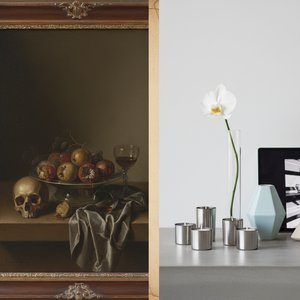
The Enduring Appeal of Still Life: A Historical & Contemporary Exploration
Explore the rich history & symbolism of still life painting with ArtsDot. Discover masterpieces from the Dutch Golden Age, learn about vanitas art, and find expert guidance for collecting timeless artworks.