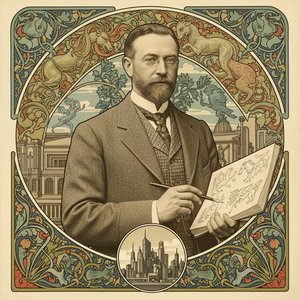
Charles Fraser (1782–1860): A Pioneer of Australian Landscape Painting
Charles Fraser, a Scottish painter born in Edinburgh in 1782, stands as an intriguing figure within the annals of British art history. Though not commanding the same level of fame as luminaries like Turner or Constable, his contribution to establishing a distinctly Australian artistic vision is undeniable—a legacy cemented by meticulous miniature portraits and serene depictions of the American South. This article delves into Fraser’s life, artistic journey, and enduring influence on the burgeoning landscape tradition in Australia.- Early Life and Artistic Training:
- Notable Works: Miniature Portraits & Landscape Paintings
- Museum Collections Featuring Fraser's Artworks
- Influence on Australian Landscape Design
- Legacy and Enduring Significance
Early Life and Artistic Training
Born in Edinburgh, Scotland, Charles Fraser’s formative years were steeped in the cultural richness of his homeland. While biographical details remain somewhat sparse—a testament to the limitations of archival records from the period—evidence suggests a natural predisposition towards artistic pursuits nurtured by local Scottish instructors. His initial training focused primarily on oil painting and portraiture, establishing a foundational skillset that would underpin his subsequent artistic endeavors. The influence of Edinburgh’s artistic milieu undoubtedly shaped Fraser's aesthetic sensibilities.Notable Works: Miniature Portraits & Landscape Paintings
Fraser’s oeuvre is characterized by two distinct yet interconnected strands—miniature portraits and landscape paintings—each reflecting a profound engagement with his chosen subjects. The “Young Polo Player,” a captivating piece housed in the Blake Museum, exemplifies his mastery of capturing dynamic movement within a diminutive canvas. Simultaneously, his landscapes, particularly those portraying rural Scottish vistas, showcase an unwavering dedication to conveying atmospheric beauty and textural detail. Particularly noteworthy is "Landscape with Figures," which skillfully balances compositional elements—human figures interwoven into expansive landscapes—demonstrating Fraser’s technical prowess and artistic vision. The Blake Museum collection provides invaluable insight into his stylistic evolution and artistic sensibilities.Museum Collections Featuring Fraser's Artworks
Several institutions proudly display Fraser’s artworks, offering visitors a tangible connection to his creative output. The Blake Museum (United Kingdom) houses a significant selection of his miniature portraits, allowing for direct observation of his meticulous technique and stylistic choices. Furthermore, the Fraserburgh Library showcases “Landscape with Figures,” highlighting his ability to integrate human presence into breathtaking natural landscapes. These collections serve as crucial repositories of Fraser’s artistic heritage, facilitating scholarly research and fostering appreciation for his contribution to British art history.Influence on Australian Landscape Design
Fraser's impact extends beyond the confines of Britain, resonating powerfully within Australia’s artistic landscape. His pioneering approach to portraying the American South—characterized by a blending of British picturesque conventions with regional specificity—established a precedent for subsequent artists seeking to capture the essence of their environment. Specifically, his sketchbook from 1796-1805 documented his formative years and influenced his later stylistic explorations. The meticulous observation of detail and atmospheric perspective evident in his landscapes foreshadowed developments in Australian landscape painting that would emerge decades later—a testament to Fraser’s enduring legacy as a visionary artist.Legacy and Enduring Significance
Charles Fraser's artistic output remains remarkably preserved, primarily residing in museum collections like the Blake Museum and Fraserburgh Library. His dedication to capturing the serene beauty of Scottish countryside and his skillful portraiture techniques continue to inspire artists today. Visiting Charles Fraser | 133 artworks offers a comprehensive exploration of his artistic achievements and provides valuable context for understanding his place within British art history—a figure whose quiet brilliance nonetheless secured a lasting position in the canon of nineteenth-century painting.Vraag en antwoord
In welke perioden is de carrière van Charles Fraser onderverdeeld?
De carrière van Charles Fraser ontvouwt zich periode voor periode op de Loopbaanoverzicht pagina van de kunstenaar: een horizontale tijdlijn van de kunstwerken, gegroepeerd in hoofdstukken per carrièreperiode.
In welke historische periode werkte Charles Fraser?
Charles Fraser werkte in de 19e eeuw-periode. Deze periode plaatst het oeuvre van de kunstenaar in een historisch kader.
In welke stromingen heeft Charles Fraser gewerkt?
De werken van Charles Fraser kunnen per stroming worden bekeken op de Alle stromingen pagina van de kunstenaar.