

 Peržiūrėti realaus dydžio版
 Pasidalinti
 Dalintis
 Išsamiau
 Vadovas

 Atsisiųsti
 Panašūs eksponatai
 Rentgeno spindulių nuotrauka
 Automatinė diorama
 问答
问答 Statistika
Despair


 Skaityti daugiau
Šiame puslapyje rodomas meno kūrinys yra saugomas autorių teisių įstatymais, todėl neturime teisės legaliai kurti ar parduoti jo identiškos reprodukcijos. Ši apsauga užtikrinama remiantis tokiais tarptautiniais susitarimais kaip Bernės konvencija ir pagal nacionalines įstatymų nuostatas, įskaitant tas, kurias nurodo JAV autoriškos teisės įstatymas – 17-asis skyrius.
Šis metodas visiškai atitinka autorių teises, nes jame nėra saugomo kūrinio kopijavimo ar dubliavimo. Tai yra kūrybinė reinterpretacija – naujas paveikslas, kurį įkvėpė originalas, tačiau kuris nėra jo identiškas.
Giclée / Meno spausdinimas
Muziejų lygio „giclée“ arba drobos spausdinimas: greita gamyba ir lankstios apdailos parinktys. ( Pirkti rankų darbo tapybą Perejti prie skaitmeninių vaizdų)




P118B €10

P118H €10

P118W €10

P438Z €10

P508JH €12

P508YH €12

P805H €10

P805Z €10

P919BZ €10

P919G €10

P919XJ €10

P959ZH €10

P968JZ €12

W106C €8

W218G €10

W218JH €8

W218Y €10

W307PJ €10

W316G €10

W316PJ €8

W316Y €10

W398PJ €8

W4111J €10

W500HY €15

W500JH €15

W692G €12

W849H €8

W940BG €15

W953PJ €8




Pasirinkite iš mūsų nustatytų dydžių, atitinkančių originalaus meno kūrinio proporcijas.

Įveskite jums reikiamą plotį ir aukštį, kad atvaizdas derėtų prie jūsų rėmo ar sienos. Spausdiną galima tik sumažinti, bet nepadidinti virš originalaus paveikslėlio dydžio, todėl keičiant proporcijas, dalis vaizdo prarandama. Prieš spausdinimą atsiųsime jums skaitmeninį maketą patvirtinimui. Šioje puslapio nuotraukoje matomas pjūvis nėra tikslus – jį rodo tik maketas.
Pristatymas visame pasaulyje () per 2 weeks, o ne įprastas 4/5 savaičių laikotarpis. (10 lapkritis)

Nemokamas greitasis pristatymas visame pasaulyje

Aukštos kokybės lininis drobė

Pilnas siuntimo draudimas

Muitinės mokesčių grąžinimo garantija

Tikro spalvų atitikimo garantija

100 dienų grąžinimo politika (tik esant įtaigoms)

100% pinigų grąžinimo garantija

Nuolaida dideliems užsakymams
 Stiklo variantas prieinamas tik pasirinkus dydį iki 110 cm

Despair
Giclée / Meno spausdinimas
Reprodukcijos matmenys
-


Bendroji kaina
€ 56
A Visceral Encounter with Pop Art's Emotional Core
In the pantheon of twentieth-century masterpieces, few works capture the intersection of mass media aesthetics and raw human vulnerability as poignantly as Roy Lichtenstein’s “Despair.” Created in 1979, this striking piece transcends its comic-strip origins to offer a profound meditation on anxiety. At first glance, the viewer is met with a stylized, cartoonish figure, yet the simplicity of the form belies a deep psychological complexity. The central focus remains fixed upon an expressive face, where a wide-open mouth serves as a silent, haunting scream—a visual cue for anguish that resonates far beyond the boundaries of the canvas. While the background features scattered figures that hint at a larger, perhaps more chaotic narrative, they remain secondary to the overwhelming sense of individual isolation and distress that radiates from the protagonist.
The brilliance of “Despair” lies in Lichtenstein’s masterful command of the Pop Art lexicon. He famously rejected traditional illusionistic depth, opting instead for a deliberate flatness that prioritizes immediate visual impact. To achieve this, he utilized the iconic Ben-Day dots technique—a method borrowed from the halftone printing processes found in mid-century newspapers and comic books. This meticulous application of small, colored dots creates a textured, mechanical surface that mimics mass production while simultaneously elevating the subject matter to the realm of fine art. The interplay of bold, primary color blocks against these rhythmic patterns creates a tension between the "low" culture of commercial printing and the "high" art of gallery exhibition, making it an irresistible centerpiece for any modern collection.
Symbolism, Color, and the Echoes of an Era
The emotional temperature of the painting is dictated by its vibrant yet unsettling color palette. Lichtenstein employs a dominant scheme of red and yellow to amplify the artwork’s inherent intensity. In this composition, red functions as more than just a pigment; it symbolizes passion, danger, and the heat of an unfolding crisis, while the bright yellow provides a jarring contrast that heightens the sense of alarm. Occasional blue accents ground the composition, yet they cannot dampen the feverish energy of the primary tones. This chromatic strategy ensures that the viewer’s eye is constantly moved across the canvas, mirroring the restless, unsettled state of the character depicted.
To understand “Despair,” one must also consider the historical atmosphere of its creation. Emerging in the late 1970s, the work reflects a period of profound duality in American life—a time when the post-war economic optimism was beginning to be eclipsed by shadows of social unrest and political instability. Lichtenstein captures this zeitgeist perfectly, translating societal anxieties into a universal language of suffering and identity crisis. For the discerning collector or interior designer, “Despair” offers more than mere decoration; it provides a sophisticated conversational piece that invites contemplation on the human condition. Whether placed in a contemporary gallery setting or as a bold statement in a curated residential space, this reproduction brings the enduring legacy of Lichtenstein’s visionary Pop Art into the modern home.
Klausimai ir atsakymai
Kokio Roy Lichtenstein kūrybos laikotarpio priklauso „Despair“?
„Despair“ priklauso Roy Lichtenstein kūrybos karjeros Mature Period etapui. Ši klasifikacija atspindi kūrinio ryšį su menininko evoliucija.
Kokia technika ir stilius charakterizuoja „Despair“ – Roy Lichtenstein?
Kūrybinėje darbe „Despair“ Painting technika susilieja su Pop Art kryptimi.
Kur galiu rasti „Despair“ vadovą?
Gidas apie „Despair“ yra šio kūrinio Informacinė medžiaga puslapis – spausdinamas informacinį lapelis, kuriame pateikiamas kūrinys su antrašte, autoriu nurodymu bei duomenų lentele (autorius, datos, technika, originalus dydis, kolekcija).
panašūs kūriniai


Susiję straipsniai

Beyond the Ben-Day Dots: Roy Lichtenstein's Pop Art Revolution & Enduring Legacy
Explore Roy Lichtenstein's revolutionary Pop Art! Discover the story behind Ben-Day dots, iconic works like 'Whaam!', and investment insights for collectors. Expert analysis & high-quality reproductions at ArtsDot.

Roy Lichtenstein: 25 ikoniškiausi darbai – poparto meistro paveikslai interjerui | ArtsDot
Atraskite 25 ikoniškiausius Roy Lichtenstein darbus – poparto meno šedevrus, spalvingus paveikslus ir įkvepiančią interjero dekoravimo idėjas. Meno reprodukcijos aukščiausia kokybe | ArtsDot.com
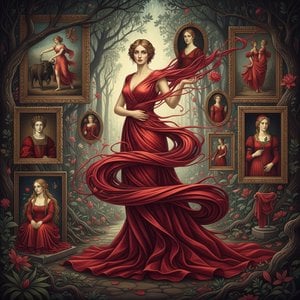
Crimson Threads of Narrative: Exploring Symbolism & Representation in Artworks Featuring the Red Dress
Explore the rich symbolism of the red dress in art history! From ancient power displays to iconic portraits like Cézanne’s 'Madame Cezanne', discover the cultural and artistic significance behind this captivating color. Expert analysis & insights.

Pop Art Šedevrai: 10 Kūrinių, Apibrėžusių Meninę Revoliuciją | ArtsDot.lt
Atraskite 10 ikoniškų Pop Art šedevrų! Andy Warhol, Roy Lichtenstein ir kiti menininkai, kurie pakeitė meno istoriją. Įkvėpkite interjero dekorui su spalvingomis reprodukcijomis. ArtsDot.com – aukštos kokybės paveikslai internetu.

Challenging Conventions: Pop Art's Origins, Evolution & Enduring Legacy
Explore the fascinating history of Pop Art, from its rebellious origins to its enduring influence on contemporary artists. Discover key figures like Warhol & Lichtenstein and learn about collecting this iconic movement.


