

- 430.0 x 380.0 cm


Vaizdas atitinka jūsų pasirinkimus: , .
Kolekcinio objekto aprašas
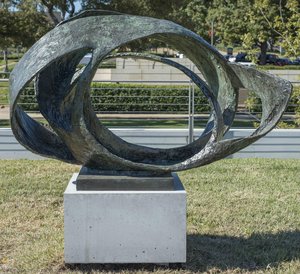
A striking red egg sculpture stands boldly within a serene grassy field in this monumental 2012 work by Katsuji Kishida, inviting you to explore the powerful presence of this contemporary Japanese masterpiece.
 Skaityti daugiau
Autoriaus biografija
Atraskite monumentalias Katsuji Kishida skulptūras! Japono meistro metalo kūriniai – tyrinėkite jo palikimą Paryzuje ir Japonijoje.
Rankų darbo aliejinės reprodukcijos
Rankiniu būdu tapytas aliejus ant droblio jūsų pageidaujamame dydį ir rėmuose – tai mūsų menininkų pagal užsakymą sukurtas darbas. ( Perjungti į spausdinamus版作品 Perejti prie skaitmeninių vaizdų)
Šis kūrinys yra saugomas autorinės teisės
Šiame puslapyje rodomas meno kūrinys yra saugomas autorių teisių įstatymais, todėl neturime teisės legaliai kurti ar parduoti jo identiškos reprodukcijos. Ši apsauga užtikrinama remiantis tokiais tarptautiniais susitarimais kaip Bernės konvencija ir pagal nacionalines įstatymų nuostatas, įskaitant tas, kurias nurodo JAV autoriškos teisės įstatymas – 17-asis skyrius.
Kaip pagarbią ir teisėtą alternatyvą, mes siūlome pagal užsakymą rankomis dažytus paveikslus, įkvėptus originalo. Mūsų įgudę ir profesionalūs menininkai kruopščiai tiria originalo stilių, nuotaiką ir meninę esmę, kad sukurtų naują, unikalią kūrinį, kuris sukelia tą paties jausmą – išlikdamas tuo tarciau originaliu, savarankišku kūrybiniu darbu.
Šis metodas visiškai atitinka autorių teises, nes jame nėra saugomo kūrinio kopijavimo ar dubliavimo. Tai yra kūrybinė reinterpretacija – naujas paveikslas, kurį įkvėpė originalas, tačiau kuris nėra jo identiškas.
Daugiau informacijos apie šį paveikslą
 Pasidalinti
 Dalintis
 Išsamiau
 Vadovas

 Atsisiųsti
 Panašūs eksponatai
 Automatinė diorama
 问答
问答 Statistika
Užsisakykite savo paveislinį keturiuose paprastuose žingsniuose
Neskubėkite. Galite pakeisti bet kurį atsakymą; kaina jūsų užsakymo kortelėje keičiasi po kiekvieno pasirinkimo.
1 Pirmas iš keturių žymių
Kokio dydžio norėtumėte?
Šie dydžiai išlaiko originalaus paveikslėlio proporcijas. Piešinyje matomas jūsų pasirinkimas ant sienos, virš dvimetrinio sofos.
Arba nurodykite savo matmenis
Pasirinkite iš mūsų nustatytų dydžių, atitinkančių originalaus meno kūrinio proporcijas.

Įveskite jums reikiamą plotį ir aukštį, kad paveikslas atitiktų jūsų rėmą ar sieną. Kadangi šis darbas yra rankinio darbo, siekiant išgauti kitokios formos dydį, paveikslas gali būti šiek tiek didesnis (nuo kraštų bus palikta daugiau erdvės) arba mažesnis – pasirinkite jums patogiausią variantą. Prieš pradedant tapyti, atsiųsime jums skaitmeninį maketą patvirtinimui. Šioje puslapio nuotraukoje matomas vaizdas nėra galutinis rezultatas – jį parodys tik sukurtas maketas.
2 Antras iš keturių žingsnių
Kaip turėtų būti paruoštas: surolluotas, įtemptas ar įdėtas į rėmą?
Žemiau pateiktos kainos galioja pasirinktam pirmame žingsnyje dydžiui.
Pasirinkite ištempto drobės kraštus
Pasirinkite rėmelį

Baltas apasutojimas €1

Išblėstantis šonas €1

Išplėstinis €1

P118B €10

P118H €10

P118W €10

P438Z €10

P508JH €12

P508YH €12

P805H €10

P805Z €10

P919BZ €10

P919G €10

P919XJ €10

P959ZH €10

P968JZ €12

W106C €8

W218G €10

W218JH €8

W218Y €10

W307PJ €10

W316G €10

W316PJ €8

W316Y €10

W398PJ €8

W4111J €10

W500HY €15

W500JH €15

W692G €12

W849H €8

W940BG €15

W953PJ €8

H24-GOLD €30

H24-SILVER €30

H36-GOLD €45

H36-SILVER €45
Įrėmintas
Rėmo apvadas: . Bendras dydis su rėmu: .
3 Trečias iš keturių žingsnių
Ar norėtumėte paveisale kažką pakeisti?
Dauguma žmonių atsako ne. Kadangi kiekvienas paveikslas yra sukuriamas rankomis, mūsų suregistis taip pat gali jį pritaikyti jums.
Gavus užsakymą, ArtsDot.com komanda susisieks su klientu el. paštu dėl nurodymų ir pateiks preliminarią maketą.
4 Ketvirtas iš keturių žymių
Keletas apdailos variantų
Visi jie yra neprivalomi. Jau pasirinkti atsakymai nieko papildomo nekainuoja.
Kas tai piešia?
Pristatymas visame pasaulyje () per 3–4 savaites, o ne įprastai – per 5 savaites. (4 lapkritis). Kokybė lieka nepakeičiama.
Pavadinimo plokštelė, kaip muziejuje?
Išgraviruotos bronzinės plokštelės detalės
This elegant plaque features the artist's name and the title of the artwork, finely engraved for a timeless presentation.
It is made from bronze with a refined, elegant finish. The text is precisely laser-engraved for a sharp and permanent result. Measuring 9x2 cm, the plaque is compact yet easy to read. It's built to be durable and scratch-resistant, offering a professional, museum-quality look. Mounting is simple thanks to the included adhesive backing.
Skaidrios akrilo plokštelės informacija
The plaque includes essential engraved details such as the artist's name, the title of the artwork, the date it was created, the type of media used-like oil on canvas or watercolor-a brief description of the piece, and a QR code that links to the complete artwork information.
It is crafted from clear acrylic, offering a sleek, modern appearance. The text is UV-engraved in black to ensure strong visual contrast. With a size of 10x15 cm, it ensures optimal readability. It comes equipped with two metal hooks for secure wall mounting. The plaque is designed to be weather-resistant, making it suitable for various environments, and it includes interactive features that work seamlessly with smartphone scanning.
Juodos akrilo plokštelės informacija
This elegant plaque includes engraved information such as the artist's name, the title of the artwork, the date it was created, the type of media used (like oil on canvas or watercolor), a short description of the artwork, and a QR code for quick access to more information.
The plaque itself is made from refined black acrylic with a premium finish. The text is laser-engraved in white for high contrast and readability. Its size is 10x15 cm, designed to be easy to read. It comes with two metal hooks for professional mounting. The design is sleek and fits any interior style. It is also weather-resistant and durable, with built-in digital integration for mobile compatibility.
Apsauginis lakas?
Kada jums reikia?
✓ Patikrinti ir užsakyti
Jūsų paveikslas, tiksliai taip, kaip užsakėte

Wind egg
Reprodukcijos technika
Reprodukcijos matmenys
-

Aukščiausios klasės meistras
Daugiau detalių, meistriškumo ir papildomo gamybos laiko
-

Reprodukcijos rėmėjimo parinktys
-
-
Dėl meno kūrinių ar reprodukcijų, kurių bet kuri pusė yra didesnė nei 105 cm (apie 41 inch), rėmas bus siunčiamas kaip išskaidytas surinkimo rinkinys. Šis metodas užtikrina saugų pristatymą ir apsaugo nuo transportavimo metu galimos žalos.
Reikalingas profesionalus surinkimas – tai nėra „pasidaryk pats“ (DIY) produktas.
Rinkinys turi būti surinktas, o drobė išplėsta naudojant patyrį profesionalų rėmininką, medžio klijus (nėra įtraukti į rinkinį), drobės plėšimo kleslę bei presas, kad rėmo rėžiai išliktų tiesūs, kol klijai išdžiūvus. Netinkamas surinkimas arba netolydus drobės įtampa gali negrįžtamai sugadinti meno kūrinį, todėl šie atvejai nėra užtraukiami mūsų garantijos.
 Dėl meno kūrinių ar reprodukcijų, kurių bet kuri pusė yra didesnė nei 105 cm (apie 41 inch), rėmas bus siunčiamas kaip išskaidytas surinkimo rinkinys. Šis metodas užtikrina saugų pristatymą ir apsaugo nuo transportavimo metu galimos žalos.
Į komplektą įeina visi vientisos medienos elementai, tiksliai išpjauti pagal dydį.
Surmontinama naudojant pridėtus varžtus bei papildomai reikalingą medžio kliją kampų jungtims, kuris nėra pridėtas ir turi būti parinktas rėmininkui.
Reikalingi profesionalūs įrankiai, kurie nėra įtraukti į rinkinį: drobės kėlimo plytelės (stiprintuvai) ir klemiai, laikantys rėmo strygius tiesiu kampu, kol džiūsta lipas.
Svarbu:
Kampų jungtims reikalingi medžio klijai, barams reikia laikyti naudojant presas, kol klijai visiškai išdžiūvės, o surinktam rėmui įtempiamai privilgti būtinos drobės įtempimo plytযুক্ত. Šios priemonės į rinkinį neįtrauktos. Prieš užsakydami šio dydžio rinkinį, rekomenduojame pasimalkoti patyrusiu rėmų meistru.

Pavadinimo lentelė
-
-

Apsauginis lakas
Blizgus lakas (ryškina spalvas, saugo nuo šviesos ir drėgmės)
-

Personalizuoti kūrinį
Ką galima pakeisti (pavyzdžiui): pakeisti veidą klientui skirta nuotrauka; pridėti augintinį (pvz., katę pakeisti šuniu); įtraukti paslėptą žinutę fone; pakeisti fono kraštovaizdį ar elementus.
-

Skubiai
Pristatymas visame pasaulyje () per 3–4 savaites, o ne įprastai – per 5 savaites. (4 lapkritis). Kokybė lieka nepakeičiama.
-
Skubus pristatymas
Pristatymas visame pasaulyje () per 5 weeks. (11 lapkritis).
Įskaičiuota
Bendroji kaina
€ 234
Stiklo variantas prieinamas tik pasirinkus dydį iki 110 cm
Pridedama prie kiekvieno užsakymo
- Nemokamas greitasis pristatymas visame pasaulyje
- Aukštos kokybės lininis drobė
- Pilnas siuntimo draudimas
- Muitinės mokesčių grąžinimo garantija
- Tikro spalvų atitikimo garantija
- 100 dienų grąžinimo politika (tik esant įtaigoms)
- 100% pinigų grąžinimo garantija
- Nuolaida dideliems užsakymams


A Monumental Presence in the Landscape
In the heart of a serene, verdant field, where the soft rustle of trees meets the quiet contemplation of park benches, stands a singular, breathtaking vision: Wind Egg. Created in 2012 by the master Japanese sculptor Katsuji Kishida, this monumental piece commands attention through its sheer audacity and vibrant color. The sculpture, a massive red egg measuring an impressive 430 x 380 cm, rests upon a sturdy concrete base, acting as a bold, crimson heartbeat within the natural landscape. To encounter this work is to witness a profound dialogue between man-made geometry and the organic fluidity of nature. The striking contrast between the saturated red of the sculpture and the lush greens of the surrounding meadow creates a visual tension that is both arresting and deeply memorable, inviting onlookers to pause their journey and engage with its silent, powerful presence.
The Mastery of Katsuji Kishida
To understand the soul of Wind Egg, one must look toward the artistic evolution of Katsuji Kishida. Born in Tokyo in 1937 and educated at the prestigious Musashino Art University, Kishida’s journey was one of constant upward aspiration. His move to Paris in 1967 served as a transformative catalyst, exposing him to the avant-garde spirit of Europe and refining his ability to manipulate heavy, industrial materials into poetic forms. Kishida was a virtuoso of metal, frequently working with iron, bronze, and stainless steel to achieve a sense of monumentality. In Wind Egg, we see the culmination of this lifelong pursuit—the ability to take a solid, weighty form and imbue it with an ethereal quality that suggests movement, as if the very wind has shaped this crimson vessel. His technique allows the sculpture to transcend its physical mass, offering a sense of lightness and "upward allure" that became his artistic signature.
Symbolism and Emotional Resonance
Beyond its striking aesthetic, Wind Egg invites deep philosophical reflection. The egg is a universal symbol of potential, fertility, and the beginning of life; it represents a dormant power waiting to hatch. By rendering this symbol in such a bold, unapologetic red, Kishida injects a sense of urgency and vitality into the landscape. The title itself suggests an invisible force—the wind—acting upon a tangible object, hinting at the unseen energies that shape our world and our destinies. For the collector or the interior designer, this piece offers more than just visual impact; it provides a focal point for contemplation. It evokes emotions ranging from the playful curiosity of a child discovering a giant treasure to the profound awe one feels when facing the sublime. Whether placed in a grand public garden or reimagined as a high-quality reproduction within a sophisticated interior, Wind Egg serves as a testament to the enduring power of form and color to stir the human spirit.
Klausimai ir atsakymai
Ar „Wind egg“ yra būdingas tam, ką Katsuji Kishida paprastai kūrė?
Dažniausios Katsuji Kishida temos apima monumental metal sculpture, upward allure and aspiration, parisian artistic influence, modernist sculptural forms; kūrinys „Wind egg“ susitelkia į red egg sculpture, grassy field, trees, people, concrete base, benches, nature.
Ar galėčiau pamatyti „Wind egg“ – Katsuji Kishida ant savo sienos prieš pirkdama/pirkdamas?
„Wind egg“ – Katsuji Kishida galite išbandyti ant savo sienos naudodami papildytoji realybės funkciją suderinamame įrenginyje per šio kūrinio Peržiūra papildintajai realybei puslapį.
Kokio dydžio „Wind egg“ spausdinimas tiktų mano kambariui?
Hotel Lobby erdvėje „Wind egg“ siūloma spausdinti Large dydžiu.
panašūs kūriniai




Katsuji Kishida
1937 - 2019, Japonija
Autoriaus biografija
ankstyvasis gyvenimas ir išsilavinimas
Katsuji Kishida, žinomas Japonijos skulptorius, gimė Tokijuje 1937 metais. Savo ašią skulptūros meilę jis puoselėjo Tokijos Musashino dailumo universitete, kur 1963 metais įgavo diplomą. Tai pažymėjo pradžią jo kelionės link kūrybinėms monumentaliosios estetikos dalims, kurios paliko neištrinamą pėdsaką pasaulio meno pasaulyje.pariziška laikotvė ir meninė evoliucija
1967 metais Kishida atliko svarbų žingsnį – persikėlė į Paryžių, miestą, kupiną meninių inovacijų. Šis persikėlimas ne tik išplėtė jo horizontus, bet ir kruopščiai įformino jo stilių, kas itin aiškiai pasižymi vėlesniuose kūriniuose. Iki savo mirties 2019 metais Kishida toliau gyveno ir kūrybai skyrė Paryžių, palikdamas po savęs skulptūrų palikimą, kurį išskiria jų aukštėjantis žavesys bei siekis pasiekti monumentalumo.meninis stilius ir iškilę darbai
Kishidos skulptūros dažnai su šiuos metalą kaip pagrindinę medžiagą, o jo mėgstamiausiems pasirinkimams teikė geležies, bronzos ir nerūdžiojo plieno galimybę. Šis medžiagų pasirinkimas leido jam tyrinėti jų universalumą, rezultatu atsirandant kūriniams, kurie yra tiek vizualiai intriguojantys, tiek skatinantys gilokai mąstyti.- aukštėjantis žavesys – skulptūrų serija, demoniruojanti Kishidos autorinį stilių, galima rasti įvairiose galerijose ir muzejuose Prancūzijoje bei Japonijoje.
- Jo darbai buvo eksponuojami Grožio meno muziejuje (Gifus, Japonija), pristatant jo indėlį į Japonijos meną.
- Kishidos skulptūros taip pat yra Japonijos ir Europos viešųjų bei privačių kolekcijų dalis, kas liudija jo pasaulinę prasmę.
palikimas ir įtaka
Monumentalios Kishidos skulptūros paliko neištrinamą žynetį men worlde. Jo įtaką galima pajusti dirbtuose daugeliuose šiuolaikinių menininkų, kurie toliau plečia skulptūros ribas. Svarbios paminėjimai: Petit Palais muziejus (Prancūzija), garsėjantis savo įspūdinga kolekcija, buvo didelė įtaka Kishidos kūrybai. Taip pat Luxemburgo muziejus (Prancūzija) – dar vienas prancūziškas muziejus – pristatė darbus, kurie įkvėpė Kishidos stilių.išvada
Katsuji Kishida pakilimas iki monumentalios figūros skulptūros pasaulyje yra jo atsidavimo ir meno ašies įrodymas. Jo palikimas ir toliau įkvepia tiek menininkus, tiek meno entuziastus, užtikrindamas jam vietą meno istorijos metuose.- Daugiau informacijos apie Katsuji Kishida kūrybą rasite čia: https://ArtsDot.com/@/katsuji-kishida
- Tyrinėkite Grožio meno muziejaus (Gifus, Japonija) kolekciją: /en/art/show/art-d3ar2v-en/
- Sužinokite apie prancūziškų muziejų įtaką Kishidos kūrybai: https://ArtsDot.com/@@/a@d3agqp-the-museum-petit-palais-(france)
Susiję straipsniai

The Enduring Form: Sculpture Across History, Technique & Emotional Resonance
Explore the rich history of sculpture with ArtsDot. Discover key techniques, influential artists & investment potential for discerning collectors. Expert insights into valuing and collecting timeless masterpieces.

Henry Moore: Sculpting Modernity – Form, Emotion & the Human Condition
Explore the revolutionary sculptures of Henry Moore – abstract forms, reclining figures & powerful expressions of the human condition. Discover his legacy & artistic process with ArtsDot.

The Enduring Form: Exploring Themes & Techniques in Sculpture Across Historical Periods
Explore the rich history of sculpture from ancient masterpieces to contemporary innovations. Discover key techniques, influential artists & investment potential for discerning art collectors.