
 Peržiūrėti realaus dydžio版
 Pasidalinti
 Dalintis
 Išsamiau
 Vadovas

 Atsisiųsti
 Panašūs eksponatai
 Rentgeno spindulių nuotrauka
 Automatinė diorama
 Q&A
Q&A Statistika
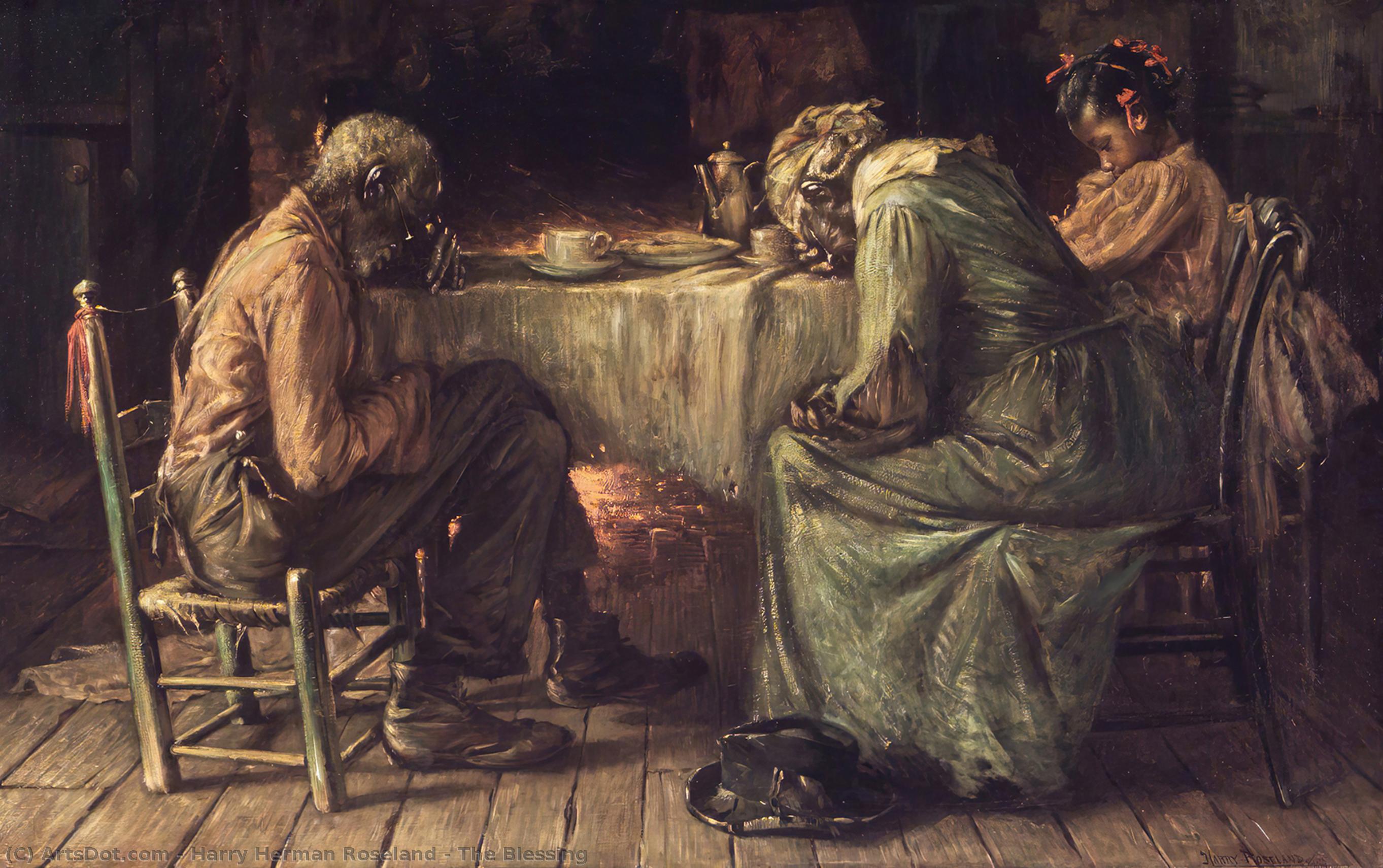
The Blessing

 Skaityti daugiau
Gaukite spausdinimui paruoštą failą, kurio kokybė gerokai viršija internetinę peržiūrą. Kiekvienas mūsų parduodamas skaitmeninis vaizdas yra ištrauktas iš aukštos raiškos pagrindinio failo mūsų duomenų bazėje — paprastai jis siekia nuo 5 000 iki 15 000 pikselių plotio — todėl galite drąsiai spausdinti didelius formatus, apkirpti vaizdą ar reprodukcija užtikrins visas smulkias detales.
Mūsų studijoje nė viena kopija nelieka neapdorota. Skaitmeninio vaizdo ekspertas, lygiu su originaliu paveikslu, patikrina spalvas ir, jei reikia, jas koreguoja, o tada profesionaliais retušavimo įrankiais padidina aiškumą bei detales — visada išlaikydamas ištikimybę autoriaus teptuko traukoms ir stiliui. Rezultatas – vaizdas, kuris atrodo kaip tikras paveikslas, o ne kaip su filtrais apdorotas skenavimas.
Patvirtinate prieš užsakymo pabaigą: mūsų ekspertas per 72 valandas el. laišku atsiųsta vaizdą jūsų peržiūrai. Nepasitenkinate rezultatu? Paprašykite patobulinimų ar pataisymų arba prašykite pinigų grąžinimo, jei kokybė neatitinka jūsų lūkesčių.
Ši kokybė yra patikima leidybos įstaigoms, dizaino studijoms, galerijoms ir spaudos įmonėms.
Skaitmeninis vaizdas
Atsisiųskite didelės raiškos failą asmeniniam naudojimui, spausdinimui ir kūrybiniams projektams. ( Perjungti į spausdinamus版作品 Pirkti rankų darbo tapybą)
Kiekvieną skaitinio vaizdo užsakymą papildė
Profesionalus skaitmeninis vaizdų pristatymas, garantuotas
Pasirinkę ArtsDot.com, jūs ne tik gaunate paveikslėlį – jūs gaunate profesionaliai patobudintą skaitmeninį kūrinį, sukurtą itin tikniai ir užtikrinantį pasitenkinimą. Štai viską, kas automatiškai pritékia jūsų užsakymui:

Greitas pristatymas el. paštu
Jūsų aukštos raiškos skaitmeninis vaizdo failas bus išsiųstas el. paštu per 72 valandas nuo užsakymo – jis bus paruoštas naudoti be jokių papildomų veiksmų.

Dirbtiniu intelektu tobulintas skaitmeninis failas
Jūsų meno kūrinys profesionaliai optimizuojamas naudojant pažangius dirbtinio intelekto įrankius ir rankinį redagavimą, užtikrinant maksimalią detalę, aiškumą ir spalvų tikslumą.

Nemokamas visam laikui pakartotinis siuntimas
Atsitiktinai ištrytikote ar praradote savo failą? Nebijokite – bet kuriuo metu atsiųsime jį jums vėl nemokamai.

Jokio importo mokesčio – niekada
Mėgaukitės savo meno kūrynu be jokių muitinės mokesčių, įkainų ar pristatymo išlaidų – skaitiniai failai visada yra neapmokestinami.

Spalvų tikslumo garantija
Naudodami profesionalią įrangą ir spalvų valdymo sistemas, užtikriname, kad jūsų skaitmeninis vaizdas kuo tiksliau atspindėtų originalias spalvas.

100 dienų patikimumo garantija
Jei nebuvosite patenkinti įsigyto skaitmeninio vaizdo, mes jį tališkai koreguosime arba grąžinsime 100% sumą per 100 dienų – be jokių klausimų.

100% pinigų grąžinimo garantija
Nesitenkinate? Gaukite visą sumokėtą sumą per 100 dienų nuo skaitmeninio failo gavimo – be jokių papildomų klausimų.

Nuolaidos dideliems užsakymams
Pirkti 3 nuotraukas – 10% nuolaida – Pirkti 5 – 15% nuolaida – Pirkti 10 ir daugiau – 20% nuolaida. Puikiai tinka kūrybiniams projektams, galerijoms bei agentūroms.
panašūs kūriniai


Autoriaus biografija
A Life Depicted: The Evocative World of Harry Herman Roseland
Harry Herman Roseland, born in Brooklyn, New York around 1867 and passing away in 1950, occupies a fascinating, often-overlooked space within the landscape of early 20th-century American art. While not formally trained abroad like many of his contemporaries, Roseland forged a distinctive path, becoming renowned for his poignant depictions of African American life—a subject matter that resonated deeply with a public increasingly captivated by social realities yet still largely segregated in its artistic representations. His canvases weren’t grand historical narratives or idealized portraits; instead, they offered intimate glimpses into the everyday lives of Black Americans, often focusing on scenes of fortune telling, family moments, and quiet contemplation. Roseland's life was rooted in Brooklyn, where he spent his entire career, a testament to his dedication to observing and interpreting the world immediately around him. He became an active member of prominent art societies like the Salmagundi Club and the Brooklyn Society of Artists, demonstrating a commitment to the artistic community even as his subject matter often challenged conventional norms.Early Influences and Artistic Development
Roseland’s artistic journey began with self-study, supplemented by instruction from John Bernard Whittaker and later James Carroll Beckwith. This unconventional training allowed him a freedom to develop his unique style, unburdened by the rigid academic traditions prevalent at the time. Initially exploring landscapes and still lifes, Roseland gradually gravitated towards genre painting—scenes of everyday life. It was in this realm that he discovered his true passion: portraying African Americans. His choice of subject matter wasn’t merely a stylistic preference; it reflected a keen observational eye and an emerging desire to capture the nuances of a community often marginalized or misrepresented in art. He didn't shy away from depicting poverty, but did so with dignity and empathy, avoiding caricature and instead focusing on the humanity of his subjects. This approach set him apart from many artists of his era who tended towards stereotypical portrayals.Themes of Fortune, Family, and Social Commentary
Roseland’s most recognizable works center around Black women fortune tellers reading palms or tea leaves for white clients. These paintings are particularly compelling because they subtly address the complex social dynamics of the time. While seemingly innocuous scenes, they hint at a power imbalance—a white woman seeking guidance from a Black woman—and offer a glimpse into the cultural exchange and hidden interactions that existed despite societal barriers. Beyond fortune telling, Roseland’s canvases frequently depict intimate family moments: mothers with children, couples sharing quiet conversations, individuals lost in thought. These scenes are imbued with a sense of realism and emotional depth, capturing the resilience, strength, and dignity of Black families. To the Highest Bidder, perhaps his most famous work—and a favorite of Oprah Winfrey—is a particularly striking example of this sensitivity, portraying an auction scene that speaks to themes of vulnerability and societal pressures.Popularity and Reproduction: Reaching a Wider Audience
Roseland’s art gained significant popularity through widespread reproduction. His paintings were frequently featured on postcards and large-scale prints distributed as Sunday supplements in newspapers, bringing his work into the homes of countless Americans. This accessibility was crucial to his success; it allowed him to reach an audience far beyond the confines of galleries and museums. While some critics may have dismissed his work as sentimental or overly commercial, the sheer volume of reproductions suggests a deep resonance with the public. The widespread circulation of his images contributed to a broader understanding—albeit often romanticized—of African American life during this period. He wasn’t simply creating art for an elite audience; he was engaging in a dialogue with everyday people, prompting reflection and sparking conversations about race, class, and society.Legacy and Historical Significance
Harry Herman Roseland's legacy is one of quiet observation and empathetic portrayal. Though not as widely celebrated as some of his contemporaries, his work offers a valuable window into the early 20th-century American experience. He challenged conventional artistic norms by focusing on African American life with dignity and respect, paving the way for future generations of artists to explore similar themes.- His paintings provide important visual documentation of a community often overlooked in historical narratives.
- He subtly addressed complex social issues through seemingly innocuous scenes, prompting viewers to question existing power dynamics.
- His widespread reproduction ensured that his work reached a broad audience, contributing to a wider—though imperfect—understanding of African American life.

Harry Herman Roseland
1867 - 1950 , United States of America
Trumpa informacija
- Full Name: Harry Herman Roseland
- Nationality: American
- Date Of Birth: 1867
- Date Of Death: 1950
- Place Of Birth: Brooklyn, United States of America
- Notable Artworks:
- He Loves Me
- The Blessing
- To the Highest Bidder
- Artistic Movement Or Style: Genre painting, Realism
- Artists Who Influenced This Artist:
- John B. Whittaker
- James C. Beckwith