


 Peržiūrėti realaus dydžio版
 Siųsti
 Dalintis
 Išsamiau
 Vadovas

 Atsisiųsti
 Panašūs eksponatai
 Rentgeno spindulių nuotrauka
 Diaporama
 Statistika
untitled (2624)


 Rodyti daugiau
Giclée / Meno spausdinimas
Muziejų lygio „giclée“ arba drobos spausdinimas: greita gamyba ir lankstios apdailos parinktys. ( Pirkti rankomis tapytą reprodukciją Perejti prie skaitmeninių vaizdų)




P118B $10

P118H $10

P118W $10

P438Z $10

P508JH $12

P508YH $12

P805H $10

P805Z $10

P919BZ $10

P919G $10

P919XJ $10

P959ZH $10

P968JZ $12

W106C $8

W218G $10

W218JH $8

W218Y $10

W307PJ $10

W316G $10

W316PJ $8

W316Y $10

W398PJ $8

W4111J $10

W500HY $15

W500JH $15

W692G $12

W849H $8

W940BG $15

W953PJ $8




Pasirinkite iš mūsų nustatytų dydžių, atitinkančių originalaus meno kūrinio proporcijas.

Galite nurodyti savo matmenis, kad vaizdas atitiktų konkretų rėmą ar erdvę. Jei pasirinktas dydis nesutaps su originalaus paveikslėlio proporcijomis, mes arba apkirpsime kūrinį, arba išplėsime vaizdą naudojant veideliu atspindėtą arba vientisą šoną. Skaitmeninis maketas bus išsiųstas jums patvirtinti prieš pradedant gamybą.
Atkreipkite dėmesį, kad ekrane matomas vaizdinys neatspindi tikrojo apkirpimo ar išplėtimo. Tik maketas tiksliai parodytų galutinę kompoziciją.
Nors galima rinktis ir individualius dydžius, rekomenduojame pasirinkti vieną iš išanksti nustatytų matmenų, kad būtų išlaikytos originalios proporcijos.
Pristatymas visame pasaulyje () per 2 weeks, o ne įprastas 4/5 savaičių laikotarpis. (26 rugsėjis)

Nemokamas greitasis pristatymas visame pasaulyje

Aukštos kokybės lininis drobė

Pilnas siuntimo draudimas

Muitinės mokesčių grąžinimo garantija

Tikro spalvų atitikimo garantija

100 dienų grąžinimo politika (tik esant įtaigoms)

100% pinigų grąžinimo garantija

Nuolaida dideliems užsakymams
 Stiklo variantas prieinamas tik pasirinkus dydį iki 110 cm

untitled (2624)
Giclée / Meno spausdinimas
Reprodukcijos dydis
-


Visų pasirinktų variantų kaina
$ 62
A Symphony of Tension and Crimson
In the hauntingly beautiful realm of Austrian Expressionism, few works command the viewer's attention with such visceral intensity as Egon Schiele’s Untitled (2624). This arresting portrait captures a moment suspended in time, where palpable intimacy meets an underlying sense of profound unease. The composition presents a striking duality: a man seated upon the floor, anchored by gravity and perhaps a heavy psychological weight, while a woman stands above him, her presence both commanding and tender. It is a scene that transcends mere depiction, inviting us into a private theater of vulnerability, desire, and the fraught, often turbulent dynamics inherent in human connection.
The eye is immediately ensnared by the painting's dramatic color palette. A dominant, vibrant crimson saturates the background, acting as a powerful visual pulse that beats behind the figures. This choice of hue is far from accidental; historically, such deep reds evoke a complex spectrum of human experience, ranging from the heat of passion to the starkness of violence and impending doom. Against this fiery backdrop, the muted tones of the figures emerge with a startling clarity, creating a dramatic counterpoint that heightens the emotional stakes of their silent confrontation.
The Expressive Line and Psychological Depth
Schiele’s mastery lies in his ability to use the very anatomy of his brushwork to communicate the unutterable. His signature technique—characterized by expressive, agitated lines—rejects the polished smoothness of academic tradition in favor of a raw, nervous energy. These thick, often jagged strokes do not merely outline the human form; they seem to vibrate with the internal tremors of the subjects' souls. Through distorted perspectives and exaggerated contours, Schiele bypasses the surface of the skin to explore the musculature of emotion itself.
For the discerning collector or interior designer, this piece offers a profound sense of movement and psychological texture. The artist’s meticulous attention to the rendering of skin textures and the tension in the limbs serves as a vehicle for emotional expression, making the artwork feel alive within a space. Whether placed in a contemporary gallery setting or a sophisticated private study, the painting acts as a window into the inner psyche, offering a depth that invites long periods of contemplation and discovery.
A Reflection of an Era in Flux
To truly appreciate the gravity of this work, one must consider the turbulent historical landscape from which it emerged. Painted circa 1915, the piece was birthed during the height of World War I, a period that cast a long, somber shadow over Europe. Schiele’s personal life was equally marked by upheaval; his recent marriage to Edith Harms and his subsequent draft into military service infused his work with an inescapable preoccupation with mortality and the fragility of existence. The tension between the two figures in Untitled (2624) can be seen as a microcosm of this larger, global anxiety—a struggle for connection amidst a world on the brink of collapse.
This masterpiece is more than a historical artifact; it is an enduring exploration of the human condition. It speaks to the universal experience of longing and the fear of loss, making it a timeless addition to any collection. For those seeking to infuse their environment with art that possesses both intellectual rigor and emotional resonance, Schiele’s work stands as a monumental testament to the power of the human spirit to find beauty within the most turbulent of shadows.
Susiję kūriniai


Autoriaus biografija
Egon Schiele
Austrijos pozicija dviejų pasaulinio karo horizonte buvo labai abejojanti: vienu metu ji buvo šiek tiek iš Šiaurės į rytus, lengvai įsitikinusi veiksmų vyrai. Mažėjęs šalis po 1918 m., beveik visiškai neišplitusi tarptautiniu pasauliu buvo lengvai įvykdinta Hitlerio Reichui 1938 m.; meno srityje tai reiškė kad modernizmo istorija buvo išvykstanti nuo Šiaurės iki pietų, su pagrindiniu dėmesiu į formą. Vokelių šiek tiek pripažino ekspresionizmą kaip svarbų meno srovę; jis buvo vienas iš žymiausius austrių artistas XX amžiaus pradžioje – kartu su Gustavu Klimtu ir Oskar Kokoschka išvykę į Vieną buvo laikomas vienu iš Žyduvo šimtmečio svarbiausių vizualinių menininkų.
Gyvenimas
Egonas Šylė gimė 1890 m. vasario 3 d. Tulne, Austrijoje. Jo tėvas Adolfas Šylė buvo Tulno geležinkelio stoties direktorius ir gimė 1851 m. Vienoje Adolfo Šyly tevai turėjo tris jaunesnes seseris: Elvirą, Melaniją ir Gertrūdą. Elvira mirė vaikyste dėl gimtinių sifiliso. Jo tėvas buvo užsikrėtęs sifiliu įsimėlynėje savo jaunystės metais po vienos jo naujosios žmonos išėjimo iš kambario.
Meno vystymasis
Šylė mokytojo Christian Griepenkerl įtaką išgyveno Vienoje 1907 m. ir G. Klimtas tapo jo svarbiu rėmėju. Šylė paliko akademiją 1906 m., nes jos mokymo metodai buvo labai konservatyvus, ir įkūrė Naują austrių dailės grupę 1909 m. Grupėje vyravo ekspresionistinė estetika, kuri iššūkiant šiuolaikinėms kultūros normas.
Žymūs kūriniai
Šylė buvo vienas iš žymiausius austrių artistas XX amžiaus pradžioje – kartu su Gustavu Klimtu ir Oskar Kokoschka išvykę į Vieną buvo laikomas vienu iš Žyduvo šimtmečio svarbiausių vizualinių menininkų. Šylė buvo ekspresionizmo meno srovės atstovas.
Žymūs veiksniai
Šylė buvo žinomas dėl savo iššūkiantį įžiūrą į pasaulio problemas ir šiuolaikinę estetika, kuri iššūkiant šiuolaikinėms kultūros normas. Šylė buvo ekspresionizmo meno srovės atstovas.

Egon Šylė
1890 - 1918 , Austrija
Trumpa informacija apie kūrėją
- Artistic Movement Or Style: Ekspresionizmas
- Artists Who Influenced This Artist: ['Gustavas Klimtas']
- Date Of Birth: 1890 m.
- Date Of Death: 1918 m.
- Full Name: Egon Schiele
- Nationality: Austras
- Notable Artworks:
- Savęs portretas su fizižalis
- Porą įemčianti
- Žemės apėjimų kraštovaizdis
- Place Of Birth: Tulnas, Austrija
Susiję straipsniai
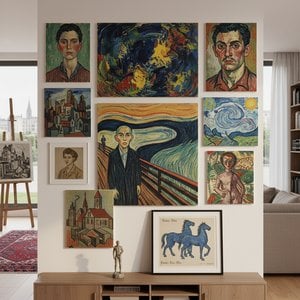
Ekspresionizmo Deimantai: 10 Šedevrai Jūsų Namų Dekorui
Atraskite ekspresionizmo šedevrus! 10 įtakingiausių meno kūrinių, atskleisiančių Muncho, Kirchnerio ir kitų meistrų emocijas. Išmokite apie tapybos stilius bei spalvų paletę. Aukščiausios kokybės dailės reprodukcijos jūsų namams – ArtsDot.com.

Egon Schiele: Expressionism, Anxiety & the Modern Condition – A Comprehensive Exploration
Explore the emotionally charged world of Egon Schiele (1890-1918). Discover his Expressionist masterpieces, psychological themes, and lasting impact on modern art. A comprehensive guide for collectors & enthusiasts.
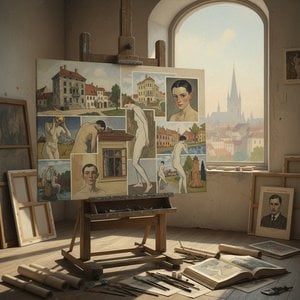
Egon Schiele: 25 Šedevrai, Atspindintys Menininko Sielą | ArtsDot.lt
Atraskite 25 įspūdingiausius Egon Schiele šedevrus! Gilinkitės į ekspresionizmo pasaulį, portretų istorijas ir unikalią menininko spalvų paletę. Aukštos kokybės reprodukcijos interjerui – ArtsDot.lt

Expressionist Painting: 10 Masterpieces That Defined a Movement | ArtsDot
Explore 10 Expressionist paintings that revolutionized art! Discover Munch, Kirchner & Kandinsky's iconic works. Find museum-quality reproductions and vibrant canvas prints to elevate your home decor on ArtsDot.com.

German Expressionism's 10 Defining Masterpieces | Art for Your Home
Explore 10 defining German Expressionism masterpieces – from Munch's 'The Scream' to Kandinsky’s abstracts. Discover the artists, stories & bold colors behind this powerful art movement. Find museum-quality reproductions at ArtsDot.com.


