실제 크기로 보기
 보내기
보내기 공유하기
공유하기
 상세 보기
상세 보기 가이드 보기

 이미지 다운로드
 유사 작품 더 보기
 X-레이
X-레이 슬라이드 쇼 보기
 Q&A
Q&A 통계 정보
통계 정보Pink Lady

- 61.0 x 48.0 cm


 상세 보기
상세 보기
이 페이지에 표시된 작품은 저작권법의 보호를 받으며, 이에 따라 동일한 복제품을 제작하거나 판매하는 것은 법으로 금지되어 있습니다. 이러한 권리 보호는 다음과 같은 국제 협약에 따라 시행됩니다. 베른 협약 또한 다음에서 명시하는 법률을 포함한 국내법에 의해 보호됩니다. 미국 저작권법 제17조.
이 방식은 저작권 보호를 받는 예술 작품을 복제하거나 그대로 재현하는 것이 아니기에 저작권 규정을 완벽히 준수합니다. 대신, 이는 창의적인 재해석의 과정을 거칩니다. 즉, 원작에서 영감을 받되 원작과 동일하지 않은 새로운 회화 작품을 의미합니다.
지클레 / 아트 프린트
빠른 제작과 다양한 마감 옵션을 선택할 수 있는 박물관 수준의 지클레이 및 캔버스 프린트. ( 수작업 채색 복제본 주문하기 디지털 이미지 판매 채널로 전환)




P118B ₩10

P118H ₩10

P118W ₩10

P438Z ₩10

P508JH ₩12

P508YH ₩12

P805H ₩10

P805Z ₩10

P919BZ ₩10

P919G ₩10

P919XJ ₩10

P959ZH ₩10

P968JZ ₩12

W106C ₩8

W218G ₩10

W218JH ₩8

W218Y ₩10

W307PJ ₩10

W316G ₩10

W316PJ ₩8

W316Y ₩10

W398PJ ₩8

W4111J ₩10

W500HY ₩15

W500JH ₩15

W692G ₩12

W849H ₩8

W940BG ₩15

W953PJ ₩8




작품의 원본 비율을 그대로 유지하는 프리셋 사이즈 중에서 선택해 보세요.

액자나 벽면 크기에 맞춰 필요한 가로와 세로 길이를 입력해 주세요. 프린트는 원본 이미지보다 크게 제작할 수 없으며 오직 자르는 것만 가능하므로, 비율이 다른 사이즈를 선택할 경우 이미지의 일부가 잘려 나갈 수 있습니다. 인쇄 작업에 들어가기 전, 최종 확인을 위해 디지털 목업을 보내드립니다. 이 페이지에 표시된 이미지는 실제 잘리는 영역을 나타내지 않으며, 오직 목업을 통해서만 정확한 확인이 가능합니다.


 유리 옵션은 110cm 미만 크기에서만 선택 가능합니다.

Pink Lady
지클레 / 아트 프린트
복제본 규격
-


총 결제 금액
₩ 83380
A Portrait of Turbulent Emotion: Willem de Kooning’s “Pink Lady”
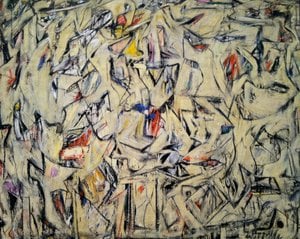
The painting "Pink Lady," created by Willem de Kooning in 1965, stands as a cornerstone of Abstract Expressionism and embodies the movement's preoccupation with raw emotion and spontaneous gesture. More than just a depiction of a woman—though undeniably present—it’s an exploration of psychological complexity rendered through a masterful blend of color and form that continues to captivate viewers decades after its creation. This striking artwork offers a glimpse into De Kooning’s artistic vision during his most prolific period, reflecting the anxieties and uncertainties of the Cold War era while simultaneously pushing boundaries of representational art.The Style and Technique: Embracing Gestural Abstraction
De Kooning's approach to painting was fundamentally antithetical to traditional academic conventions. He rejected meticulous detail in favor of a gestural style characterized by bold brushstrokes, drips, and smears—techniques that prioritized feeling over precise observation. “Pink Lady” exemplifies this ethos perfectly. The woman’s figure isn’t rendered with anatomical accuracy; instead, it's fragmented into amorphous shapes – swirls, patches, and angular protrusions – which convey a sense of dynamism and instability. These forms are layered with vibrant shades of pink—ranging from delicate blush tones to intense crimson hues—creating an illusion of skin texture and emphasizing the artist’s deliberate disregard for conventional realism. The yellow background serves as a counterpoint to the pink, amplifying the painting's emotional intensity and contributing to its overall visual impact.Historical Context: Navigating Anxiety in the Mid-Century
Painted during the height of the Cold War, “Pink Lady” reflects the pervasive anxieties surrounding geopolitical tensions and societal upheaval. De Kooning’s work aligns with a broader artistic impulse to confront uncomfortable truths about human experience—fear, aggression, and vulnerability—rather than offering comforting illusions. The painting's unsettling depiction of femininity speaks to anxieties about gender roles and identity during this period, mirroring broader cultural debates concerning female empowerment and psychological complexity. Furthermore, De Kooning’s stylistic choices can be interpreted as a reaction against the perceived sterility of postwar European art, asserting instead an uncompromising commitment to expressive freedom.Symbolism: Exploring Inner Landscape
While ostensibly portraying a woman, “Pink Lady” transcends literal representation, delving into realms of psychological symbolism. The pink skin tone itself is significant—often associated with femininity and vulnerability but also imbued with connotations of erotic desire and primal instinct. The fragmented form of the figure symbolizes the disintegration of identity and the struggle to maintain composure amidst turbulent emotions. Critics have noted parallels between De Kooning’s painting and Freud's theories on psychoanalysis, suggesting that “Pink Lady” represents an unconscious confrontation with repressed desires and anxieties.Emotional Impact: A Resonance of Raw Feeling
Ultimately, "Pink Lady" succeeds in conveying a profound emotional resonance. Its unsettling beauty stems from its refusal to sanitize or sentimentalize human experience. The painting compels viewers to confront uncomfortable truths about the complexities of emotion—passion, rage, despair—and invites contemplation on the nature of selfhood and psychological vulnerability. It’s a piece that lingers in the mind long after viewing, prompting reflection on themes of trauma, resilience, and the enduring power of art to express the deepest recesses of human consciousness. Its vibrant colors and energetic brushstrokes capture not just an image but also a palpable sense of unease—a testament to De Kooning's unparalleled ability to translate inner turmoil into visual form.질의응답
윌렘 드 쿠닝은(는) 몇 세에 "Pink Lady"을(를) 제작했을까요?
윌렘 드 쿠닝은(는) 61세에 "Pink Lady"을(를) 제작했습니다. 작가는 1904년에 태어났으며, 이 작품의 제작 연도는 1965년입니다.
윌렘 드 쿠닝의 "Pink Lady"의 형태와 크기는 어떻게 되나요?
윌렘 드 쿠닝의 "Pink Lady"은(는) 61 x 48 cm 크기의 Portrait 형식 작품입니다.
윌렘 드 쿠닝의 "Pink Lady"은 강렬한 대비를 사용하나요, 아니면 부드러운 조화를 이루고 있나요?
윌렘 드 쿠닝의 "Pink Lady"의 색채 구성은 Serene한 대비와 Unified Palette한 조화를 동시에 보여줍니다.


작가 소개
네덜란드에서 건너온 격렬한 에너지를 담아낸 화가, 윌렘 드 쿠닝
1904년 네덜란드 로테르담에서 태어난 윌렘 드 쿠닝은 20세기 미술사에서 가장 중요한 인물 중 한 명으로 자리매김했습니다. 그의 삶은 격변과 실험의 연속이었으며, 이는 그의 작품에도 고스란히 반영되어 있습니다. 어린 시절 부모님의 이혼으로 인해 불안정한 환경 속에서 성장한 그는 정규 교육을 오래 받지 못하고 상업 미술 회사에서 일하며 기술적인 기반을 다졌습니다. 하지만 틀에 박힌 예술 형식과는 거리가 멀었던 드 쿠닝은 끊임없이 새로운 표현 방식을 갈망했고, 결국 1926년 미국으로 건너가 뉴욕이라는 도시의 역동적인 에너지 속에서 자신만의 예술 세계를 구축해 나갔습니다. 초기에는 도시 풍경과 초상화를 통해 뉴욕의 삶을 그려냈지만, 곧 추상표현주의라는 새로운 흐름에 합류하며 그의 예술적 변신은 가속화되었습니다.아르실 고르키의 영향과 추상으로의 도약
드 쿠닝에게 아르실 고르키는 단순한 동료 이상의 의미를 지녔습니다. 고르키는 드 쿠닝에게 추상의 가능성을 제시하며, 전통적인 표현 방식을 벗어나 더 깊은 감정과 내면세계를 탐구하도록 격려했습니다. 1930년대에는 WPA(Works Progress Administration) 프로젝트에 참여하여 사회적 현실을 반영한 작품들을 제작하면서 기량을 더욱 연마했지만, 동시에 기존의 틀로는 만족할 수 없는 예술가로서의 갈증을 느꼈습니다. 스튜어트 데이비스와 존 그라함과 같은 다른 예술가들의 영향 또한 그의 추상 회화로의 전환에 중요한 역할을 했습니다. 이러한 다양한 경험들은 드 쿠닝을 점진적으로 현실적인 묘사에서 벗어나 더욱 자유롭고 역동적인 표현 방식을 모색하도록 이끌었습니다.'여인’ 연작: 아름다움과 불안의 공존
2차 세계대전 이후, 드 쿠닝은 추상표현주의 운동의 중심 인물로 부상하며 그의 대표작으로 손꼽히는 '여인' 연작(1950-1953)을 탄생시켰습니다. 이 연작은 단순한 여성 초상이 아닌, 여성성, 성적 욕망, 그리고 인간 감정의 복잡성을 탐구하는 강렬하고 도발적인 작품들입니다. 거칠고 공격적인 붓놀림, 파편화된 형태, 불안정한 색채의 조화는 기존의 아름다움에 대한 통념을 깨뜨리고 관객에게 충격과 함께 깊은 사유를 불러일으켰습니다. '여인 I'은 그 대표작으로, 드 쿠닝이 여성이라는 주제를 통해 표현하고자 했던 것은 이상적인 아름다움이 아닌, 인간 존재의 불안하고 역동적인 본질이었을 것입니다. ‘글레이저’나 ‘굴착’과 같은 다른 작품들 역시 그의 역동적인 회화 기법을 보여주며, 질감, 색채, 구도의 조화를 통해 독특한 예술 세계를 구축했습니다.변화하는 풍경과 불멸의 유산
1960년대 이후 드 쿠닝은 다시 한번 스타일 변화를 겪으며 풍경 요소를 작품에 적극적으로 도입하기 시작했습니다. 이전보다 밝고 부드러운 색채와 유연한 붓놀림을 사용하여 자연의 아름다움을 표현하면서도, 그의 추상적인 시도는 여전히 작품 곳곳에서 드러났습니다. 그는 끊임없이 새로운 기법과 재료를 실험하며 예술적 경계를 넓혀갔으며, 말년에는 원색과 리본 모양의 형태를 활용한 독특한 추상 회화를 선보이기도 했습니다. 윌렘 드 쿠닝은 뉴욕을 세계적인 미술 중심지로 발돋움시키는 데 크게 기여했으며, 후대 예술가들에게 끊임없는 영감을 제공했습니다. 그의 작품은 오늘날에도 여전히 많은 논쟁과 찬사를 불러일으키며, 20세기 가장 중요한 미국 화가 중 한 명으로서 그의 유산은 영원히 지속될 것입니다.
윌렘 드 쿠닝
1904 - 1997 , 네덜란드
작가 정보 요약
- 국적: 네덜란드-미국 국적
- 사망일: 1997년 3월 19일
- 영향을 받은 예술 사조: ['뉴욕파']
- 영향을 준 예술가:
- 아르쉴레 고르키
- 스튜어트 데이비스
- 존 그라함
- 예술 사조: 추상 표현주의
- 전체 이름: 윌렘 드 쿠닝
- 주요 작품:
- Woman I
- Marilyn Monroe
- Reclining Man (JFK)
- Excavation
- 출생일: 1904년 4월 24일
- 출생지: 로테르담, 네덜란드
관련 기사

추상표현주의를 정의한 10대 걸작: 예술과 인테리어의 새로운 영감
추상표현주의의 심장을 뛰게 한 10대 걸작을 만나보세요. 폴록, 로스코 등 거장의 작품 비하인드 스토리와 예술적 영감을 ArtsDot에서! 지금 바로 미술품 컬렉션을 탐험하고, 당신의 공간에 특별한 예술적 감성을 더하세요. ArtsDot.com

Mastering Abstraction: The 25 Most Iconic Works by Wassily Kandinsky
Explore 25 iconic Kandinsky masterpieces and the birth of abstraction. Discover the full collection online at ArtsDot.com.

고야의 걸작 25선: 스페인의 영혼을 담은 명화 컬렉션 | ArtsDot
고야의 걸작 25선을 만나보세요. 스페인 화가 Francisco Goya의 낭만주의 회화, 어두운 색조와 강렬한 감성이 담긴 명화를 ArtsDot에서 감상하세요. 고품질 유화 복제본으로 예술 작품을 소장하고 홈 데코를 완성해보세요! 지금 바로 컬렉션을 탐험하세요.

Willem de Kooning: Abstraction, Gesture & the Evolution of Post-War American Painting
Explore the evolution of Willem de Kooning's iconic Abstract Expressionist paintings. Discover his signature style, key themes & investment potential with expert insights for discerning art collectors.

Beyond Representation: Exploring the Emotional Landscape of Abstract Expressionism
Explore the profound emotional world of Abstract Expressionism with ArtsDot. Discover key artists like Pollock & Rothko, learn about collecting, and find museum-quality reproductions to inspire your space.