미리보기
미리보기
 공유하기
공유하기 공유하기
공유하기
 상세 정보
상세 정보 가이드 보기

 다운로드
다운로드
 유사 작품 더 보기
 X-레이
X-레이 슬라이드 쇼 보기
 질의응답
질의응답 통계 정보
통계 정보Painting


 더 보기
더 보기
이 페이지에 표시된 작품은 저작권법의 보호를 받으며, 이에 따라 동일한 복제품을 제작하거나 판매하는 것은 법으로 금지되어 있습니다. 이러한 권리 보호는 다음과 같은 국제 협약에 따라 시행됩니다. 베른 협약 또한 다음에서 명시하는 법률을 포함한 국내법에 의해 보호됩니다. 미국 저작권법 제17조.
이 방식은 저작권 보호를 받는 예술 작품을 복제하거나 그대로 재현하는 것이 아니기에 저작권 규정을 완벽히 준수합니다. 대신, 이는 창의적인 재해석의 과정을 거칩니다. 즉, 원작에서 영감을 받되 원작과 동일하지 않은 새로운 회화 작품을 의미합니다.
지클레 / 아트 프린트
빠른 제작과 다양한 마감 옵션을 제공하는 박물관 수준의 지클레이 및 캔버스 프린트. ( 수작업 채색 복제본 주문하기 디지털 이미지로 전환)




P118B ₩10

P118H ₩10

P118W ₩10

P438Z ₩10

P508JH ₩12

P508YH ₩12

P805H ₩10

P805Z ₩10

P919BZ ₩10

P919G ₩10

P919XJ ₩10

P959ZH ₩10

P968JZ ₩12

W106C ₩8

W218G ₩10

W218JH ₩8

W218Y ₩10

W307PJ ₩10

W316G ₩10

W316PJ ₩8

W316Y ₩10

W398PJ ₩8

W4111J ₩10

W500HY ₩15

W500JH ₩15

W692G ₩12

W849H ₩8

W940BG ₩15

W953PJ ₩8




작품의 원본 비율을 그대로 유지하는 프리셋 사이즈 중에서 선택해 보세요.

액자나 벽면 크기에 맞춰 필요한 가로와 세로 길이를 입력해 주세요. 프린트는 원본 이미지보다 크게 제작할 수 없으며 오직 자르는 것만 가능하므로, 비율이 다른 사이즈를 선택할 경우 이미지의 일부가 잘려 나갈 수 있습니다. 인쇄 작업에 들어가기 전, 최종 확인을 위해 디지털 목업을 보내드립니다. 이 페이지에 표시된 이미지는 실제 잘리는 영역을 나타내지 않으며, 오직 목업을 통해서만 정확한 확인이 가능합니다.


 유리 옵션은 110cm 미만 크기에서만 선택 가능합니다.

Painting
지클레 / 아트 프린트
복제본 크기
-


최종 결제 금액
₩ 84602
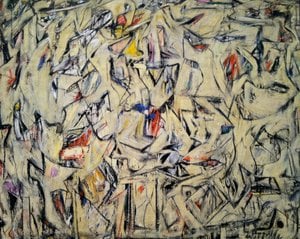
A Dance of Chaos and Control: Willem de Kooning’s “Painting” (1948)
Willem de Kooning's "Painting," completed in 1948, isn’t merely a canvas adorned with black and white; it’s an embodiment of the turbulent energy that defined Abstract Expressionism at its nascent stage. This monumental work, measuring over four by five feet, immediately commands attention not through representational imagery – there is none to be found – but through a visceral engagement with line, form, and texture. De Kooning, a pivotal figure in American art’s post-war transformation, wasn't interested in replicating the world; he sought to distill its essence, its anxieties, and its raw vitality onto the surface of the canvas.
The painting’s genesis lies within de Kooning’s exploration of the human form, a subject he had wrestled with for decades. However, by 1948, this engagement shifted dramatically. Rather than meticulously rendering figures, he began transferring fragmented sketches – hints of limbs, torsos, and even suggestive anatomical details – onto the canvas as a starting point. These ghostly outlines then became the foundation for a dynamic process of layering, scraping, and reworking. The result is a complex interplay between control and chaos, a deliberate tension that mirrors the artist’s own internal state during this period.
The Language of Line and Gesture
De Kooning's technique in "Painting" is nothing short of revolutionary. He eschewed traditional brushwork, favoring instead a rapid, almost frantic application of paint – primarily enamel sign paint, a readily available industrial product – using his fingers, palette knives, and even rags to manipulate the medium. The lines aren’t clean or precise; they are jagged, broken, and often overlapping, creating a sense of movement and instability. Thick impasto areas contrast sharply with thinner washes, adding depth and texture to the composition. The painting is not built up gradually but rather through a series of impulsive gestures, as if the artist were wrestling with the image itself.
Notice how the black forms, delineated by stark white lines, seem to both define and dissolve into one another. These shapes aren’t static; they vibrate with an internal energy, suggesting a constant state of flux. The use of negative space is equally crucial – the areas *between* the forms are just as important as the forms themselves, contributing to the painting's overall sense of dynamism.
Symbolism and Emotional Resonance
While de Kooning vehemently resisted assigning definitive meaning to his work, "Painting" undeniably evokes a powerful emotional response. The fragmented figures, reminiscent of both human anatomy and abstract shapes, can be interpreted as representing the anxieties and uncertainties of post-war America. The painting’s chaotic composition mirrors the social and political upheaval of the time, while its stark black and white palette suggests a sense of isolation and alienation.
Some viewers have identified hints of female forms within the abstract shapes – breasts, limbs, even suggestive buttocks – reflecting de Kooning's ongoing exploration of the feminine. However, these figures are never fully realized; they remain elusive and ambiguous, adding to the painting’s unsettling power. The overall effect is one of intense emotionality, a raw expression of the artist’s inner turmoil.
A Legacy of Abstraction
"Painting" stands as a pivotal work in de Kooning's oeuvre and a cornerstone of Abstract Expressionism. Its innovative technique, its exploration of form and gesture, and its profound emotional resonance continue to captivate viewers today. The painting’s influence can be seen in the works of countless artists who followed in de Kooning’s footsteps, solidifying his place as one of the most important figures in 20th-century art. Reproductions of this dynamic masterpiece offer a glimpse into the mind of a visionary artist grappling with the complexities of modern life.
질의응답
윌렘 드 쿠닝의 "Painting"을(를) 홈 데코에 어떻게 활용할 수 있을까요?
"Painting"은(는) Statement 용도로 추천하며, Living Room 공간에 배치하기 좋습니다.
윌렘 드 쿠닝의 "Painting"의 프린트 제품은 어디에서 구매할 수 있나요?
윌렘 드 쿠닝의 "Painting"의 프린트는 해당 파인 아트 프린트 페이지에서 바로 주문하실 수 있습니다: 코튼 캔버스 또는 아카이브용 캔버스지에 인쇄된 파인 아트 프린트
윌렘 드 쿠닝의 "Painting"은 강렬한 대비를 사용하나요, 아니면 부드러운 조화를 이루고 있나요?
"Painting"에서는 Statement 대비와 Softly Mixed Palette 조화가 어우러져 있습니다.


작가 정보
네덜란드에서 건너온 격렬한 에너지를 담아낸 화가, 윌렘 드 쿠닝
1904년 네덜란드 로테르담에서 태어난 윌렘 드 쿠닝은 20세기 미술사에서 가장 중요한 인물 중 한 명으로 자리매김했습니다. 그의 삶은 격변과 실험의 연속이었으며, 이는 그의 작품에도 고스란히 반영되어 있습니다. 어린 시절 부모님의 이혼으로 인해 불안정한 환경 속에서 성장한 그는 정규 교육을 오래 받지 못하고 상업 미술 회사에서 일하며 기술적인 기반을 다졌습니다. 하지만 틀에 박힌 예술 형식과는 거리가 멀었던 드 쿠닝은 끊임없이 새로운 표현 방식을 갈망했고, 결국 1926년 미국으로 건너가 뉴욕이라는 도시의 역동적인 에너지 속에서 자신만의 예술 세계를 구축해 나갔습니다. 초기에는 도시 풍경과 초상화를 통해 뉴욕의 삶을 그려냈지만, 곧 추상표현주의라는 새로운 흐름에 합류하며 그의 예술적 변신은 가속화되었습니다.아르실 고르키의 영향과 추상으로의 도약
드 쿠닝에게 아르실 고르키는 단순한 동료 이상의 의미를 지녔습니다. 고르키는 드 쿠닝에게 추상의 가능성을 제시하며, 전통적인 표현 방식을 벗어나 더 깊은 감정과 내면세계를 탐구하도록 격려했습니다. 1930년대에는 WPA(Works Progress Administration) 프로젝트에 참여하여 사회적 현실을 반영한 작품들을 제작하면서 기량을 더욱 연마했지만, 동시에 기존의 틀로는 만족할 수 없는 예술가로서의 갈증을 느꼈습니다. 스튜어트 데이비스와 존 그라함과 같은 다른 예술가들의 영향 또한 그의 추상 회화로의 전환에 중요한 역할을 했습니다. 이러한 다양한 경험들은 드 쿠닝을 점진적으로 현실적인 묘사에서 벗어나 더욱 자유롭고 역동적인 표현 방식을 모색하도록 이끌었습니다.'여인’ 연작: 아름다움과 불안의 공존
2차 세계대전 이후, 드 쿠닝은 추상표현주의 운동의 중심 인물로 부상하며 그의 대표작으로 손꼽히는 '여인' 연작(1950-1953)을 탄생시켰습니다. 이 연작은 단순한 여성 초상이 아닌, 여성성, 성적 욕망, 그리고 인간 감정의 복잡성을 탐구하는 강렬하고 도발적인 작품들입니다. 거칠고 공격적인 붓놀림, 파편화된 형태, 불안정한 색채의 조화는 기존의 아름다움에 대한 통념을 깨뜨리고 관객에게 충격과 함께 깊은 사유를 불러일으켰습니다. '여인 I'은 그 대표작으로, 드 쿠닝이 여성이라는 주제를 통해 표현하고자 했던 것은 이상적인 아름다움이 아닌, 인간 존재의 불안하고 역동적인 본질이었을 것입니다. ‘글레이저’나 ‘굴착’과 같은 다른 작품들 역시 그의 역동적인 회화 기법을 보여주며, 질감, 색채, 구도의 조화를 통해 독특한 예술 세계를 구축했습니다.변화하는 풍경과 불멸의 유산
1960년대 이후 드 쿠닝은 다시 한번 스타일 변화를 겪으며 풍경 요소를 작품에 적극적으로 도입하기 시작했습니다. 이전보다 밝고 부드러운 색채와 유연한 붓놀림을 사용하여 자연의 아름다움을 표현하면서도, 그의 추상적인 시도는 여전히 작품 곳곳에서 드러났습니다. 그는 끊임없이 새로운 기법과 재료를 실험하며 예술적 경계를 넓혀갔으며, 말년에는 원색과 리본 모양의 형태를 활용한 독특한 추상 회화를 선보이기도 했습니다. 윌렘 드 쿠닝은 뉴욕을 세계적인 미술 중심지로 발돋움시키는 데 크게 기여했으며, 후대 예술가들에게 끊임없는 영감을 제공했습니다. 그의 작품은 오늘날에도 여전히 많은 논쟁과 찬사를 불러일으키며, 20세기 가장 중요한 미국 화가 중 한 명으로서 그의 유산은 영원히 지속될 것입니다.
윌렘 드 쿠닝
1904 - 1997 , 네덜란드
작가 정보 요약
- 국적: 네덜란드-미국 국적
- 사망일: 1997년 3월 19일
- 영향을 받은 예술 사조: ['뉴욕파']
- 영향을 준 예술가:
- 아르쉴레 고르키
- 스튜어트 데이비스
- 존 그라함
- 예술 사조: 추상 표현주의
- 전체 이름: 윌렘 드 쿠닝
- 주요 작품:
- Woman I
- Marilyn Monroe
- Reclining Man (JFK)
- Excavation
- 출생일: 1904년 4월 24일
- 출생지: 로테르담, 네덜란드
관련 콘텐츠

Mastering Abstraction: The 25 Most Iconic Works by Wassily Kandinsky
Explore 25 iconic Kandinsky masterpieces and the birth of abstraction. Discover the full collection online at ArtsDot.com.

Willem de Kooning: Abstraction, Gesture & the Evolution of Post-War American Painting
Explore the evolution of Willem de Kooning's iconic Abstract Expressionist paintings. Discover his signature style, key themes & investment potential with expert insights for discerning art collectors.

추상표현주의를 정의한 10대 걸작: 예술과 인테리어의 새로운 영감
추상표현주의의 심장을 뛰게 한 10대 걸작을 만나보세요. 폴록, 로스코 등 거장의 작품 비하인드 스토리와 예술적 영감을 ArtsDot에서! 지금 바로 미술품 컬렉션을 탐험하고, 당신의 공간에 특별한 예술적 감성을 더하세요. ArtsDot.com

고야의 걸작 25선: 스페인의 영혼을 담은 명화 컬렉션 | ArtsDot
고야의 걸작 25선을 만나보세요. 스페인 화가 Francisco Goya의 낭만주의 회화, 어두운 색조와 강렬한 감성이 담긴 명화를 ArtsDot에서 감상하세요. 고품질 유화 복제본으로 예술 작품을 소장하고 홈 데코를 완성해보세요! 지금 바로 컬렉션을 탐험하세요.

Beyond Representation: Exploring the Emotional Landscape of Abstract Expressionism
Explore the profound emotional world of Abstract Expressionism with ArtsDot. Discover key artists like Pollock & Rothko, learn about collecting, and find museum-quality reproductions to inspire your space.