
Stained Glass Window

- 87.0 x 68.0 cm


선택하신 옵션에 따른 작품 정보입니다: , .
 더 보기
더 보기
Order your in four simple steps
천천히 진행하셔도 좋습니다. 답변은 언제든 변경할 수 있으며, 선택 사항에 따라 주문 카드 내의 가격이 실시간으로 반영됩니다.
1 4단계 중 1단계
원하시는 사이즈를 선택해 주세요.
이 사이즈들은 원작의 비율을 그대로 유지합니다. 그림 속 예시는 2미터 길이의 소파 위 벽면에 선택하신 작품을 배치했을 때의 모습입니다.
또는 직접 치수 입력하기
작품의 원본 비율을 그대로 유지하는 프리셋 사이즈 중에서 선택해 보세요.

액자나 벽면 크기에 맞춰 필요한 가로와 세로 길이를 입력해 주세요. 본 작품은 수작업으로 제작되므로, 요청하신 비율에 따라 작가가 그림의 가장자리를 조금 더 넓게 그리거나 일부를 조정하여 작업할 수 있습니다. 작업 시작 전, 최종 확인을 위해 디지털 목업 이미지를 보내드립니다. 이 페이지에 표시된 이미지는 실제 결과물과 다를 수 있으며, 오직 목업 이미지만이 정확한 결과물을 보여줍니다.
2 4단계 중 2단계
어떤 방식으로 준비해 드릴까요: 롤 형태로, 캔버스에 씌워서, 또는 액자에 넣어?
아래 가격은 첫 번째 단계에서 선택하신 크기를 기준으로 합니다.
캔버스 옆면 스타일 선택
프레임을 선택하세요

화이트 테두리 ₩1

블러사이드 ₩1

옆면 확장형 ₩1

P118B ₩10

P118H ₩10

P118W ₩10

P438Z ₩10

P508JH ₩12

P508YH ₩12

P805H ₩10

P805Z ₩10

P919BZ ₩10

P919G ₩10

P919XJ ₩10

P959ZH ₩10

P968JZ ₩12

W106C ₩8

W218G ₩10

W218JH ₩8

W218Y ₩10

W307PJ ₩10

W316G ₩10

W316PJ ₩8

W316Y ₩10

W398PJ ₩8

W4111J ₩10

W500HY ₩15

W500JH ₩15

W692G ₩12

W849H ₩8

W940BG ₩15

W953PJ ₩8

H24-GOLD ₩30

H24-SILVER ₩30

H36-GOLD ₩45

H36-SILVER ₩45
액자형
몰딩: . 액자 포함 전체 크기: .
3 4단계 중 3단계
그림에서 변경하고 싶은 부분이 있으신가요?
대부분의 사람들은 아니라고 답합니다. 모든 작품은 수작업으로 제작되기에, 저희 작가는 고객님의 요청에 맞춰 작품을 변경해 드릴 수도 있습니다.
주문 완료 후, ArtsDot.com 팀에서 상세 안내를 위해 고객님께 이메일을 보내드리며, 시안 미리보기를 제공해 드립니다.
4 4단계 중 4단계
몇 가지 마감 옵션
모두 선택 사항입니다. 이미 선택된 답변에 대해서는 추가 비용이 발생하지 않습니다.
작가는 누구인가요?
박물관에 있는 것과 같은 명판을 원하시나요?
동판 각인 상세 정보
This elegant plaque features the artist's name and the title of the artwork, finely engraved for a timeless presentation.
It is made from bronze with a refined, elegant finish. The text is precisely laser-engraved for a sharp and permanent result. Measuring 9x2 cm, the plaque is compact yet easy to read. It's built to be durable and scratch-resistant, offering a professional, museum-quality look. Mounting is simple thanks to the included adhesive backing.
투명 아크릴 명판 상세 정보
The plaque includes essential engraved details such as the artist's name, the title of the artwork, the date it was created, the type of media used-like oil on canvas or watercolor-a brief description of the piece, and a QR code that links to the complete artwork information.
It is crafted from clear acrylic, offering a sleek, modern appearance. The text is UV-engraved in black to ensure strong visual contrast. With a size of 10x15 cm, it ensures optimal readability. It comes equipped with two metal hooks for secure wall mounting. The plaque is designed to be weather-resistant, making it suitable for various environments, and it includes interactive features that work seamlessly with smartphone scanning.
블랙 아크릴 명판 상세 정보
This elegant plaque includes engraved information such as the artist's name, the title of the artwork, the date it was created, the type of media used (like oil on canvas or watercolor), a short description of the artwork, and a QR code for quick access to more information.
The plaque itself is made from refined black acrylic with a premium finish. The text is laser-engraved in white for high contrast and readability. Its size is 10x15 cm, designed to be easy to read. It comes with two metal hooks for professional mounting. The design is sleek and fits any interior style. It is also weather-resistant and durable, with built-in digital integration for mobile compatibility.
보호용 바니시를 선택하시겠습니까?
언제 받기를 원하시나요?
✓ 확인 및 주문하기
주문하신 그대로의 작품

Stained Glass Window
재현 기법
복제본 크기
-

엄선된 시니어 아티스트
더욱 세밀한 묘사와 정교함, 그리고 충분한 제작 시간
-

복제화 액자 구성
-
-
가로 또는 세로 중 어느 한 면이라도 105cm(약 41인치)를 초과하는 작품이나 복제화의 경우, 프레임은 분해된 키트 형태로 배송됩니다. 이는 안전한 배송을 보장하고 운송 중 발생할 수 있는 손상을 방지하기 위함입니다.
전문가 조립 권장 - 본 제품은 DIY용이 아닙니다.
해당 키트는 숙련된 전문 프레임 제작자가 목공용 풀(별도 구매), 캔버스 스트레칭 플라이어 및 풀이 마르는 동안 나무 틀의 수평을 유지할 클램프를 사용하여 캔버스를 팽팽하게 고정하고 조립해야 합니다. 잘못된 조립이나 불균형한 캔버스 장력은 작품에 영구적인 손상을 입힐 수 있으며, 이로 인한 손상은 보증 범위에 포함되지 않습니다.
 가로 또는 세로 중 어느 한 면이라도 105cm(약 41인치)를 초과하는 작품이나 복제화의 경우, 프레임은 분해된 키트 형태로 배송됩니다. 이는 안전한 배송을 보장하고 운송 중 발생할 수 있는 손상을 방지하기 위함입니다.
모든 원목 부재가 포함되어 있으며, 조립에 딱 맞게 정밀하게 재단되었습니다.
제공된 나사와 함께, 별도로 준비해야 하는 모서리 접합부용 목공용 풀을 사용하여 조립합니다. (목공용 풀은 포함되어 있지 않으므로 제작자께서 직접 준비해 주셔야 합니다.)
전문가용 도구가 필요하며 키트에 포함되어 있지 않습니다: 캔버스 스트레칭 플라이어(텐셔너)와 접착제가 마르는 동안 나무 틀의 수평을 유지하기 위한 클램프가 필요합니다.
주의사항:
모서리 접합부에는 목공용 풀이 필요하며, 풀이 완전히 마를 때까지 클램프로 바(bar)를 고정해야 합니다. 또한 조립된 프레임에 캔버스를 팽팽하게 당기려면 캔버스 스트레칭 플라이어가 필요합니다. 이 제품들 중 어느 것도 키트에 포함되어 있지 않습니다. 이 사이즈를 주문하시기 전에 숙련된 전문 액자 제작업체를 미리 섭외하시기 바랍니다.

작품 설명문
-
-

보호용 바니시
유광 바니시(색감을 선명하게 하며 빛과 습기로부터 보호함)
-

내 작품 맞춤 설정
변경 가능한 예시: 얼굴을 고객의 사진으로 교체, 반려동물 추가(예: 고양이를 강아지로 변경), 배경에 숨겨진 메시지 삽입, 배경 풍경 또는 요소 변경.
-

빠른 배송
전 세계 배송()은 기존 5주의 표준 기간 대신 3~4주 내에 완료됩니다. (18 11월). 품질에는 어떠한 타협도 하지 않습니다.
-
특급 배송
전 세계 배송(): 약 5주 소요 (25 11월).
포함됨
최종 결제 금액
₩ 348949
유리 옵션은 110cm 미만 크기에서만 선택 가능합니다.
모든 주문에 포함되는 혜택
- 전 세계 무료 특급 배송
- 프리미엄 린넨 캔버스
- 배송 전 과정 보험 적용
- 관세 및 수입세 환급 보장 서비스
- 원본과 동일한 색상 구현 보장
- 100일 이내 반품 정책 (결함 발생 시)
- 100% 환불 보장
- 다량 구매 할인 혜택


Introduction to the Artist and Painting
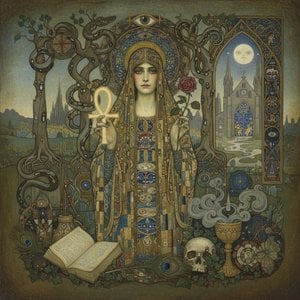
Odilon Redon, a French symbolist painter, printmaker, draughtsman, and pastellist, created the captivating piece "Stained Glass Window". This charcoal drawing, measuring 87 x 68 cm, is a quintessential example of Symbolism, an art movement that sought to represent absolute truths through symbolic language and metaphorical images.Symbolism in Art
Symbolism emerged as a reaction against naturalism and realism, which were the dominant art movements of the late 19th century. The term 'symbolist' was first applied by Jean Moréas in his 1886 manifesto. Symbolist artists like Odilon Redon used dream-like imagery to convey emotions and ideas that could not be expressed through realistic representations.Light in Painting
Light plays a crucial role in painting, as it affects the vision of the projected image and has aesthetic value. In "Stained Glass Window", light is symbolically represented by the stained glass window itself, which filters and colors the light entering the scene. This use of light is reminiscent of techniques such as chiaroscuro and sfumato, which were used to create depth and volume in paintings.Modernism and Its Influence
Modernism, a movement that emphasized experimentation and subjective experience, influenced various art forms, including painting. Modernist artists rejected traditional methods and sought new ways of expression. Odilon Redon's work, particularly "Stained Glass Window", reflects this modernist spirit through its use of symbolism and dream-like imagery.Relevance to ArtsDot.com
At ArtsDot.com, we offer handmade oil painting reproductions of famous artworks, including those by Odilon Redon. Our collection includes other notable works by the artist, such as "Vision" and "Madness".Conclusion
"Stained Glass Window" by Odilon Redon is a masterpiece of Symbolism, showcasing the artist's ability to convey deep emotions and ideas through symbolic imagery. The painting's use of light and its connection to modernist principles make it a significant work in the history of art. For more information on Symbolism and Odilon Redon's works, visit our website at ArtsDot.com.질의응답
"Stained Glass Window"의 색감은 강렬한 편인가요, 아니면 부드러운 편인가요?
오딜롱 르동의 "Stained Glass Window"에 사용된 색상들은 Monochromatic 강도를 띱니다.
오딜롱 르동의 "Stained Glass Window"의 복제본을 어떻게 미리 볼 수 있나요?
"Stained Glass Window"의 가상 배치 미리보기 페이지에서는 주문 전 작품을 미리 확인할 수 있습니다.
오딜롱 르동의 "Stained Glass Window"의 대비는 어느 정도로 강한가요?
오딜롱 르동의 "Stained Glass Window"은(는) 밝은 부분과 어두운 부분 사이의 Bold 대비를 보여줍니다.
이 작품에 대해 더 알아보기
 미리보기
미리보기
 프린트 판매로 전환
 공유하기
공유하기 공유하기
공유하기
 상세 정보
상세 정보 가이드 보기

 다운로드
다운로드
 유사 작품 더 보기
 X-레이
X-레이 슬라이드 쇼 보기
 질의응답
질의응답 통계 정보
통계 정보유사한 작품들


오딜롱 르동
1840 - 1916, 프랑스
작가 정보
유년 시절, 가족 그리고 예술적 훈련
1840년 4월 20일 프랑스 아키텐의 보르도에서 베르트랑-장 레논이라는 이름으로 태어난 소년은 훗날 오디론 레논이라는 이름으로 세상에 알려지며, 가족의 뿌리가 빚어낸 독특한 세계로 발을 내디뎠습니다. 그의 어머니 마리 게랭은 일 드 부르봉 출신의 프랑스 크리올이었으며, 훗날 그가 선택한 예술적 이름 또한 그녀의 이름에서 유래되었습니다. 어린 시절부터 그의 시각적 재능은 남달랐습니다. 불과 열 살의 나이에 학교에서 드로잉 상을 받았던 이 작은 성취는, 훗날 그가 예술적 기교에 쏟아부을 섬세한 감수성을 예고하는 서막과도 같았습니다.
예술가로서의 삶으로 향하는 길은 결코 평탄하지 않았습니다. 열다섯 살에 정식으로 드로잉 공부를 시작했음에도 불구하고, 아버지의 바람에 따라 처음에는 구조적이고 체계적인 건축의 세계로 이끌렸습니다. 이러한 여정은 그를 파리로 이끌었고, 1864년 그는 장-레옹 제롬 밑에서 잠시 회화를 공부하기도 했습니다. 하지만 엄격한 규율이 강조되는 건축 교육은 그의 자유로운 기질과 맞지 않았습니다. 에콜 데 보자르의 입학 시험에서 낙방한 후, 그는 자신만의 새로운 시각을 찾기 위해 고향 보르도로 돌아갔습니다.
고향의 고요함 속에서 그의 손끝은 새로운 질감을 발견하기 시작했습니다. 조각을 접하며 예술적 지평을 넓혔고, 에칭과 석판화라는 복잡하고도 그림자 가득한 예술 기법을 익히기 시작했습니다. 로돌프 브레스댕의 지도 아래 이러한 기술적 숙련도는 깊게 뿌리내렸으며, 이는 인간 정신의 더 어둡고 모호한 영역을 탐구할 수 있는 강력한 도구가 되었습니다. 선과 돌을 이용해 펼친 이 초기 실험의 시간들은 이후 그가 걸어갈 모든 예술적 여정의 견고한 토대가 되었습니다.
흑백의 미학, 노아르(Noirs) 시대
오디론 레논의 삶은 1870년 프로이센-프랑스 전쟁이라는 거대한 역사의 소용돌이 속에서 예상치 못한 전환점을 맞이합니다. 군 복무로 인해 예술가로서의 성장이 잠시 중단되는 시련을 겪기도 했지만, 그의 내면에서 꿈틀대던 환상적인 비전들은 결코 사그라지지 않았습니다. 전쟁에서 돌아온 그는 그림자의 세계로 시선을 돌렸고, 50대에 접어들기 전까지 거의 전적으로 흑백의 세계에 몰두했습니다. 그는 이러한 환상적인 작품들을 노아르(noirs)라고 부르기 시작했는데, 이 용어는 그의 탐구가 지닌 강렬하고도 어두운 본질을 완벽하게 관통하는 단어였습니다. 그는 이 단색조의 연구를 통해 눈에 보이는 현실 세계에서 벗어나, 순수한 빛과 어둠의 언어를 통해 보이지 않는 세계에 형상을 부여하고자 했습니다.
그가 불러낸 기묘한 생명체들만큼이나 그의 작업 방식 또한 다채롭고 정교했습니다. 오디론 레논은 석판화 기법을 완벽히 익혔으며, 목탄을 사용하여 구도를 쌓아 올렸고, 때로는 여러 재료를 겹쳐 사용하여 특유의 깊이감을 만들어냈습니다. 그는 포도나무 숯과 기름을 섞은 목탄, 그리고 압축 목탄과 검은 크레용을 조화롭게 사용하여 자신만의 독특한 효과를 구현했습니다. 이러한 도구들은 소용돌이치는 안개 속에서 막 솟아오른 듯한 야행성 장면과 기이하고 환상적인 생명체들을 생생하게 묘사할 수 있게 해주었습니다. 그의 손길은 매우 치밀하고도 강렬했습니다. 딱딱한 검은 분필로 형태의 윤곽을 잡고, 그 위로 부드럽고 몽환적인 목탄의 질감을 덧입히며 대조를 이루었습니다. 그 결과물은 단순한 드로잉을 넘어, 개인적이고도 신비로운 그림자 속 세계로 향하는 창문과도 같았습니다.
- 물의 수호신 (1878년경)
- 우는 거미 (1881)
색채와 상징주의로의 진화
1890년대에 접어들며 오디론 레논의 작업실에는 새로운 빛이 스며들기 시작했습니다. 초기 시절을 지배했던 무겁고 단색적인 그림자들은 어느덧 찬란한 색채의 향연에 자리를 내주었습니다. 그는 파스텔과 유화를 손에 쥐고, 그 매혹적인 매체들을 통해 변화무쌍한 영혼의 감정들을 표현해 나갔습니다. 이는 단순한 기법의 변화를 넘어, 그의 예술적 시야가 심연으로부터 확장되는 경이로운 과정이었습니다. 그는 목탄 작업이 지녔던 극명한 흑백의 대비에서 벗어나, 형태가 빛과 색조 속으로 녹아드는 듯한 꿈결 같은 추상성의 세계로 나아갔습니다. 색채라는 언어를 통해 형언할 수 없는 무형의 존재들에 형상을 부여하고자 했던 그의 시도는, 그를 상징주의 운동의 중심부로 인도했습니다.
이러한 새로운 광채는 프랑스에 상륙한 일본 미술의 영향력을 깊게 투영하고 있었습니다. 오디론 레논은 일본 판화의 미학에 매료되었으며, 그 특유의 평면적인 원근법과 대담한 색채 대비에서 커다란 영감을 얻었습니다. 이러한 매혹은 그로 하여금 사실적인 묘사를 넘어 암시와 상징의 영역으로 더욱 깊숙이 침잠하게 만들었습니다. 그의 구도는 점차 동양적 영향력을 반영하기 시작했고, 신비로운 분위기와 장식적이면서도 천상적인 미감을 조화롭게 버무려냈습니다. 그가 그려낸 세상은 더 이상 견고한 사물들이 존재하는 물리적 공간이 아니라, 영적이고 정서적인 울림이 교차하는 신비로운 공간이 되었습니다.
주요 작품과 주목할 만한 의뢰
오디론 레논의 붓끝이 초기 시절의 짙은 그림자로부터 벗어나기 시작했을 때, 그의 예술적 여정은 보이지 않는 세계에 매료되었던 후원자들을 통해 새로운 목적지를 찾아 나섰습니다. 이 시기에 로베르 드 도메시 남작은 매우 중요한 인물로 등장하여, 예술가에게 자신의 가족을 초상화로 담아달라는 의뢰를 맡겼습니다. 남작 부인과 그녀의 딸 잔을 그린 이 초상화들을 통해 오디론 레논은 진화하는 빛의 감각을 인체의 형상에 투영할 수 있었으며, 피부 표면 아래에 숨겨진 내면의 생명력을 드러내고자 노력했습니다.
그의 상상력은 종종 고대의 신화로 향했고, 이를 꿈결 같은 추상화의 렌즈를 통해 재해석해 냈습니다. 그의 저명한 유화 작품 중 하나인 키클롭스(The Cyclops)는 폴리페모스와 님프 갈라테이아의 신화를 묘사하고 있습니다. 잠든 처녀를 향해 외눈을 돌리고 있는 거인의 모습은 고전적인 소재와 심리적 신비로움을 결합하는 그의 탁월한 능력을 여실히 보여주는 구도를 선사합니다. 이와 유사하게, 1900년에 제작된 파스텔 작품 마리 보트킨의 초상(Portrait of Marie Botkine)은 대상의 고요하고 성찰적인 깊이를 세밀하게 들여다보게 하며, 그의 후기 양식을 정의하는 부드럽고도 영롱한 터치로 그려졌습니다.
생의 마지막 해에 이르러 동양 미학의 영향은 더욱 뚜렷해졌고, 이는 보다 장식적이고 평면적인 원근법을 수용한 작품들로 이어졌습니다. 1916년경, 생의 끝자락에서 그는 일본식 화병에 담긴 커다란 꽃다발(Large Bouquet in a Japanese Vase)을 남겼는데, 이 작품은 일본 미술의 원리가 그의 시각적 언어 속에 얼마나 깊이 스며들어 있었는지를 증명합니다. 이 후기작은 형언할 수 없는 무형의 세계를 표현하기 위해 색채의 힘을 온전히 받아들인 예술가의 정수를 보여줍니다.
기법과 예술적 양식
오디론 레논은 데생가이자 판화가, 그리고 화가로서 예술의 세계를 유영하며, 가시적인 것의 논리를 불가시적인 영역을 위해 봉사시키고자 끊임없이 노력했습니다. 예술적 여정의 초기 단계에서 그는 주로 흑백의 세계를 다루며 그림자 속에 깃든 심오한 언어를 발견했습니다. 그는 석판화 기법을 완벽히 습득하여, 깊은 어둠 속에서 빛이 서서히 피어오를 수 있도록 섬세한 계조를 만들어냈습니다. 더욱 정교한 표현을 위해, 그는 부드럽고 넓게 펼쳐진 목탄의 질감 위에 인위적으로 제작된 검은 분필을 사용하여 구도상의 특정 요소들을 날카롭게 윤곽 지었습니다. 이러한 작품들은 종종 악몽과 꿈이 결합된 결정체로 묘사되곤 했는데, 그 안에서 물리적 실재와 상상 사이의 경계는 모호하게 흐려지며 신비로운 분위기를 자아냈습니다.
예술적 숙련도가 높아짐에 따라 질감과 빛을 다루는 그의 방식에도 변화가 찾아왔습니다. 초기 목탄 연구에서 보여주었던 무겁고 단색적인 깊이감에서 벗어나, 그는 파스텔과 유화를 적극적으로 사용하기 시작했습니다. 이러한 전환은 그가 이전과는 다른 종류의 광휘를 탐구할 수 있게 해주었으며, 그렇다고 해서 무의식에 대한 그의 집착이 사라진 것은 아니었습니다. 색채를 다룰 때조차 그의 구도는 마치 대상이 물리적 풍경이 아닌 꿈속에서 막 걸어 나온 듯한 신비로운 감각을 유지했습니다. 다양한 매체를 자유자재로 다루는 그의 능력은 인간 정신의 가장 포착하기 어려운 파편들을 만질 수 있는 구체적인 형태로 번역해내는 힘이 되었습니다.
- 키클롭스, 1914년경
- 마리 보트킨의 초상, 1900년
- 오필리어의 죽음, 1905년
현대 미술에 남긴 유산과 영향
오디론 레논의 비전이 일으킨 파동은 상징주의자들의 고요한 작업실을 넘어, 다가올 새로운 세기의 근간을 뒤흔들며 멀리까지 퍼져 나갔습니다. 그는 시선을 내면으로 돌려 무의식이라는 기묘하고 비이성적인 영토를 탐험함으로써, 훗날 초현실주의자들이 등장할 수 있는 토양을 마련했습니다. 꿈의 논리에 형상을 부여하는 그의 탁월한 능력은 이성의 제약으로부터 정신을 해방시키고자 했던 마르셀 뒤샹과 막스 에른스트 같은 후대 예술가들에게 하나의 청사진을 제시했습니다. 그는 단순히 장면을 그려낸 것이 아니라, 인간 사유의 보이지 않는 흐름을 시각화함으로써 가시적인 세계와 내면의 정신 사이를 잇는 가교를 창조해 냈습니다.
주관적 경험과 보이지 않는 것들이 지닌 감정적 무게에 대한 이러한 집착은 표현주의 화가들에게도 깊은 울림을 주었습니다. 그의 작품은 대상의 진정한 본질이 눈에 보이는 측정치에 있는 것이 아니라, 그것이 어떻게 느껴지는가에 달려 있음을 시사했습니다. 캔버스와 파스텔 작업을 넘어, 그의 그래픽 예술은 여전히 심오한 성취로 남아 있습니다. 어둠과 신비로움을 탐구한 그의 리토그래피와 목탄화는 19세기 판화 예술에서 가장 혁신적인 업적 중 하나로 평가받습니다. 그는 미묘한 명암의 계조를 완벽하게 다스림으로써, 고대적이면서도 동시에 완전히 새로운 세계를 암시해 냈습니다.
- 키클롭스, 1914년경
- 오필리어의 죽음, 1905년
- 비너스의 탄생, 1910년
오늘날 그의 작품을 만나는 곳
오디론 레논의 상상력이 남긴 흔적을 마주하기 위해서는 유럽 예술의 거대한 보고들을 찾아 여행을 떠나야 합니다. 파리의 오르세 미술관은 그의 작품 여러 점을 소장하며, 그의 예술적 비전이 어떻게 진화해 왔는지를 엿볼 수 있는 소중한 기회를 제공합니다. 보다 화려하고 색채감이 풍부한 그의 후기 탐구 세계를 갈망하는 이들이라면 뉴욕으로 향해야 할지도 모릅니다. 그곳의 현대 미술관(MoMA)은 그가 더욱 빛나는 미학으로 나아갔음을 보여주는 여러 작품을 간직하고 있습니다.
그의 영향력은 국경을 넘어 다양한 컬렉션 속에 깊이 뿌리 내리고 있습니다. 네덜란드의 크뢼러 뮐러 미술관에는 그의 중기에서 후기에 이르는 신화적이고 꿈결 같은 특성을 고스란히 담아낸 키클롭스가 전시되어 있습니다. 한편, 대서양 건너 로스앤젤레스의 게티 미술관에는 도메시 남작 부인의 초상화가 보관되어 있는데, 이는 그의 삶을 형성했던 개인적인 인연과 예술적 의뢰의 순간들을 웅변합니다.
- 키클롭스, 크뢼러 뮐러 미술관, 오터로
- 도메시 남작 부인의 초상, 게티 미술관, 로스앤젤레스

관련 콘텐츠
The Evocative Realm of Symbolism: Exploring Meaning & Mysticism in Late 19th-Century Art
Explore the captivating world of Symbolism art! Discover key artists, defining themes & its lasting influence on modern movements. A deep dive into late 19th-century masterpieces.

The Architecture of Shadow: Chiaroscuro and the Sculptural Power of Renaissance Light
Master the secrets of Renaissance light, from chiaroscuro to sfumato. Explore the power of shadow in art history now.

인상주의를 정의한 걸작 10점: 예술, 역사, 그리고 홈 데코 영감
모네, 르누아르 등 인상주의 거장들의 명작을 만나보세요. 빛과 색채의 혁신적인 기법으로 탄생한 예술 작품 속 역사와 감동을 느껴보세요. ArtsDot.com에서 고품질 미술 작품을 온라인으로 감상하고 특별한 홈 데코 영감을 얻으세요.