



A Pilgrimage into the Soul of Russia: The State Tretyakov Gallery
The State Tretyakov Gallery in Moscow isn’t merely a museum; it's an immersive journey into the very heart and soul of Russia itself. Founded in 1856 by Pavel Mikhailovich Tretyakov, a visionary merchant driven by a profound patriotic desire to cultivate a national identity through artistic expression, the gallery began as a deeply personal collection—a testament to his unwavering belief in art’s power to reflect the Russian spirit. This intimate foundation imbues the entire institution with an atmosphere of cherished intimacy, inviting visitors into a space where centuries whisper stories across its hallowed halls. More than just a repository of art; it feels like stepping into a beloved family home brimming with artistic treasures and historical narratives.
The Architectural Narrative: Lavrushinsky Lane and Krymsky Val
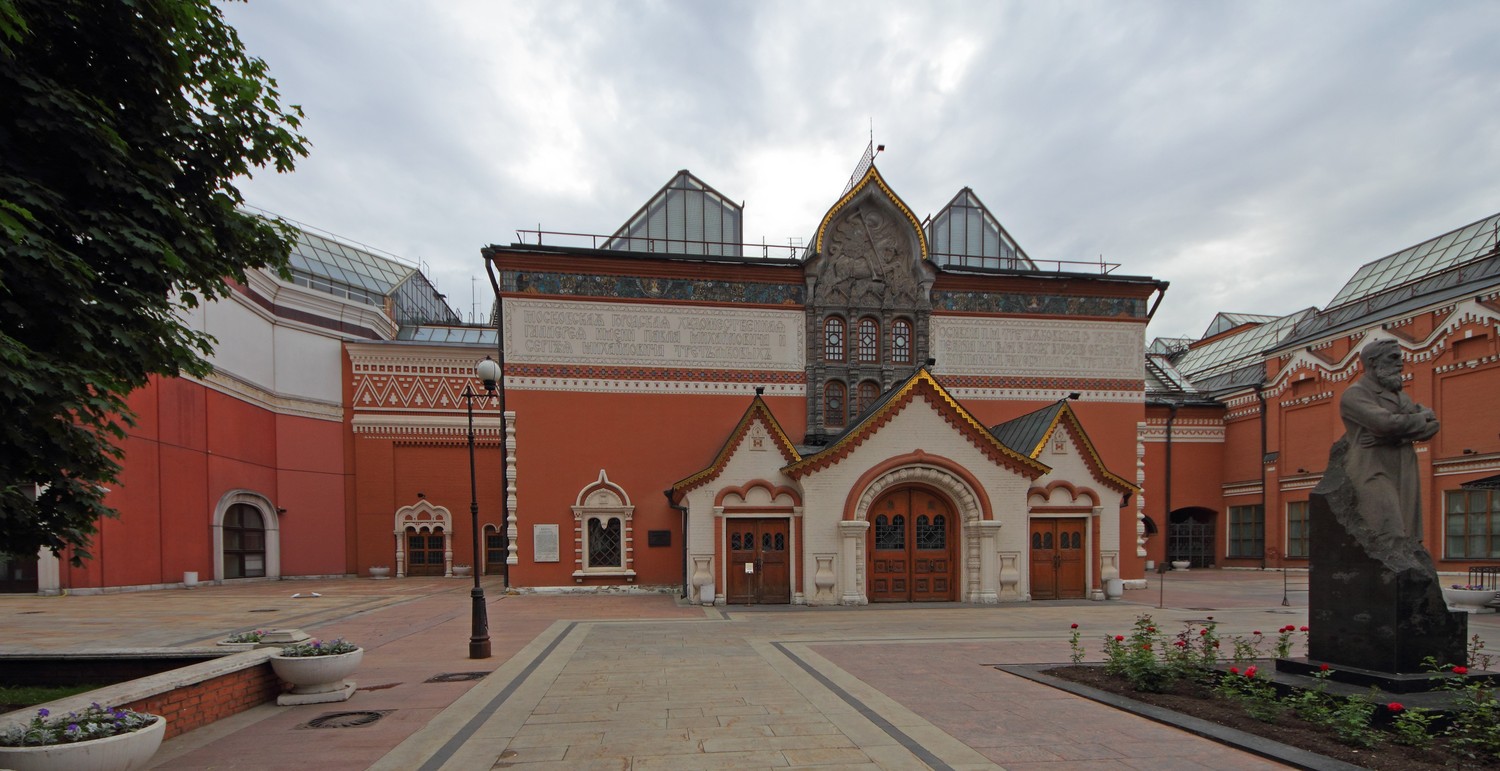
The architectural narrative of the Tretyakov is as compelling as the artworks within. The main building on Lavrushinsky Lane began life as a private residence for the Mamontov family, retaining an intimate scale that belies its transformation into a public institution. Viktor Vasnetsov’s striking façade—a masterpiece of Russian Revival style—evokes a sense of ancient grandeur and national pride, drawing inspiration from folklore and religious traditions woven deeply into Russia's cultural fabric. The building itself seems to rise organically from the earth of Moscow, adorned with intricate details that hint at the nation’s rich heritage. Later expansions, notably the New Tretyakov Gallery on Krymsky Val, offer a striking counterpoint—a modern space designed to house the revolutionary movements and bold experimentation of the 20th and 21st centuries, reflecting a deliberate juxtaposition between tradition and modernity. The contrast is not one of conflict, but rather a powerful statement about Russia’s ongoing evolution.
Icons of Faith: Vladimir Icon and Byzantine Tradition
The Tretyakov Gallery's collection of ancient icons—particularly *Theotokos of Vladimir*, with its vibrant colors, gilded surfaces, and serene expressions—offers an unparalleled glimpse into the spiritual life of medieval Russia—windows into a world steeped in Byzantine tradition, where symbolism and meticulous craftsmanship converged to create objects of breathtaking beauty and devotional power. These aren’t simply religious images; they are profound cultural artifacts, revealing the beliefs, customs, and artistic sensibilities of a bygone era. The sheer luminosity of these icons, achieved through painstaking layering of gold leaf and pigment, speaks volumes about the devotion invested in their creation – each brushstroke imbued with prayer and reverence. Careful observation reveals subtle nuances of color and texture that convey profound spiritual meaning.
Masters of Imperial Russia: Repin, Shishkin, Levitan
Moving forward through the 19th century, one encounters a panorama of Russian life rendered with remarkable realism and emotional depth. Masters such as Ilya Repin capture the social and political currents of Imperial Russia—the struggles of the peasantry, the opulence of courtly life, and the intellectual ferment that characterized the period. Landscapes by Ivan Shishkin evoke the vastness and majesty of the Russian countryside, capturing the soul of the birch forests and the resilience of the people who inhabit them. The atmospheric paintings of Isaac Levitan convey a poignant sense of melancholy beauty, often imbued with a deep connection to nature and human suffering – scenes of solitary figures contemplating the endless expanse of the Russian winter or the quiet dignity of a rural village. These artists skillfully employed light and color to express complex emotions and capture the essence of their subjects.
The Avant-Garde Revolution: Malevich, Kandinsky, Chagall
The early 20th century witnessed a seismic shift in Russian art as artists boldly embraced radical new forms of expression. The Tretyakov Gallery houses a remarkable collection of avant-garde masterpieces that challenged conventional notions of representation and paved the way for modern art worldwide. Kazimir Malevich’s iconic *Black Square*—a seemingly simple geometric form—became a potent symbol of pure abstraction, rejecting representational imagery in favor of a spiritual exploration of color and shape. Wassily Kandinsky's vibrant compositions, brimming with abstract forms and dynamic energy, explored the profound relationship between art and music, while Marc Chagall’s dreamlike canvases blended elements of folklore, memory, and personal experience into evocative and deeply emotional works. This period wasn’t simply about artistic innovation; it was a direct reflection of the tumultuous social and political upheaval that gripped Russia – a desire to forge a new visual language for a new era. The daring experimentation demonstrated during this time continues to inspire artists today.



