

 手描き複製画を注文する
 シェアする
シェアする シェアする
シェアする
 Details

 ダウンロード
 似ている作品
 X-Ray
X-Ray スライドショー
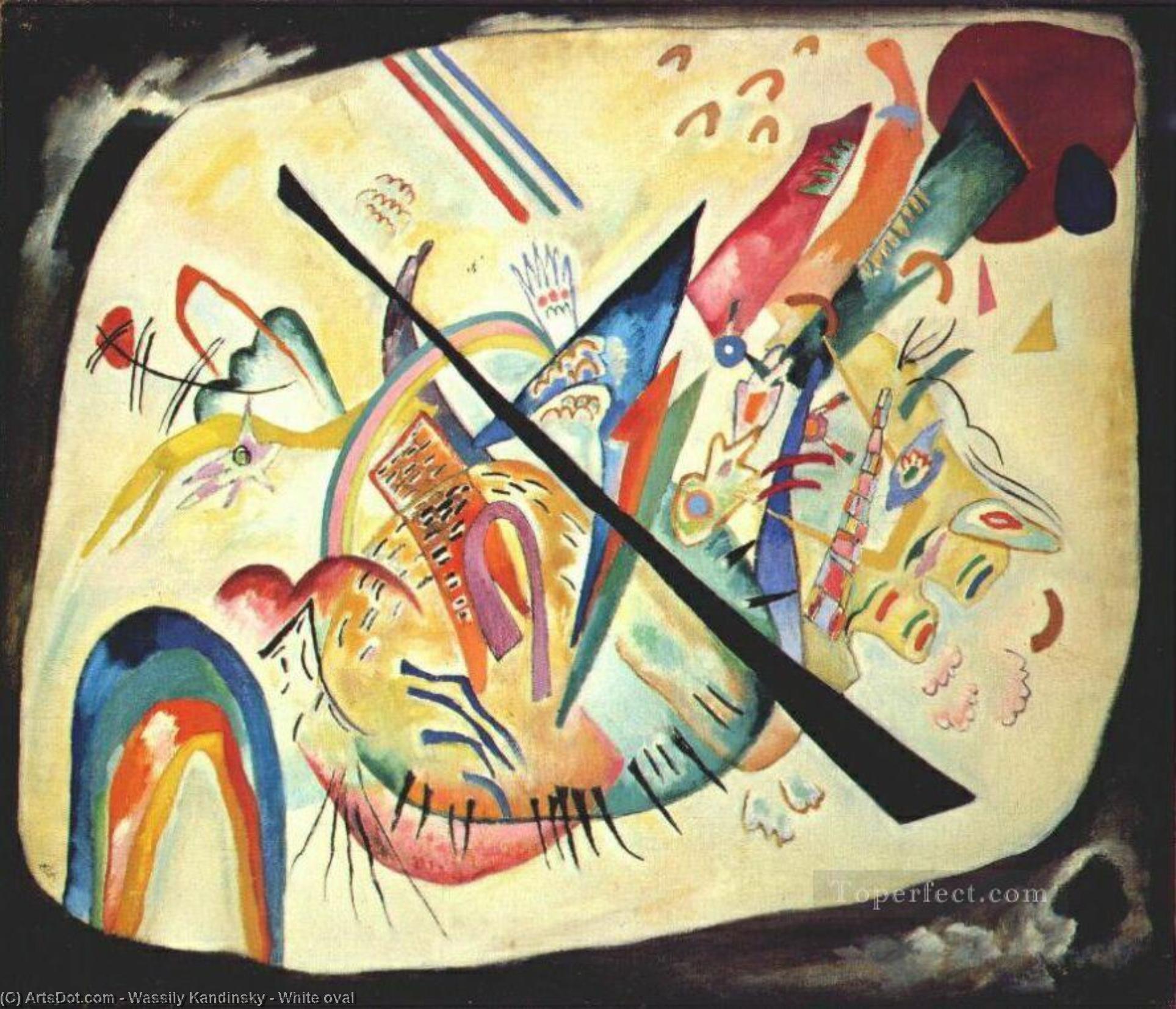
白い楕円
 キャンバスに油彩
- 壁掛けアート
- Expressionism
 1919
1919- モダン
 80.0 x 93.0 cm
 続きを読む
続きを読む



P118B $10

P118H $10

P118W $10

P438Z $10

P508JH $12

P508YH $12

P805H $10

P805Z $10

P919BZ $10

P919G $10

P919XJ $10

P959ZH $10

P968JZ $12

W106C $8

W218G $10

W218JH $8

W218Y $10

W307PJ $10

W316G $10

W316PJ $8

W316Y $10

W398PJ $8

W4111J $10

W500HY $15

W500JH $15

W692G $12

W849H $8

W940BG $15

W953PJ $8




作品のオリジナル比率に合わせた、当店の規定サイズからお選びください。

特定のフレームやスペースに合わせて、ご自身でサイズを指定することも可能です。選択されたサイズが元の画像の比率と一致しない場合、作品をトリミングするか、鏡面反射または単色での塗りつぶしによって画像を拡張いたします。制作を開始する前に、ご確認用のデジタルモックアップをお送りいたします。
画面上のプレビューには、実際のトリミングや拡張は反映されませんのでご注意ください。最終的な構図を正確に確認できるのは、モックアップのみとなります。
カスタムサイズも承っておりますが、元の比率を維持するためには、あらかじめ用意されたリストからサイズを選択することをお勧めいたします。


 ガラスオプションは、110cm未満のサイズでのみご利用いただけます。

白い楕円
ジークレー/アートプリント
複製画のサイズ
-


合計金額
-
作品詳細説明
ワシリー・ワシーリエヴィチ・カンディンスキーの誕生:白ひたい を解き明かす
ワシリー・カンディンスキーという名は、現代美術の誕生と不可分なものとなっています。彼は単なる画家ではありませんでした。内面の経験を鮮やかな視覚言語へと翻訳する、感情を建築する先駆者でした。法律家から革命的な芸術家への転身は、彼の作品そのものと同様に魅力的であり、1919年に制作された白ひたい は、この変容の瞬間を最も力強く捉えた作品です。この見かけ上単純な構図—中央に配置された白い楕円と、そこを取り囲む円や線、そして色々の飛沫—は、カンディンスキーが抽象へと探求する過程における重要な転換点を示しています。これは、具象的な表現からの明確な拒絶であり、純粋な感情表現への移行を意味します。1866年、モスクワで生まれ、カンディンスキーの幼少期はロシア文化の伝統に浸されていました。彼の家族の歴史には、モンゴルや中国とのつながりもありましたが、ヨーロッパの芸術運動へと向かう不可避な魅力を感じていたのです。モネのひまわり を目にしたことが、彼を根本的に変えるきっかけとなりました。単なる描写を超え、色の本質と、それが引き起こす強力な感覚を捉えようとしたのです。白ひたい は単なる絵画ではありません。それは、カンディンスキーが哲学を発展させていく過程の凝縮されたものであり、彼の信念—芸術は可視世界の限界を超越し、魂へと直接つながる—を体現したものです。色彩と形によるシンフォニー
白ひたい の美しさは、その複雑さではなく、巧みに仕組まれたシンプルさにあります。80 x 93 cmという寸法で、キャンバスは大きな光沢のある白い楕円によって支配されています—これは視線を即座に引きつけ、渦巻く構図の中で錨となる形です。この中心要素を取り囲むように、さまざまなサイズの小さな円が舞い上がり、その密度や強さが変化しています。また、ダイナミックな線も交じっています。このパレット自体は、非常に制約されながらも、深く表現力豊かです—鮮やかな赤、深い青、太陽のような黄色、緑、そして炎のように燃えるオレンジの色が組み合わさり、エネルギーに満ちた雰囲気を作り出しています。カンディンスキーの色の使用は単なる偶然ではありませんでした。彼は、色調が人間の感情に及ぼす心理的な影響を注意深く研究し、それぞれの色が固有の感情的力を秘めていると信じていました。例えば、赤は情熱とエネルギーを表し、青は静けさと内省の感情を引き起こしました。絵画は油彩で描かれており、これはカンディンスキーが色とテクスチャを重ねて構築することを可能にし、豊かな触覚的な表面を作り出しました。筆致が見えることで、作業に immediacy と spontaneity を与え—多くの同時代の滑らかで磨かれた表面とは異なり—意図的に選択されたものです。精神的な次元:影響と意図
カンディンスキーの芸術的旅は、テオソフィーの影響を受けた精神的な思想と深く結びついていました。彼は、内なる感情を呼び起こし、観る人により高い意識へとつながる芸術を生み出すことを目指していました。彼の代表作である芸術における精神性について は、この信念を表明しており、色と形は固有の精神的意義を持っていると論じています。白ひたい は、この哲学を完璧に体現しています—単なる視覚的な配置ではなく、感情反応を刺激するように設計された、慎重に構築された象徴的な風景です。白い楕円自体は、「魂」を表していると考えられます—アーティストが内世界を投影するための空白のキャンバスです。周囲の形と色はそれぞれ、絵画全体の精神的叙事詩に貢献するシンボルとして機能します。カンディンスキーの抽象への探求は、単なる美的選択ではなく、言葉では表現できない真実を表現するための個人的な探求でした—自己表現と精神的な探求のための欲求です。カンディンスキーの遺産:芸術と感情の架け橋
白ひたい は、抽象美術の開発における重要なマイルストーンであり、その後の世代のアーティストに大きな影響を与えました。これは、表現主義運動の一時期の彼の作品であること—主観的な経験と感情的な強度を強調すること—を示しています。色理論とその人間の感情とのつながりを探求することで、ファウビズムやシュルレアリスムなどの後続の動きへの道を開きました。この絵画の影響は、アートの世界にとどまらず、デザイナー、建築家、さらにはミュージシャンにもインスピレーションを与えました。ArtsDot.comのような白ひたい の複製は、この画期的な作品を体験するためのアクセスしやすい入り口を提供し、観る人がカンディンスキーのビジョンを目の当たりにすることができます。ワシリー・カンディンスキーの人生と仕事についてさらに深く探求するには、ArtsDot.comなどのリソースを参照してください—彼は「小さな赤い夢」や「赤いひたい」など、他の注目すべき作品に関する詳細な情報を提供しています。彼の遺産は今日でも共鳴しており、芸術は自己表現と精神的な探求のための強力なツールであることを私たちに思い出させてくれます。 movement: Expressionism topics: Abstract, Color, Oval, Geometric, Kandinsky, Spirituality, Expressionism creative_period: Early Period corpus_context: Monet’s Impressionism, Wagnerian Music”, “Theosophical Ideas”, "Early 20th-Century Abstraction"関連作品


アーティストの略歴
Wassily Kandinsky (1866-1944): The Pioneer of Abstract Art
Wassily Wassilyevich Kandinsky, born in Moscow on December 4th, 1866, stands as a monumental figure in the history of art—a visionary who irrevocably transformed artistic expression and ushered in an era dominated by pure abstraction. His journey wasn’t one of immediate artistic epiphany; initially destined for a legal career at Moscow University, it was a transformative encounter with Claude Monet's “Haystacks” – capturing the shimmering light and atmospheric perspective of Impressionism – and witnessing Richard Wagner’s opera "Lohengrin" that ignited within him an irresistible yearning to pursue art. This pivotal moment, occurring around age thirty, marked not merely a career change but a profound reshaping of worldview, propelling him toward pioneering abstraction.
Early influences resonated deeply with Russian culture. His family's ethnographic expedition to the Vologda region in 1889 exposed him to vibrant color palettes and symbolic imagery derived from folk art—a formative experience that instilled a fascination for communicating emotion beyond literal representation. These foundational explorations weren’t simply aesthetic preferences; they were rooted in a profound connection to cultural heritage and an emerging understanding of art's capacity to transcend visual perception.
Moscow, 1866-1896: Seeds of Artistic Vision
Kandinsky’s formative years were marked by rigorous academic training—studying law at Moscow University alongside mastering the piano and cello. However, it was his encounter with Impressionism that fundamentally altered his artistic trajectory. As he recounted in autobiographical writings, “I remember that drawing and a little bit later painting lifted me out of the reality,” reflecting the transformative power of art to transcend mundane experience.
His marriage to Anna Chimyakina brought him into contact with a supportive family environment—a nurturing backdrop for cultivating his artistic sensibilities. He continued teaching law at Moscow University, demonstrating intellectual curiosity alongside developing his burgeoning talent for visual expression.
Munich and Gabriele Münter: The Birth of Expressionism
In 1896 Kandinsky relocated to Munich, enrolling in Anton Azbe’s prestigious private painting school—where he honed his skills in image composition and experimented with color harmonies. Simultaneously, he embarked on a romantic relationship with Gabriele Münter, forging an artistic partnership that would endure for decades.
During this period, Kandinsky's canvases pulsed with emotional intensity—characterized by bold colors and expressive brushstrokes—reflecting the influence of Expressionism’s preoccupation with subjective experience. Works like “Papeln (Poplars)” exemplify this early stylistic phase—capturing the dynamism of nature through vibrant hues and textured surfaces.
The Blue Rider Group and Geometric Harmony
The formation of Der Blaue Reiter (The Blue Rider) in Munich in 1911 marked a crucial juncture in Kandinsky’s artistic evolution. Alongside Gabriele Münter, he established an influential avant-garde collective—embracing geometric abstraction as a means of conveying spiritual truths.
His theoretical writings, notably “Concerning the Spiritual in Art,” articulated his conviction that art should aspire to transcend mere imitation of nature—seeking instead to reveal the artist’s inner world and resonate with viewers on a deeper level. Kandinsky championed the use of geometric forms—circles, triangles, squares—to evoke specific emotional responses—believing they possessed inherent symbolic significance.
“Several Circles” (140 x 140 cm), created in 1923 exemplifies this phase—a dynamic composition where color and form intertwine harmoniously—reflecting Kandinsky’s unwavering commitment to exploring the expressive potential of abstraction. This stylistic shift signaled a decisive break from representational art—embracing instead a visual language rooted in spiritual contemplation.
Bauhaus Influence and Legacy
Kandinsky's involvement with the Bauhaus school in Germany from 1922 until its closure in 1933 profoundly impacted generations of artists—solidifying his role as a champion of geometric abstraction and fostering innovation within architectural design. He taught at Bauhaus, imparting his theories on color and form—inspiring students to pursue artistic experimentation.
Following the Nazi regime’s seizure of power, Kandinsky emigrated to France in 1933—where he continued producing monumental canvases imbued with spiritual resonance—such as “Composition VII”—a testament to his enduring artistic vision. His legacy extends far beyond the realm of painting—influencing subsequent movements and shaping perceptions of abstract art worldwide.
Kandinsky’s unwavering belief in art's capacity to communicate transcendent truths—coupled with his pioneering exploration of geometric abstraction—continues to inspire artists today—affirming his place as one of the most transformative figures in 20th-century artistic history.

ワシリー・ワシーリエヴィチ・カンディンスキー
1866 - 1944 , ロシア
基本情報
- Artistic Movement Or Style: 抽象芸術、表現主義
- Artists Who Influenced This Artist:
- クロード・モネ
- リヒャルト・ヴァグナー
- Date Of Birth: 1866年12月4日
- Date Of Death: 1944年12月13日
- Full Name: ワシリー・ワシーリエヴィチ・カンディンスキー
- Nationality: ロシア
- Notable Artworks:
- いくつかの円
- 構成作品IX
- Place Of Birth: モスクワ、ロシア
関連記事

Chromatic Resonance: Integrating Saturated Abstract Art into Interior Design – A Guide to Balance, Accentuation & Harmony
Discover how to seamlessly integrate saturated abstract art into your interior design projects. Expert guidance on color palettes, scaling, placement & creating harmonious spaces. Elevate your designs with confidence.


色彩の心理的パレット:芸術における感情、意味、そして表現力
芸術における色彩の心理を徹底解説。感情、意味、表現力を深掘りし、作品選びや鑑賞に役立つ知識を提供します。ArtsDotで高品質な油絵やカスタムアートをお楽しみください。

Beyond Form & Color: Geometric Abstraction's Evolution in 20th/21st Century Art
Explore the evolution of geometric abstraction from Cubism to contemporary art. Discover key artists like Malevich & Mondrian, investment insights, and expert collecting advice at ArtsDot.

Clyfford Still's Abstract Expressionism: A Study of Color, Form & the Existential Landscape
Explore the profound world of Clyfford Still's Abstract Expressionism with ArtsDot. Discover his unique style, existential themes & investment potential. Expert analysis for discerning collectors.

Chromatic Resonance: Exploring Abstract Color Palettes & Emotional Atmospheres in Interior Design
Explore the profound impact of abstract color palettes on interior atmospheres. Discover how to leverage color psychology for wellbeing & design harmony with expert insights and case studies.



