


 設置イメージを確認
 送る
送る シェア
シェア
 詳細情報
詳細情報 ガイドを表示

 画像をダウンロード
 似ている作品
 X線調査
X線調査 スライドショー
 統計情報
統計情報The Microscope


 続きを読む
続きを読む
手描き油彩複製画
当社のアーティストが、お客様のご希望のサイズと額縁に合わせて、キャンバスに手描きで制作する油彩画です。 ( プリント版に切り替え デジタル画像販売へ切り替え)




P118B ¥10

P118H ¥10

P118W ¥10

P438Z ¥10

P508JH ¥12

P508YH ¥12

P805H ¥10

P805Z ¥10

P919BZ ¥10

P919G ¥10

P919XJ ¥10

P959ZH ¥10

P968JZ ¥12

W106C ¥8

W218G ¥10

W218JH ¥8

W218Y ¥10

W307PJ ¥10

W316G ¥10

W316PJ ¥8

W316Y ¥10

W398PJ ¥8

W4111J ¥10

W500HY ¥15

W500JH ¥15

W692G ¥12

W849H ¥8

W940BG ¥15

W953PJ ¥8




作品のオリジナル比率に合わせた、当店の規定サイズからお選びください。

フレームや壁のスペースに合わせて、ご希望の幅と高さを入力してください。本作品は手描きのため、異なる比率のサイズをご希望の場合、絵画の周囲を少し広げて描くか、あるいは端を少しカットして調整することが可能です。お客様のご要望に合わせます。制作を開始する前に、仕上がりを確認するためのデジタルモックアップをお送りいたします。このページに表示されている画像は完成品の実物ではなく、あくまでモックアップによるイメージです。
ご注文後、ArtsDot.com チームより詳細な指示をお送りするとともに、仕上がりイメージ(モックアップ)をご提供いたします。


 ガラスオプションは、110cm未満のサイズでのみご利用いただけます。

The Microscope
再現技法
複製画サイズ一覧
-


合計金額
¥ 41392
A Window into Enlightenment: Examining Robert Walter Weir’s “The Microscope”
Robert Walter Weir's "The Microscope," completed in 1849, stands as a remarkable testament to the confluence of scientific curiosity and humanist ideals that characterized mid-nineteenth century America. More than just a portrait depicting Jacob Whitman Bailey, a prominent advocate for American microscopy and instructor at West Point, this painting embodies the Romantic spirit’s fascination with both reason and imagination—a duality Weir skillfully captures through meticulous observation and expressive brushwork. The artwork resides within Yale University Art Gallery's collection, offering visitors an opportunity to contemplate its enduring significance.- Subject Matter: At its core, “The Microscope” presents a tableau of intellectual engagement. Bailey, dressed in attire reminiscent of Galileo Galilei—a deliberate allusion to the Renaissance astronomer’s groundbreaking discoveries—demonstrates his knowledge to his sons and daughter, Maria. This familial scene underscores the importance of educating children not only in traditional arts but also in scientific pursuits, reflecting the burgeoning belief that fostering intellectual development was crucial for societal progress.
- Style & Technique: Weir’s style aligns firmly with the Hudson River School tradition, prioritizing atmospheric perspective and tonal gradation to convey a sense of grandeur and tranquility. Employing oil paints on canvas, he achieved remarkable realism through careful layering and blending—a hallmark of the era's artistic approach. The subdued palette—dominated by browns, greens, and blues—creates an environment that feels both scholarly and contemplative.
Historical Context: Science and Domestic Education in Victorian America
The painting emerged during a period marked by significant advancements in scientific understanding, particularly in microscopy. Scientists like Bailey were actively exploring the microscopic world, uncovering previously unseen organisms and challenging prevailing theories about disease and heredity. Simultaneously, Victorian society placed considerable emphasis on educating girls—primarily focusing on music, dance, and needlework—though figures like Bailey recognized the necessity of introducing science into female education. Weir’s depiction reflects this societal preoccupation with cultivating intellectual prowess in young women.- Symbolism: The inclusion of Galileo's garb serves as a powerful symbol—representing the triumph of observation and experimentation over dogma. Bailey’s stance, gazing intently at the microscope, embodies the Romantic conviction that scientific inquiry could illuminate the mysteries of creation. Furthermore, Maria’s presence symbolizes the future generation inheriting this enlightened worldview.
- Emotional Impact: “The Microscope” transcends mere representation; it evokes a feeling of serene intellectual pursuit and familial devotion. Weir's masterful use of light and shadow contributes to an atmosphere of quiet contemplation—encouraging viewers to appreciate the beauty inherent in knowledge and the importance of nurturing young minds.
Yale Center for British Art’s Perspective
The Yale Center for British Art considers “The Microscope” as a pivotal piece illustrating the Romantic movement's commitment to both reason and imagination. Its inclusion within the American Art before 1900 galleries underscores its significance in shaping artistic sensibilities during this formative period. The painting continues to inspire interior designers seeking to infuse their spaces with elements of intellectual curiosity and humanist values—a legacy that extends far beyond its original creation.よくあるご質問
Romanticismの作品「The Microscope」は、どのような感情を伝えていますか?
「The Microscope」のRomanticism様式には、Reflectiveな感情が添えられています。
「The Microscope」に似た作品はありますか?
ロバート・ウォルター・ウィア作「The Microscope」の似ている作品ページでは、関連する作品をご紹介しています。
ロバート・ウォルター・ウィア作「The Microscope」のスライドショーはありますか?
「The Microscope」のスライドショーは、作品のスライドショーページでご覧いただけます。
関連作品


アーティストについて
歴史に刻まれた生涯:ロバート・ウォルター・ウィアーの世界
1803年6月18日、ニューヨーク市に生を受けたロバート・ウォルター・ウィアーは、19世紀アメリカの芸術と教育の織りなす構造の中に、深くその名を刻み込んだ人物でした。彼の歩んだ道は、自らを律する献身、古典的知識への渇望、そして他者の創造性を育もうとする不変の情熱に満動されていました。幼少期、ウィアー家はニューヨーク市とニューロシェルの間を転々としましたが、1817年には再び市内に定住しました。当初、若きロバートは商業の世界に身を置いていましたが、芸術的表現への抗いがたい衝動を感じ、1821年、わずか18歳にして商売を捨て、絵画の道へと全身全霊で突き進む決意を固めました。この決断こそが、後に尊敬を集める画家としてだけでなく、次世代の指導者たちの精神を形作る重要な教育者としての旅路の始まりとなったのです。ウィアーの初期の修行は、主に独学によるものでした。1822年から1824年にかけてニューヨーク市内でたゆまぬ研鑽を積んだ彼に、真の芸術的感性を吹き込んだのは、その後のイタリア滞在でした。フィレンツェ(1824-1825年)とローマ(1825-1827年)での日々、ミケランジェロやラファエロといった巨匠たちの傑作に没入した彼は、ルネサンス期の構図や細部へのこだわりといった原理を吸収しました。その影響は、彼のその後のキャリアを通じて鮮やかに響き渡ることとなります。キャンバスから教室へ:二つの遺産
1827年にニューヨークへ帰還すると、ウィアーは急速に新興の芸術コミュニティへと溶け込んでいきました。ナショナル・アカデミック・オブ・デザインでの定期的な展示を通じて、1829年には準会員、1831年には正会員としての地位を確立しました。これは彼の技術の向上と、芸術界における評価の高まりを物語る証左でした。しかし、彼の人生の大部分を定義づけることとなったのは、絵画とはまた別の道、すなわち「教育」でした。1834年、彼はニューヨーク州ウエストポイントにある合衆国陸軍士官学校のデッサン教官という職に就きました。この任命は単なる職業ではなく、彼にとっては天職(コーリング)であったと言えます。1846年にはデッサン教授へと昇進し、1876年に至るまでの驚異的な42年間にわたり、その職務に献身し続けました。彼の在任期間が与えた影響は、計り知れないものがあります。ウィアーは単に描き方を教えたのではありません。次世代の軍人たちの中に、芸術への鑑賞眼、観察力、そして視覚的な思考力を植え付けたのです。その教え子の中には、後に南北戦争の象徴となる名前が並んでいます。ユリシーズ・S・グラント、ロバート・E・リー、ジェファーソン・デイビス、さらにはジェームズ・アボット・マクニール・ウィスラーといった、彼の多大な影響力を示す驚くべき顔ぶれが名を連ねています。また、ネイティブ・アメリカンの生活を記録した著名な画家セス・イーストマンの指導も務めました。彼の教育的アプローチは、単なる技術の伝達に留まらず、鋭い観察眼を養い、将来の困難に対処するための創造的な問題解決能力を育むことに主眼が置かれていたのです。ハドソン・リバー派と歴史の物語
ウィアーは、アメリカの風景をロマン主義的に描くことで知られる芸術運動「ハドソン・リバー派」の一員として、正当に評価されています。彼のキャンバスにはしばしば歴史的な主題が描かれましたが、それらはこの流派の特徴である壮大なスケール感と自然への畏敬の念に満ちていました。その画風は、イタリアでの修行から得た古典的な原理――緻密な細部へのこだわり、均衡のとれた構慢、そして光と影の劇的な演出――に深く根ざしていました。しかし、彼は単にルネサンスの技法を模倣したわけではありません。彼はそれらをアメリカ独自のテーマや物語へと昇華させたのです。彼の最も象徴的な作品は、おそらくピルグリムの出航(The Embarkation of the Pilgrims)でしょう。1837年に合衆国議会によって依頼され、1843年には合衆国議会議事堂のロトンダに設置されました。この記念碑的な絵画は、単なる歴史の描写ではありません。それは勇気、信仰、そしてアメリカ建国の理念を象徴する力強い寓意なのです。他にも、『ブルボンの最後の進軍』、『ヘンドリック・ハドソンの上陸』、『オリーブ山での主』、『サラマンカ評議会に臨むコロンブス』といった重要な作品があり、これらは歴史の決定的な瞬間を、正確さと感情的な共鳴の両面から捉えようとする彼の多才さと情熱を証明しています。家族、影響、そして永劫なる評価
ロバート・ウォルター・ウィアーの遺産は、彼自身の芸術的達成を遥かに超えて広がっています。彼は芸術的な卓越性を家族の伝統として確立しました。二人の息子もまた、父の足跡を辿ったのです。ジョン・ファーガソン・ウィアーは尊敬される画家および彫刻家となり、ジュリアン・アルデン・ウィアーは著名な肖像画、人物画、風景画の画家として名を馳せ、アメリカ美術史におけるウィアー家の地位をより強固なものにしました。ロバート自身は二度の結婚を経て16人の子供をもうけ、専門的な追求と並行して、活気に満ちた家族生活を築き上げました。1889年に世を去った際、彼は豊かな芸術的遺産と、アメリカの教育に対する永続的な影響を残しました。今日においても、彼の作品は主要な美術館やコレクションに展示され続け、その貢献が次世代の人々に可視化され、称賛されることを確かなものにしています。彼の影響は、直接的な教え子として、あるいは創造性と批判的思考を育むことに捧げた情熱を通じて間接的に、数え切れないほどの芸術家たちのなかに今も息づいています。不朽の足跡
- ハドソン・リバー派との繋がり:この影響力ある運動への参画により、彼はアメリカ風景画の正典における地位を不動のものにしました。
- ウエストポイントの遺産:ウエストポイントでの40年間にわたる教鞭は、数多くの未来の軍指導者たちの芸術的感性を深く形作り、芸術教育の力を証明しました。
- 歴史画の極致:『ピルグリムの出航』のような作品は、重要な歴史的事象を劇的な効果と象徴的な深みをもって捉える彼の卓越した能力を体現しています。
- 芸術家一族の系譜:息子であるジョン・ファーガソン・ウィアーとジュリアン・アルデン・ウィアーの成功は、アメリカ美術に対する家族の貢献をさらに増幅させました。

ロバート・ウォルター・ウィア
1803 - 1889 , アメリカ合衆国
アーティスト情報
- Artistic Movement Or Style: ハドソン・リバー派
- Artists Or Movements Influenced By This Artist:
- ジョン・ファーガソン・ウィア
- ジュリアン・オールデン・ウィア
- Artists Who Influenced This Artist:
- ミケランジェロ
- ラファエロ
- Date Of Birth: 1803年6月18日
- Date Of Death: 1889年5月1日
- Full Name: ロバート・ウォルター・ウィア
- Nationality: アメリカ
- Notable Artworks:
- ピルグリムの出発
- ブルボン家の最後の進軍
- ヘンリー・ハドソンの上陸
- オリーブ山での主よ
- サラマンカ評議会におけるコロンブス
- Place Of Birth: アメリカ合衆国、ニューヨーク
関連記事

Robert Spencer: Luminism, Narrative & the American Landscape Tradition
Explore the captivating world of Luminism & the Hudson River School with our expert analysis. Discover the history, artists, and enduring beauty of 19th-century American landscape painting. Find museum-quality reproductions at ArtsDot.
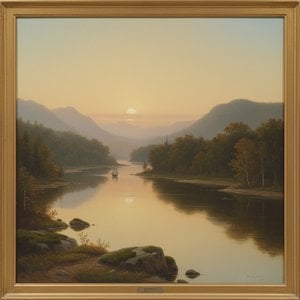
David Johnson: A Luminist Master of the Hudson River School & Beyond
Explore the captivating landscapes of David Johnson, a key figure in the Hudson River School & Luminism movement. Discover his artistic evolution, legacy, and how to collect his works with ArtsDot.

The Sublime Landscape: Exploring the Hudson River School Movement
Explore the captivating world of the Hudson River School! Discover the history, artists, and defining characteristics of this iconic American art movement. Learn about Romanticism's influence & find inspiration for your collection.

ハドソン・リバー派を彩る至宝:10選が示すアメリカ絵画の黄金時代
ハドソン・リバー派の至宝10選を紐解き、アメリカ絵画の黄金時代へ。壮大な自然描写と巨匠たちの技が織りなす感動の世界を体験してください。トーマス・コールからチャーチまで、ArtsDot.comで高品質なアートプリントとインテリアアイデアを見つけましょう。
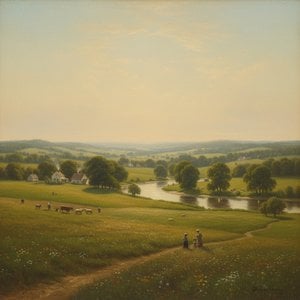
Thomas Worthington Whittredge: Capturing the American Pastoral Ideal with Luminist Light
Explore the luminous landscapes of Thomas Worthington Whittredge, a key figure in the Hudson River School and master of Luminism. Discover his captivating paintings & legacy with ArtsDot.