
- ホーム

- 油絵の複製画
- メロッツォ・ダ・フォルリ
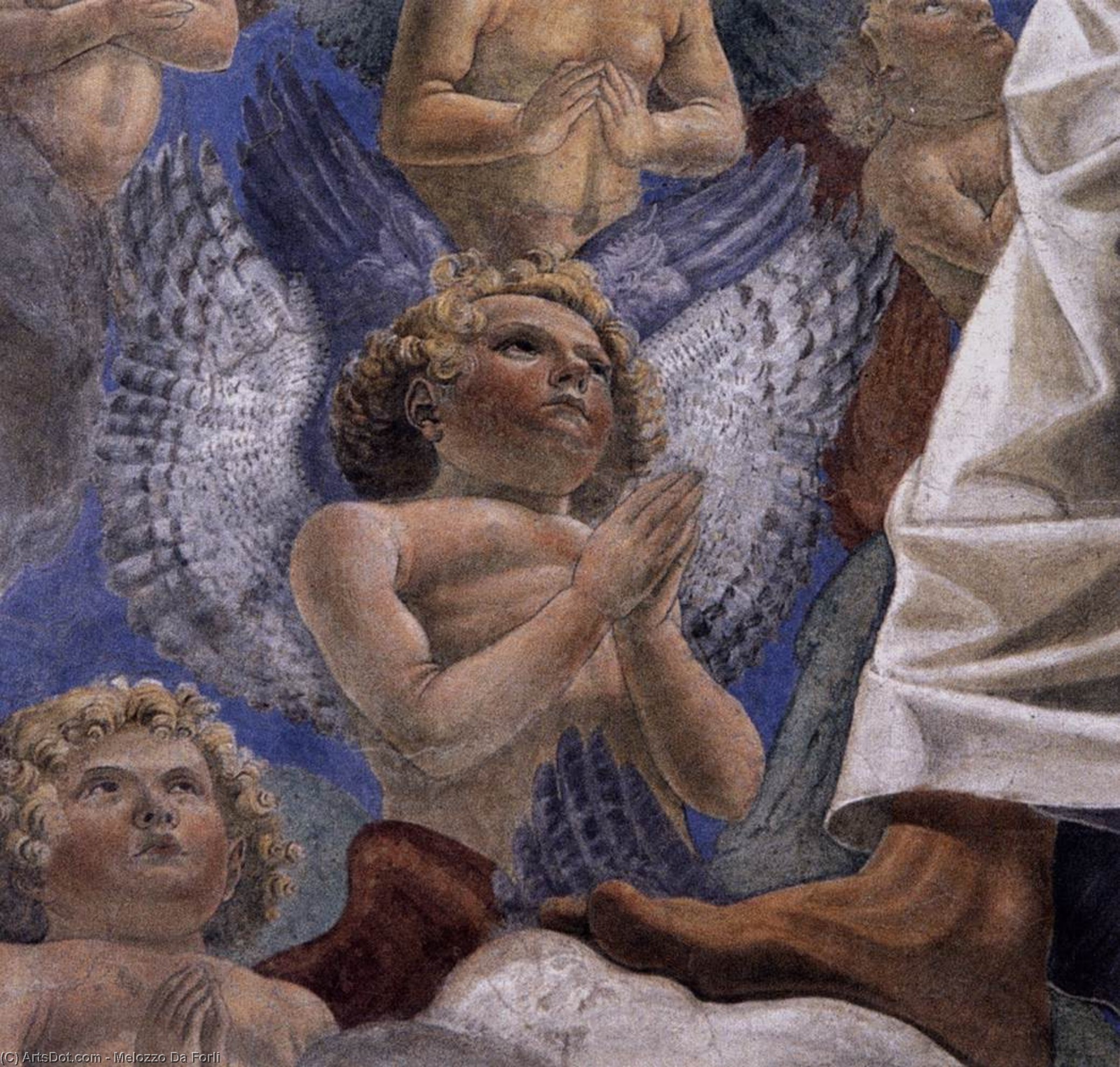
- Triumphant Christ (detail)
 プリントを購入
 シェアする
シェアする シェアする
シェアする
 Details

 ダウンロード
 似ている作品
 X-Ray
X-Ray スライドショー
Triumphant Christ (detail)






P118B $10

P118H $10

P118W $10

P438Z $10

P508JH $12

P508YH $12

P805H $10

P805Z $10

P919BZ $10

P919G $10

P919XJ $10

P959ZH $10

P968JZ $12

W106C $8

W218G $10

W218JH $8

W218Y $10

W307PJ $10

W316G $10

W316PJ $8

W316Y $10

W398PJ $8

W4111J $10

W500HY $15

W500JH $15

W692G $12

W849H $8

W940BG $15

W953PJ $8




 続きを読む
続きを読む作品のオリジナル比率に合わせた、当店の規定サイズからお選びください。

特定のフレームやスペースに合わせて、ご希望のサイズをご入力いただけます。選択されたサイズが元の画像の比率と異なる場合、アートワークをトリミングするか、手描きで要素を追加して絵画を拡張いたします。デジタルモックアップ を制作し、制作開始前にご確認(承認)をいただきます。
画面上のプレビューは、実際のトリミングや拡張を正確に反映しているものではありません。最終的な構図は、モックアップによってのみ正確にご確認いただけます。
カスタムサイズもご利用いただけますが、元の比率を維持するためには、あらかじめ用意されたリストからサイズを選択することをお勧めいたします。
ご注文後、ArtsDot.com チームより詳細な指示をお送りするとともに、仕上がりイメージ(モックアップ)をご提供いたします。


 ガラスオプションは、110cm未満のサイズでのみご利用いただけます。

Triumphant Christ (detail)
複製技法
複製画のサイズ
-


合計金額
-
作品解説
Melozzo da Forlì: The Enigmatic Visionary of Forlì – A Pioneer of Renaissance Perspective
The name Melozzo da Forlì—born around 1438 in the Tuscan city famed for its artistic heritage—continues to fascinate art historians. Despite a tragically brief life concluding in November 1494, his contribution to the burgeoning Renaissance aesthetic was monumental, shaping the visual language of artists who would follow him, notably Raphael and Andrea Mantegna. Precise details concerning his formative years remain elusive; scholarly consensus suggests he descended from a wealthy family named Ambrosi, receiving his initial artistic training within the influential Forlivese school—a milieu deeply impacted by Mantegna’s groundbreaking explorations of linear perspective. Some accounts hint at humble beginnings as a journeyman color-grinder, an experience that undoubtedly instilled in him a profound understanding of pigment and materiality – skills he would later translate into breathtaking fresco cycles.A Masterstroke of Spatial Illusion: Examining “Triumphant Christ”
The painting under scrutiny—a detail from Melozzo’s monumental “Triumphant Christ”—offers an unparalleled glimpse into the revolutionary techniques championed by Forlì's artistic vanguard. Executed circa 1481, this fresco resides within the Cappella Maggiore of San Francesco in Assisi, a site already imbued with spiritual significance due to its association with Saint Francis—a figure whose devotion to simplicity and humility profoundly resonated throughout Europe. Melozzo’s masterful manipulation of linear perspective isn't merely decorative; it serves as an instrument for conveying theological depth. Observe how the orthogonals converge towards a vanishing point, creating an illusion of three-dimensionality that transcends the confines of two-dimensional surface. This deliberate distortion—a hallmark of Mantegna’s influence—forces viewers to actively engage with the image, prompting contemplation on themes of ascension and divine grace.Symbolism Woven into Light and Shadow
Beyond its technical prowess, “Triumphant Christ” is replete with symbolic resonance. The radiant aureole encircling Christ’s head symbolizes divinity—a visual shorthand for conveying spiritual majesty. Furthermore, the carefully orchestrated interplay of light and shadow contributes to the painting's emotive power. Light emanates from above, illuminating Christ’s figure while casting dramatic shadows across the drapery—creating a palpable sense of depth and dynamism. These artistic choices align seamlessly with Renaissance humanist ideals, reflecting an interest in capturing human emotion and conveying moral truths through visual representation. The angels depicted flanking Christ embody divine protection and proclaim God's triumph over evil—a message central to Christian iconography throughout history.Influence Beyond Assisi: Shaping the Artistic Landscape of Italy
Melozzo’s innovative approach to fresco technique extended far beyond the Cappella Maggiore, impacting numerous commissions across Italy during his lifetime. His collaboration with Raphael on the frescoes adorning Palazzo Vecchio in Florence exemplifies the dissemination of Renaissance perspective—a testament to Melozzo's enduring legacy as a pivotal figure in artistic innovation. Artists like Andrea Mantegna recognized and embraced Melozzo’s pioneering vision, solidifying Forlì’s position as a crucible of artistic experimentation. His influence can be discerned in subsequent generations of painters who sought to emulate the grandeur and psychological complexity achieved by masters such as Melozzo da Forlì—a testament to his enduring contribution to the history of art.A Legacy Enduring Through Reproduction
Today, high-quality reproductions of “Triumphant Christ” continue to inspire collectors and interior designers alike. ArtsDot.com offers exceptional prints that faithfully capture the painting’s luminous palette and intricate textural details—allowing admirers worldwide to experience Melozzo da Forlì's masterpiece in their own homes. Examining this seminal artwork unveils not only a triumph of Renaissance artistry but also a profound meditation on faith, beauty, and the enduring power of visual storytelling.関連作品


アーティストの略歴
フォルリの謎めいた先見者:メロッツォ・ダ・フォルリとルネサンス遠近法の黎明
1438年頃、イタリアの活気あふれる都市フォルリに生を受けたメロッツォ・ダ・フォルリは、ルネサンスの巨匠たちの系譜において、どこか捉えどころのない存在として語り継がれています。その生涯は1494年11月に幕を閉じるまでのわずか56年間でしたが、遠近法の発展とフレスコ技法に与えた影響は極めて深く、ラファエロやアンドレア・マンテーニャといった後世の世代にまでその足跡を残しました。彼の幼少期に関する詳細は乏しく、アンブロージという裕福な家系に生まれたとされていますが、初期の芸術的訓練はフォルリ派の流儀の中で受け、アンドレア・マンテーニャの影響を強く受けたアンスイーノ・ダ・フォルリのような人物によって形作られた様式を吸収していったと考えられています。中には、彼が職人や顔料をすり潰す者という謙虚な立場から出発し、名声を得るまでの間に実地経験を通じて技を磨いたと示唆する記録さえあります。1460年と1464年にフォルリでの活動が記録されていることは、勃興するルネサンスの舞台へと彼が徐々に姿を現していった初期の痕跡といえるでしょう。ローマ、ウルビーノ、そして錯覚の極致
1472年から1474年頃、メロッツォのキャリアはローマへと向かいました。そこで彼はアントニアンツォ・ロマーノと協力し、サンティ・アポストリ聖堂内のベッサリオーネ礼拝堂のフレスコ画を手掛けます。この依頼は彼の転機となり、教皇庁が置かれた都市の芸術的な熱気に触れることで、その名声を確固たるものにしました。しかし、彼の芸術的進化を真に燃え上がらせたのは、おそらく1465年から1辺74年の間に行われたウルビーノへの滞在でした。人文主義者であり美術収集家としても名高い公爵フェデリコ・ダ・モンテフェルトロの庇護の下、メロッツォはピエロ・デラ・フランチェスカの画期的な作品に出会ったのです。ピエロが追求した緻密な遠近法、静謐な構図、そして光り輝く色彩感覚は、メロッツォの様式に消えることのない刻印を残しました。また、彼はブラマンテと共に建築学的研究に没頭し、公爵に仕えたフランドル絵画師たちの技法を観察することで、その芸術的視野をさらに広げていきました。この時期、彼の才能は開花し、現在はヴァチカン・ピナコテカに収蔵されている『教皇シクストゥス4世によるプラティナへの司書任命』(1477年頃)や、ジローラモ・リアリオの依頼によるアルテンプス宮殿の設計など、ローマにおける重要な作品を生み出しました。1478年に設立されたサン・ルカアカデミーへの参加は、ローマの芸術的エリートとしての彼の地位をさらに強固なものにしました。そしてこの時期、メロッツォは自身の代名詞となる短縮法(フォアショートニング)の驚異的な習熟を見せ始めます。その技法は、現在は断片となっているサンティ・アポストリ聖堂の『キリスト昇天』のフレスコ画において最も顕著に示され、当時の人々を魅了し、後の世代に深い影響を与えることとなりました。ロレート、継承される影響、そしてローマでの晩年 1484年にシクストゥス4世が崩御した後、メロッツォはロレートへと移り、サンタ・カーサ聖堂内のサン・マルコ聖堂礼拝堂のドーム画の依頼を受けました。この作品は間違いなく彼の最も輝かしい業績といえます。錯覚的な遠近法と建築的細部が見事に融合した息を呑むような表現は、ピエトロ・ダ・コルトーナや、マントヴァにあるアンドレア・マンテーニャの傑作『婚礼の間』といった芸術家たちに多大な影響を与えました。天へと昇るかのような人物像と説得力のある空間的奥行きを持つダイナミックな構図は、当時としては稀に見る技術水準を示していました。1489年、メロッツォは再びローマに戻り、サンタ・エレナ礼拝堂のモザイク画のための下絵(カルトン)制作に従事します。彼の芸術的な多才さは宗教的主題に留まりませんでした。フォルリに残された唯一の世俗的な作品である「ペスタペペ」のフレスコ画は、食料品商を描いており、写実性と人物描写に対する鋭い眼差しを露わにしています。晩年、彼は再び故郷フォルリへと戻り、1494年11月の早すぎる死を迎える直前まで、マルコ・パルメッツァーノと共にフェオ礼拝堂の装飾に携わっていました。
遠近法と革新が定義する遺産
メロッツォ・ダ・フォルリの芸術的意義は、主に遠近法の先駆的な使用、特に短縮法の活用にあります。それによって彼のフレスコ画には、かつてないほどの奥行きとリアリズムが吹き込まれました。彼は単に現実を模倣していたのではありません。壁の上に新たな現実を構築し、見事な錯覚表現を用いることで、鑑賞者をその情景の中へと引き込んでいたのです。その影響は盛期ルネサンスの最も著名な芸術家たちにまで及び、ラファエロとドナート・ブラマンテの両者が彼の作品を熱心に研究し、その技法を吸収して自らの傑作へと取り入れました。メロッツォとアンドレア・マンテーニャの様式的な繋がりも明白であり、イタリア・ルネサンスにおける共通の芸術的系譜を反映しています。さらに、彼はマルコ・パルメッツァーノの師として、自身の革新的な様式が死後も繁栄し続けることを確かなものにしました。メロッツォがフレスコ画にもたらした貢献は、単なる技術的なものにとどまらず、変革的なものでした。 彼は表現の限界を押し広げ、後の数世紀における芸術的達成への道を切り拓いたのです。観察力と革新性、そしてルネサンス芸術の不朽の遺産を象徴する存在として、彼の作品は今もなお私たちを魅了し、インスピレーションを与え続けています。
メロッツォ・ダ・フォルリ
1438 - 1494
基本情報
- Artistic Movement Or Style: 初期ルネサンス
- Artists Or Movements Influenced By This Artist:
- ラファエロ
- マルコ・パルメッツァーノ
- アンドレア・マンテーニャ
- Artists Who Influenced This Artist:
- アンドレア・マンテーニャ
- ピエロ・デッラ・フランチェスカ
- Date Of Birth: 1438年頃
- Date Of Death: 1494年
- Full Name: メロッツォ・ダ・フォルリ
- Nationality: イタリア
- Notable Artworks:
- プラティナを司書に任命する教皇シクストゥス4世
- サン・マルコの聖具室の眺め
- ペスタペペ
- Place Of Birth: イタリア、フォルリ
関連記事

Antonio da Correggio: Innovation, Illusionism & the Poetics of Grace in Renaissance Painting
Explore the revolutionary art of Antonio da Correggio, a master of Renaissance illusionism and chiaroscuro. Discover his frescoes, mythological paintings & lasting influence on Baroque art. Expert analysis & key works featured.


Veiled Distances: Exploring Atmospheric Perspective in Painting – Techniques, History & Emotional Resonance
Explore the art of atmospheric perspective! Discover historical techniques, scientific principles & practical tips for creating depth & mood in your paintings. Learn from masters like da Vinci and elevate your artwork.

The Enduring Legacy of Fresco Painting: Techniques, History & Contemporary Relevance
Explore the rich history & enduring artistry of fresco painting – from Giotto to Michelangelo! Discover techniques, conservation efforts, & modern applications. Learn how ArtsDot brings this timeless art form to your home.

Paolo Uccello: Pioneering Perspective & the Renaissance Pursuit of Visual Truth
Explore the revolutionary art of Paolo Uccello, a Florentine Renaissance master who pioneered perspective. Discover his iconic paintings like 'St. George & The Dragon' and learn about his lasting influence on art history.

Andrea del Sarto: Florentine Grace, Technical Mastery & Artistic Ambition
Explore the life & art of Andrea del Sarto, a Florentine Renaissance master renowned for harmonious compositions & technical brilliance. Discover his frescoes, portraits, and lasting influence on art history.

