

 プリントを購入
 シェアする
シェアする シェアする
シェアする
 詳細を見る
詳細を見る

 ダウンロード
 似ている作品
 X線
X線 スライドショー
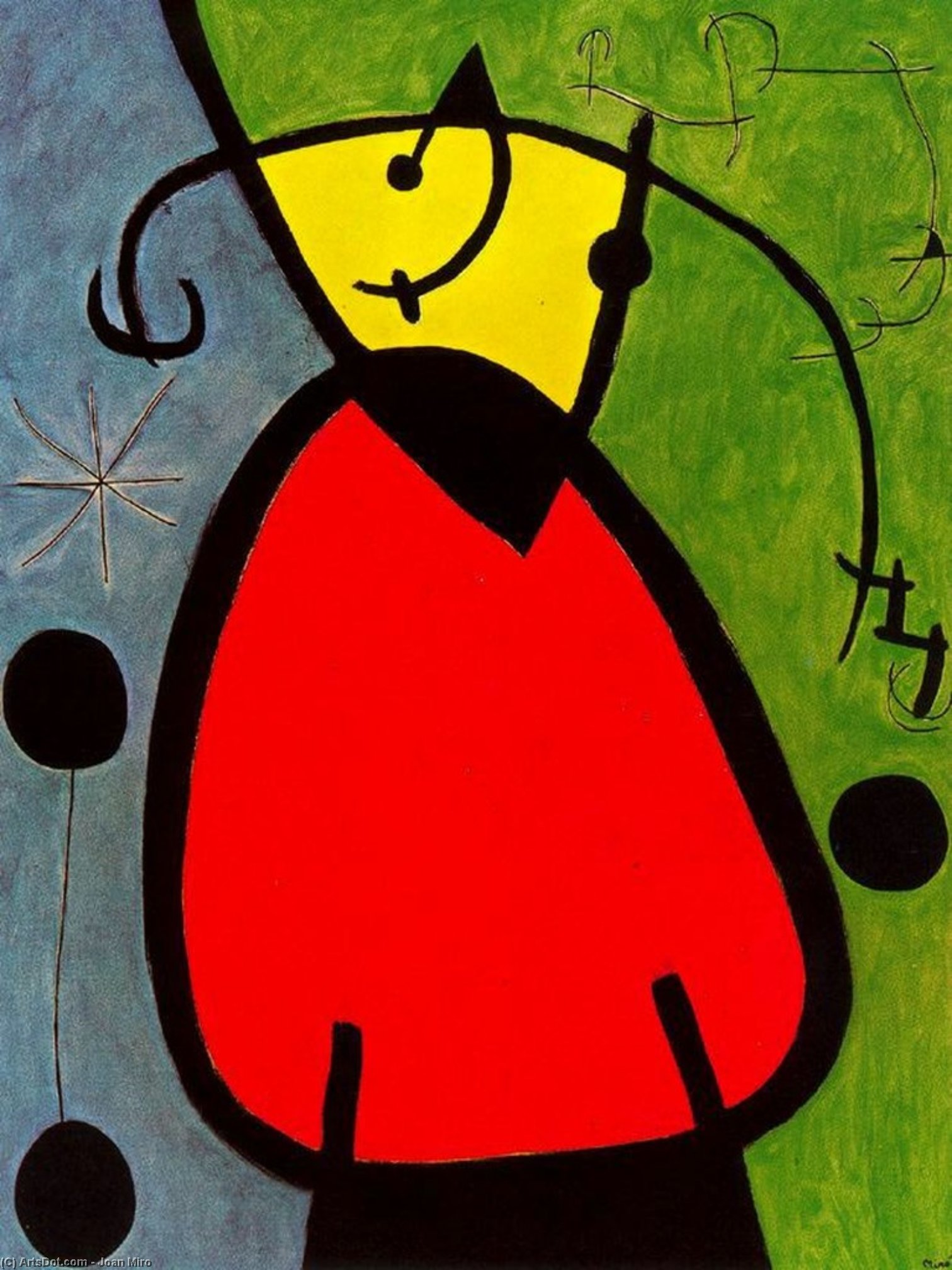
El nacimiento del día


 詳細を見る
詳細を見る




P118B $10

P118H $10

P118W $10

P438Z $10

P508JH $12

P508YH $12

P805H $10

P805Z $10

P919BZ $10

P919G $10

P919XJ $10

P959ZH $10

P968JZ $12

W106C $8

W218G $10

W218JH $8

W218Y $10

W307PJ $10

W316G $10

W316PJ $8

W316Y $10

W398PJ $8

W4111J $10

W500HY $15

W500JH $15

W692G $12

W849H $8

W940BG $15

W953PJ $8




作品のオリジナル比率に合わせた、当店の規定サイズからお選びください。

特定のフレームやスペースに合わせて、ご希望のサイズをご入力いただけます。選択されたサイズが元の画像の比率と異なる場合、アートワークをトリミングするか、手描きで要素を追加して絵画を拡張いたします。デジタルモックアップ を制作し、制作開始前にご確認(承認)をいただきます。
画面上のプレビューは、実際のトリミングや拡張を正確に反映しているものではありません。最終的な構図は、モックアップによってのみ正確にご確認いただけます。
カスタムサイズもご利用いただけますが、元の比率を維持するためには、あらかじめ用意されたリストからサイズを選択することをお勧めいたします。
ご注文後、ArtsDot.com チームより詳細な指示をお送りするとともに、仕上がりイメージ(モックアップ)をご提供いたします。


 ガラスオプションは、110cm未満のサイズでのみご利用いただけます。

El nacimiento del día
複製技法
複製画のサイズ
-


合計金額
-
作品解説
A Dreamscape of Catalan Identity
Joan Miró’s “El nacimiento del día” (The Birth of the Day), painted in 1925, isn't merely a visual representation; it’s an immersion into the artist’s deeply personal and profoundly symbolic world. Emerging from the fertile ground of Surrealism while retaining a distinctly Catalan core, this oil painting pulsates with a vibrant energy that belies its deceptively simple composition. Miró, grappling with questions of identity, memory, and the subconscious, created a work that feels both childlike in its spontaneity and intensely complex in its layered meanings. The scene unfolds within a luminous, almost dreamlike space—a field bathed in an ethereal green light, punctuated by bursts of scarlet and gold. At its heart stands a figure, clad in a striking red coat adorned with yellow accents, holding aloft a pair of scissors. This isn’t a portrait of a specific person but rather a distillation of Miró's own experiences, emotions, and the spirit of his homeland.
The painting’s genesis lies within Miró’s formative years in Catalonia, a region steeped in tradition yet perpetually yearning for artistic expression. Influenced by the organic forms of Antoni Gaudí’s architecture and the rich folklore of his native land, Miró sought to capture the essence of Catalan identity—its resilience, its passion, and its inherent contradictions—within his art. “El nacimiento del día” can be interpreted as a visual metaphor for this process of creation, a symbolic representation of the birth of a new era or a fresh perspective. The scissors themselves are particularly intriguing; they suggest both the act of cutting away the old and the potential to shape something entirely new.
A Symphony of Color and Form
Miró’s technique is characterized by its bold, expressive brushstrokes and an unapologetic embrace of abstraction. He eschewed meticulous realism in favor of a more intuitive approach, allowing color and form to communicate directly with the viewer's emotions. The dominant hues—vibrant greens, fiery reds, and shimmering golds—create a dynamic visual rhythm that draws the eye across the canvas. Scattered throughout the scene are numerous stars, rendered in delicate white strokes, adding an element of wonder and suggesting a connection to the cosmos. These aren’t simply decorative elements; they represent Miró's fascination with mythology, folklore, and the mysteries of the universe.
The figure at the center is deliberately ambiguous, its features simplified and almost childlike. This deliberate lack of specificity allows viewers to project their own interpretations onto the image, fostering a sense of personal connection. The composition itself—a flattened perspective, asymmetrical arrangements, and a playful disregard for conventional spatial relationships—further contributes to the painting’s dreamlike quality. Miró masterfully employs these techniques to create an atmosphere of both tranquility and excitement, inviting the viewer to lose themselves in the depths of his imagination.
A Legacy Preserved: Reproduction and Artistic Context
The Fundació Joan Miró in Barcelona, a cornerstone of the artist’s legacy, houses a comprehensive collection of Miró's works, including “El nacimiento del día.” This museum provides invaluable insight into his artistic journey and the cultural context that shaped his vision. Miró’s collaboration with ceramist Joan Gardy Artigas further enriched his creative process, resulting in a shared exploration of symbolism and form. The painting exemplifies Miró’s ongoing dialogue with Surrealism while firmly establishing his unique artistic voice.
For those seeking to experience the captivating beauty of “El nacimiento del día” firsthand, ArtsDot.com offers meticulously crafted oil painting reproductions that faithfully capture the original's vibrant colors and expressive brushstrokes. Each reproduction is created by skilled artists who have a deep appreciation for Miró’s work, ensuring that every detail—from the delicate stars to the bold red coat—is rendered with precision and care. These reproductions are not merely copies; they are artistic interpretations that honor Miró's legacy while bringing his visionary world into your home.
- Joan Miró: El nacimiento del día
- Victor Vasarely: Sphere
- Joan Miró: Pájaro en la noche
- Joan Miró: Tirador in the Arc
A Window into a Master’s Soul
“El nacimiento del día” is more than just a painting; it's a portal to the inner world of Joan Miró—a testament to his boundless imagination, his deep connection to Catalonia, and his unwavering commitment to artistic innovation. Whether you are an art enthusiast, a collector seeking a unique addition to your collection, or simply someone who appreciates beauty and symbolism, this masterpiece offers a profound and unforgettable experience.
関連作品


アーティストの略歴
カタルーニャの visionary: ホアン・ミロの生涯と芸術
ホアン・ミロ・イ・フェラーは、1893年4月20日にバルセロナで生まれ、20世紀美術における最も重要な人物の一人として知られています。彼の芸術的探求は単なる様式変遷ではなく、夢、記憶、そしてカタルーニャのアイデンティティを独自の詩的な視覚言語を通してキャンバスに翻訳する内面の世界の探求でした。幼少期には病気と親からの芸術への取り組みに対する当初の躊躇がありましたが、彼は目に見えないものを表現するという生まれつきの衝動によって推進され、粘り強く努力しました。バルセロナの伝統に浸された彼の初期の人生は、アントニ・ガウディのおかげで建築的な驚異にあふれた都市であり、ミロの後の抽象化に微妙な影響を与えました。父親の金細工職人としての経験は、緻密な職人技への感謝を育み、一方、険しいカタルーニャの風景は彼のキャリアを通して繰り返されるモチーフとインスピレーションの源となりました。アバンギャルドへの目覚めとシュルレアリスムとの出会い
ミロの正式な芸術的訓練はバルセロナのラ・リョットヤで始まり、伝統的な技術を磨きました。しかし、彼を真に創造的に進化させたのは、パリを席巻したアバンギャルド運動への接触でした。 Fauvism の鮮やかな色彩と Cubism の断片化された形態が深く共鳴し、1920 年に彼をパリへと駆り立てました。この時期は画期的であり、彼はパブロ・ピカソに出会い、ますます抽象的な構成で実験を開始しました。しかし、ミロはこれらのスタイルを単に採用したのではなく、独自の独特の美学を築き上げました。彼は形態をその本質にまで蒸留し、表現主義的詳細を放棄して象徴的な形状と喚起する色彩に取って代わりました。この探求は彼を 1924 年にシュルレアリスムグループへと導きました。マックス・エルンストやサルバドール・ダリのような芸術家たちとの連携を通じて、彼は無意識へのシュルレアリストの関心を受け入れました。しかし、ミロは独自の感性を維持し、彼の作品は衝撃的なイメージやフロイト心理学的な象徴主義ではなく、遊び心のある形態と詩的な暗示の世界を創造することに重点を置いていました。象徴の言語:主要な作品と芸術的革新
1920 年代から 30 年代にかけて、ミロは鮮やかな色彩と簡略化された形状で特徴づけられる独自の視覚語彙を開発しました。しばしば彼の作品の礎石と考えられている『農場』(1922)は、この移行を体現しており、単なる田園生活の描写ではなく、カタルーニャのアイデンティティの喚起と自然界の象徴的な表現です。彼の協調的な精神は、セルゲイ・ディアギレフのバレエのために考案されたデザインでマックス・エルンストと共に先駆的に行った *グラタージュ* といった革新的な技術につながりました。 オランダのインテリア(1928) シリーズは、彼の現代的なレンズを通して旧様式を再解釈する能力を示し、家庭的なシーンを夢のような抽象化へと変えました。絵画 (1933) は、大胆な色彩と簡略化された形態で、ミロの無意識への探求と従来の芸術的境界線の拒絶を体現しています。絵画以外にも、ミロは陶芸や版画など、さまざまなメディアに果敢に挑戦し、創造的な地平線を広げ、目覚ましい多才さを示しました。遺産と永続的な影響
ホアン・ミロの 20 世紀美術への影響力は否定できません。彼は単なる画家ではなく、芸術的表現そのものを定義に挑戦した先見の明のある人物でした。彼の作品は抽象表現主義への道を開き、現在もさまざまな分野のアーティストにインスピレーションを与え続けています。彼はバルセロナのホアン・ミロ財団(1975 年)とパルマ・デ・マヨルカのピラール・イ・ホアン・ミロ財団(1981 年)という 2 つの財団を設立し、彼の遺産が永続することを保証し、芸術的探求と教育のためのスペースを提供しました。彼の長いキャリアを通して、彼は境界線を押し広げ、慣習に疑問を投げかけ、人間の想像力の深さを探求することへの献身を維持していました。ミロの芸術は抽象化、象徴主義、そして詩的な表現の力に対する証であり、人生、夢、そしてカタルーニャ文化の不朽の精神を祝う鮮やかな賛歌です。彼の作品は今日でも世界中の聴衆に共鳴し、あらゆるものが可能で、現実と幻想の境界線が魅惑的な色彩と形態のダンスの中でぼやけていく世界へと私たちを誘います。
ジョアン・ミロ
1893 - 1983 , スペイン
基本情報
- フルネーム: ジョアン・ミロ・イ・フェラー
- 主な作品:
- ザ・ファーム
- オランダの室内
- 絵画
- 出身地: バルセロナ、スペイン
- 国籍: スペイン
- 影響を与えたアーティストまたは運動:
- シュルレアリスム
- 抽象表現主義
- 影響を受けたアーティスト:
- パブロ・ピカソ
- セザンヌ
- 死亡年月日: 1983年12月25日
- 生年月日: 1893年4月20日
- 芸術運動またはスタイル: シュルレアリスム、抽象芸術
関連記事

カジミール・マレーヴィチ:至高の25選 - 抽象芸術の革命とホームデコレーション
カジミール・マレーヴィチの至高の25選。シュプレマティズムを代表する「ブラックスクエア」をはじめ、抽象芸術の革命的作品群を紐解きます。ロシア構成主義からミニマリズムまで、美術史に輝く傑作をArtsDot.comで。高品質なアートプリントとホームデコレーションの世界へ。今すぐコレクションをご覧ください。
André Masson: Automatism, Surrealism & Primal Expression in 20th-Century Art
Explore the revolutionary art of André Masson – pioneer of automatism & Surrealist expression. Discover his powerful imagery, innovative techniques, and lasting influence on modern art. Learn more at ArtsDot.
マックス・エルンスト傑作25選:シュルレアリスムの深淵と装飾への誘い
マックス・エルンストの傑作25選。シュルレアリスムを代表する画家、その夢と無意識の世界を描いた絵画や版画を紐解きます。リビングやオフィスに飾るモダンアート、インテリアに最適な作品を見つけませんか?ArtsDot.comで全コレクションをオンラインで探す。

ジョアン・ミロ傑作25選:夢と色彩が織りなす芸術の世界|ArtsDot
ジョアン・ミロの傑作25選🎨 シュルレアリスムを代表する巨匠、ミロの世界へ。色彩と象徴に満ちた絵画の物語を紐解き、インテリアアートのインスピレーションを得ましょう。ArtsDotで高品質なアートプリントをお探しください✨

至高の芸術:シュルレアリスムを象徴する10選 - 鑑賞と空間演出への誘い
ダリ、マグリット…シュルレアリスムを代表する10選を紐解く。夢と無意識の世界へ誘う傑作の裏側を徹底解説。空間に彩りを添える、至高のアートプリントを見つけませんか?ArtsDot.comでコレクションを探索しよう。



