

 設置イメージを表示
 シェアする
シェアする シェアする
シェアする
 詳細を見る
詳細を見る ガイドを表示

 ダウンロード
 似ている作品
 X線調査
X線調査 スライドショーを表示
 Q&A
Q&A 統計情報
統計情報Corrida de toros

 詳細を表示
詳細を表示
このページに掲載されている作品は著作権法によって保護されており、当社の許可なく同一の複製物を制作または販売することは法律で禁じられています。この保護は、以下のような国際条約に基づき執行されます。 ベルヌ条約 および、以下の条項に定められたものを含む各国の法律により、 米国著作権法 第17編。
この手法は、著作権で保護された作品の複製や複写を伴わないため、著作権法に完全に準拠しています。これは単なる模倣ではなく、創造的な再解釈です。元の作品からインスピレーションを受けつつも、それとは異なる、全く新しい絵画を生み出すものです。
ジークレー/アートプリント
スピーディーな制作と多彩な仕上げオプションが魅力の、ミュージアムクオリティなジークレー・キャンバスプリント。 ( 手描き複製画を注文する デジタル画像販売へ切り替え)




P118B ¥10

P118H ¥10

P118W ¥10

P438Z ¥10

P508JH ¥12

P508YH ¥12

P805H ¥10

P805Z ¥10

P919BZ ¥10

P919G ¥10

P919XJ ¥10

P959ZH ¥10

P968JZ ¥12

W106C ¥8

W218G ¥10

W218JH ¥8

W218Y ¥10

W307PJ ¥10

W316G ¥10

W316PJ ¥8

W316Y ¥10

W398PJ ¥8

W4111J ¥10

W500HY ¥15

W500JH ¥15

W692G ¥12

W849H ¥8

W940BG ¥15

W953PJ ¥8




作品のオリジナル比率に合わせた、当店の規定サイズからお選びください。

額縁や壁のスペースに合わせて、ご希望の幅と高さを入力してください。プリントはカットすることは可能ですが、元の画像より大きくすることはできないため、異なる比率のサイズを選択された場合は、画像の一部が欠けることになります。印刷を開始する前に、内容を確認していただくためのデジタルモックアップをお送りいたします。このページに表示されている画像は、実際のカット後の状態を示すものではありません。実際の仕上がりはモックアップにてご確認ください。


 ガラスオプションは、110cm未満のサイズでのみご利用いただけます。

Corrida de toros
ジークレー/アートプリント
複製画サイズ一覧
-


合計金額
¥ 9963
The Raw Energy of the Arena: Joan Miró’s “Corrida de Toros”
Joan Miró's "Corrida de Toros" (Bullfight) isn’t merely a depiction of a traditional Spanish spectacle; it’s an intensely personal and profoundly evocative exploration of primal instincts, Catalan identity, and the subconscious. Painted in 1967, this vibrant canvas explodes with a chaotic yet strangely harmonious blend of color and form – a visual embodiment of the artist's unique worldview. The dominant yellow background immediately establishes a sense of heightened drama, reminiscent of both the sun-drenched landscapes of Catalonia and the theatricality of the bullring itself. It’s a field primed for explosive action, mirroring the emotional intensity at the heart of the subject.
The central figure, a colossal black lion, dominates the composition with an almost unsettling dynamism. Miró doesn't offer a realistic portrayal; instead, he distorts and exaggerates the animal’s musculature, imbuing it with a palpable sense of movement – as if poised to charge or already in full pursuit. This isn’t a celebration of brute strength but rather a suggestion of the lion’s inherent power and untamed spirit. Scattered around this central drama are smaller, fragmented figures: a solitary, almost mournful face peeks out from the top left corner, while another appears on the right side, seemingly observing the unfolding scene with detached curiosity. These elements contribute to the painting's dreamlike quality, hinting at deeper narratives and psychological states.
A Catalan Soul Illuminated: Miró’s Artistic Roots
To understand “Corrida de Toros,” it’s crucial to delve into the context of Joan Miró’s life and artistic development. Born in Barcelona in 1893, Miró was deeply rooted in Catalan culture – a region renowned for its vibrant traditions, distinctive architecture (particularly the fantastical creations of Antoni Gaudí), and fiercely independent spirit. This regional identity profoundly influenced his work, manifesting itself through recurring motifs like the Catalan peasant, the landscape, and elements of traditional folklore. The painting’s frenetic energy and symbolic language are directly linked to this deep connection to his homeland.
Miró's artistic journey was marked by experimentation and a constant rejection of established conventions. He initially studied business but abandoned it after a nervous breakdown, dedicating himself entirely to art. His early work drew inspiration from Fauvism and Cubism, absorbing the bold colors and fragmented forms of these movements while simultaneously forging his own distinct style. “Corrida de Toros” exemplifies this process – retaining elements of Surrealism (evident in the dreamlike imagery and distorted figures) while firmly establishing Miró’s unique visual language. The influence of Joaquim Miró i Argenter, a Luminist painter known for his evocative depictions of the Mediterranean coast, can also be detected in the painting's use of light and color.
Symbolism and the Unconscious: Decoding the Visual Language
Beyond its immediate visual impact, “Corrida de Toros” is rich with symbolic meaning. The recurring presence of eyes – one at the top center, another in the middle-left, and a third in the lower right – suggests an element of surveillance or judgment, perhaps reflecting the anxieties and uncertainties inherent in the spectacle of the bullfight. The lion itself can be interpreted as representing both power and vulnerability, embodying the dualities of life and death, aggression and instinct. The scattered figures may symbolize the diverse audience members witnessing the event, each with their own perspectives and emotions.
Miró’s deliberate use of abstraction – reducing recognizable forms to their essential elements – invites viewers to engage actively in interpreting the painting's meaning. It’s a work that resists easy categorization, prompting contemplation about themes such as tradition, violence, identity, and the power of the subconscious. The vibrant colors and dynamic composition contribute to an overall sense of heightened emotion, capturing the raw energy and dramatic intensity of the bullfight while simultaneously hinting at its underlying psychological complexities.
A Timeless Masterpiece: Reproduction Possibilities
ArtsDot offers meticulously crafted hand-painted reproductions of Joan Miró’s “Corrida de Toros,” allowing you to bring this iconic artwork into your home or office. Our skilled artists carefully replicate the original's vibrant colors, dynamic composition, and symbolic depth, ensuring a faithful representation of Miró’s artistic vision. Available in various sizes and mediums – from fine art canvas to archival prints – our reproductions provide an exceptional opportunity to own a piece of art history. Explore our selection today and experience the captivating power of “Corrida de Toros” firsthand.
Q&A
「Corrida de toros」の作者は?
「Corrida de toros」はジョアン・ミロによる作品です。このページでは、ジョアン・ミロのオリジナル作品についてご紹介しています。
「Corrida de toros」の色使いは、鮮やかでしょうか、それとも淡い感じでしょうか?
ジョアン・ミロ作「Corrida de toros」は、Vividな色彩の強さを備えています。
ジョアン・ミロ作「Corrida de toros」の色使いは、作品の感情とどのように結びついているのでしょうか?
「Corrida de toros」では、Pastelsの色調がMysteriousな情緒を添えています。
関連作品


作家プロフィール
カタルーニャの visionary: ホアン・ミロの生涯と芸術
ホアン・ミロ・イ・フェラーは、1893年4月20日にバルセロナで生まれ、20世紀美術における最も重要な人物の一人として知られています。彼の芸術的探求は単なる様式変遷ではなく、夢、記憶、そしてカタルーニャのアイデンティティを独自の詩的な視覚言語を通してキャンバスに翻訳する内面の世界の探求でした。幼少期には病気と親からの芸術への取り組みに対する当初の躊躇がありましたが、彼は目に見えないものを表現するという生まれつきの衝動によって推進され、粘り強く努力しました。バルセロナの伝統に浸された彼の初期の人生は、アントニ・ガウディのおかげで建築的な驚異にあふれた都市であり、ミロの後の抽象化に微妙な影響を与えました。父親の金細工職人としての経験は、緻密な職人技への感謝を育み、一方、険しいカタルーニャの風景は彼のキャリアを通して繰り返されるモチーフとインスピレーションの源となりました。アバンギャルドへの目覚めとシュルレアリスムとの出会い
ミロの正式な芸術的訓練はバルセロナのラ・リョットヤで始まり、伝統的な技術を磨きました。しかし、彼を真に創造的に進化させたのは、パリを席巻したアバンギャルド運動への接触でした。 Fauvism の鮮やかな色彩と Cubism の断片化された形態が深く共鳴し、1920 年に彼をパリへと駆り立てました。この時期は画期的であり、彼はパブロ・ピカソに出会い、ますます抽象的な構成で実験を開始しました。しかし、ミロはこれらのスタイルを単に採用したのではなく、独自の独特の美学を築き上げました。彼は形態をその本質にまで蒸留し、表現主義的詳細を放棄して象徴的な形状と喚起する色彩に取って代わりました。この探求は彼を 1924 年にシュルレアリスムグループへと導きました。マックス・エルンストやサルバドール・ダリのような芸術家たちとの連携を通じて、彼は無意識へのシュルレアリストの関心を受け入れました。しかし、ミロは独自の感性を維持し、彼の作品は衝撃的なイメージやフロイト心理学的な象徴主義ではなく、遊び心のある形態と詩的な暗示の世界を創造することに重点を置いていました。象徴の言語:主要な作品と芸術的革新
1920 年代から 30 年代にかけて、ミロは鮮やかな色彩と簡略化された形状で特徴づけられる独自の視覚語彙を開発しました。しばしば彼の作品の礎石と考えられている『農場』(1922)は、この移行を体現しており、単なる田園生活の描写ではなく、カタルーニャのアイデンティティの喚起と自然界の象徴的な表現です。彼の協調的な精神は、セルゲイ・ディアギレフのバレエのために考案されたデザインでマックス・エルンストと共に先駆的に行った *グラタージュ* といった革新的な技術につながりました。 オランダのインテリア(1928) シリーズは、彼の現代的なレンズを通して旧様式を再解釈する能力を示し、家庭的なシーンを夢のような抽象化へと変えました。絵画 (1933) は、大胆な色彩と簡略化された形態で、ミロの無意識への探求と従来の芸術的境界線の拒絶を体現しています。絵画以外にも、ミロは陶芸や版画など、さまざまなメディアに果敢に挑戦し、創造的な地平線を広げ、目覚ましい多才さを示しました。遺産と永続的な影響
ホアン・ミロの 20 世紀美術への影響力は否定できません。彼は単なる画家ではなく、芸術的表現そのものを定義に挑戦した先見の明のある人物でした。彼の作品は抽象表現主義への道を開き、現在もさまざまな分野のアーティストにインスピレーションを与え続けています。彼はバルセロナのホアン・ミロ財団(1975 年)とパルマ・デ・マヨルカのピラール・イ・ホアン・ミロ財団(1981 年)という 2 つの財団を設立し、彼の遺産が永続することを保証し、芸術的探求と教育のためのスペースを提供しました。彼の長いキャリアを通して、彼は境界線を押し広げ、慣習に疑問を投げかけ、人間の想像力の深さを探求することへの献身を維持していました。ミロの芸術は抽象化、象徴主義、そして詩的な表現の力に対する証であり、人生、夢、そしてカタルーニャ文化の不朽の精神を祝う鮮やかな賛歌です。彼の作品は今日でも世界中の聴衆に共鳴し、あらゆるものが可能で、現実と幻想の境界線が魅惑的な色彩と形態のダンスの中でぼやけていく世界へと私たちを誘います。
ジョアン・ミロ
1893 - 1983 , スペイン
プロフィール概要
- フルネーム: ジョアン・ミロ・イ・フェラー
- 主な作品:
- ザ・ファーム
- オランダの室内
- 絵画
- 出身地: バルセロナ、スペイン
- 国籍: スペイン
- 影響を与えたアーティストまたは運動:
- シュルレアリスム
- 抽象表現主義
- 影響を受けたアーティスト:
- パブロ・ピカソ
- セザンヌ
- 死亡年月日: 1983年12月25日
- 生年月日: 1893年4月20日
- 芸術運動またはスタイル: シュルレアリスム、抽象芸術
関連記事

About Us
Discover our story! We bring world-class art into your life through expert curation, personalized creations, and free previews. Trusted by individuals and businesses since 2000.

ジョアン・ミロ傑作25選:夢と色彩が織りなす芸術の世界|ArtsDot
ジョアン・ミロの傑作25選🎨 シュルレアリスムを代表する巨匠、ミロの世界へ。色彩と象徴に満ちた絵画の物語を紐解き、インテリアアートのインスピレーションを得ましょう。ArtsDotで高品質なアートプリントをお探しください✨

ゴヤ傑作25選:スペインの魂を揺さぶる、深遠な芸術の世界 | ArtsDot
ゴヤ傑作25選:ロマン主義を代表するスペインの巨匠、フランシスコ・デ・ゴヤの世界へ。黒衣の女からマハまで、魂を揺さぶる絵画の物語と技法を紐解きます。ArtsDotで高品質なアートレプリカを見つけ、インテリアに深みと風格を。今すぐコレクションをご覧ください。
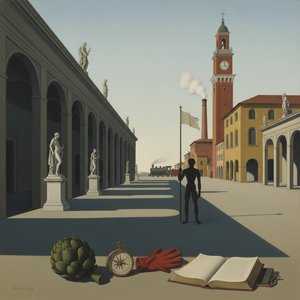
Giorgio de Chirico: Metaphysical Realities & the Poetics of Absence
Explore the captivating world of Giorgio de Chirico and his groundbreaking Metaphysical painting movement. Discover the philosophical depths & surreal imagery that influenced generations of artists. Learn more at ArtsDot.

至高の芸術:シュルレアリスムを象徴する10選 - 鑑賞と空間演出への誘い
ダリ、マグリット…シュルレアリスムを代表する10選を紐解く。夢と無意識の世界へ誘う傑作の裏側を徹底解説。空間に彩りを添える、至高のアートプリントを見つけませんか?ArtsDot.comでコレクションを探索しよう。


