


The picture follows your choices: , .
コレクション詳細
Explore Giorgio Vasari’s "Winter" fresco – a Baroque masterpiece featuring a reclining figure in opulent detail. Discover dynamic composition & rich symbolism of strength & transformation.
 続きを読む
続きを読む
アーティストプロフィール
ジョルジョ・ヴァザーリ(1511-1574)は、イタリア・ルネサンス期の画家、建築家、美術史家。代表作『画家たちの生涯』は美術史の礎となり、ウフィツィ美術館の設計者としても知られるマニエリスム様式の巨匠。
手描き油彩複製画
当社のアーティストが、お客様のご希望のサイズと額縁に合わせて、キャンバスに手描きで制作する油彩画です。 ( プリント版に切り替え デジタル画像販売へ切り替え)
More about this painting
 送る
送る シェア
シェア
 詳細情報
詳細情報 ガイドを表示

 画像をダウンロード
 似ている作品
 スライドショー
 Q&A
Q&A 統計情報
統計情報Order your painting in four simple steps
Take your time. You can change any answer; the price in your order card follows each choice.
1 Step one of four
Which size would you like?
These sizes keep the proportions of the original painting. The drawing shows your choice on a wall, above a two-metre sofa.
Or give your own measurements
作品のオリジナル比率に合わせた、当店の規定サイズからお選びください。

フレームや壁のスペースに合わせて、ご希望の幅と高さを入力してください。本作品は手描きのため、異なる比率のサイズをご希望の場合、絵画の周囲を少し広げて描くか、あるいは端を少しカットして調整することが可能です。お客様のご要望に合わせます。制作を開始する前に、仕上がりを確認するためのデジタルモックアップをお送りいたします。このページに表示されている画像は完成品の実物ではなく、あくまでモックアップによるイメージです。
2 Step two of four
How should it be prepared: rolled, stretched or framed?
The prices below are for the size you chose in step one.
Choose the edges of the stretched canvas
Choose your frame

White ¥1

Blurside ¥1

Extended ¥1

P118B ¥10

P118H ¥10

P118W ¥10

P438Z ¥10

P508JH ¥12

P508YH ¥12

P805H ¥10

P805Z ¥10

P919BZ ¥10

P919G ¥10

P919XJ ¥10

P959ZH ¥10

P968JZ ¥12

W106C ¥8

W218G ¥10

W218JH ¥8

W218Y ¥10

W307PJ ¥10

W316G ¥10

W316PJ ¥8

W316Y ¥10

W398PJ ¥8

W4111J ¥10

W500HY ¥15

W500JH ¥15

W692G ¥12

W849H ¥8

W940BG ¥15

W953PJ ¥8

H24-GOLD ¥30

H24-SILVER ¥30

H36-GOLD ¥45

H36-SILVER ¥45
額装済み
Moulding: . Overall size with the frame: .
3 Step three of four
Would you like anything changed in the painting?
Most people answer no. Because each painting is made by hand, our artist can also adapt it for you.
After order, ArtsDot.com team will email client for instructions and provide a mockup preview
4 Step four of four
A few finishing options
All of them are optional. The answers already selected cost nothing extra.
Who paints it?
A nameplate, as in a museum?
刻印入りブロンズプレートの詳細
This elegant plaque features the artist's name and the title of the artwork, finely engraved for a timeless presentation.
It is made from bronze with a refined, elegant finish. The text is precisely laser-engraved for a sharp and permanent result. Measuring 9x2 cm, the plaque is compact yet easy to read. It's built to be durable and scratch-resistant, offering a professional, museum-quality look. Mounting is simple thanks to the included adhesive backing.
透明アクリル銘板の詳細
The plaque includes essential engraved details such as the artist's name, the title of the artwork, the date it was created, the type of media used-like oil on canvas or watercolor-a brief description of the piece, and a QR code that links to the complete artwork information.
It is crafted from clear acrylic, offering a sleek, modern appearance. The text is UV-engraved in black to ensure strong visual contrast. With a size of 10x15 cm, it ensures optimal readability. It comes equipped with two metal hooks for secure wall mounting. The plaque is designed to be weather-resistant, making it suitable for various environments, and it includes interactive features that work seamlessly with smartphone scanning.
黒アクリル製銘板の詳細
This elegant plaque includes engraved information such as the artist's name, the title of the artwork, the date it was created, the type of media used (like oil on canvas or watercolor), a short description of the artwork, and a QR code for quick access to more information.
The plaque itself is made from refined black acrylic with a premium finish. The text is laser-engraved in white for high contrast and readability. Its size is 10x15 cm, designed to be easy to read. It comes with two metal hooks for professional mounting. The design is sleek and fits any interior style. It is also weather-resistant and durable, with built-in digital integration for mobile compatibility.
A protective varnish?
When do you need it?
✓ Check and order
Your painting, as you ordered it

Winter
再現技法
複製画サイズ一覧
-

厳選された熟練アーティスト
より細部までこだわった表現、洗練された技術、そして十分な制作時間
-

複製画用額装
-
-
いずれかの辺が105 cm(約41インチ)を超えるアートワークまたは複製画の場合、フレームは分解されたキットの状態でお届けいたします。この方法は、輸送中の破損を防ぎ、安全に配送するために採用しております。
組み立てには専門知識が必要です(DIY用製品ではありません)。
本キットは、経験豊富なプロの額装師が、木工用ボンド(別売)、キャンバス用プライヤー、およびボンドの乾燥時に桟を直角に保持するためのクランプを使用して、組み立ておよびキャンバスの張り作業を行う必要があります。不適切な組み立てやキャンバスの張りの不均一は、作品に永久的な損傷を与える恐れがあり、弊社の保証対象外となります。
 いずれかの辺が105 cm(約41インチ)を超えるアートワークまたは複製画の場合、フレームは分解されたキットの状態でお届けいたします。この方法は、輸送中の破損を防ぎ、安全に配送するために採用しております。
すべての無垢材のパーツが含まれており、組み立てに最適なサイズに正確にカットされています。
付属のネジを使用し、角の接合部には別途木工用ボンドをご用意ください(ボンドは付属しておりません)。ボンドは額装業者様にてご手配をお願いいたします。
プロ仕様の道具が必要ですが、キットには含まれていません:キャンバス用ストレッチングプライヤー(テンショナー)、および接着剤が乾燥するまで木枠を直角に固定するためのクランプ。
重要:
コーナーの接合部には木工用ボンドが必要です。また、ボンドが完全に乾くまでクランプでバーを固定しておく必要があり、組み立てたフレームにキャンバスを張るにはキャンバス用ストレッチングプライヤーが必要となります。これらの道具はキットに含まれておりません。このサイズをご注文される前に、経験豊富なプロの額装師(フライマー)の手配をお願いいたします。

銘板
-
-

保護用ワニス
光沢ワニス(色彩を鮮やかに引き立て、光や湿気から保護します)
-

作品をカスタマイズ
カスタマイズの例:顔をお客様の写真に差し替える、ペットを追加する(例:猫を犬に変更)、背景に隠しメッセージを入れる、背景の風景や要素を変更する。
-

お急ぎ便
世界中への配送()は、通常の5週間ではなく、3〜4週間でお届けいたします。(2 11月)。品質には一切の妥協を許しません。
-
お急ぎ便
世界中への配送()は、5週間ほどでお届けします。(9 11月)。
送料込
合計金額
¥ 41507
ガラスオプションは、110cm未満のサイズでのみご利用いただけます。
Included with every order
- 世界中へ無料エクスプレス配送
- 高品質なリネンキャンバス
- 配送時完全保険付
- 関税・輸入税の払い戻し保証
- 忠実な色彩再現の保証
- 100日間返品保証(製造上の欠陥がある場合のみ)
- 100% 全額返金保証
- まとめ買い割引のご案内


A Baroque Vision of Mythic Contemplation: Giorgio Vasari’s “Winter”
Giorgio Vasari's "Winter," painted in 1557, is not merely a decorative ceiling fresco; it’s a profound meditation on human experience rendered with the dramatic intensity characteristic of the High Renaissance and blossoming into the Baroque. This monumental work, likely commissioned for a grand palazzo or religious institution, immediately captivates with its layered composition and masterful manipulation of light and shadow – hallmarks of Vasari's innovative approach to ceiling painting. The central figure, draped in luxurious fabrics and posed in a state of apparent repose, evokes a sense of both vulnerability and immense power, instantly drawing the viewer into a world of mythic drama. The sheer scale of the fresco, combined with its intricate details, speaks to the ambition and patronage that fueled artistic endeavors during this pivotal period.
- Subject Matter & Narrative Complexity: The scene depicts a reclining figure – traditionally interpreted as Hercules or another heroic deity – engaged in a moment of profound contemplation. The inclusion of smaller framed scenes flanking the central figure adds layers to the narrative, suggesting a complex mythological story unfolding across multiple registers. This deliberate layering was a key feature of Baroque ceiling designs, intended to overwhelm and inspire awe.
- Baroque Style & Dramatic Lighting: Vasari’s command of Baroque style is evident in the dynamic use of light and shadow. Strong highlights accentuate the central figure's form, while deep shadows create a sense of depth and volume, enhancing the dramatic effect. The curvilinear lines throughout the composition contribute to a feeling of movement and fluidity – essential elements of the Baroque aesthetic.
Technique & Materials: A Masterclass in Fresco Painting
“Winter” exemplifies Vasari’s groundbreaking techniques for ceiling painting, pushing beyond the limitations of earlier Renaissance approaches. The fresco technique itself is central to its impact; pigments were applied directly onto wet plaster, creating a durable and luminous surface that has endured for over four centuries. Vasari meticulously blended colors – primarily warm tones of browns, ochres, reds, and golds – accented with cooler blues and greens – achieving a rich and nuanced palette. The subtle texture of the finished surface, a direct result of the fresco process, adds to the painting’s tactile quality and sense of realism. Notably, Vasari incorporated gold leaf for decorative elements, further amplifying the work's opulence and grandeur.
- Pigments & Plaster: The pigments used were likely oil-based, a departure from traditional tempera paints, allowing for greater color saturation and blending capabilities. The plaster itself was carefully prepared to ensure optimal adhesion and durability.
- Gold Leaf: The strategic use of gold leaf – particularly in the wreath-like structure above the figure – served not only as decoration but also symbolized divine favor and immortality, a common motif in Renaissance art.
Symbolism & Historical Context
Beyond its aesthetic qualities, “Winter” is rich in symbolic meaning. The fire burning nearby could represent passion, transformation, or even the destructive power of fate – themes frequently explored in classical mythology. The wreath, often associated with victory and immortality, reinforces this interpretation. Painted in 1557, during a period of intense artistic innovation and religious fervor, “Winter” reflects the broader cultural currents of the late Renaissance. Vasari’s work aligns with the humanist ideals that emphasized human potential and celebrated classical antiquity, while simultaneously embracing the dramatic and emotional intensity characteristic of the emerging Baroque style. The piece stands as a testament to Vasari's role in shaping artistic conventions and his enduring legacy within the history of Western art.
よくあるご質問
ジョルジョ・ヴァザーリ作「Winter」は、どのような情緒や感情を表現していますか?
ジョルジョ・ヴァザーリ作「Winter」に描かれた情緒はDramaticであり、その感情的なトーンはMelancholicです。
ご購入前に、ジョルジョ・ヴァザーリ作「Winter」 をご自身の壁に飾った様子を確認することはできますか?
対応するデバイスの拡張現実(AR)機能を使用し、作品のARプレビューページから、ご自身の壁にジョルジョ・ヴァザーリ作「Winter」をプレビュー表示することができます。
Baroqueの作品「Winter」は、どのような感情を伝えていますか?
Baroqueのムーブメントにおいて、「Winter」はMelancholicなトーンで描かれています。
関連作品


ジョルジョ・ヴァザーリ
1511 - 1574, イタリア
アーティストについて
ルネサンスの精神を体現した生涯
ジョルジョ・ヴァザーリは、1511年7月30日にトスカーナ州アレッツォで生まれました。単なる画家というだけでなく、イタリア・ルネサンスの精神そのものを体現する人物でした。彼の人生は、芸術的創造、建築的革新、洞察力に富んだ歴史的考察、そして先人たちの偉業を称える揺るぎない献身という糸で織りなされた、鮮やかなタペストリーのように展開されました。幼少の頃、ステンドグラスの熟練職人であるグリエルモ・ダ・マルシリアの下で訓練を受けたヴァザーリは、視覚芸術への道を歩み始めました。しかし、16歳でフィレンツェに移ったことが、彼の潜在能力を真に引き出すきっかけとなりました。アンドレア・デル・サルトのダイナミックな世界に没頭し、ロッソ・フィオレンティーノやジャコポ・ポントルモの影響を取り入れながら、ヴァザーリは時代を最も影響力のある人物の一人となる旅を始めました。彼の形成期はまた、強力なメディチ家の庇護と友情によって深く刻まれ、その関係が彼のキャリアと芸術が社会において果たす役割に対する彼の視点を形作りました。画家の手と眼
ヴァザーリの芸術様式は、多くの場合、16世紀半ばの主流の美的傾向を反映してマニエリスムに分類されます。彼の絵画は、細長い人物像、ダイナミックな構図、そして洗練された色彩感覚によって特徴付けられます。彼自身が記録したアーティストの中には、永続的な名声を得た者もいましたが、ヴァザーリの才能は紛れもなく認められました。『画家の工房』(The Studio of the Painter) は、アレッツォのカサ・ヴァザーリに収蔵されており、当時の芸術的実践を垣間見ることができます。1555年から1572年にかけてフィレンツェのパッラッツォ・ヴェッキオのために行われた彼のフレスコ画の壮大さと野心は、大規模な装飾計画における彼の腕前を示しています。彼の最後の記念碑的な事業である『最後の審判』(The Last Judgement) は、フェデリコ・ズッカーリによって死後完成され、彼の揺るぎない壮大な芸術的ビジョンへの献身の証となっています。絵画に加えて、ヴァザーリの建築的貢献もまた重要でした。彼はウフィツィ美術館の優雅なロッジアを設計し、それを公共広場に変え、フィレンツェの都市景観の中で不可欠なつながりを生み出しました。おそらく最も有名なのは、ウフィツィ美術館とパッラッツォ・ピッティを結ぶ秘密通路であるヴァザーリ回廊の構想と建設を監督したことであり、今日でも訪問者を魅了し続けています。歴史家としての遺産
しかし、ジョルジョ・ヴァザーリが最も永続的な遺産を残したのは、おそらく芸術史家としてだったでしょう。1550年(改訂版は1568年)に発表された彼の記念碑的な著作『画家、彫刻家、建築家の生涯』(Lives of the Most Excellent Painters, Sculptors, and Architects) は、芸術が理解され評価される方法に革命をもたらしました。この画期的なテキストは単なる伝記集ではありませんでした。チンマブエやジョットのような初期の巨匠から同時代のミケランジェロやラファエルまで、イタリア・ルネサンス美術の発展を追跡し、芸術史のための物語的枠組みを確立しました。『ルネサンス』という概念—古典的な理想の再生—を導入し、現代美術史学の基礎を築きました。ヴァザーリの説明には偏見や不正確さがないわけではないことを認めながらも、特に自身の時代以前のアーティストに関しては、『生涯』の影響は深遠です。それは芸術的創造のための重要な歴史的背景を提供し、熟練した職人から学術的な注意に値する知的人物へとアーティストの地位を高めました。影響と永続的な意義
ヴァザーリの芸術的発達は、ルネサンスの巨匠たちの作品への露出によって大きく形作られました。1529年にローマを訪れた際、ラファエルや他のハイ・ルネサンスのアーティストの芸術を研究したことは、極めて重要な転換点となりました。彼は構図、解剖学的精度、理想化された美しさの原則を取り入れ、自身の様式に取り込みました。ヴァザーリが非常に尊敬していたミケランジェロは、彼の絵画と建築の両方に特に強い影響を与えました。ミケランジェロの作品に特徴的な壮大さとダイナミズムは、ヴァザーリの多くのプロジェクトに明らかです。特定のアーティストを超えて、ルネサンス全体の知的潮流—ヒューマニズム、古典学習、そして経験的観察への関心の高まり—もまた、ヴァザーリのアートと歴史に対するアプローチを形作りました。ジョルジョ・ヴァザーリは1574年6月27日にフィレンツェで亡くなり、今日でも響き続ける多面的な遺産を残しました。彼は才能あるアーティストであり建築家であるだけでなく、西洋美術史の中で最も変革期の一つを理解する形作った先駆的な歴史学者でした。彼の作品は、イタリア・ルネサンスの豊かな文化的遺産を探求しようとするすべての人にとって不可欠です。

関連記事

The Enduring Legacy of Fresco: Technique, History & Artistic Expression Across Cultures
Explore the rich history & enduring legacy of fresco painting! Discover ancient techniques, Giotto's masterpieces, and modern applications. Expert insights for art lovers & professionals.

Art That Lives With You: The Emotional Power of a Custom Interior Fresco
Discover the emotional power & timeless beauty of custom interior frescoes. Explore history, design tips & expert guidance from – creating lasting legacies.
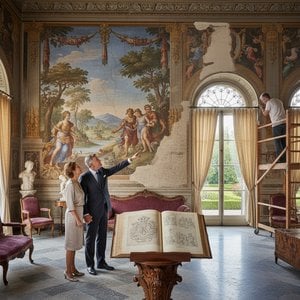
家族の遺産を壁画で彩る:伝統技法が紡ぐ、時を超越する美と記憶
古代から現代までの壁画の歴史と技法を解説。日本の壁画文化やカスタムオーダーによる家族の遺産表現、保存・修復技術まで網羅。専門家が時を超越する美と記憶を紡ぐ芸術的価値をご案内します。