
- ホーム

- 油絵の複製画
- アンディ・ウォーホル
- Marilyn Reversal

 プリントを購入
 シェアする
シェアする シェアする
シェアする
 Details

 ダウンロード
 似ている作品
 X-Ray
X-Ray スライドショー
Marilyn Reversal





P118B $10

P118H $10

P118W $10

P438Z $10

P508JH $12

P508YH $12

P805H $10

P805Z $10

P919BZ $10

P919G $10

P919XJ $10

P959ZH $10

P968JZ $12

W106C $8

W218G $10

W218JH $8

W218Y $10

W307PJ $10

W316G $10

W316PJ $8

W316Y $10

W398PJ $8

W4111J $10

W500HY $15

W500JH $15

W692G $12

W849H $8

W940BG $15

W953PJ $8




 続きを読む
続きを読む作品のオリジナル比率に合わせた、当店の規定サイズからお選びください。

特定のフレームやスペースに合わせて、ご希望のサイズをご入力いただけます。選択されたサイズが元の画像の比率と異なる場合、アートワークをトリミングするか、手描きで要素を追加して絵画を拡張いたします。デジタルモックアップ を制作し、制作開始前にご確認(承認)をいただきます。
画面上のプレビューは、実際のトリミングや拡張を正確に反映しているものではありません。最終的な構図は、モックアップによってのみ正確にご確認いただけます。
カスタムサイズもご利用いただけますが、元の比率を維持するためには、あらかじめ用意されたリストからサイズを選択することをお勧めいたします。
ご注文後、ArtsDot.com チームより詳細な指示をお送りするとともに、仕上がりイメージ(モックアップ)をご提供いたします。


 ガラスオプションは、110cm未満のサイズでのみご利用いただけます。

Marilyn Reversal
複製技法
複製画のサイズ
-


合計金額
-
作品解説
The Enigmatic Echo: Unpacking “Marilyn Reversal”
Andy Warhol’s “Marilyn Reversal,” a striking black-and-white silkscreen, isn't merely a portrait; it’s an interrogation of celebrity, image, and the very nature of representation. Created in 1986 – a year marked by both artistic experimentation and personal reflection for Warhol – this work transcends simple replication, offering instead a layered commentary on the American fascination with icons like Marilyn Monroe. The photograph itself presents a close-up of Monroe’s face, her lips subtly parted as if caught mid-sentence or song, radiating an almost ethereal quality despite the stark monochrome palette. The blurred background serves not to obscure, but to amplify the central focus – the carefully constructed illusion of her gaze and the inherent tension between reality and manufactured persona.
Warhol’s deliberate choice of black and white is crucial. It strips away the color that initially captivated audiences, forcing a deeper engagement with the subject's features and expression. This reduction to essential elements – light, shadow, form – echoes the techniques employed in early photography and printmaking, grounding the image in a historical context while simultaneously elevating it to an almost timeless status. The reversal of the image—a subtle shift in her expression that hints at vulnerability beneath the carefully constructed glamour—immediately draws the viewer into a complex psychological space.
Pop Art’s Deconstruction of Celebrity
“Marilyn Reversal” firmly situates itself within the broader context of Pop Art, a movement that challenged traditional notions of artistic subject matter and elevated everyday imagery to the level of high art. Warhol, deeply influenced by the advertising industry and the proliferation of mass media, sought to blur the boundaries between fine art and commercial culture. He famously utilized silkscreen printing – a technique borrowed from commercial printing – to create multiples of iconic images, questioning the value of originality and exploring the concept of “repetition.” This process directly mirrors the way Monroe’s image was endlessly reproduced in magazines and films, transforming her into a ubiquitous symbol of American popular culture.
The work speaks powerfully to the era's anxieties surrounding celebrity. The 1960s witnessed an unprecedented level of media attention focused on figures like Monroe, fueled by paparazzi, gossip columns, and television appearances. Warhol’s repetition of her image—a deliberate act of appropriation—highlights the commodification of fame and the fleeting nature of public adoration. The “reversal” itself suggests a subversion of this carefully crafted image; it hints at an underlying sadness or vulnerability that is often obscured by Monroe's glamorous facade.
Technique and Illusion: The Silkscreen Process
Warhol’s mastery of the silkscreen technique is evident in “Marilyn Reversal.” The process involved transferring ink from a stencil onto a silk screen, which was then pressed onto the chosen surface – in this case, linen. This method allowed for precise control over color and detail, but also created an inherent sense of mechanical reproduction. The slight imperfections and subtle variations within the print are not flaws, but rather evidence of the process itself—a testament to Warhol’s deliberate embrace of industrial aesthetics. The image isn't a direct copy; it’s a carefully constructed illusion, built layer by layer through meticulous planning and execution.
Furthermore, the subtle blurring in the background creates an atmospheric depth that contrasts with the sharp focus on Monroe’s face. This juxtaposition reinforces the idea of her isolation within the larger cultural landscape – a solitary figure caught in the relentless glare of public attention. The image invites contemplation on the ephemeral nature of fame and the enduring power of iconic imagery.
A Timeless Reflection: “Marilyn Reversal” Today
“Marilyn Reversal” remains remarkably relevant today, continuing to resonate with audiences grappling with issues of celebrity culture, media saturation, and the manipulation of images. Its stark simplicity and potent symbolism make it a compelling work for collectors and interior designers alike. The reproduction offers an opportunity to bring this iconic image into any space, sparking conversation and prompting reflection on its enduring legacy. It’s more than just a print; it's a window into the mind of one of the most influential artists of the 20th century – a testament to Warhol’s ability to transform the mundane into the extraordinary.
関連作品


アーティストの略歴
アンディ・ウォーホル:アメリカのイメージに浸された生涯
1928年、ペンシルベニア州ピッツバーグの工業地帯でアンドリュー・ウォーホラ・ジュニアとして生まれたアンディ・ウォーホルは、芸術とセレブリティの境界線を再定義することになる人物でした。彼の幼少期は困難と芽生えつつある創造性の両方によって特徴づけられました。シデナム舞踏病と呼ばれる小児疾患により、長期間家の中に閉じ込められ、激しい内面世界を育み、芸術的表現が重要な発散口となりました。しかし、この時期は孤立したものではなく、彼の母親は彼に美術用具を与え、漫画や映画雑誌といった大衆的なイメージの絶え間ない流れを提供し、それが後に彼の象徴的なスタイルにとって基盤となるでしょう。彼はカーネギー工科大学で卓越した成績を収め、1949年に絵画デザインの学位を取得した後、商業イラストレーターとして成功することを志向してニューヨーク市への旅に出ました。この初期のアドバタイジングや雑誌での仕事は彼のスキルを磨き、大量生産に対する深い理解を育み、それが彼の芸術哲学の中核となる要素となりました。彼の独特な線描画はすぐに注目を集め、ファッション誌で成功を収め、独自の美意識を持つアーティストとしての評判を確立しました。
ポップの誕生とファクトリー時代
1960年代に入ると、ウォーホルは商業芸術の世界を超え、新進気鋭のポップアート運動における重要な人物として台頭しました。これは美術史における革命的な瞬間であり、伝統的な「ハイ」アートの概念に挑戦し、広告、漫画、そして大量生産されたオブジェクトといった大衆文化を芸術的探求のための正当な主題として受け入れました。ウォーホルはこれらの要素を描写するだけでなく、それらを高め、日常品をアメリカの消費主義の象徴的なシンボルへと変貌させました。この時期の彼の画期的な作品である『キャンベルのスープ缶』(1962)や『マリリン・ディプティク』(1962)は単なる絵画ではなく、大衆メディアの影響とイメージの商品化に関する声明でした。彼が採用したシルクスクリーン印刷技術は、このプロセスにおいて重要な役割を果たし、イメージの機械的な複製を可能にし、消費文化を鋭く観察していることを意図的に反映しました。この手法は単なる技術的な選択ではなく、概念的なものであり、反復、標準化、そして芸術と生産との境界線の曖昧さを強調しました。ウォーホルの芸術宇宙の中心には、「ファクトリー」がありました。それはニューヨーク市にある彼のスタジオであり、単なる作業スペース以上の存在でした。それは実験とコラボレーションの活気あるハブとなり、ドラッグクイーン、詩人、ボヘミアン、ミュージシャン、そして裕福なパトロンを引きつけました。ウォーホルが信じていたように、芸術はアクセス可能で世界と関わるものでなければならないという証でした。
セレブリティ、災害、そしてアメリカの強迫観念の探求
ウォーホルの芸術的ビジョンは、消費財を超えて、セレブリティ、死、災害といった領域へと広がりました。これらのテーマは1960年代と70年代に進化する文化景観の中で深く共鳴しました。マリリン・モンロー、エルヴィス・プレスリー、エリザベス・テイラーなどの象徴的な人物の肖像画は単なる好ましい表現ではなく、名声、イメージ、そしてセレブリティのしばしば壊れやすい性質を探求するものでした。彼は彼らの容姿を描写するだけでなく、周囲を覆うオーラ—製造された華やかさと、その下にある脆弱性も捉えました。同時に、彼は自動車事故、電気椅子、暴動といったイメージで「ディザスター」シリーズを通じて、アメリカ社会の暗い側面にも対処しました。これらの作品は不穏で挑発的であり、視聴者に暴力と死について不快な真実に向き合うよう促しました。彼は伝統的な意味でのコメントを提供していません。むしろ、彼はこれらのイメージを客観的な態度で提示し、視聴者が自分自身の結論を導き出すことを可能にしました。このアプローチはしばしば反復と大胆な色によって特徴づけられ、魅力的でありながらも不穏な視覚効果を生み出しました。絵画の他に、ウォーホルは映画制作にも進出し、スリープ(1963)やチェルシー・ガールズ(1966)といった実験的な作品を製作し、芸術的表現の境界線をさらに押し広げました。彼はまた、ヴェルヴェット・アンダーグラウンドとコラボレーションし、彼らの象徴的なバナナアルバムカバーをデザインしました—これは彼の影響がファインアートの世界を超えて音楽や大衆文化にまで及んでいることを証明するものです。
持続的な遺産:芸術と文化へのウォーホルの影響
アンディ・ウォーホルの美術界への影響は計り知れません。彼は芸術の従来の定義に挑戦し、ハイカルチャーとローカルチャーの境界線を曖昧にし、コンセプトアートやパフォーマンスアートといった新たな芸術運動への道を開きました。消費主義、セレブリティ文化、そして大衆メディアの探求は今日でも観客にとって共鳴しており、これらのテーマは現代社会の中心です。ウォーホルは単なるアーティストではありませんでした。彼は文化的現象であり、イメージの力とそれが知覚を形作る能力を理解していた先見の明のある人物でした。彼は当時まれであった時にゲイであることを公然と表明し、解放の象徴となり、社会規範に挑戦しました。彼の影響は、現代アートやファッションから音楽や映画まで、数多くの分野で見ることができます。世界中の主要な美術館—特にピッツバーグの故郷にあるアンディ・ウォーホル美術館—では彼の作品が展示されており、彼の遺産が世代を超えてアーティストと観客にインスピレーションを与え、挑発し続けることを保証しています。彼は私たちが芸術について考える方法を根本的に変えました。それは希少な追求から、アクセス可能で民主的であり、現代生活の日常的な経験と深く結びついたものへと変化しました。彼が「誰もが15分間の世界的な名声を得るだろう」と主張したことは、ソーシャルメディアやインスタントセレブリティの時代において奇妙に予見されており、人間の状態と名声の絶え間ない進化に対する彼の永続的な洞察を証明しています。

アンディ・ウォーホル
1928 - 1987 , アメリカ合衆国
基本情報
- フルネーム: アンディ・ウォーホル
- 主な作品:
- キャンベルのスープ缶
- マリリン・ディプティク
- ゲバラ
- 出生地: ピッツバーグ、アメリカ合衆国
- 国籍: アメリカ人
- 影響を与えたアーティスト:
- 現代美術
- ファッション
- 映画
- 音楽
- 死亡年月日: 1987年2月22日
- 生年月日: 1928年8月6日
- 芸術運動またはスタイル: ポップアート
関連記事

From Warhol to Today's Stars: Recontextualizing Pop Culture Icons Through the Lens of Oil Painting Tradition
Explore the captivating evolution of Pop Art through oil painting! Discover contemporary artists reinterpreting iconic imagery & invest in museum-quality reproductions. Expert art consultation at ArtsDot.


洗練されたインテリアにおけるポップアートのキュレーション:成熟した趣味と表現力
洗練されたインテリアにポップアートを。専門家が厳選した作品から、あなただけの空間を演出。高品質な絵画・版画をお手頃価格で。ArtsDotで理想の空間を実現。

現代インテリアデザインにおける黒、白、グレー抽象の魔力:装飾と空間の深化
ホテルデザインに最適な黒、白、グレーの抽象画選びをサポート。色彩心理学に基づいた空間演出から、ArtsDot.comのカスタムアートまで、専門家が洗練されたインテリアを実現します。

Andy Warhol: Deconstructing Pop Culture & Redefining Artistic Expression
Explore the revolutionary art of Andy Warhol & the Pop Art movement. Discover his iconic techniques, cultural impact, and investment potential. A guide for discerning collectors.
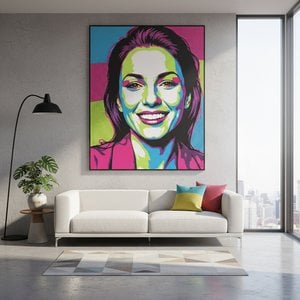
現代空間におけるポップアートの再定義:写真を通じた個性と記憶の鮮やかな表現
ArtsDot.comで、あなたの特別な写真を鮮やかなポップアート作品に。熟練アーティストによる手彩画、高品質な油絵複製をご提供。ライフスタイルインフルエンサーの空間を彩る、唯一無二のアート体験をお届けします。



