
- ホーム

- キャンバスプリント用
- アブラハム・ヘンドリックスス・ファン・ベイレン
- Still-Life

 手描き複製画を注文する
 シェアする
シェアする シェアする
シェアする
 Details

 ダウンロード
 似ている作品
 X-Ray
X-Ray スライドショー
Still-Life
 Acrylic On Canvas
- WallArt
- Dutch Baroque
 1655
1655 126.0 x 106.0 cm
 国立美術館 (Rijksmuseum)
 続きを読む
続きを読む



P118B $10

P118H $10

P118W $10

P438Z $10

P508JH $12

P508YH $12

P805H $10

P805Z $10

P919BZ $10

P919G $10

P919XJ $10

P959ZH $10

P968JZ $12

W106C $8

W218G $10

W218JH $8

W218Y $10

W307PJ $10

W316G $10

W316PJ $8

W316Y $10

W398PJ $8

W4111J $10

W500HY $15

W500JH $15

W692G $12

W849H $8

W940BG $15

W953PJ $8




作品のオリジナル比率に合わせた、当店の規定サイズからお選びください。

特定のフレームやスペースに合わせて、ご自身でサイズを指定することも可能です。選択されたサイズが元の画像の比率と一致しない場合、作品をトリミングするか、鏡面反射または単色での塗りつぶしによって画像を拡張いたします。制作を開始する前に、ご確認用のデジタルモックアップをお送りいたします。
画面上のプレビューには、実際のトリミングや拡張は反映されませんのでご注意ください。最終的な構図を正確に確認できるのは、モックアップのみとなります。
カスタムサイズも承っておりますが、元の比率を維持するためには、あらかじめ用意されたリストからサイズを選択することをお勧めいたします。


 ガラスオプションは、110cm未満のサイズでのみご利用いただけます。

Still-Life
ジークレー/アートプリント
複製画のサイズ
-


合計金額
-
作品詳細説明
A Symphony of Light and Color: Exploring Abraham Hendricksz. van Beyeren’s Still Life
The Dutch Golden Age witnessed an unparalleled flourishing of artistic creativity, fueled by economic prosperity and intellectual curiosity. Among the luminaries of this era stands Abraham Hendricksz. van Beyeren (1620 – 1690), a painter whose meticulous depictions of fruit, vegetables, and fish continue to captivate audiences centuries later. His masterpiece, “Still Life,” transcends mere representation; it embodies the spirit of its time—a profound appreciation for the natural world intertwined with masterful artistic execution.The Painter’s Influence: Vermeer's Legacy
Van Beyeren’s artistic journey began under the tutelage of Johannes Vermeer, a fellow Delft artist whose groundbreaking use of light and color profoundly shaped the visual landscape of the Golden Age. Vermeer’s obsession with capturing atmospheric illumination—the subtle interplay between sunlight and shadow—became a cornerstone of van Beyeren's technique. This dedication to realism wasn’t simply about accurate depiction; it was an attempt to convey emotion, to infuse his canvases with a sense of palpable presence. As Vermeer himself famously remarked, “Light is the soul of painting.” Van Beyeren wholeheartedly embraced this philosophy, striving to emulate Vermeer’s luminous style and achieving remarkable success.Technique and Composition: Precision Meets Elegance
“Still Life” exemplifies van Beyeren's meticulous approach to painting. He employed a layering technique—often referred to as glazing—where thin washes of translucent color are applied over subsequent layers of opaque pigment. This method allowed him to build up tonal gradations with astonishing subtlety, creating an illusion of depth and texture that is characteristic of Vermeer’s oeuvre. The composition itself is carefully considered, featuring a tabletop adorned with an assortment of fruits – apples, oranges, bananas, grapes – arranged in a harmonious arrangement. A vase adds a decorative element, subtly enhancing the visual richness of the scene. Notice how van Beyeren skillfully directs the viewer's gaze through the interplay of light and shadow, emphasizing certain objects while maintaining overall balance.Historical Context: Reflecting Dutch Society’s Values
Painted circa 1655, “Still Life” reflects the values prevalent in Dutch society during the Golden Age—a period marked by burgeoning mercantile success and a humanist worldview. The depiction of fruit and vegetables wasn't merely decorative; it served as a symbol of abundance and prosperity – emblems of the nation’s economic prowess. Furthermore, the meticulous observation of nature aligns with the broader intellectual currents of the time, where scientists and naturalists sought to understand the workings of the cosmos through empirical investigation. The painting speaks to an aesthetic sensibility that prioritized beauty and clarity—qualities valued by both artists and patrons alike.Symbolism: Beyond Representation
Beyond its visual splendor, “Still Life” is laden with symbolic meaning. Fruits – particularly apples and oranges – often represented knowledge and virtue in Dutch iconography. Their placement on the table underscores the importance of contemplation and appreciation for earthly delights. The vase itself symbolizes grace and refinement—a reflection of the aristocratic tastes that fueled artistic patronage during van Beyeren’s lifetime. By capturing these subtle nuances, van Beyeren elevates his painting beyond a simple depiction of objects; he invites viewers to engage in a deeper exploration of ideas and emotions.Emotional Impact: A Moment Frozen in Time
Ultimately, “Still Life” succeeds in conveying a profound sense of tranquility and beauty. The soft light bathing the scene evokes feelings of warmth and serenity—a testament to van Beyeren’s masterful manipulation of color and texture. It's a painting that invites contemplation, prompting viewers to savor the simple pleasures of life and to appreciate the exquisite artistry of a bygone era. Like Vermeer before him, van Beyeren captured not just what he saw but also what he felt—creating an enduring masterpiece that continues to resonate with audiences today.関連作品


アーティストの略歴
アブラハム・ヘンドリックスス・ファン・ベイレン:オランダ静物画の巨匠
アブラハム・ヘンドリックスス・ファン・ベイレン(1620–1690)は、オランダ黄金時代を代表する重要な画家の一人です。花や果実、そして魚といった主題を極めて精緻に描き出した彼の作品は、自然の美しさへの憧憬と、細部への徹底した観察眼が結実したものであり、当時の人々を魅了した美学を象ло的に体現しています。オランダのハーグに生まれた彼は、知性と芸術が沸き立つ時代の熱気の中でその才能を磨き上げ、ライデン、デルフト、そしてアムステルダムといった主要な都市において、尊敬を集める画家としての地位を確立しました。 ファン・ベイレンの形成期に関する詳細な記録は、今なおいくらか謎に包まれています。しかし、伝承によれば、彼は黄金時代で最も象徴的な画家の一人であるヨハネス・フェルメールに師事したと言われています。光と色彩に対するアプローチには、フェルメールの影響が色濃く感じられ、それが他の同時代の画家たちとは一線を画す彼の作品の個性となっています。この光への細やかな配慮は、単なる様式的な選択にとどまりません。それは、科学的な正確さをもって現実の本質を捉えようとする、当時の広範なヒューマニズムの衝動を反映しており、17世紀ヨーロッパを形作った知的な潮流と彼を深く結びつけているのです。 彼の芸術的スタイルは、その生涯を通じて劇的な変遷を遂げました。初期の作品は、カラヴァッジョが先駆けた技法である「キアロスクーロ(明暗法)」を用い、暗いパレットとドラマチックなコントラストによって、光と影の対比を強調し、感情的なインパクトを強めていました。しかし、時が経つにつれて、彼はより明るい色調へと移行していきます。柔らかな色彩と繊細な筆致を好むようになり、そこには比類なき静謐さと優雅さが宿るようになりました。この様式の進化は、バロック特有の演劇的な壮大さから、より瞑想的で内省的な美学へと向かった当時のオランダ絵画の大きな潮流を映し出しています。 ファン・ベイレンが遺した不朽の業績の中でも、ハーグのマウリッツハイス美術館に所蔵されている「花のある静物画」は、彼の真骨頂を示す傑作です。拡散する柔らかな光の中に、緻密に配置された花々が輝くその構図は、春の儚い美しさを見事に捉えています。また、「果実を盛った青白磁のボウル」も同様に素晴らしく、質感や物質感を驚くほどの正確さで表現する彼の卓越した技術が光っています。さらに、「錫の皿に乗った中国磁器のピッチャー、葡萄、桃、そして懐中時計」といった作品は、彼の技術的な熟練度と芸術的なヴィジョンを証明しています。これらの名作群こそが、彼をその時代における静物画の第一人者たらしめたのです。 アブラハム・ヘンドリックスス・ファン・ベイレンの遺産は、個々の傑作という枠組みを遥かに超えて広がっています。彼は、光り輝く色彩と繊細な階調を用いて自然界を描き出す先例を作り上げ、後世のオランダの画家たちに深い影響を与えました。特に、光と影の微細な変化を描き出すその緻密な観察眼は、現代の画家たちにもインスピレーションを与え続けています。さらに、彼は観察と描写を通じて自然界の驚異を理解し、慈しむという、ヒューマニズムに基づいた芸術実践の模範であり続けています。彼の情熱が注ぎ込まれた美と写実の結晶は、ArtsDot.comでも目にすることができます。
アブラハム・ヘンドリックスス・ファン・ベイレン
1620 - 1690 , オランダ
基本情報
- Artistic Movement Or Style: 静物画
- Artists Or Movements Influenced By This Artist: ['オランダ黄金時代']
- Date Of Birth: 1620年
- Full Name: アブラハム・ヘンドリックスス・ファン・ベイレン
- Nationality: オランダ
- Notable Artworks:
- ロブスター、果物、銀器、磁器のある静物画
- 青白磁のボウルと果物
- 中国磁器のピッチャー、ブドウ、桃、ピューター皿、ドレープされた棚の懐中時計
- Place Of Birth: オランダ、ハーグ
関連記事

黄金世紀の巨匠たち:バロック絵画が彩る10選|ArtsDot
オランダ黄金時代の10大傑作を紐解く!レンブラント、フェルメール…バロック絵画の魅力と時代背景を深く探求。ArtsDotで、至高のアートコレクションと空間演出のヒントを見つけよう。高品質なアートプリントで、お部屋を華やかに。


Golden Age Reflections: Dutch Baroque Painting & Cultural Innovation
Explore the Dutch Golden Age of painting! Discover key artists like Vermeer & ter Borch, their innovative techniques, and the rich cultural context behind these Baroque masterpieces. Learn about collecting & appreciating this iconic art period.
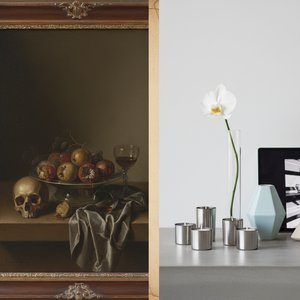
The Enduring Appeal of Still Life: A Historical & Contemporary Exploration
Explore the rich history & symbolism of still life painting with ArtsDot. Discover masterpieces from the Dutch Golden Age, learn about vanitas art, and find expert guidance for collecting timeless artworks.

Severin Roesen: Evoking National Identity Through American Still Life Painting
Explore the captivating world of Severin Roesen, a major American still life painter influenced by Dutch masters. Discover his lush compositions and the symbolism within his art – a window into 19th-century America.

Genre Painting: A Window into Daily Life & Societal Values of the Dutch Golden Age
Explore the captivating world of Dutch Golden Age genre painting! Discover realistic depictions of daily life, masterful artists like Ostade & Metsu, and hidden symbolism. Learn about this influential art movement with ArtsDot.

