
- Home

- Riproduzione di dipinto a olio
- William James Glackens
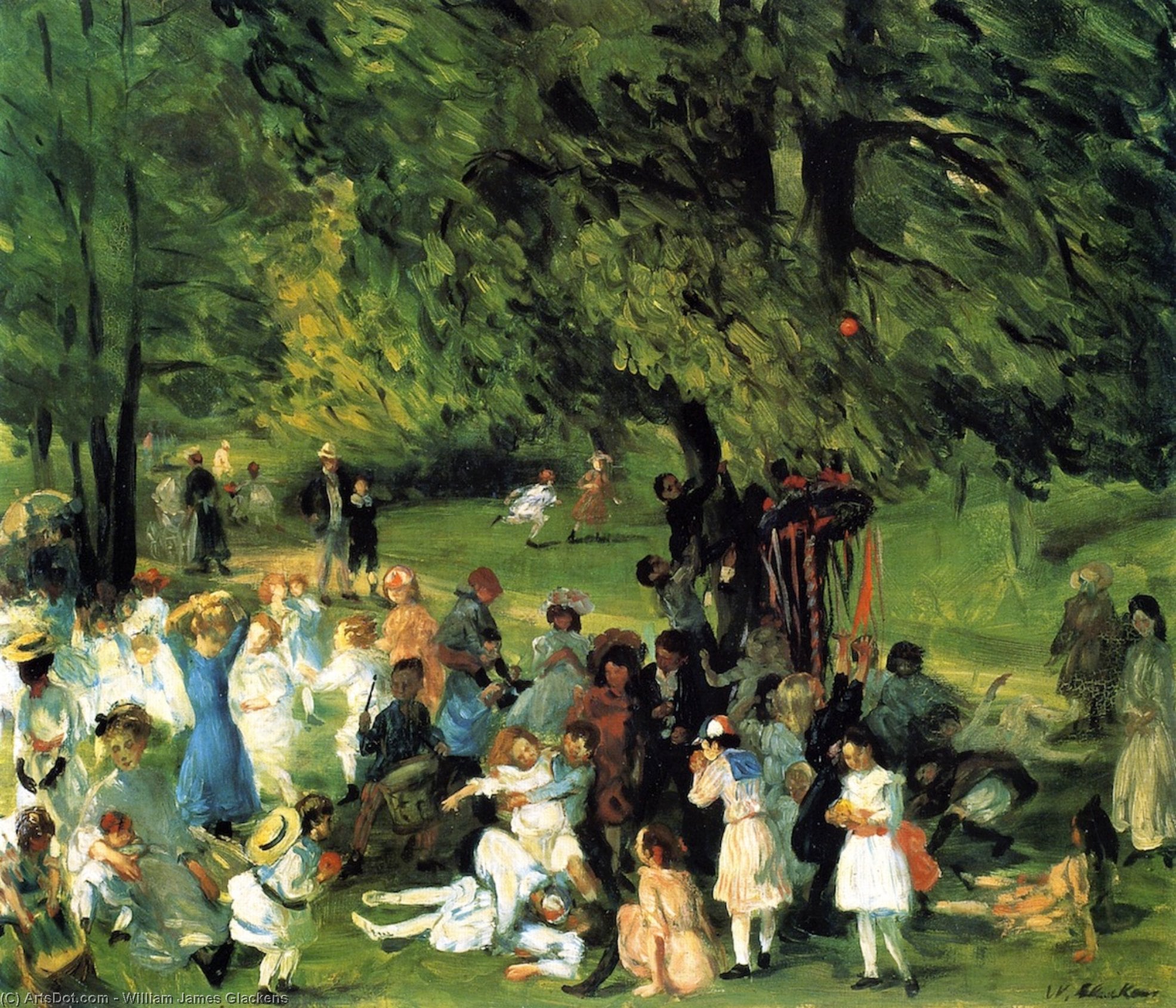
- May Day in Central Park
 Acquista stampa Acquista download
 Invia
Invia
 Condividi
 Details
 Aggiungi ai preferiti

 Scarica
 Simili
 X-Ray
X-Ray
 Slideshow
May Day in Central Park


Riproduzione a olio fatta a mano
Olio su tela dipinto a mano nelle tue dimensioni e con la tua cornice, realizzato su ordinazione dai nostri artisti.




P118B $10

P118H $10

P118W $10

P438Z $10

P508JH $12

P508YH $12

P805H $10

P805Z $10

P919BZ $10

P919G $10

P919XJ $10

P959ZH $10

P968JZ $12

W106C $8

W218G $10

W218JH $8

W218Y $10

W307PJ $10

W316G $10

W316PJ $8

W316Y $10

W398PJ $8

W4111J $10

W500HY $15

W500JH $15

W692G $12

W849H $8

W940BG $15

W953PJ $8




 Scopri di più
Scegli tra le nostre dimensioni predefinite, che rispettano le proporzioni originali dell'opera d'arte.

È possibile inserire dimensioni personalizzate per adattare l'opera a una cornice o a uno spazio specifico. Se la dimensione selezionata non corrisponde alle proporzioni dell'immagine originale, provvederemo a ritagliare l'opera o a estendere il dipinto con elementi aggiuntivi dipinti a mano. Un mockup digitale ti sarà inviato per approvazione prima dell'inizio della produzione.
Si prega di notare che l'anteprima a schermo non riflette il ritaglio o l'estensione effettivi. Solo il mockup mostrerà accuratamente la composizione finale.
Sebbene siano disponibili dimensioni personalizzate, consigliamo di selezionare una dimensione dall'elenco predefinito per preservare le proporzioni originali.
Dopo l'ordine, il team di ArtsDot.com invierà un'e-mail al cliente per le istruzioni e fornirà un'anteprima del mockup
Consegna in tutto il mondo () in 3/4 settimane anziché nelle normali 5 settimane. (1 Luglio). Nessun compromesso sulla qualità.

Spedizione espressa gratuita in tutto il mondo

Tela in lino di alta qualità

Assicurazione completa sulla spedizione

Garanzia di rimborso dei dazi doganali

Garanzia di fedeltà cromatica

Politica di reso entro 60 giorni (solo per difetti)

Garanzia di rimborso al 100%

Sconto per acquisti multipli
 L'opzione vetro è disponibile solo per dimensioni inferiori a 110 cm

May Day in Central Park
Tecnica di riproduzione
Dimensioni riproduzione
-


Prezzo totale finale
-
Descrizione dell'opera
A Vibrant Snapshot of Urban Life: William James Glackens’ “May Day in Central Park”
William James Glackens' "May Day in Central Park," painted in 1905, isn’t merely a depiction of a park scene; it’s a vibrant portal into the heart of early 20th-century New York City. Captured during the height of the Ashcan School movement, this oil on canvas offers a raw and unvarnished glimpse of everyday life – a bustling celebration unfolding amidst the verdant backdrop of Central Park. Glackens, a key figure in this revolutionary artistic circle, eschewed the idealized portrayals favored by academic art, instead choosing to document the gritty realities of urban existence with an honesty that resonated deeply with his contemporaries and continues to captivate viewers today.
The painting immediately draws the eye into a scene brimming with energy. A diverse crowd – men in suits, women in fashionable dresses, children playing – are engaged in various activities: picnicking beneath towering trees, chatting animatedly, and simply enjoying the sunshine. The composition is masterfully balanced, guiding the viewer’s gaze through the lively tableau. Notice the careful placement of details—an apple resting on a blanket, a handbag casually draped over a chair—these small touches ground the scene in a palpable sense of realism, reminding us that this isn't a staged spectacle but an authentic moment captured by Glackens’ discerning eye.
The Ashcan School and its Rejection of Tradition
To fully appreciate “May Day in Central Park,” it’s crucial to understand the context of the Ashcan School. Emerging in the late 19th and early 20th centuries, this movement represented a deliberate break from the established norms of American art. Artists like Glackens, Robert Henri, and John Sloan rejected the polished surfaces and mythological subjects favored by the National Academy of Design, instead focusing on depicting the lives of ordinary people in their urban environments. Glackens’ work embodies this ethos—he doesn't shy away from portraying the less glamorous aspects of city life, capturing its energy, its chaos, and its inherent beauty with a bold and unapologetic style.
His technique reflects this commitment to realism. Glackens employs a distinctive palette dominated by dark hues – deep greens, browns, and blues—contrasted sharply with the vibrant pinks, creams, and whites of the figures. This creates a dynamic visual effect, emphasizing the movement and vitality of the scene. His brushwork is loose and expressive, conveying a sense of immediacy and capturing the fleeting moments of urban life. The impasto technique – applying paint thickly to the canvas – adds textural richness and depth, further enhancing the painting’s visceral impact.
Symbolism and Emotional Resonance
Beyond its realistic depiction of a park gathering, “May Day in Central Park” carries deeper symbolic weight. May Day itself represents renewal, celebration, and the arrival of summer – themes powerfully conveyed through the painting's joyful atmosphere. The figures engaged in various activities—picnicking, playing, conversing—suggest a sense of community and shared experience. The presence of the trees, bathed in dappled sunlight, evokes feelings of tranquility and connection to nature, offering a welcome respite from the hustle and bustle of city life.
Glackens’ masterful use of light and color contributes significantly to the painting's emotional resonance. The warm hues create a sense of warmth and vitality, drawing the viewer into the scene and inviting them to share in the joy of the moment. The composition is carefully balanced, ensuring that all elements contribute to the overall feeling of optimism and celebration. “May Day in Central Park” isn’t just a painting; it's an invitation to step back in time and experience the vibrant spirit of early 20th-century New York City.
Bringing History Home: Reproductions Available
Today, reproductions of "May Day in Central Park" are available through ArtsDot.com, offering art lovers the opportunity to own a piece of this iconic American masterpiece. These meticulously crafted reproductions capture the essence of Glackens’ original work, allowing you to bring the energy and beauty of Central Park into your home or office. For further insights into William James Glackens and the Ashcan School, we encourage you to explore resources like Wikipedia and WikiArt.
Opere simili


Biografia dell'artista
Un pioniere dell'Ashcan School
William James Glackens, una figura di spicco nell'arte americana, ha lasciato un segno indelebile sulla tela della storia con i suoi affascinanti dipinti realistici. Nato a Philadelphia, Pennsylvania, nel 1870, il percorso artistico di Glackens è stato una testimonianza della sua incrollabile passione per catturare l’essenza della vita quotidiana.Vita e influenze iniziali
Gli anni formativi di Glackens furono segnati da una naturale inclinazione verso l'arte, che lo portò a iscriversi alla Pennsylvania Academy of the Fine Arts. Sotto la guida di Thomas Anshutz, un rinomato realista, Glackens affinò le sue capacità, diventando infine uno dei fondatori dell'Ashcan School. Questo movimento rifiutava i confini convenzionali della bellezza artistica, concentrandosi invece sulle aspre realtà della vita metropolitana.Carriera Artistica
Il lavoro di Glackens è caratterizzato dalle sue scene di strada dai toni scuri e vibranti e dalle raffigurazioni della vita quotidiana nella New York e Parigi pre-belliche. I suoi pezzi successivi, influenzati da Renoir, presentavano un tono più luminoso, riflettendo la sua crescita come artista. Notabilmente, Glackens lavorò anche come illustratore per giornali e riviste a Philadelphia e New York City.- Vista di Haarlem con terreni di sbiancamento, un dipinto di Jacob Isaakszoon van Ruisdael (Ruisdael), esemplifica il livello di dettaglio e maestria che definisce l'opera di Glackens. Questo pezzo fa ora parte della collezione del Chrysler Museum of Art.
- Il capolavoro di Glackens, The Shoppers, è una testimonianza della sua abilità nel catturare l'essenza della vita urbana. Questo dipinto può essere trovato nella collezione New Realism su ArtsDot.com.
Evoluzione e Sviluppo Artistico
Nel corso della sua carriera, Glackens ha dimostrato una notevole capacità di adattamento e crescita artistica. Inizialmente influenzato dal realismo di Anshutz e dall'approccio diretto dell'Ashcan School, il suo stile si è evoluto incorporando elementi dell’impressionismo francese, in particolare l’opera di Renoir. Questa influenza è evidente nei suoi dipinti successivi, che presentano una tavolozza più luminosa e un approccio più libero alla pennellata, pur mantenendo la sua attenzione per i soggetti della vita quotidiana. La sua esperienza come illustratore gli ha fornito anche una solida base nella composizione e nel disegno, elementi che sono evidenti in tutta la sua opera.Eredità e Significato Storico
I contributi di Glackens all'arte americana sono molteplici, estendendosi oltre il suo lavoro personale. Ha svolto un ruolo fondamentale nell’aiutare Albert C. Barnes ad acquisire dipinti europei per la Barnes Foundation a Philadelphia. Questa collezione è diventata un pilastro della storia dell'arte americana. Opere chiave e collezioni: * The Shoppers (New Realism, olio su tela, Chrysler Museum of Art) * Vista di Haarlem con terreni di sbiancamento (Ruisdael, Castello Sforzesco, Milano, Italia) Letture consigliate: * [https://ArtsDot.com/@/william-james-glackens](https://ArtsDot.com/@/william-james-glackens) - Esplora l'ampia collezione di opere di Glackens su ArtsDot.com. * [https://en.wikipedia.org/wiki/william_glackens](https://en.wikipedia.org/wiki/william_glackens) - Approfondisci la biografia dettagliata di William James Glackens su Wikipedia.
William James Glackens
1870 - 1938 , Stati Uniti d'America
Dati rapidi
- Artistic Movement Or Style: Ashcan School, Realismo Americano
- Artists Or Movements Influenced By This Artist: ['Albert C. Barnes']
- Artists Who Influenced This Artist:
- Thomas Anshutz
- Renoir
- Date Of Birth: 1870
- Date Of Death: 1938
- Full Name: William James Glackens
- Nationality: Americano
- Notable Artworks:
- The Shoppers
- View of Haarlem with Bleaching Grounds
- Place Of Birth (City And Country): Filadelfia, Stati Uniti
Articoli correlati

John Sloan: Uno sguardo sull'anima della vita urbana americana – Il realismo di un maestro
Esplora la vita e le opere di John Sloan, figura chiave dell'Ashcan School e del Realismo Americano. Analisi approfondite, contesto storico e consigli per collezionisti appassionati su ArtsDot.


Echoes of Faith: Devotion as Central Theme in Western Art History
Explore the rich history of religious art with ArtsDot.com! Discover iconic artworks, symbolism & techniques from antiquity to the Renaissance. Enhance your art appreciation today.

The Ashcan School: Realism, Urban Life & the Democratization of American Art
Explore the revolutionary Ashcan School! Discover how artists like Henri & Sloan challenged tradition with gritty realism, capturing urban life in early 20th-century America. Learn about their impact on American art history.
William Glackens e la Cattura della Vita Americana Moderna attraverso il Realismo dell'Ashcan School
Esplora la rivoluzionaria Ashcan School e l'opera di William Glackens, maestro del Realismo Americano. Analisi approfondite, biografie e consigli per collezionisti appassionati d'arte moderna.

William Powell Frith e la Narrazione della Società Vittoriana: L'Ascesa del Realismo Pittorico
Esplora l'opera di William Powell Frith e il realismo pittorico vittoriano. Analisi approfondita dei suoi dipinti, temi sociali e tecnica artistica. Scopri la sua influenza sulla storia dell'arte.



