


 Anteprima in scala reale
 Invia
Invia Condividi
 Dettagli opera
 Guida
Guida

 Scarica
 Simili
 Radiografia
 Slideshow
 Statistiche
Dog


 Espandi i dettagli
Riproduzione a olio fatta a mano
Olio su tela dipinto a mano nelle tue dimensioni e con la tua cornice, realizzato su ordinazione dai nostri artisti. ( Passa alle stampe Passa all'immagine digitale)




P118B €10

P118H €10

P118W €10

P438Z €10

P508JH €12

P508YH €12

P805H €10

P805Z €10

P919BZ €10

P919G €10

P919XJ €10

P959ZH €10

P968JZ €12

W106C €8

W218G €10

W218JH €8

W218Y €10

W307PJ €10

W316G €10

W316PJ €8

W316Y €10

W398PJ €8

W4111J €10

W500HY €15

W500JH €15

W692G €12

W849H €8

W940BG €15

W953PJ €8




Scegli tra le nostre dimensioni predefinite, che rispettano le proporzioni originali dell'opera d'arte.

Inserisci la larghezza e l'altezza desiderate, per adattarle alla tua cornice o alla tua parete. Trattandosi di un'opera dipinta a mano, in caso di dimensioni con un formato differente, l'artista può estendere leggermente il dipinto oltre i bordi dell'immagine o ritagliare una piccola parte — la scelta spetta a te. Ti invieremo un mockup digitale da approvare prima che la realizzazione abbia inizio. L'immagine mostrata in questa pagina non rappresenta il risultato finale — solo il mockup lo fa.
Dopo l'ordine, il team di ArtsDot.com contatterà il cliente via e-mail per ricevere le istruzioni e fornirà un'anteprima del mockup
Consegna in tutto il mondo () in 3/4 settimane anziché nelle normali 5 settimane. (25 Ottobre). Nessun compromesso sulla qualità.

Spedizione espressa gratuita in tutto il mondo

Tela in lino di alta qualità

Assicurazione completa sulla spedizione

Garanzia di rimborso dei dazi doganali

Garanzia di fedeltà cromatica assoluta

Politica di reso entro 100 giorni (solo per difetti di fabbricazione)

Garanzia di rimborso al 100%

Offerta per acquisti multipli
 L'opzione vetro è disponibile solo per dimensioni inferiori a 110 cm

Dog
Tecnica di riproduzione
Dimensioni riproduzione
-


Prezzo finale calcolato
€ 231
A Poetic Vision of Edo Japan: The Life and Art of Utagawa Hiroshige
Utagawa Hiroshige (1797 – 1858), born Andō Tokutarō in the vibrant heart of Edo (modern Tokyo), remains an undisputed titan amongst *ukiyo-e* artists, a master who elevated woodblock printing beyond mere visual representation into a vehicle for profound artistic expression. His oeuvre captures not just landscapes but also the very spirit of Japan during its golden age – a period characterized by stability under the Tokugawa shogunate yet simultaneously grappling with burgeoning Western influences that would ultimately reshape Japanese culture and aesthetics. Hiroshige’s journey from a samurai family lineage to a celebrated artist exemplifies the transformative power of passion and talent, demonstrating how individuals can defy societal expectations and forge their own distinctive paths.The Landscape as Meditation
Hiroshige's artistic vision wasn’t simply about depicting scenery; it was about conveying emotion. He approached his subjects with meticulous observation combined with an intuitive understanding of Japanese aesthetics – a tradition deeply rooted in Zen Buddhism, which emphasized contemplation and harmony with nature. Unlike earlier landscape prints that prioritized detailed topographical accuracy, Hiroshige deliberately blurred lines and softened contours, creating atmospheric vistas that evoke feelings of serenity and melancholy. This technique—known as *yakusha-ga*, or “artist’s perspective”—allowed him to capture the elusive beauty of fleeting moments and imbue his images with a palpable sense of mood. Consider "Snow Viewing," arguably Hiroshige's most iconic work, where the muted palette and hazy mountains convey not just visual splendor but also an underlying feeling of solitude and contemplation—a reflection of the Zen ideal of emptying oneself of worldly concerns to appreciate the sublime grandeur of existence.Technique and Craftsmanship: Mastering Woodblock Printing
Hiroshige’s mastery lay in his unparalleled command of *hoshi-e*, or “starry print” technique. This method demanded extraordinary precision and patience from both artist and printer, reflecting the meticulous craftsmanship that underpinned Japanese artistic traditions. The process began with a detailed sketch rendered on paper—often transferred to woodblocks using mica dust—followed by carving intricate lines into the block surface using specialized tools. These blocks were then inked with pigment mixed with varnish, and pressed onto dampened paper multiple times to achieve layered tonal effects – a technique that distinguishes *hoshi-e* from simpler monochrome prints. The resulting images possessed remarkable depth and luminosity, capturing subtle gradations of color and texture that would have been impossible to reproduce accurately by hand painting. Hiroshige’s dedication to perfecting this craft ensured that his landscapes retained an unparalleled sense of realism while simultaneously conveying a deeply felt emotional resonance.Historical Context: Edo Japan Under Western Influence
Hiroshige's artistic output coincided with a period of significant upheaval in Japan as Western powers began exerting increasing influence on its affairs. The arrival of Commodore Perry’s fleet in 1853 forced the Tokugawa shogunate to reconsider its isolationist policies, ushering in an era of rapid modernization and cultural exchange. While Hiroshige remained largely unaffected by these political developments—his artistic pursuits focused primarily on capturing the beauty of Japan's natural world—his work nevertheless reflects a subtle awareness of the changing times. The inclusion of figures like travelers or pilgrims within his landscapes speaks to the growing importance of individual experience and spiritual reflection amidst the pressures of societal transformation. Hiroshige’s art serves as a poignant reminder that even during periods of dramatic change, artistic traditions can endure—preserving values and aesthetics rooted in Japan's past while simultaneously anticipating its future.Symbolism and Emotional Resonance: Beyond Mere Representation
Hiroshige’s prints transcend mere visual depiction; they are imbued with symbolic meaning that speaks to fundamental human concerns. Recurring motifs such as pine trees, cranes, and snow—each carrying specific connotations within Japanese culture—contribute to the overall emotional impact of his compositions. Pine trees symbolize longevity and resilience, mirroring the enduring spirit of Japan itself, while cranes represent happiness and aspiration – emblems of hope amidst adversity. The depiction of snow evokes feelings of purity and tranquility, reflecting Zen Buddhist ideals of emptiness and enlightenment. Hiroshige’s ability to evoke such profound emotions through visual imagery solidified his reputation as one of Japan's greatest landscape artists—a testament to the transformative power of art to communicate ideas and sensations beyond the confines of language.Domande e risposte
Quanto è celebre "Dog" all'interno di Japanese Landscape Painting?
"Dog" è classificata come Iconic tra le opere del Japanese Landscape Painting nel catalogo.
A quale periodo della carriera di Utagawa Hiroshige appartiene "Dog"?
"Dog" rappresenta il Mature Period di Utagawa Hiroshige.
Come posso scoprire opere d'arte simili a "Dog" di Utagawa Hiroshige?
Le opere simili a "Dog" di Utagawa Hiroshige sono raccolte nella pagina Opere simili dell'opera.
Opere simili


Biografia dell'artista
La Vita e l'Opera di Utagawa Hiroshige
Hiroshige, nato Andō Tokutarō nel 1797 a Tokyo e scomparso nel 1858, è considerato l'ultimo grande maestro dell'arte *ukiyo-e* giapponese. La sua eredità artistica si distingue per un approccio poetico e atmosferico che lo differenzia dai suoi contemporanei, noti per stampe più audaci e formali. Hiroshige ha lasciato un segno indelebile nella storia dell’arte, influenzando profondamente il movimento *Japonisme* in Occidente.Stile Artistico e Tecniche
L'uso del colore da parte di Hiroshige era sottile ma fondamentale per le sue stampe. Spesso impiegava più impressioni nella stessa area, utilizzando la tecnica del *bokashi*, ovvero la gradazione del colore. Questa tecnica, laboriosa, creava un effetto visivo unico e caratteristico. Tra le sue opere più celebri figurano la serie "Le Cinquantatré Stazioni della Tōkaidō" e "Cento Vedute Famose di Edo", entrambe testimonianze della sua maestria nella rappresentazione del paesaggio. Hiroshige non si limitava a riprodurre fedelmente ciò che vedeva, ma infondeva nelle sue opere un'atmosfera suggestiva, quasi onirica, attraverso l’uso sapiente dei colori e delle luci.Influenze e Sviluppo Artistico
La carriera artistica di Hiroshige iniziò sotto la guida di Utagawa Toyohiro, dove apprese le basi della tecnica *ukiyo-e*. Tuttavia, fu il suo interesse per i paesaggi a guidare il suo sviluppo artistico. L'influenza di Katsushika Hokusai, con la sua serie "Trentasei Vedute del Monte Fuji", è evidente nella scelta dei soggetti da parte di Hiroshige, sebbene quest’ultimo adottasse un approccio più poetico e atmosferico rispetto alla formalità di Hokusai. La sua capacità di catturare l'essenza della natura, le sue sfumature e i suoi cambiamenti stagionali, lo distinse dagli altri artisti del suo tempo.Opere Principali e Riconoscimenti
* Le Cinquantatré Stazioni della Tōkaidō: Questa serie di stampe raffigura le stazioni lungo la strada principale che collegava Edo a Kyoto, offrendo uno spaccato della vita quotidiana dei viaggiatori e degli abitanti delle città. * Cento Vedute Famose di Edo: Un'altra serie iconica che celebra la bellezza della capitale giapponese, mostrando i suoi quartieri, i suoi templi e i suoi paesaggi naturali. * Influenza su Vincent van Gogh: Hiroshige ebbe un impatto significativo sull’opera di Vincent van Gogh, che ammirava profondamente il suo stile e ne copiò alcune stampe nella sua serie "Japonaiserie".Significato Storico e Eredità
Dopo la morte di Hiroshige nel 1858, il genere *ukiyo-e* conobbe un rapido declino a causa della modernizzazione del Giappone dopo la Restaurazione Meiji. Nonostante ciò, l'influenza di Hiroshige sull’arte occidentale rimane significativa. La sua capacità di catturare la bellezza effimera della natura e di trasmettere emozioni attraverso le sue opere continua ad ispirare artisti in tutto il mondo. Il suo lavoro ha contribuito a diffondere l'estetica giapponese in Occidente, aprendo nuove prospettive artistiche e influenzando profondamente i movimenti artistici del XIX secolo.
Utagawa Hiroshige
1797 - 1858 , Giappone
Dettagli rapidi
- Artistic Movement Or Style: Ukiyo-e
- Artists Or Movements Influenced By This Artist:
- Édouard Manet
- Claude Monet
- Vincent van Gogh
- Impressionismo
- Post-impressionismo
- Art Nouveau
- Artists Who Influenced This Artist:
- Utagawa Toyohiro
- Hokusai Katsushika
- Date Of Birth: 1797
- Date Of Death: 1858
- Full Name: Utagawa Hiroshige
- Nationality: Giapponese
- Notable Artworks:
- Le Cinquantatre Stazioni del Tōkaidō
- Cento Vedute Famose di Edo
- Place Of Birth: Tokyo, Giappone
Articoli correlati

Floating World: The Captivating Art and Legacy of Japanese Ukiyo-e
Explore the profound beauty of Japanese Ukiyo-e. Discover the history, masters like Hokusai, and the enduring legacy of the 'Floating World' through an expert art-historical lens.
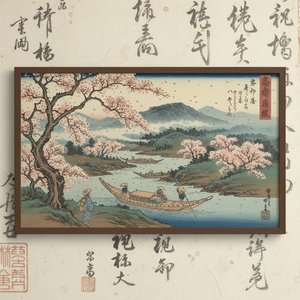
Ephemeral Landscapes: Hiroshige's Poetics of Transient Beauty in Edo Japan
Explore the captivating world of Utagawa Hiroshige's ukiyo-e landscapes. Discover his artistic innovations, influence on Western art, and the poetics of transient beauty in Edo period Japan. A guide for collectors & enthusiasts.

Visioni Fluttuanti del Giappone Ottocentesco: Ando Hiroshige e la Trasformazione del Paesaggio nell'Arte Ukiyo-e
Esplora il mondo affascinante dell'Ukiyo-e con Ando Hiroshige. Scopri la sua vita, le tecniche innovative e l'influenza sull'arte occidentale come Van Gogh. Approfondimenti storici e artistici su ArtsDot.

Katsushika Hokusai: Le 25 Opere Più Iconiche per Amare l'Arte Giapponese
Esplora le 25 opere più iconiche di Katsushika Hokusai, maestro dell'ukiyo-e. Scopri la storia dietro 'La Grande Onda', il Monte Fuji e altre stampe giapponesi senza tempo. Trova riproduzioni d'arte di alta qualità per decorare la tua casa su ArtsDot.com.
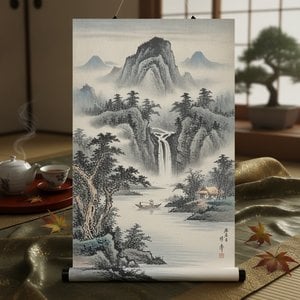
Serenity on Canvas: A Guide to the Timeless Beauty of Japanese Landscape Painting
Discover the serene beauty of Japanese landscape painting. From Hokusai's iconic woodblock prints to meditative sumi-e ink washes, explore a visual journey through the 'floating world' and learn how to bring this timeless Zen aesthetic into your modern home decor.


