


 Anteprima in scala reale
 Condividi
 Condividi
 Dettagli
 Guida stampabile

 Scarica
 Articoli simili
 Radiografia
 Slideshow
 Statistiche
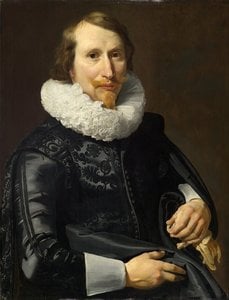
A Lady
 Dutch Golden Age
 1632
1632 79.0 x 52.0 cm
 Staatliche Museen zu Berlin
 Leggi tutto
Giclée / Stampe d'arte
Stampa giclée o su tela di qualità museale, con produzione rapida e diverse opzioni di finitura. ( Ordina la riproduzione dipinta a mano Passa all'immagine digitale)




P118B €10

P118H €10

P118W €10

P438Z €10

P508JH €12

P508YH €12

P805H €10

P805Z €10

P919BZ €10

P919G €10

P919XJ €10

P959ZH €10

P968JZ €12

W106C €8

W218G €10

W218JH €8

W218Y €10

W307PJ €10

W316G €10

W316PJ €8

W316Y €10

W398PJ €8

W4111J €10

W500HY €15

W500JH €15

W692G €12

W849H €8

W940BG €15

W953PJ €8




Scegli tra le nostre dimensioni predefinite, che rispettano le proporzioni originali dell'opera d'arte.

Inserisci la larghezza e l'altezza desiderate, per adattarle alla tua cornice o alla tua parete. Una stampa può essere solo ritagliata, mai resa più grande dell'immagine originale; pertanto, un formato con una forma differente comporterà la perdita di una parte dell'opera. Ti invieremo un mockup digitale da approvare prima di procedere con la stampa. L'immagine mostrata in questa pagina non rappresenta il ritaglio reale — solo il mockup lo mostra.
Consegna in tutto il mondo () in 2 settimane invece delle normali 4/5 settimane. (23 Ottobre)

Spedizione espressa gratuita in tutto il mondo

Tela in lino di alta qualità

Assicurazione completa sulla spedizione

Garanzia di rimborso dei dazi doganali

Garanzia di perfetta fedeltà cromatica

Politica di reso entro 100 giorni (solo per difetti di fabbricazione)

Garanzia di rimborso al 100%

Sconto per acquisti multipli
 L'opzione vetro è disponibile solo per dimensioni inferiori a 110 cm

A Lady
Giclée / Stampe d'arte
Dimensioni della riproduzione
-


Prezzo totale
€ 54
A Portrait of Grace: Unveiling Thomas de Keyser’s “A Lady”
The year is 1632. Amsterdam thrives as the epicenter of the Dutch Golden Age, a period brimming with artistic innovation and opulent patronage. Within this vibrant scene emerges Thomas de Keyser, a painter whose skill lay not merely in capturing likeness but in distilling the very essence of his subjects – a talent brilliantly showcased in his captivating portrait, “A Lady.” This oil-on-oak panel painting, currently residing within the esteemed Staatliche Museen in Berlin, is more than just a depiction; it’s an invitation into a world of refined elegance and subtle psychological depth.
De Keyser's style, heavily influenced by both the meticulous detail of Flemish masters like Anthony van Dyck and the dramatic lighting favored by Rembrandt, results in a remarkably lifelike portrayal. The lady before us is presented with a poise that speaks volumes – her posture relaxed yet undeniably regal, her gaze direct and engaging. Notice how De Keyser masterfully employs chiaroscuro, the masterful use of light and shadow, to sculpt the figure, drawing attention to her face and hands while subtly enveloping the background in a veil of mystery. The dark interior, punctuated by the warm glow emanating from an unseen window, creates a sense of intimacy and draws the viewer into the scene.
Deconstructing the Details: Fashion, Symbolism, and Technique
A closer examination reveals a wealth of detail that speaks volumes about the era. The lady’s attire is a testament to the fashion of 17th-century Holland – a black bodice adorned with intricate gold trim and delicate lace, suggesting both wealth and status. The elaborate headwear, a white ruff collar framing a dark hat embellished with what appear to be feathers or decorative elements, further emphasizes her position within society. These aren’t merely decorative choices; they are carefully selected symbols of power, refinement, and social standing.
The background, far from being mere decoration, plays an integral role in the painting's narrative. The dark room, with its wooden floor featuring a subtle checkered pattern, evokes a sense of luxury and opulence – a space designed for contemplation and quiet enjoyment. The glimpse of a red velvet drape hints at hidden treasures and adds a touch of dramatic flair. De Keyser’s brushwork is remarkably precise, particularly evident in the rendering of the lace and the folds of the fabric. He utilizes layering techniques to create texture and depth, ensuring that every element contributes to the overall sense of realism.
A Window into the Dutch Golden Age
Understanding “A Lady” requires a glimpse into the context of its creation. Thomas de Keyser was a prominent figure in the Dutch art world during this period, renowned for his portraits and genre scenes commissioned by wealthy merchants and nobility. His work reflects the prosperity and cultural flourishing of the Netherlands – a nation at the forefront of artistic innovation and trade. The painting offers a fascinating window into the lives of the elite, revealing their values, aspirations, and aesthetic sensibilities.
Furthermore, De Keyser’s connection to Hendrick de Keyser, his father—a celebrated architect and sculptor who shaped Amsterdam's skyline—provides an intriguing layer of familial legacy. This lineage undoubtedly influenced Thomas’s artistic development, imbuing his work with a sense of technical mastery and architectural awareness. The painting stands as a testament not only to De Keyser’s individual talent but also to the enduring influence of his family’s artistic heritage.
Collecting the Essence: Reproduction and Legacy
Today, “A Lady” continues to captivate viewers with its timeless beauty and psychological depth. ArtsDot offers meticulously crafted hand-painted reproductions that faithfully capture the essence of De Keyser's masterpiece. These reproductions are not mere copies; they are artistic interpretations imbued with the same attention to detail, technique, and emotional resonance as the original. Whether adorning a grand salon or a more intimate space, a reproduction of “A Lady” brings a touch of Dutch Golden Age elegance and sophistication to any setting.
For those seeking further information on Thomas de Keyser and his remarkable oeuvre, we encourage you to explore resources such as ArtsDot.com and the Staatliche Museen in Berlin’s website. And for a deeper dive into the life and works of this pivotal artist, Wikipedia offers a comprehensive overview of his biography and artistic contributions.
Domande e risposte
Qual è il colore dominante di "A Lady" di Thomas De Keyser?
Il colore dominante di "A Lady" di Thomas De Keyser è Black (#080709).
In che modo il soggetto di "A Lady" si relaziona ai temi abituali di Thomas De Keyser?
I temi ricorrenti di Thomas De Keyser includono rembrandt influence, dutch realism, courtly life, social status, wealthy elite, patronage system, portraiture tradition, idealized beauty; "A Lady" si concentra su portraiture, dutch art, 17th century, nobility, elegance, chiaroscuro, woman, clothing.
Quanto sono intensi i colori in "A Lady" di Thomas De Keyser?
"A Lady" di Thomas De Keyser mostra un'intensità cromatica Monochromatic.
Opere correlate


Biografia dell'artista
L'eredità di Thomas de Keyser: Un maestro dell'Età dell'Oro olandese
Nel cuore vibrante e frenetico della Amsterdam del XVII secolo, un'epoca definita da una prosperità senza precedenti e da un fiorire culturale straordinario, Thomas de Keyser emerse come una forza formidabile nel regno della ritrattistica. Nato nel 1596 in un ambiente intriso di grandezza architettonica, De Keyser era il figlio del leggendario Hendrick de Keyser, l'architetto la cui mano plasmò lo skyline stesso di Amsterdam. Questa stirpe di maestria artigiana fornì molto più di un semplice nome; offrì una comprensione fondamentale della struttura, dello spazio e della presenza fisica degli oggetti che avrebbe successivamente definito il suo approccio alla forma umana. Crescendo tra i cortili di pietra lungo il fiume Amstel, De Keyser fu immerso in un mondo in cui arte e architettura erano indissolubilmente legate, coltivando una precisione tecnica che sarebbe diventata il suo marchio di fabbrica.
Il suo percorso artistico fu ulteriormente raffinato attraverso una formazione formale sotto la guida di Cornelis van der Voort, un'educazione che lo introdusse agli ideali umanisti e alle sofisticate tecniche compositive dell'epoca. Con la maturazione, lo stile di De Keyser iniziò a convergere in qualcosa di veramente distintivo: un ponte tra il meticoloso dettaglio del tardo Rinascimento e l'intensità drammatica e psicologica del nascente movimento Barocco. Mentre le sue prime opere mostravano un vivo interesse per l'eleganza formale dei suoi predecessori, egli sviluppò presto la capacità di catturare la realtà vissuta dei suoi soggetti, andando oltre il semplice ritratto per toccare l'essenza stessa del loro carattere.
L'ombra rembrandtiana e l'arte del realismo
Per comprendere la brillantezza di De Keyser, è necessario navigare nel complesso rapporto tra la sua opera e quella di Rembrandt van Rijn. Spesso descritto come un contemporaneo che condivideva lo spirito rivoluzionario dell'epoca, l'approccio di De Keyser alla luce e all'ombra — il celebre chiaroscello — riecheggiava le innovazioni drammatiche sostenute da Rembrandt. Tuttavia, De Keyser possedeva una chiarezza unica; laddove Rembrandt poteva dissolvere una forma in ombre profonde e misteriose, De Keyser manteneva spesso una nitidezza della linea e una qualità luminosa nelle sue trame. Era un maestro del tattile, capace di rendere la lucentezza pesante della seta, i complessi motivi del pizzo e la sottile pelle segnata dal tempo di un anziano mercante con un'accuratezza quasi scientifica.
Questo impegno verso il realismo lo rese il ritrattista preferito della crescente classe mercantile della Repubblica Olandese. La sua capacità di bilanciare il prestigio dei suoi committenti con un profondo senso di verità psicologica gli permise di creare opere che fungevano sia da simboli di status sia da intime analisi del carattere. Nei suoi ritratti di gruppo, dimostrò un'extraordinaria abilità nell'organizzare complessi arrangiamenti di figure, assicurando che ogni individuo mantenesse la propria identità distinta pur contribuendo a una narrazione coesa di orgoglio civico collettivo. La sua pennellata, sebbene precisa, non appariva mai statica; vi è una vitalità ritmica nelle sue composizioni che infonde vita ai momenti congelati del XVII secolo.
Significato storico e trionfo artistico
Le conquiste di Thomas de Keyser si estendono ben oltre la tela, rappresentando un capitolo vitale nella storia dell'arte dell'Europa settentrionale. La sua carriera coincise con l'apice dell'Età dell'Oro olandese, un periodo in cui i Paesi Bassi stavano affermando la propria identità attraverso il commercio, la scienza e le arti. Documentando i volti di quest'era — dai ricchi borghesi agli influenti leader civici — egli fornì una registrazione visiva di una società in transizione. La sua opera funge da finestra sulle gerarchie sociali, sulla moda e sui valori di un'epoca definita dal potere marittimo e dall'industriosità protestante.
Nel corso della sua vita e della sua eredità, diversi elementi chiave definiscono il suo contributo al mondo dell'arte:
- Maestria tecnica: Un'abilità impareggiabile nel rendere diverse trame e materiali con precisione realistica.
- Influenza architettonica: Un senso unico di composizione e integrità strutturale derivante dal suo legame familiare con l'architettura olandese.
- Profondità psicologica: La capacità di infondere nei ritratti formali un senso di umanità individuale e risonanza emotiva.
- Documentazione culturale: Il suo ruolo nel catturare la nascente identità della classe mercantile di Amsterdam durante un periodo di immensa ricchezza.
Sebbene la storia a volte lo collochi all'ombra di Rembrandt, l'importanza di De Keyser rimane immutata. Non fu un semplice imitatore della grandezza, ma un pioniere a pieno titolo, contribuendo con una specifica declinazione di chiarezza ed eleganza strutturale alla tradizione olandese. Oggi, le sue opere continuano a affascinare studiosi e amanti dell'arte, ponendosi come testimonianze durature di un maestro capace di catturare sia lo splendore esteriore che l'anima interiore della sua epoca.
Thomas De Keyser
1596 - 1667 , Paesi Bassi
Informazioni rapide
- Artistic Movement Or Style: Golden Age olandese
- Artists Or Movements Influenced By This Artist: ['Cornelis van der Voort']
- Artists Who Influenced This Artist: ['Rembrandt van Rijn']
- Date Of Birth: Amsterdam, Netherlands (1596)
- Date Of Death: 1667
- Full Name: Thomas de Keyser
- Nationality: Olandese
- Notable Artworks: ['Frederick van Velthuysen e sua moglie']
- Place Of Birth: Amsterdam
Articoli correlati

Illuminating Innovation: Exploring the Dutch Golden Age of Painting
Explore the Dutch Golden Age of painting with ArtsDot. Discover Rembrandt, Vermeer & other Masters. Learn about key characteristics, iconic artworks, and lasting influence. Expert insights for collectors & enthusiasts.

Pieter de Hooch e l'Illuminazione della Vita Domestica Olandese: Fascino dell'Età d'Oro e Innovazioni Pittoriche
Esplora il genio di Pieter de Hooch e l'illuminazione della vita domestica olandese nel Secolo d'Oro. Analisi approfondita dello stile, delle tecniche e del simbolismo nelle sue opere più iconiche.

I 10 Capolavori dell'Età d'Oro Olandese: Arte, Storia e Stile per la Tua Casa
Esplora i 10 capolavori dell'Età d'Oro Olandese con ! Rembrandt, Vermeer e altri maestri rivivono in dipinti iconici. Scopri storia, tecnica e colori di opere senza tempo per arredare la tua casa con arte di qualità museale. Esplora la collezione online!

Golden Age Reflections: Dutch Baroque Painting & Cultural Innovation
Explore the Dutch Golden Age of painting! Discover key artists like Vermeer & ter Borch, their innovative techniques, and the rich cultural context behind these Baroque masterpieces. Learn about collecting & appreciating this iconic art period.

Willem van de Velde il Vecchio: Maestro della Pittura Marittima e Cronista dell'Età d'Oro Olandese
Scopri la vita e le opere di Willem van de Velde il Vecchio, maestro della pittura marina olandese del Secolo d'Oro. Analisi approfondite, tecniche artistiche e consigli per collezionisti.


