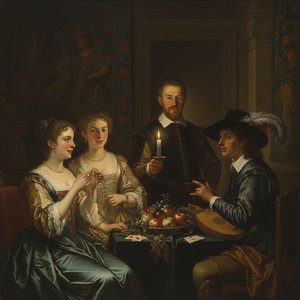
Vita giovanile, famiglia e formazione
Nato ad Anversa il 22 marzo 1599, Sir Anthony Van Dyck entrò in un mondo fatto di commercio e maestria artigianale. Era il settimo di dodici figli nati da Maria Cupers e Francoïs "Frans" van Dijck, un mercante di seta. Questa crescita in un nucleo familiare prospero fornì una base solida a un bambino che manifestò fin da subito un'attitudine precoce e straordinaria per le arti visive. Già all'età di dieci anni, la sua educazione formale nelle arti pittoriche ebbe inizio sotto la guida di Hendrick van Balen il Vecchio.
Il suo sviluppo fu segnato da un'ascesa rapidissima attraverso le strutture tradizionali del mondo artistico fiammingo. Non rimase a lungo nel ruolo di un semplice apprendista; la sua perizia tecnica gli permise di muoversi verso l'indipendenza con una velocità sorprendente. Entro il 18 ottobre 1617, aveva raggiunto il traguardo fondamentale di essere ammesso alla Gilda di Sant'Luca di Anversa come maestro libero. Questo precoce riconoscimento professionale segnalò l'arrivo di un talento che, in breve tempo, avrebbe superato i confini della sua città natale.
- Autoritratto (datato 1613–14)
L'influenza di Peter Paul Rubens
La traiettoria della carriera di Sir Anthony Van Dyck fu fondamentalmente plasmata dal tempo trascorso nella bottega di Peter Paul Rubens. Non si trattò di un semplice apprendistato; il giovane artista ascendió fino a diventare il principale assistente del maestro, una posizione che richiedeva sia una precisione tecnica impeccabile sia la capacità di assorbire un linguaggio visivo complesso. Lo stesso Rubens riconobbe il talento eccezionale del suo protetto, descrivendo il giovane come il migliore dei suoi allievi. Questa mentorship fornì a Sir Anthony Van Dyck un legame diretto con le correnti artistiche più avanzate del XVII secolo, permettendogli di osservare in prima persona la creazione di composizioni su vasta scala e la gestione di una bottega così prolifica.
L'influenza di Rubens si manifestò sul giovane artista attraverso un interesse condiviso per l'espressione, il gesto e la forma. Sebbene Sir Anthony Van Dyck avrebbe col tempo sviluppato un modo più raffinato e composto, i suoi primi anni furono dedicati all'emulazione dell'energia e della capacità osservativa del suo mentore. Egli imparò a tradurre la vitalità della vita in olio e pigmento, una maestria che gli avrebbe successivamente permesso di evolvere oltre la robusta energia dello stile rubensiano verso qualcosa di più sottile e delicato. Le fondamenta tecniche gettate in quella bottega gli fornirono gli strumenti necessari per la sua definitiva ascesa alle corti reali d'Europa.
Viaggi artistici in Italia e a Genova
Già alla fine della sua adolescenza, Sir Anthony Van Dyck aveva già raggiunto il successo come pittore indipendente, un traguardo che gli fornì la spinta necessaria per lasciare i Paesi Bassi. Tra il 1621 e la fine del 1627, il suo viaggio attraverso l'Italia rappresentò un periodo cruciale, capace di affinare la sua capacità di muoversi tra le complesse gerarchie sociali della nobiltà europea. Questa stagione di viaggi non fu un semplice vagabondare, bensì un'immersione strategica nel linguaggio visivo dell'élite mediterranea.
Il suo soggiorno a Genova si rivelò particolarmente significativo. Qui, Sir Anthony Van Dyck trovò una clientela costante tra i patrizi genovesi, le cui sensibilità aristocratiche si armonizzavano perfettamente con il suo stile in evoluzione. Le sue interpretazioni di queste famiglie locali furono accolte con grande favore in città, consacrandolo come un pittore capace di catturare quella dignità specifica richiesta dall'alta società. In questi ritratti, l'artista andò oltre la semplice somiglianza fisica, riuscendo a evocare lo status sociale e l'essenza profonda del carattere dei suoi modelli.
Al servizio della corte inglese
Il legame di Sir Anthony Van Dyck con la corona inglese ebbe inizio molto prima del suo definitivo stabilimento a Londra. Già nel 1620, egli entrò al servizio di Re Giacomo I, un impegno fugace che precedette i suoi vasti viaggi attraverso l'Italia e i Paesi Bassi spagnoli. Questi anni di costante movimento e di commesse diversificate lo prepararono per un arrivo molto più profondo e trasformativo. Entro il 1632, era tornato in Inghilterra, stabilendosi alla corte dove la sua reputazione di ritrattista d'eccellenza si sarebbe definitivamente consolidata. Nello stesso anno, fu nominato "Principalle Paynter in Ordinary to their Majesties", una carica prestigiosa che lo collocò al centro pulsante della vita regale.
La sua presenza a Londra trasformò radicalmente il linguaggio visivo della monarchia. Sir Anthony Van Dyck si allontanò dalla ritrattistica rigida e formale del passato, preferendo invece presentare il sovrano e l'aristocrazia con un senso di grazia naturale e autorità intrinseca. La sua straordinaria capacità di catturare l'essenza psicologica dei suoi soggetti gli permise di diventare il principale pittore di corte in Inghilterra. Egli non si limitò a registrare dei volti; costruì un'immagine del potere che avrebbe influenzato la corte inglese per generazioni. Le sue opere in questo periodo infondono un senso di dignità e compostezza che ha definito l'estetica di un'intera epoca.
- Charles I in Tre Posizioni (1636)
- Regina Enrichetta Maria (1636)
Tecnica e Stile Artistico
Sir Anthony Van Dyck possedeva una versatilità tecnica tale da permettergli di muoversi con naturalezza tra l'applicazione densa dell'olio e le linee precise e incisive dell'acquaforte. In quanto eccezionale disegnatore, egli comprese profondamente la necessità strutturale di una solida base prima di procedere all'applicazione del colore. Le sue composizioni poggiavano spesso su un magistrale arrangiamento delle forme, avvalendosi di un drammatico gioco di luci e ombre per definire i contorni dei suoi soggetti. Questo uso sapiente del chiaroscuro conferiva un senso di profondità e volume, specialmente nelle sue scene religiose e mitologiche, dove la luce sembrava emergere dall'oscurità per esaltare un gesto specifico o un'espressione carica di significato.
La sua tavolozza era caratterizzata da colori profondi e saturi e da un'attenzione meticolosa ai minimi dettagli delle texture. Che si trattasse di rendere la lucentezza della seta o la sottile grana della pelle, egli mantenne sempre un senso di raffinatezza che evitava la pesantezza tipica di alcuni suoi contemporanei. Questa precisione non era limitata alle sue commissioni ufficiali; la sua capacità di catturare il movimento e il carattere gli permise di eccellere in vari generi, dalla grandiosità delle narrazioni mitologiche all'intima profondità psicologica della sua ritrattistica. Possedeva un talento particolare nell'utilizzare la luce per suggerire lo status sociale o il temperamento interiore del modello, impiegando spesso gesti ampi e sfondi accuratamente selezionati per incorniciare l'individuo.
- Portrait of a Young General (1622)
- Charles I in Three Positions (1636)
- Cupid and Psyche (1640)
Eredità e Influenza Duratura
La morte di Sir Anthony Van Dyck a Londra, avvenuta il 9 dicembre 1641, segnò la fine di una carriera che aveva già radicalmente trasformato il linguaggio visivo delle corti europee. Seguendo le orme di Peter Paul Rubens, egli emerse come il più significativo pittore fiammingo del XVII secolo. La sua presenza presso la corte inglese stabilì uno standard nella ritrattistica che avrebbe influenzato la direzione dell'arte per i successivi centosessant'anni. Van Dyck possedeva la capacità unica di definire lo status sociale e il carattere dei suoi soggetti attraverso una tecnica raffinata, che divenne un punto di riferimento imprescindibile per le generazioni successive di pittori.
Il suo impatto si estese ben oltre i confini dell'Inghilterra. Durante tutto quel periodo, la sua opera esercitò un'influenza profonda sull'arte prodotta in tutta Europa. Questa risonanza fu alimentata dalla sua straordinaria versatilità, capace di muoversi con naturalezza tra le esigenze delle narrazioni religiose e i sofisticati requisiti dell'aristocrazia. Egli non si limitò a registrare volti; costruì un'immagine di autorità e grazia che divenne l'estetica prediletta per coloro che cercavano di proiettare potere e prestigio sociale.
- Charles I in Tre Posizioni (1636)
- I Bambini Balbi
- Autoritratto (1622)
Domande e risposte
Dove posso vedere tutte le opere di Antoon van Dyck?
Tutte le opere di Antoon van Dyck presenti su questo sito web sono consultabili nella pagina Tutte le opere dell'artista.
Con quali altri nomi è noto Antoon van Dyck?
Antoon van Dyck è noto anche con i nomi Anthony van Dyck, Sir Antoon van Dyck.
Dove posso trovare statistiche relative alle opere di Antoon van Dyck?
Le statistiche relative alle opere di Antoon van Dyck sono disponibili nella pagina Statistiche dell'artista.