Anteprima in scala reale
 Invia
Invia Condividi
 Dettagli opera

 Scarica immagine
 Simili
 Radiografia
 Slideshow
 Statistiche
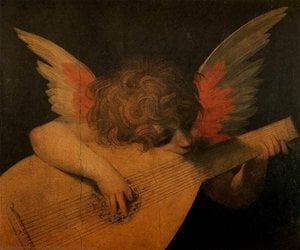
A Young Man
 Oil On Canvas
- WallArt
- Mannerist Portraiture
 1517
1517 82.0 x 60.0 cm
 Staatliche Museen zu Berlin
 Espandi i dettagli
Riproduzione a olio fatta a mano
Olio su tela dipinto a mano nelle tue dimensioni e con la tua cornice, realizzato su ordinazione dai nostri artisti. ( Passa a Stampe Passa all'immagine digitale)




P118B $10

P118H $10

P118W $10

P438Z $10

P508JH $12

P508YH $12

P805H $10

P805Z $10

P919BZ $10

P919G $10

P919XJ $10

P959ZH $10

P968JZ $12

W106C $8

W218G $10

W218JH $8

W218Y $10

W307PJ $10

W316G $10

W316PJ $8

W316Y $10

W398PJ $8

W4111J $10

W500HY $15

W500JH $15

W692G $12

W849H $8

W940BG $15

W953PJ $8




Scegli tra le nostre dimensioni predefinite, che rispettano le proporzioni originali dell'opera d'arte.

È possibile inserire dimensioni personalizzate per adattare l'opera a una cornice o a uno spazio specifico. Se la dimensione selezionata non corrisponde alle proporzioni dell'immagine originale, provvederemo a ritagliare l'opera o a estendere il dipinto con elementi aggiuntivi dipinti a mano. Un mockup digitale ti sarà inviato per approvazione prima dell'inizio della produzione.
Si prega di notare che l'anteprima a schermo non riflette il ritaglio o l'estensione effettivi. Solo il mockup mostrerà accuratamente la composizione finale.
Sebbene siano disponibili dimensioni personalizzate, consigliamo di selezionare una dimensione dall'elenco predefinito per preservare le proporzioni originali.
Dopo l'ordine, il team di ArtsDot.com contatterà il cliente via e-mail per le istruzioni e fornirà un'anteprima del mockup
Consegna in tutto il mondo () in 3/4 settimane anziché nelle normali 5 settimane. (11 Settembre). Nessun compromesso sulla qualità.

Spedizione espressa gratuita in tutto il mondo

Tela in lino di alta qualità

Assicurazione completa sulla spedizione

Garanzia di rimborso dei dazi doganali

Garanzia di fedeltà cromatica

Politica di reso entro 100 giorni (solo per difetti)

Garanzia di rimborso al 100%

Offerta per acquisti multipli
 L'opzione vetro è disponibile solo per dimensioni inferiori a 110 cm

A Young Man
Tecnica di riproduzione
Dimensioni riproduzione
-


Prezzo totale calcolato
$ 263
A Portrait of Youthful Promise: Rosso Fiorentino’s ‘A Young Man’
Rosso Fiorentino's “A Young Man,” painted in 1518, isn’t merely a portrait; it’s a carefully constructed distillation of Renaissance ideals – a glimpse into the burgeoning complexities of Mannerism and a poignant meditation on youth, aspiration, and perhaps, a touch of melancholy. The painting, currently residing within the Gemäldegalerie in Berlin, immediately draws the eye with its subtly unsettling beauty, a hallmark of Rosso’s distinctive style. It's a work that whispers rather than shouts, inviting prolonged contemplation and rewarding repeated viewing.
At first glance, the subject appears remarkably relaxed, almost languidly posed against a hazy landscape backdrop – a detail that immediately sets it apart from the more rigidly formal portraits of the High Renaissance. He’s not presented as an idealized hero or a symbol of civic virtue; instead, he possesses a quiet intensity, his gaze directed slightly off-center, suggesting introspection and perhaps even a hint of guardedness. The youthful features – the delicate curve of his lips, the slight furrow in his brow – are rendered with remarkable sensitivity, capturing not just physical likeness but also an underlying sense of vulnerability. The red hair, a nod to Rosso’s own nickname, adds a touch of vibrant color against the muted palette, further emphasizing the subject's youthful vitality.
Mannerist Nuances and Artistic Innovation
Rosso Fiorentino was a pivotal figure in the transition from the High Renaissance to Mannerism. He wasn’t content with simply replicating classical ideals; he actively sought to push boundaries, experimenting with perspective, composition, and emotional expression. “A Young Man” exemplifies this innovative spirit. The landscape behind him isn't a realistic representation of nature but rather an atmospheric device – a deliberately ambiguous space that contributes to the painting’s overall sense of unease and psychological depth. Notice how the trees seem to lean inward, creating a claustrophobic effect, subtly mirroring the subject’s internal state.
The brushwork itself is crucial to understanding Rosso's approach. It’s not smooth or polished; instead, it’s characterized by visible strokes and a deliberate lack of finish. This technique – often referred to as “impasto” – adds texture and dynamism to the painting, creating a sense of movement and immediacy. The way he manipulates light and shadow is particularly noteworthy, casting dramatic highlights on the subject's face and clothing while leaving other areas shrouded in darkness. This masterful use of chiaroscuro not only enhances the portrait’s visual impact but also contributes to its emotional resonance.
Symbolism and a Hint of Disquiet
While seemingly straightforward, “A Young Man” is laden with subtle symbolism. The letter clutched in his hand – a detail often overlooked – suggests communication, perhaps even longing or unrequited affection. The slightly downturned mouth hints at suppressed emotions, while the direct gaze challenges the viewer to engage with the subject on a deeper level. Some art historians have interpreted the painting as an allegory for the fleeting nature of youth and beauty, reminding us that time inevitably marches forward, carrying with it both promise and loss.
Furthermore, the overall composition—the slightly off-balance arrangement, the ambiguous background—creates a sense of unease. It’s not a comfortable or reassuring portrait; rather, it's a reflection of the turbulent times in which it was created – a period marked by political instability and social upheaval. Rosso Fiorentino wasn’t simply depicting a young man; he was capturing a mood, an atmosphere of uncertainty and transformation.
A Timeless Masterpiece: Reproduction Possibilities
“A Young Man” remains a powerfully evocative work of art, captivating viewers centuries after its creation. Reproductions offer a wonderful opportunity to bring this masterpiece into your home or office, allowing you to appreciate its beauty and complexity on a daily basis. When selecting a reproduction, consider the quality of materials used – archival-quality prints on museum-grade canvas will ensure that the colors remain vibrant for years to come. The painting’s rich textures and subtle nuances are best captured by reproductions that faithfully replicate Rosso Fiorentino's distinctive brushwork and masterful use of light and shadow. It is a piece that speaks volumes, inviting contemplation and offering a timeless glimpse into the heart of the Renaissance.
Opere simili


Biografia dell'artista
Rosso Fiorentino: Una Biografia
- Nome: Rosso Fiorentino (Giovanni Battista di Jacopo)
- Nato: 8 marzo 1495, Firenze, Italia
- Morto: 14 novembre 1540, Fontainebleau, Francia
Primi Anni e Formazione
- Rosso Fiorentino, il cui nome si traduce in "Rosso Fiorentino" a causa dei suoi distinti capelli rossi, iniziò il suo percorso artistico a Firenze.
- Ricevette la sua formazione iniziale all'interno dello stimato studio di Andrea del Sarto, una figura di spicco della pittura rinascimentale fiorentina.
- Questo periodo lo collocò accanto a un altro artista importante dell'epoca, Pontormo, favorendo un ambiente condiviso di esplorazione e sviluppo artistico.
- L'influenza della scuola florentina di pittura durante questi anni formativi plasmò significativamente il suo stile futuro.
Stile Artistico e Influenze
- Il lavoro di Rosso Fiorentino è caratterizzato dalla sua intensa drammaticità, dall'uso audace del colore e dalla sorprendente espressione emotiva.
- Incorporava frequentemente autoritratti nelle sue composizioni, spesso raffigurandosi come una figura chiave all'interno della narrazione.
- L'artista fu pesantemente influenzato dalle opere di Michelangelo e Raffaello, evidente soprattutto nella sua padronanza del chiaroscuro – la tecnica di utilizzare forti contrasti tra luce e oscurità per creare profondità e volume.
- Il suo stile è considerato parte del movimento manierista, che emerse nel XVI secolo come reazione all'enfasi dell'Alto Rinascimento sull'equilibrio e l'armonia. Il Manierismo favoriva forme allungate, prospettive distorte ed emotività accentuata.
Opere Notabili e Realizzazioni
- La Deposizione: Considerato uno dei capolavori di Rosso Fiorentino, questo dipinto esemplifica il suo stile unico attraverso la sua illuminazione drammatica e la rappresentazione carica emotivamente della scena.
- L'Elefante, Château de Fontainebleau: Quest'opera mette in mostra la sua capacità di catturare l'essenza dei suoi soggetti con dettagli e realismo notevoli. Evidenzia anche la sua carriera successiva lavorando in Francia.
- Mosè e le Figlie di Giafronte: Dimostra una composizione complessa e una profondità emotiva caratteristica del suo stile maturo.
- I suoi contributi alla decorazione del Château de Fontainebleau furono significativi, anche se tragicamente interrotti dalla sua prematura morte.
Eredità e Significato Storico
- L'influenza di Rosso Fiorentino si estese oltre la sua vita, influenzando le generazioni successive di artisti.
- Francesco Primaticcio, che lo succedette come artista principale al Château de Fontainebleau, fu notevolmente influenzato dallo stile di Rosso.
- Il suo lavoro ha svolto un ruolo cruciale nello sviluppo e nella popolarizzazione del Manierismo, contribuendo alla sua enfasi sull'espressione drammatica e l'innovazione artistica.
- I dipinti di Rosso Fiorentino si possono trovare in vari musei e collezioni in tutto il mondo, tra cui la Galleria Nazionale d'Arte Moderna e Contemporanea a Roma.

Rosso Fiorentino
1495 - 1540 , Italia
Dati rapidi
- Artistic Movement Or Style: Manierismo
- Artists Or Movements Influenced By This Artist: ['Francesco Primaticcio']
- Artists Who Influenced This Artist:
- Michelangelo
- Raphael
- Andrea del Sarto
- Date Of Birth: 8 marzo 1495
- Date Of Death: 14 novembre 1540
- Full Name: Rosso Fiorentino (Giovanni Battista)
- Nationality: Italiana
- Notable Artworks:
- Deposizione
- Elefante, Fontainebleau
- Mosè e le figlie di Giafronte
- Pietà
- Place Of Birth (City And Country): Firenze, Italia
Articoli correlati

Mario Sironi: Poesia dell'Identità Italiana tra Simbolismo e Commento Sociale nel Novecento
Esplora la poetica di Mario Sironi e il suo ruolo chiave nel Novecento Italiano. Analisi approfondita del simbolismo, dell'impegno sociale e dell'influenza della Metafisica sulla sua arte. Scopri l'eredità di questo maestro italiano.

Renaissance Mannerism: Style, Subtlety & the Transition from Harmony to Artifice
Explore the captivating world of Renaissance Mannerism! Discover its key characteristics, pioneering artists like Pontormo & Bronzino, and its pivotal role in art history. Expert insights & museum-quality reproductions at ArtsDot.

I 10 Capolavori del Manierismo che Hanno Definito un'Epoca | Arte e Decorazioni di Lusso
Esplora i 10 capolavori del Manierismo, da Pontormo a Parmigianino. Scopri la storia, le tecniche e l'eleganza di questo movimento artistico unico. Trova riproduzioni d'arte di alta qualità per decorare la tua casa su ArtsDot.com.

Mannerism: Bridging Renaissance Harmony & Baroque Drama – A Study of Style & Affectation
Explore the fascinating world of Mannerism! Discover its key characteristics, pioneering artists like Pontormo & Bronzino, and its pivotal role in bridging Renaissance harmony to Baroque drama. A comprehensive guide for art enthusiasts.

Giovanni Fattori: Realismo, Identità e Paesaggio Toscano – Un Maestro dei Macchiaioli
Esplora la vita e le opere di Giovanni Fattori, maestro dei Macchiaioli. Approfondisci il suo realismo innovativo, l'influenza del Risorgimento e la tecnica della 'macchia'. Scopri perché è un pilastro dell'arte italiana.