
- Home

- Immagine digitale
- Man Ray
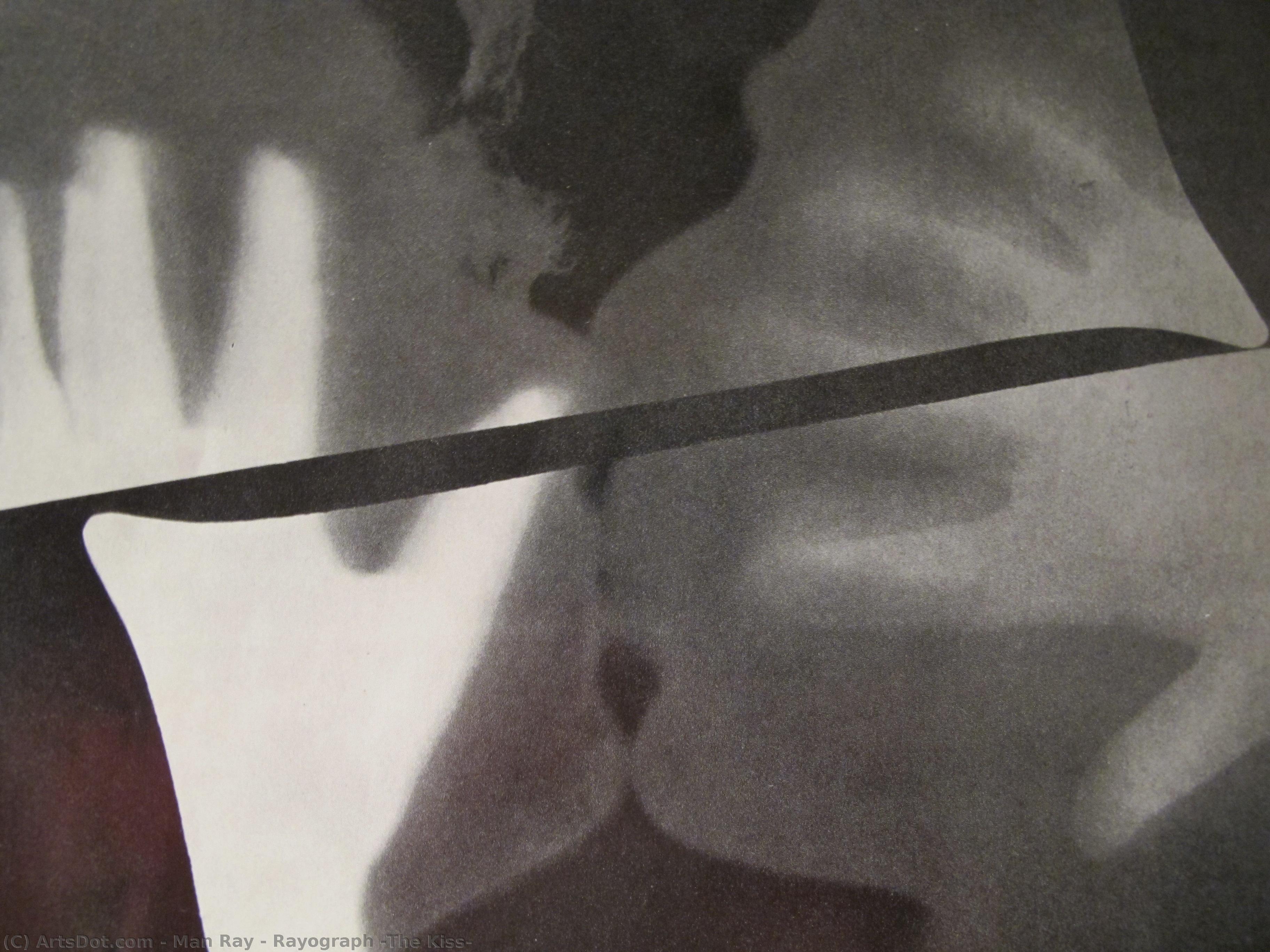
- Rayograph (The Kiss)
 Acquista stampa Ordina la riproduzione
 Invia
Invia
 Condividi
 Details
 Aggiungi ai preferiti

 Scarica
 Simili
 X-Ray
X-Ray
 Slideshow
Rayograph (The Kiss)


Acquista un'immagine digitale ad alta risoluzione e ottimizzata, di qualità nettamente superiore all'anteprima online.
Ogni file è meticolosamente preparato dai nostri specialisti interni attraverso l'uso di strumenti avanzati e un sapiente ritocco manuale. Garantiamo che ogni immagine presenti una chiarezza eccezionale, una precisione cromatica impeccabile e dettagli raffinati.
Il file finale viene consegnato via e-mail entro 72 ore, ottimizzato per un uso immediato in contesti professionali, editoriali e di stampa. Si tratta della stessa qualità affidata dai più prestigiosi studi di design, editori e gallerie d'arte.
 Scopri di più
Immagine Digitale
Scarica un file ad alta risoluzione per uso personale, per la stampa e per progetti creativi.
Incluso in ogni ordine di immagini digitali
Consegna digitale professionale e garantita
Quando scegli ArtsDot.com, non riceverai solo un'immagine: riceverai un'opera d'arte digitale professionalmente ottimizzata, realizzata con la massima precisione e accompagnata da una garanzia di soddisfazione. Ecco tutto ciò che include il tuo ordine, automaticamente:

Consegna rapida via email
Riceverai il file dell'immagine digitale ad alta risoluzione via email entro 72 ore dall'ordine, pronto per un uso immediato.

File digitale ottimizzato dall'IA
La tua opera d'arte viene ottimizzata professionalmente attraverso l'uso di strumenti avanzati di intelligenza artificiale e una revisione manuale, garantendo il massimo livello di dettaglio, nitidezza e accuratezza cromatica.

Riconsegna gratuita a vita
Hai eliminato o perso accidentalmente il tuo file? Non preoccuparti: te lo invieremo di nuovo in qualsiasi momento, gratuitamente.

Nessun costo di importazione - Sempre
Goditi la tua opera d'arte istantaneamente senza costi doganali, dazi o spese di spedizione: i download digitali sono sempre esenti da tasse.

Garanzia di fedeltà cromatica
Garantiamo che la tua immagine digitale rifletta i colori originali con la massima fedeltà, grazie all'uso di strumenti professionali e a una gestione accurata del colore.

Garanzia di soddisfazione di 60 giorni
Se non sei soddisfatto della tua immagine digitale, la revisioneremo o ti rimborseremo il 100% entro 60 giorni, senza domande.

Garanzia di rimborso al 100%
Non sei soddisfatto? Ricevi un rimborso completo entro 60 giorni dalla ricezione del tuo file digitale, senza dover fornire spiegazioni.

Sconti per ordini multipli
Acquista 3 immagini, risparmia il 10% - Acquista 5, risparmia il 15% - Acquista 10+, risparmia il 20%. Ideale per progetti creativi, gallerie e agenzie.
Descrizione del Collezionabile
A Dance Between Light and Shadow: Exploring Man Ray’s “The Kiss”
Man Ray's "The Kiss," created in 1922 during the heady days of Dada and Surrealism, transcends mere photographic representation; it embodies a radical reimagining of artistic process and perception. This striking photogram—a technique pioneered by Ray himself—captures an intimate moment frozen in time, transforming commonplace objects into symbols of desire and connection. Unlike traditional painting, where artists meticulously render form and color, Ray embraced chance and spontaneity, trusting the unpredictable interplay of light and shadow to reveal hidden truths about human experience.- The Technique: Ray’s method was deceptively simple yet profoundly innovative. He placed sheets of photographic paper onto a darkroom tray containing two trays filled with water—one holding a pair of hands, another holding a pair of heads locked in an embrace. Above these objects, he positioned a lamp, casting shadows that imprinted themselves onto the paper surface. This process relied entirely on natural forces, rejecting the artist’s conscious control and yielding to the inherent beauty of accidental composition.
- Dada's Influence: The Dada movement, born in Zurich during World War I, vehemently rejected bourgeois values and embraced absurdity as a weapon against societal norms. Ray’s embrace of photogram aligns perfectly with Dada’s ethos—a deliberate disruption of artistic conventions aimed at challenging viewers’ assumptions about reality. It signaled a rejection of representational art's obsession with illusion and championed instead the exploration of subconscious imagery.
- Symbolism Beyond Form: “The Kiss” isn’t merely a depiction of physical intimacy; it operates on multiple symbolic levels. The hands, positioned close together, represent connection and vulnerability—a yearning for closeness amidst uncertainty. The darkroom trays symbolize the hidden depths of emotion and desire, mirroring the unseen forces that drive human relationships. Ray deliberately avoided portraying recognizable figures or landscapes, prioritizing instead the emotional resonance of the image itself.
- Emotional Impact: Viewing “The Kiss” evokes a sense of quiet contemplation—a fascination with the ephemeral beauty of fleeting moments. The photograph’s monochrome palette enhances its dramatic effect, emphasizing texture and form while stripping away distracting color hues. Like many Surrealist artworks, it invites viewers to delve into their own subconscious fantasies and confront uncomfortable truths about human desire.
Historical Context: Weimar Republic & Artistic Avant-Garde
The creation of “The Kiss” occurred during the Weimar Republic—a period marked by economic instability, political upheaval, and a burgeoning artistic ferment. Artists like Man Ray were actively experimenting with new mediums and techniques, rejecting academic traditions in favor of radical innovation. The influence of Surrealist thinkers such as André Breton was palpable, shaping artists’ preoccupation with dreams, irrationality, and the exploration of psychological landscapes. This era witnessed a fervent debate about the role of art in society—a rejection of decorative conventions and an insistence on confronting viewers with unsettling visions of the human condition.Further Exploration: Man Ray's Legacy
Man Ray’s pioneering use of photogram established him as one of the foremost figures in 20th-century photography, influencing generations of artists who followed. His work continues to inspire contemporary creatives seeking new ways to express emotion and challenge conventional perceptions of reality. Consider examining his other photographic explorations—including portraits of fellow Surrealists like Marcel Duchamp and René Magritte—to gain a deeper understanding of Ray’s artistic vision and enduring contribution to the history of art.Where to Find Reproductions
High-quality reproductions of “The Kiss” are available at ArtsDot.com, offering collectors and interior designers alike access to stunning artwork that captures the essence of Dada and Surrealist aesthetics. Explore our curated collection today!Opere simili




Biografia dell'artista
A Life Illuminated by Shadows
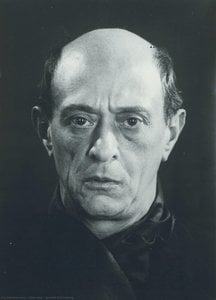
Emmanuel Radnitzky, known to the world as Man Ray, was a restless spirit who defied easy categorization. Born in 1890 in Philadelphia to Russian Jewish immigrant parents, Melach “Max” Radnitzky and Manya “Minnie” Radnitzky (née Lourie or Luria), his journey from aspiring painter to pioneering photographer and filmmaker embodies the radical artistic ferment of the early 20th century. The shift from “Manny” Radnitzky to the enigmatic “Man Ray” itself speaks volumes about an artist determined to forge a new identity, one unbound by convention. His family’s move to New York City proved pivotal, exposing him to the burgeoning modernist scene and instilling in him a lifelong fascination with experimentation. Early influences included the European avant-garde showcased at Alfred Stieglitz's 291 gallery, and the raw realism of the Ashcan School – a blend that would subtly inform his later work. Though initially dedicated to painting, it was photography that ultimately became Ray’s most potent medium for exploring the boundaries of perception and reality. He wasn’t merely capturing images; he was inventing new ways of *seeing*. His artistic trajectory took a dramatic turn with his encounter with Marcel Duchamp in New York around 1915. This meeting sparked a shared fascination with challenging traditional notions of art, leading to explorations of “ready-mades” – ordinary manufactured objects elevated to the status of artwork. This rebellious spirit propelled Ray into the heart of the Dada movement, an anti-art protest born from the disillusionment of World War I. In 1921, he made the momentous decision to relocate to Paris, becoming a central figure in both the Dada and Surrealist circles that flourished there. While never fully aligning himself with any rigid artistic dogma, Ray embraced the Surrealists’ exploration of the unconscious mind, dreams, and the irrational. His work during this period is characterized by a dreamlike quality, often unsettling yet undeniably captivating. He wasn’t interested in depicting reality as it *is*, but rather as it *feels* – fragmented, distorted, and imbued with hidden meanings. This embrace of the subconscious allowed him to move beyond mere representation towards an exploration of psychological states and emotional resonance within his art. Ray’s photographic innovations were groundbreaking. He mastered techniques like solarization—a process that reverses tonal values—creating dramatic visual effects that defied conventional photographic aesthetics. His meticulous attention to detail, combined with a masterful understanding of composition, resulted in portraits that captured not just likeness but also psychological depth. Notably, he collaborated closely with Lee Miller, forging an artistic partnership marked by mutual respect and creative synergy. Their photographs together explored themes of femininity, vulnerability, and the complexities of human emotion. Ray’s exploration of Surrealist principles extended beyond his photographic practice into filmmaking, where he experimented with innovative techniques like stop-motion animation and superimposition to create films that challenged narrative conventions and pushed the boundaries of cinematic expression. His films—such as *Le Retour à la Raison* (1923) and *L'Étoile de Mer* (1928)—were considered precursors to Surrealist cinema, demonstrating Ray’s commitment to artistic experimentation and his willingness to defy established norms. Beyond Dada and Surrealism, Man Ray cultivated a diverse range of interests—from poetry to essay writing—reflecting his intellectual curiosity and his desire to engage with broader cultural dialogues. He was influenced by thinkers like Sigmund Freud and Henri Bergson, whose ideas shaped his understanding of psychology and consciousness. His artistic vision was informed by a profound appreciation for the beauty of imperfection and an unwavering belief in the transformative power of art. Throughout his prolific career, Ray consistently sought new challenges—embracing diverse mediums and experimenting with unconventional approaches to visual storytelling. He died peacefully in Paris in 1976, leaving behind a legacy that continues to inspire artists and scholars alike. His enduring influence can be seen across various disciplines—from contemporary photography and film to fashion and design—demonstrating the remarkable ability of his artistic vision to transcend time and resonate with audiences worldwide. His contribution to modern art is undeniable. He helped establish Dada as an influential movement, advocating for radical experimentation and rejecting traditional artistic conventions. His pioneering use of rayographs revolutionized photographic technique, transforming it into a tool for exploring subconscious imagery and challenging perceptions of reality. And his cinematic endeavors paved the way for future generations of avant-garde filmmakers—solidifying his place as one of the most innovative and influential artists of the 20th century.
Man Ray
1890 - 1976 , Stati Uniti d'America
Informazioni rapide
- Artistic Movement Or Style: Dada, Surrealismo
- Artists Or Movements Influenced By This Artist: ['Surrealismo']
- Artists Who Influenced This Artist: ['Marcel Duchamp']
- Date Of Birth: 27 agosto 1890
- Date Of Death: 18 novembre 1976
- Full Name: Emmanuel Radnitzky
- Nationality: American
- Notable Artworks:
- Rayografie
- Le Retour à la Raison
- L'Étoile de Mer
- Place Of Birth: Philadelphia, USA

