


 Anteprima in scala reale
 Condividi
 Condividi
 Dettagli
 Guida stampabile

 Scarica
 Articoli simili
 Radiografia
 Slideshow
 Statistiche
St. Philip


 Leggi tutto
Riproduzione a olio fatta a mano
Olio su tela dipinto a mano nelle tue dimensioni e con la tua cornice, realizzato su ordinazione dai nostri artisti. ( Passa alle stampe Passa all'immagine digitale)




P118B €10

P118H €10

P118W €10

P438Z €10

P508JH €12

P508YH €12

P805H €10

P805Z €10

P919BZ €10

P919G €10

P919XJ €10

P959ZH €10

P968JZ €12

W106C €8

W218G €10

W218JH €8

W218Y €10

W307PJ €10

W316G €10

W316PJ €8

W316Y €10

W398PJ €8

W4111J €10

W500HY €15

W500JH €15

W692G €12

W849H €8

W940BG €15

W953PJ €8




Scegli tra le nostre dimensioni predefinite, che rispettano le proporzioni originali dell'opera d'arte.

Inserisci la larghezza e l'altezza di cui hai bisogno, per adattarle alla tua cornice o alla tua parete. Trattandosi di un'opera dipinta a mano, in caso di dimensioni con una forma differente, l'artista può dipingere un po' più oltre i bordi dell'immagine o ritagliare leggermente — la scelta spetta a te. Ti invieremo un mockup digitale da approvare prima che la pittura abbia inizio. L'immagine mostrata in questa pagina non rappresenta il risultato reale — solo il mockup lo fa.
Dopo l'ordine, il team di ArtsDot.com contatterà il cliente via e-mail per ricevere le istruzioni e fornirà un'anteprima del mockup
Consegna in tutto il mondo () in 3/4 settimane anziché nelle normali 5 settimane. (21 Ottobre). Nessun compromesso sulla qualità.

Spedizione espressa gratuita in tutto il mondo

Tela in lino di alta qualità

Assicurazione completa sulla spedizione

Garanzia di rimborso dei dazi doganali

Garanzia di perfetta fedeltà cromatica

Politica di reso entro 100 giorni (solo per difetti di fabbricazione)

Garanzia di rimborso al 100%

Sconto per acquisti multipli
 L'opzione vetro è disponibile solo per dimensioni inferiori a 110 cm

St. Philip
Tecnica di riproduzione
Dimensioni della riproduzione
-


Prezzo totale
€ 230
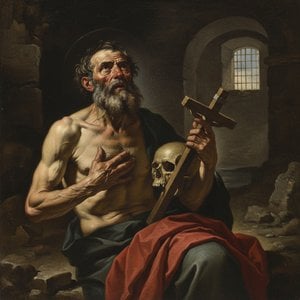
A Portrait of Dignified Suffering
In the profound stillness of Jusepe de Ribera’s 1632 masterpiece, St. Philip, viewers are invited into a space where spiritual fortitude meets palpable human sorrow. This arresting depiction portrays the saint not as an idealized icon, but as a figure of raw, earthly devotion. As a Dominican monk, St. Philip stands as a testament to unwavering faith, yet Ribera refuses to mask the weight of his existence. The figure dominates the composition with a heavy, commanding presence, embodying a characteristic motif found throughout Ribera's oeuvre: the intersection of divine grace and mortal struggle. To gaze upon this portrait is to witness a soul caught in the quiet tension between the agony of the flesh and the peace of the spirit.
The technical brilliance of the work lies in Ribera’s mastery of tenebrismo, a dramatic form of chiaroscuro that defines the Spanish Baroque era. By skillfully manipulating extreme contrasts between light and shadow, the artist creates an unsettling juxtaposition that heightens the emotional stakes of the scene. The light does not merely illuminate; it carves the saint's features out of an encroaching darkness, emphasizing the rugged textures of his weathered skin and the coarse fabric of his monastic robes. This meticulous attention to detail—the way light catches the folds of a sleeve or the subtle lines of a furrowed brow—underscores the importance of materiality in conveying spiritual truth. Ribera eschews the polished perfection of the Renaissance, opting instead for a brutally honest portrayal of human anatomy that feels startlingly immediate even centuries later.
Historical Resonance and Symbolic Depth
Painted during a period of intense religious fervor in 17th-century Naples, St. Philip reflects the complex cultural landscape of a city under Spanish rule. This was an era where artists were tasked with wrestling with themes of piety, mortality, and the profound complexities of the human experience. The dark, atmospheric sky that serves as the backdrop is far more than a mere void; it acts as a canvas for contemplation, mirroring the saint's internal spiritual battles and hinting at the looming shadow of divine judgment. Every element within the frame is laden with symbolic resonance, designed to pull the viewer into a state of meditative reflection.
For the discerning collector or interior designer, this piece offers more than just aesthetic beauty; it provides a profound emotional anchor for any space. The painting’s ability to transcend mere representation makes it a captivating centerpiece, capable of sparking conversation and evoking deep introspection. Whether placed in a quiet study or a grand gallery, the work's visceral response—born from Ribera's unflinching gaze at human vulnerability—commands respect and admiration. It is a piece that lingers in the mind long after the first encounter, offering a timeless window into the heart of Baroque intensity.
Domande e risposte
Quanti anni aveva Jusepe de Ribera quando è stata creata "St. Philip"?
Jusepe de Ribera aveva 41 anni quando ha creato "St. Philip" nel 1632. L'età è calcolata sulla base dell'anno di nascita dell'artista, 1591.
Quale uso si consiglia per "St. Philip" di Jusepe de Ribera?
L'uso consigliato per una stampa di "St. Philip" è Statement.
A quale fase della carriera di Jusepe de Ribera appartiene "St. Philip" (1632)?
Data la sua datazione al 1632, "St. Philip" rientra nel Mature Baroque di Jusepe de Ribera.
Opere correlate


Biografia dell'artista
Jusepe de Ribera (Lo Spagnoletto): Una Vita nel Dramma Barocco
- Nato: Xativa, Spagna (1591)
- Morto: 1652
Jusepe de Ribera, conosciuto anche come Lo Spagnoletto ("Il Piccolo Spagnolo"), fu una figura fondamentale nella pittura barocca spagnola. Nato a Valencia, in Spagna, nel 1591, divenne rinomato per le sue rappresentazioni drammatiche e intensamente realistiche di soggetti religiosi, martirii, ritratti, nature morte e paesaggi. La sua carriera si estese sia in Spagna che in Italia, con Napoli che funse da sua base artistica principale per gran parte della sua vita.
Primi Anni, Formazione e Influenza Italiana
I dettagli precoci della vita di Ribera rimangono in qualche modo oscuri. Si ritiene che inizialmente si sia formato a Valencia prima di trasferirsi in Italia intorno al 1607. Il suo periodo a Roma lo espose alle opere di Caravaggio e Guido Reni, influenzando profondamente il suo sviluppo artistico. Ribera assorbì l'uso drammatico della luce e dell'ombra pioniere da Caravaggio (tenebroismo) incorporando al contempo elementi di composizione classica dagli artisti come Reni. Questa sintesi risultò in uno stile unico caratterizzato da intensa emotività, crudo realismo e potenti narrazioni.
Opere Chiave e Stile Artistico
L'eredità artistica di Ribera si basa su una serie di opere avvincenti che esemplificano l'estetica barocca. Alcune delle sue pitture più celebrate includono:
- Martirio di San Bartolomeo: Una rappresentazione brutale che mostra la padronanza di Ribera del tenebrismo e del realismo inflessibile.
- San Girolamo e l'Angelo: Dimostra un lato più morbido e contemplativo pur mantenendo la sua caratteristica illuminazione drammatica.
- Martirio di San Andrea: Un altro esempio potente dei suoi temi religiosi e dell'intenso ritratto emotivo.
- Donna Barbata: Un'opera notevole che evidenzia la sua capacità di catturare la forma umana con precisione ed emozione notevoli.
Il suo stile è immediatamente riconoscibile attraverso:
- Tenebrismo: L'uso drammatico di forti contrasti tra luce e oscurità, creando un senso di dramma accentuato e intensità emotiva.
- Realismo: L'impegno di Ribera nel rappresentare le figure con accuratezza inflessibile, spesso ritraendo imperfezioni e segni di età o sofferenza.
- Intensità Emotiva: Le sue opere evocano potenti emozioni attraverso le espressioni e i gesti dei suoi soggetti.
Sviluppo ed Eredità
La carriera di Ribera può essere suddivisa in due fasi principali. Il suo lavoro precedente, pesantemente influenzato da Caravaggio, è caratterizzato da un realismo più crudo e da un uso più drammatico del tenebrismo. In seguito nella sua carriera, in particolare dopo essersi stabilito permanentemente a Napoli, il suo stile si evolse per incorporare colori più ricchi, illuminazione più morbida e composizioni più complesse. Pur mantenendo gli elementi fondamentali della sua estetica barocca, le sue opere successive dimostrano un maggiore grado di raffinatezza.
L'influenza di Ribera si estese oltre la Spagna, influenzando artisti in tutta Europa. Il suo uso innovativo del tenebrismo e il suo realismo inflessibile stabilirono un nuovo standard per la pittura religiosa. Artisti come José de Ribera (un artista successivo influenzato da Jusepe) esplorarono ulteriormente queste tecniche. Oggi, le opere di Ribera sono ospitate in prestigiosi musei in tutto il mondo, tra cui il Museo del Prado in Spagna, la National Gallery of Art a Washington D.C. e numerose istituzioni in Europa.
Significato Storico
Jusepe de Ribera si erge come una figura centrale nell'arte barocca spagnola, insieme a Francisco de Zurbarán, Bartolomé Esteban Murillo e Diego Velázquez. I suoi contributi allo sviluppo del tenebrismo sono innegabili e le sue potenti rappresentazioni di temi religiosi continuano a risuonare con il pubblico oggi. La collezione ArtsDot offre una panoramica completa della sua produzione artistica, consentendo agli spettatori di apprezzare appieno l'ampiezza del suo talento e la sua eredità duratura.

Jusepe de Ribera
1591 - 1652 , Spagna
Informazioni rapide
- Artistic Movement Or Style: Barocco Spagnolo
- Artists Or Movements Influenced By This Artist: ['José de Ribera']
- Artists Who Influenced This Artist:
- Caravaggio
- Guido Reni
- Date Of Birth: 1591-02-17
- Date Of Death: 1652-11-03
- Full Name: Jusepe de Ribera
- Nationality: Spagnolo
- Notable Artworks:
- Martirio di San Bartolomeo
- San Girolamo e l'Angelo
- Martirio di Sant'Andrea
- Donna Barbuta
- Place Of Birth: Xativa, Spagna
Articoli correlati

The Golden Age Reforged: Dramatic Realism & Religious Zeal in Spanish Baroque Art
Explore the dramatic world of Spanish Baroque art! Discover masters like Zurbarán & the powerful influence of religious zeal on painting techniques – a guide for collectors and enthusiasts.

El Greco: I 25 Capolavori Immortali dell'Arte Spirituale | ArtsDot
Esplora i 25 capolavori immortali di El Greco, il maestro del manierismo e della pittura religiosa. Scopri la storia, lo stile unico e le emozioni dietro ogni opera. Stampe e riproduzioni d'arte su ArtsDot.com per decorare con bellezza.
Jusepe de Ribera: Realismo Drammatico e Intensità Spirituale nell'Età dell'Oro Spagnola
Esplora il drammatico realismo di Jusepe de Ribera, maestro del tenebrismo spagnolo. Approfondisci la sua arte intensa e le influenze dell'Età dell'Oro. Scopri i suoi capolavori e l'eredità duratura.

The Dramatic Flourish: Exploring Themes of Power, Faith & Emotion in Baroque Artworks
Explore the dramatic world of Baroque art! Discover masters like Zurbarán & the powerful influence of religious zeal on painting techniques. Expert insights for collectors and enthusiasts.

The Dramatic Flourish: Exploring the Baroque Movement's Enduring Legacy in Art History
Explore the dramatic world of Baroque art! Discover iconic artists like Caravaggio & Rubens, defining techniques, and its lasting impact on art history. Expert insights for collectors & enthusiasts at ArtsDot.


